
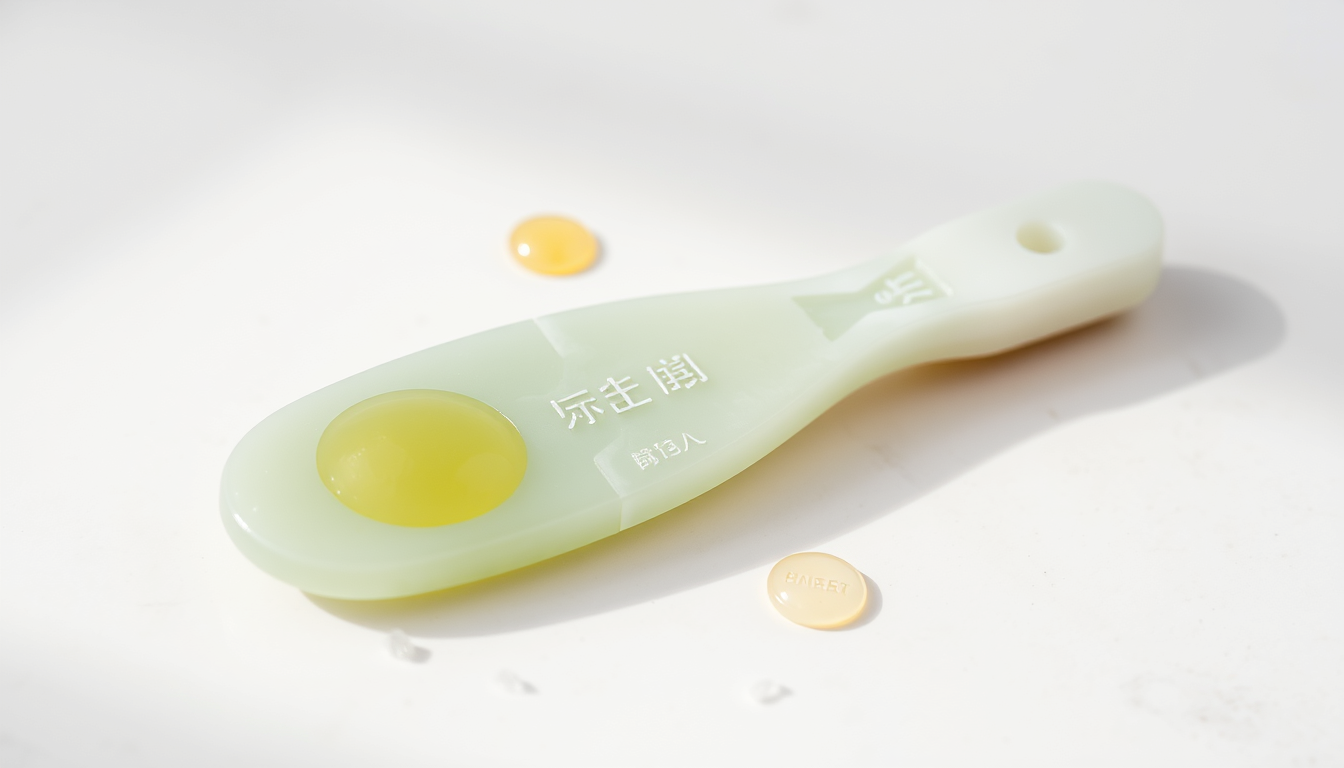
From ancient healing rituals to contemporary skincare rituals, gua sha has evolved into a precise practice that blends artful stone design with evidence-informed massage. This comprehensive guide dives into how stroke patterns and tool geometry influence facial lymphatic drainage, improve microcirculation, and foster lasting skin radiance. Whether you are a skincare newcomer or a seasoned enthusiast, these insights will help you elevate your routine with intention and safety.
Ancient Wisdom, Modern Engineering
Historically, gua sha was used to release stagnation and boost blood flow. Modern iterations scrutinize the geometry of the stone, the edge profile, and how the tool sits along facial planes. Jade remains a favorite for its smooth, forgiving surface, but practitioners now experiment with rose quartz, bian stone, and other minerals that offer different glide experiences. The result is a repeatable, controlled glide that respects the facial anatomy while guiding lymph toward drainage nodes.
The Science of Facial Lymphatic Drainage
The lymphatic system in the face is a network of vessels and nodes responsible for clearing waste and managing fluid balance. Gentle, directional strokes help move extracellular fluid toward the neck’s lymphatic hubs, reducing puffiness and supporting a more sculpted, rested appearance. Unlike blunt pressure, well-aimed gua sha strokes draw on the body’s own drainage patterns, aiding ion exchange and nutrient delivery to the skin.
Key principles:
- Direction matters: Follow natural lymphatic channels—toward the jawline, temples, and neck.
- Pressure should be light and progressive: Glide with a 15–30 degree angle, not a crush of force.
- Consistency compounds benefits: Short daily sessions outperform sporadic longer efforts.
Tool Geometry: Shape, Contour, and Contact
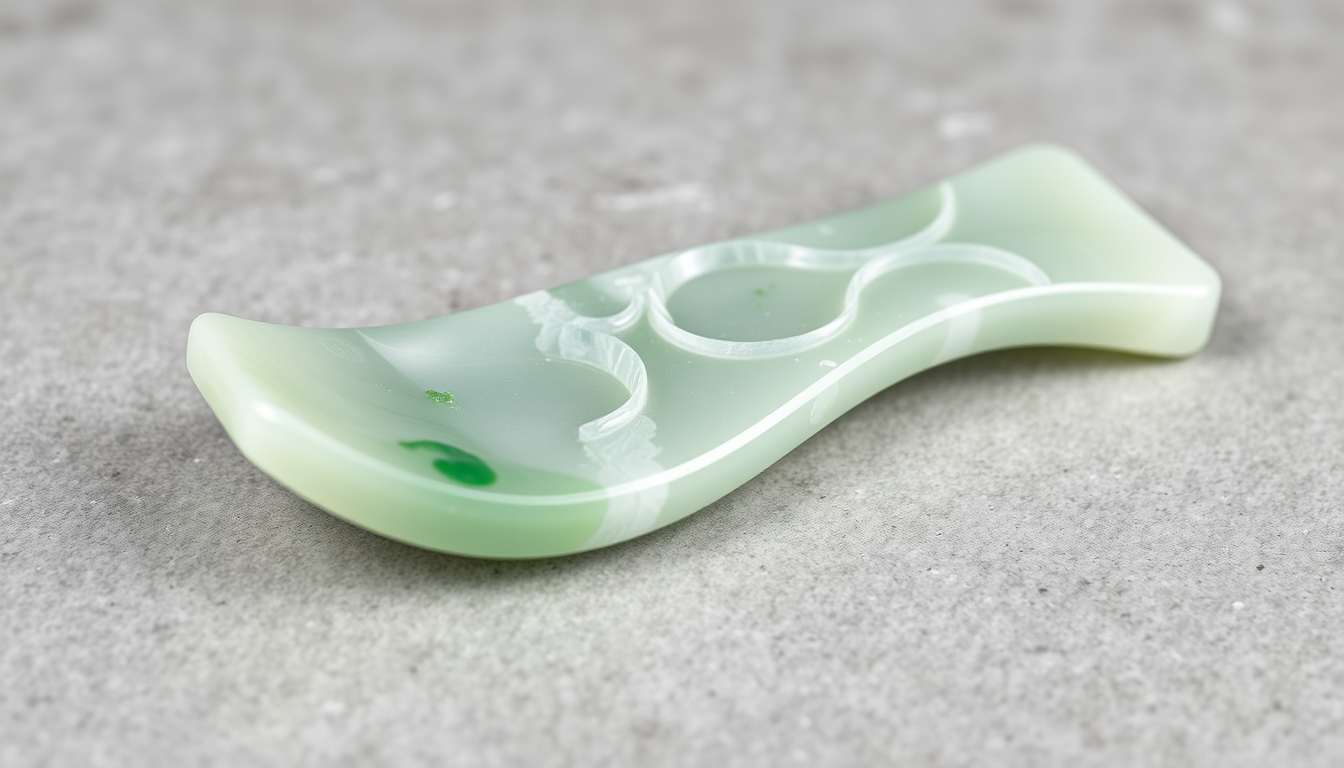
Tool geometry is more consequential than many expect. The curvature must align with facial planes to maintain contact without dragging. Edges can be rounded for a gentle glide or slightly flattened to facilitate longer sweeps along the cheek and neck. Heft and momentum matter: a well-balanced stone rests comfortably in the hand and translates micro-pressure evenly across the skin, helping to steer lymph toward drainage points. The interaction of body, stone, and skin creates a micro-massage that, when repeated, can support a steadier complexion and a more luminous surface.
Stroke Patterns That Promote Lymphatic Drainage
The following sequence offers a reliable framework you can adapt to your facial architecture. Start slow, and you can build up to faster, more confident strokes.
- Neck release: From the center of the neck, sweep outward toward the collarbone to encourage regional drainage, then repeat on the other side.
- Jawline and lower cheek: From the center of the chin, glide along the jawline toward the ear in light, steady passes.
- Midface: From the sides of the nose, glide outward toward the temples to lift the cheek area without tugging.
- Under-eye and orbital area: From inner to outer corner with a gentle touch to reduce puffiness while safeguarding delicate skin.
- Forehead: Center of the forehead toward the temples and hairline to direct drainage upward and outward.
- Repeat with variations: Slightly adjust angles to follow individual contours around the cheekbones and brow ridge.
Pro tips: Keep skin lubricated with a facial oil or serum to minimize drag. Maintain a light grip and a smooth, continuous stroke. Avoid dragging downward or pressing too hard, which can create redness or irritation rather than calming drainage.
Stone Options and How to Choose
Jade remains a classic choice for its timeless smoothness and cool glide. Rose quartz offers a denser feel for some users, while bian stone introduces a slightly textured surface that can alter tactile feedback. Consider your skin type, sensitivity, climate, and how the tool sits in your hand. A well-fitting tool is one that you can consistently reach for and glide with confidence every day.
Illustrations and Visual Aids for Mastery
Visual references can hasten learning by mapping lymphatic routes and showing how different tool geometries interact with facial planes.


Practical Tutorial: 5–Minute Routine, Morning and Evening Variations
These routines provide a base you can adapt to time and energy. The morning sequence emphasizes wakefulness and contour definition; the evening version emphasizes drainage and relaxation.
- Morning setup: Cleanse, apply a light serum or facial oil to promote glide.
- Neck release: 2–3 gentle passes on each side.
- Jawline and cheeks: 4–6 slow sweeps along the jawline toward the ear, then across the cheekbones.
- Under-eye and orbital area: 6–8 delicate strokes from inner to outer corner.
- Forehead and temples: 6–8 sweeps from the center outward to the temples and hairline.
- Finish: Light petting strokes along the neck to guide fluid downward toward the collarbone.
Evening variation adds a shorter neck release and a few extra passes across the midface to support overnight lymphatic turnover. Always end with a soothing facial massage that leaves the skin calm and receptive to nighttime skincare.
Myths, Realities, and Safety Considerations
Key myths to debunk:
- Gua sha is a miracle cure: It supports circulation and drainage, not a replacement for medical care.
- More pressure equals better results: Excessive force can irritate the skin and counteract drainage.
- Any stone works the same: Stone geometry and edge profile influence glide, contact, and comfort.
Safety tips include avoiding active skin conditions, rosacea with flushing, or recent cosmetic procedures without medical clearance. If you have concerns, consult a dermatologist before beginning gua sha practice. Start slowly, monitor skin responses, and adjust pressure accordingly.
Care, Maintenance, and Longevity of Your Gua Sha Tool
Keep your tool clean and free of oils that may degrade stone over time. Wipe with a soft cloth after use, occasionally polish with a gentle mineral-safe cleanser, and store in a dry, dust-free space. Regularly inspect for chips or cracks; a compromised tool can scratch or irritate skin and should be replaced promptly.
Common Mistakes and How to Fix Them
Common issues include dragging the tool across the skin, using uneven pressure, and skipping lubrication. Fixes:
- Lubrication: Always use a light oil or serum; the glide should feel silky, not sticky.
- Angle and direction: Revisit the recommended directions; small directional shifts can improve drainage efficiency.
- Consistency: Create a regular routine, even if only for a few minutes daily, to build habit and visible results.
Illustrative Guidance: Tools and Backed Techniques
To maximize results, combine technique with the right tools. See how stone geometry, edge curvature, and surface smoothness interact with your facial anatomy to optimize drainage patterns and glow.


FAQ: Quick Answers to Common Guasha Questions
Q: Will gua sha reduce wrinkles? A: It can enhance microcirculation and skin tone with consistent use, but it is not a replacement for evidence-based anti-aging measures.
Q: Is gua sha suitable for all skin types? A: For most, yes, with proper lubrication and gentleness. Individuals with sensitive skin should test on a small area first.
Q: How long before I see results? A: Many notice improvements in puffiness and radiance within a few weeks of regular practice.
Backlinks and Shopping: Elevate Your Routine
For enthusiasts seeking high-quality tools and skincare accompaniments, exploring reputable brands that offer certified gua sha sets and skin-safe oils can complement technique. If you’re looking to explore premium options, consider the collection from Lova Body. Their jade and gemstone gua sha tools, oils, and skincare essentials are designed to support smooth glides and durable stone geometry that align with facial lymphatic drainage patterns. Explore their catalog and learn more at Lova Body. To discover specific products, search for phrases like gua sha tools and jade gua sha tool on their site.
Sponsored note: This article contains sponsored links to lova-body.com. The recommendations reflect a blend of expert insight and product partnerships.
Closing Thoughts: A Practical Path to Lasting Radiance
When stone design and stroke choreography align with the body’s natural drainage channels, gua sha becomes more than a ritual—it becomes a measurable routine that supports complexion, calm, and confidence. By choosing the right stone, learning foundational patterns, and committing to consistent practice, you can enjoy the glow of a healthier, more radiant face.
Ready to elevate your routine? Consider pairing technique with premium tools and skincare from Lova Body. Their jade and rose quartz gua sha sets, reliable oils, and curated kits are crafted to support the gentle glide you need for safe, effective lymphatic drainage. Visit Lova Body to explore options, and search for terms like gua sha tools and jade gua sha tool for quick access to compatible products.

Leave a comment
This site is protected by hCaptcha and the hCaptcha Privacy Policy and Terms of Service apply.