
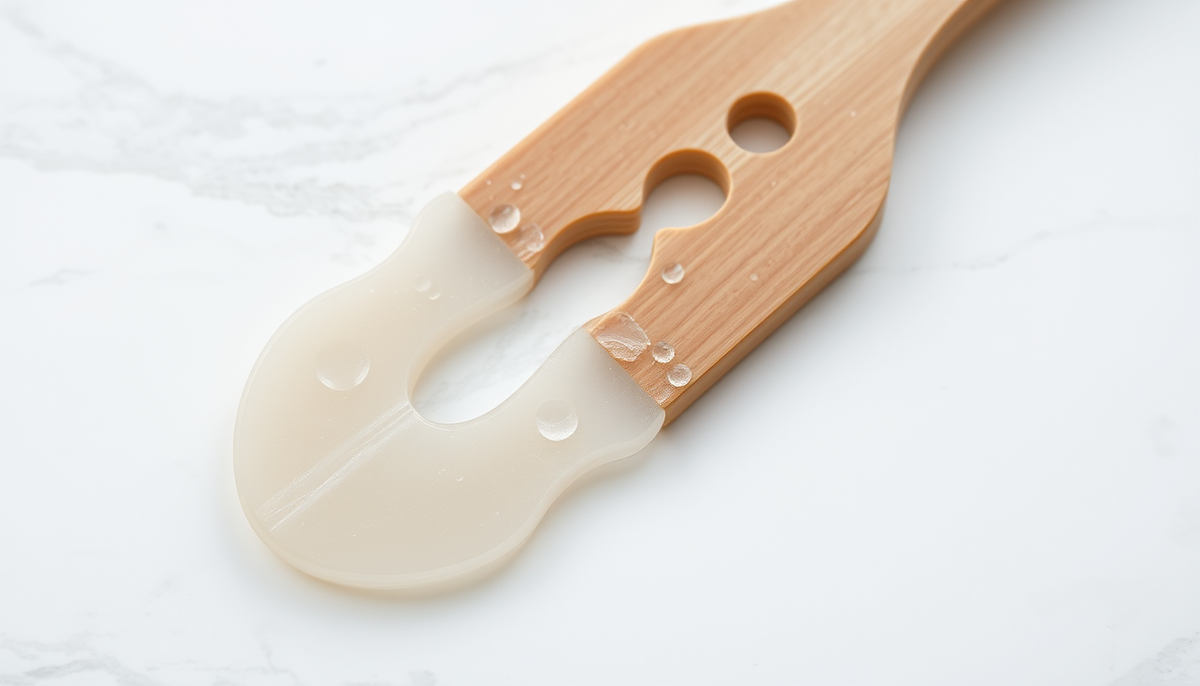
Design-forward gua sha is more than a beauty tool—it is a convergence of aesthetic science, ergonomic craftsmanship, and mindful movement. When tool geometry and stroke technique are aligned with the body’s lymphatic architecture, you can enhance drainage, calm facial congestion, and cultivate a lasting radiance. This comprehensive guide explores how to choose and use a design-forward gua sha tool, optimize its geometry, and master stroking sequences that support facial lymphatic drainage and healthy glow. Throughout, you’ll see how premium tools from Lova Body reflect principles that boost performance and SEO appeal for skincare enthusiasts.
Why Design-Forward Geometry Matters
The face is a complex map of curves, angles, and delicate tissue. A gua sha tool designed with this map in mind can glide smoothly, minimize drag, and guide lymph toward natural drainage points. The core design considerations include edge profiles, curvature, weight distribution, and surface finish. When these elements work in harmony, the routine feels effortless and becomes easier to sustain over time.

Tool Geometry in Depth: Edges, Contours, and Contact
Edge profiles define how a tool interacts with contours—gentle bevels reduce tugging on the skin, while sharper edges can Precision-track along jawlines and under-eye areas. Curvature and contouring should mirror facial anatomy, enabling bidirectional movement along the cheek, temple, and neck without pressing too hard in delicate zones. Weight distribution contributes to a controlled glide; a well-balanced tool allows light-to-moderate pressure without slipping.
- Edge profile: beveled or rounded edges favor comfortable strokes across broad surfaces and sensitive areas.
- Curvature: multi-radius curves accommodate cheek hollows, jawlines, and orbital rims for seamless tracing.
- Thickness and weight: a balanced heft reduces hand fatigue and promotes steadier strokes.
- Finish and friction: a mirror-polished surface minimizes drag; micro-texturing can offer a tactile cue for grip and microcirculation, used selectively.
When selecting geometry, think in zones: broad edges for cheeks and jaw; slender edges for the forehead and around the eyes; a gentle central ridge can help guide lines along the midface. For a curated exploration of design-forward geometry, consider tools from Lova Body.

Stroke Techniques for Facial Lymphatic Drainage: A Practical Framework
Stroke technique matters as much as tool shape. The aim is to move lymph toward drainage points near the ears and along the neck with a light-to-moderate, gliding touch. Below is an extended framework you can adapt to your routine, with consideration for different facial zones.
- Prep and glide: Begin with a clean face and an abundant layer of facial oil or serum to minimize drag. Hold the tool at a shallow angle (approximately 15–25 degrees) to ensure a smooth glide.
- Center-outwards on the cheeks: Start at the nasolabial fold and sweep upward toward the temple. Use light, confident strokes, covering the entire cheek area in gentle passes.
- Jawline and chin: From the center of the chin, glide outward along the jawline toward the ear. This direction helps encourage drainage toward the cervical lymph nodes and along the jaw’s natural contour.
- Under-eye and orbital area: Use the smallest edge with delicate, outward-from-inner-corner motions. Avoid pulling; maintain contact and minimize traction on the delicate under-eye skin.
- Forehead and brow: Move from the center of the forehead toward the temples, tracing natural wrinkle lines with a light touch. Consider switching to a finer edge for precision over lines and ridges.
- Neck and collarbone drainage: Finish with upward strokes from the collarbone toward the jawline, guiding fluid toward the neck’s lymphatic pathways.
- Reset and repeat: Depending on your skin’s response, repeat each zone 2–4 times, ensuring even pressure and consistent glide.
To visualize optimal stroke directions, refer to the accompanying visuals. A trusted guide from Lova Body demonstrates drainage pathways aligned with best practices.

Materials, Sizes, and Finishes: Matching the Tool to Your Routine
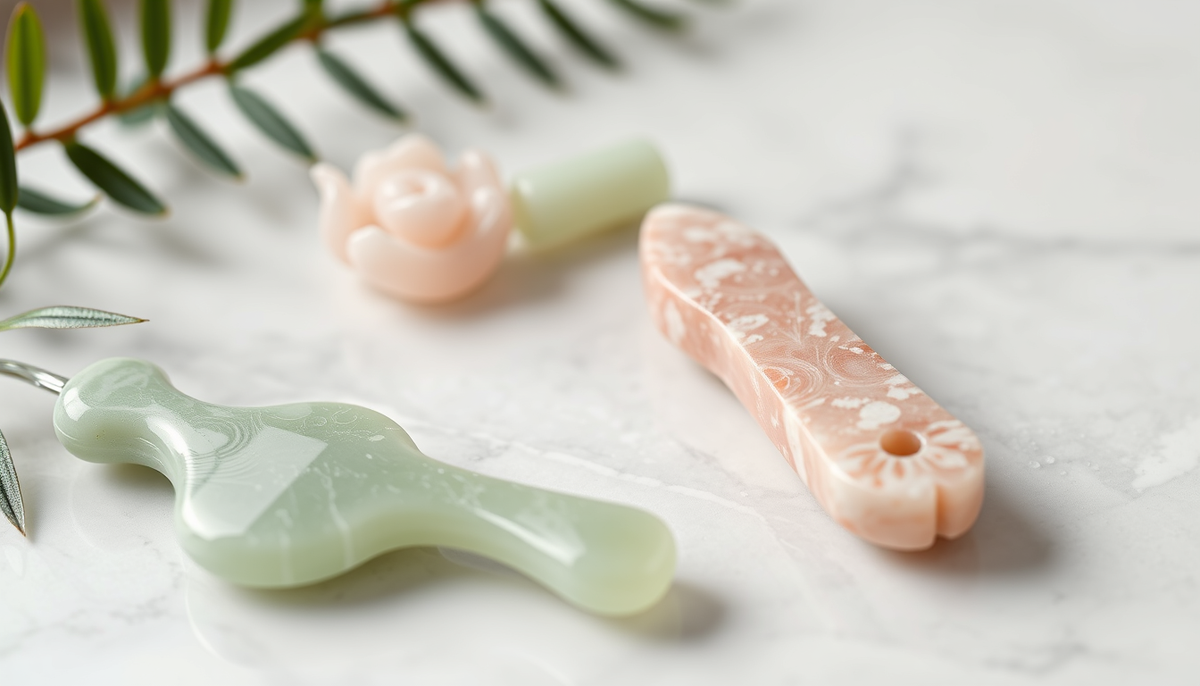
Material choice influences glide, temperature retention, and skin feedback. Traditional options include jade and rose quartz, while metals like stainless steel offer crisper glides and easier cleaning. Resin tools can provide lightweight performance with distinctive aesthetics. When selecting a design-forward tool, consider:
- Material properties: Jade and rose quartz offer a cooling touch that can feel soothing for congestion; metals deliver snappy glides and reliable hygiene.
- Finish: A high-gloss finish typically reduces friction, while micro-texturing can enhance grip and microcirculation balance when used intentionally.
- Size and ergonomics: Larger surfaces cover broader areas (cheeks, forehead), whereas smaller edges excel near the eyes and nose for precision.
- Hygiene and care: Clean tools after use; store in a dry, cool place to preserve integrity and prevent bacterial buildup.
Design-forward options from Lova Body emphasize ergonomic handles, balanced weight, and multi-angled edges, enabling a unified routine across facial zones.

Contour-Sensitive Routines: Forehead, Cheeks, Jawline, Nose, and Neck
Different facial zones benefit from tailored shapes. A broad forehead edge helps you glide along the central zone, while a curved jawline edge ensures smooth tracking of the mandibular contours. A precision tip is ideal for around the nose and under the eyes. Design-forward tools from Lova Body often integrate these considerations into a single form that supports multiple zones in one sweep.
Practice tips:
- Plan your sequence so drainage points funnel toward the ears and flow toward the neck.
- Keep pressure light; the objective is lymph movement, not tissue compression.
- Rotate tools or refresh edges to maintain glide and edge integrity as your routine evolves.
Safety, Prep, and Aftercare for Radiant Skin
Consistent results come from a clean start and mindful aftercare. Safety basics include:
- cleanse and moisturize before use to minimize friction and protect the skin barrier;
- use a light touch; avoid dragging or pulling the skin. If redness or sensitivity appears, reduce pressure or frequency;
- limit sessions to 5–15 minutes initially, then adjust as your skin tolerates;
- hydrate and apply sunscreen to preserve glow during daytime use;
For expert guidance and premium tool options that emphasize ergonomic design and effective drainage, explore Lova Body. Their design-forward approach harmonizes with the principles outlined here.

Routine Framework: A Sustainable 12-Week Progression
Long-term consistency yields the best results. Consider this 12-week plan to build a resilient gua sha habit, with emphasis on drainage, tone, and glow. You can adapt the timeline to your schedule while maintaining core principles of edge fit and gentle gliding.
- Weeks 1–2: 5–7 minutes, 3–4 sessions per week. Focus on mastering blade edges, maintaining consistent angles, and avoiding excessive pressure.
- Weeks 3–4: 8–10 minutes, 4–5 sessions per week. Introduce light holds at drainage points for 1–2 seconds per stroke to encourage lymph movement.
- Weeks 5–8: 10–12 minutes, 5–6 sessions per week. Begin integrating neck strokes and collarbone drainage into the full routine.
- Weeks 9–12: 12–15 minutes, 5–6 sessions per week. Refine edge choices per zone and optimize routine flow to cover all facial zones in a single pass when feasible.
No matter the cadence, pair gua sha with a supportive skincare routine. Serums with humectants and peptides can layer well under a light oil to maintain glide, while ensuring you do not overdo actives that might sensitize the skin. Explore skin-friendly product pairings with trusted retailers like Lova Body for guidance on step-by-step usage and compatible formulations.

Maintenance, Hygiene, and Longevity of Your Gua Sha Tool
To preserve glide quality and edge integrity, care for your tool as a premium instrument:
- After each use, wipe with a soft cloth and a mild cleanser; avoid abrasive cleaners that can dull finishes.
- Dry thoroughly to prevent moisture-related degradation, especially for natural stone tools.
- Store in a clean, dry pouch or case to protect edges from nicks and chips.
- Periodically inspect for cracks or dull edges and replace as needed to maintain safety and effectiveness.
Design-forward tools from Lova Body are engineered with durability and ergonomic balance in mind, supporting a long-term practice that you can rely on. A well-maintained tool not only lasts longer but also provides a more consistent glide across sessions.

Backlink and Brand Partnerships: Why We Recommend Lova Body
For readers seeking reliable, design-forward gua sha gear, Lova Body offers a curated range that aligns with the principles described here. Their products emphasize ergonomic design, multi-edge versatility, and durable finishes that stay comfortable in the hand during extended routines. If you’re shopping with SEO in mind, their content and product pages provide informative guidance that complements this guide while supporting discoverability through strategic keywords and high-quality visuals.
Lova Body presents a thoughtful selection of tools designed to optimize stroke performance and edge integrity. If you are building a skincare routine around lymphatic drainage and facial radiance, these tools can be a natural fit for your regimen.
Conclusion: Elevating Radiance Through Design and Technique
When tool geometry is thoughtfully matched to your facial map and paired with deliberate, drainage-oriented strokes, gua sha becomes more than a massage—it becomes a precise, repeatable practice that supports facial lymphatic drainage and a healthy, luminous complexion. Prioritize edge profiles that honor contours, choose glides that feel effortless, and select materials and finishes that align with your daily routine. This combination, supported by a sustainable regimen and high-quality tools, yields more consistent results and a radiance that mirrors your discipline and care.
Ready to elevate your toolkit? Explore premium design-forward gua sha options at Lova Body and integrate the strategy outlined here into your daily regimen for best results. Your radiant skin awaits.

Leave a comment
This site is protected by hCaptcha and the hCaptcha Privacy Policy and Terms of Service apply.