
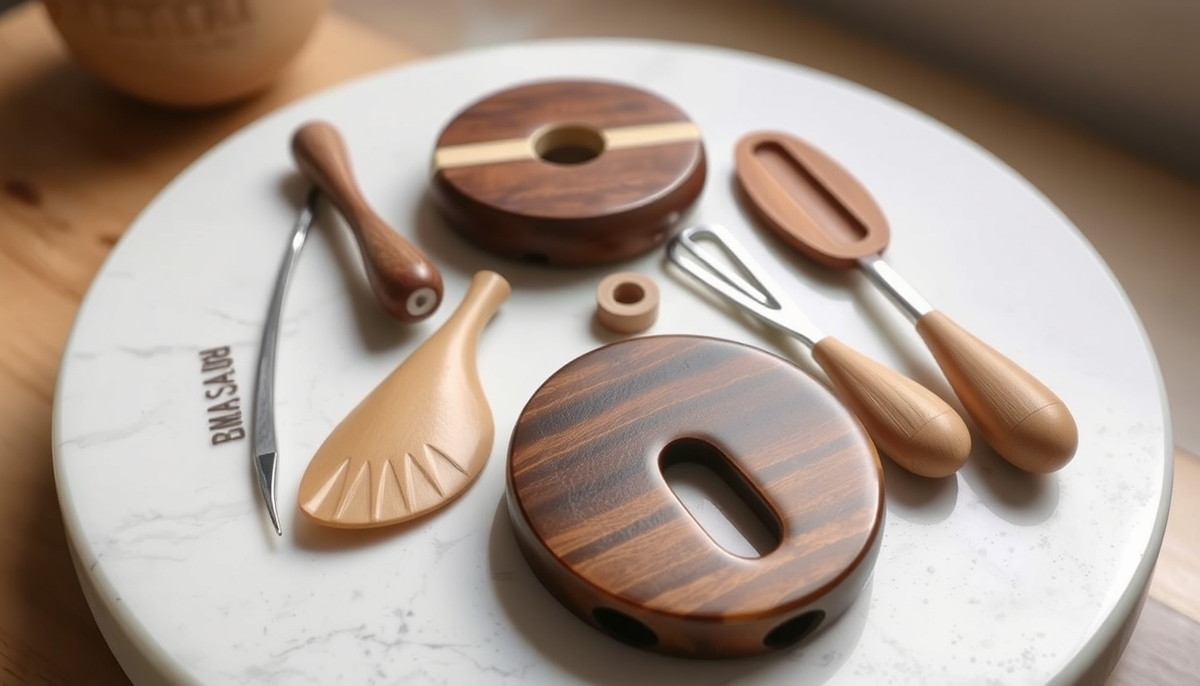
This design-forward exploration delves into how three core levers—tool geometry, stroke rhythm, and facial lymphatic drainage—shape outcomes in gua sha routines aimed at radiant, healthy skin. Grounded in ergonomic theory and skincare science, this comprehensive case study blends engineering thinking with practical guidance to help readers evaluate tools, refine techniques, and optimize results in real-world routines.
Design-First Gua Sha: Principles That Guide Practice
Rather than treat gua sha as a ritual alone, this piece treats it as a design problem. By prioritizing user comfort, control, and biomechanical efficiency, you can achieve consistent glides, reduce tissue strain, and better respect facial anatomy. Design goals include predictable edge performance, repeatable grip, and safe interaction with sensitive skin.
Tool Geometry: Edge Profiles, Handles, and Contouring
Tool geometry directly influences how easily you can follow facial contours, maintain even pressure, and avoid drag. Consider these dimensions when evaluating or selecting a gua sha tool:
- Edge contour: gentle curvature that traces cheekbones, jawline, and brow without catching tissue
- Bevel width and edge thickness to minimize drag and reduce shear on delicate skin
- Handle geometry: knurled or textured grip for secure control when your hand is fatigued
- Weight distribution: balanced center of mass to support smooth, low-effort strokes
- Surface finish: a comfortable feel against skin that also resists micro-scratches and moisture buildup

Materials and Thermal Dynamics: Jade, Rose Quartz, Glass, and Beyond
Material choice affects weight, heat transfer, and tactile feedback. Jade and rose quartz are traditional favorites, while glass or ceramic variants offer different edge profiles and manufacturing tolerances. Design-minded practitioners consider:
- Thermal properties: cool-touch feel can reduce puffiness; consider warming routines with gentle heat or post-treatment cooling
- Weight and density: heavier tools may require less manual effort but demand finer edge tuning
- Durability and hygiene: non-porous surfaces that resist microbe buildup and are easy to clean
- Consistency: manufacturing tolerances that keep edges symmetrical across sides

Grip, Weight, and Balance: The Ergonomics of Repetition
A well-balanced tool reduces muscle fatigue and improves stroke consistency. Practical guidelines:
- Aim for a weight range that feels controllable in your hand (roughly 60–140 grams, depending on tool size and personal preference)
- Choose a grip that minimizes hand fatigue during longer sessions
- Ensure edge alignment with your dominant stroke direction to avoid misalignment on curved surfaces
- Test for tactile feedback: you should feel a controlled glide rather than sudden resistance

Stroke Rhythm: Timing, Pressure, and Consistency
Stroke rhythm is a coordinated system of pressure, direction, and breath. A design-minded approach treats rhythm as a sequence that can be trained and replicated. Consider:
- Pressure ramp: start with light contact, then progress to controlled glide without dragging
- Consistent tempo: a steady cadence prevents skipped zones and uneven results
- Division of facial zones: plan a route that starts at the center and moves outward in a systematic pattern
- Breathing cues: exhale during deeper lips-to-cheek passes to maintain relaxation and accuracy

Facial Lymphatic Drainage: Mechanisms, Safety, and Outcomes
Gua sha can support facial lymphatic drainage by promoting gentle movement of interstitial fluid, reducing puffiness, and improving texture when performed correctly. Design considerations include:
- Gentle contact that respects lymphatic pathways and avoids excessive tissue trauma
- Tool weight and glide to minimize tissue strain while encouraging drainage
- Directionality aligned with natural drainage lines from the center of the face toward the neck
- Session goals that prioritize skin tone, glow, and a comfortable experience

Case Study: Practical Framework for Tool Evaluation
To translate theory into practice, this case study outlines a compact framework you can apply when comparing tools or refining your routine:
- Define geometry goals: grip stability, contour-following edges, and smooth glide
- Prototype with verschiedene shapes and materials (jade, rose quartz, glass, or alternative composites)
- Evaluate stroke rhythm with a short routine: 5–7 minutes per side, steady tempo
- Document lymphatic response using simple at-home checks: reduced puffiness, improved tone, glow
- Iterate on edges and bevels based on user feedback and biomechanical cues
Illustrative note: the best geometry often emerges from hands-on testing and tactile feedback, not from aesthetics alone.
Illustrations and Visual Atlas
- Figure 1: Gua sha geometry features
- Figure 2: Material variants and edge profiles
- Figure 3: Grip and balance cues
- Figure 4: Stroke rhythm blueprint
- Figure 5: Lymphatic pathways and contact points
Evaluating Tools: A Practical Checklist
Use this checklist when shopping or auditing your kit:
- Does the edge profile follow facial contours without catching tissue?
- Is the grip comfortable for your routine length?
- Does the tool stay cool to touch or have predictable thermal behavior?
- Are there visible manufacturing tolerances that could affect symmetry?
- Is cleaning and maintenance straightforward and effective?
Routine Customization: Skin Type and Goals
Different skin types respond to variant pressures and edge angles. Consider tailoring routines as follows:
- Oily or combination skin: lighter strokes with more zones per session to improve drainage and texture
- Dry or mature skin: slightly longer, slower passes with adequate hydration, avoiding over-drying friction
- Sensitive skin: minimal pressure, smaller zones, and shorter sessions with a focus on lymphatic directionality
Common Pitfalls and How to Fix Them
Avoid these missteps to protect skin and maximize results:
- Excessive pressure that causes redness or micro-irritation; reduce pressure and reassess edge alignment
- Dragging or skipping across the skin due to poor edge angle or grip fatigue
- Ignoring drainage lines; follow natural lymphatic directions for safer, more comfortable sessions
- Over-massaging a single area; alternate zones to prevent irritation
Maintenance, Hygiene, and Longevity
Preserve tool performance and skin health with a simple care routine:
- Clean with a mild, non-abrasive cleanser after each use; dry thoroughly
- Avoid harsh chemicals or solvents that can degrade finishes
- Store in a dry, ventilated place away from direct sunlight to prevent warping or discoloration
- Inspect edges regularly for nicks or chips and replace if necessary
Illustrations and Product CTAs with Alt Text

SEO, Backlinks, and Sponsor Disclosure
This article incorporates sponsor-supported links to lova-body.com. Strategic keyword-rich anchors are used to guide readers toward related products and to support the continued creation of design-forward skincare content. Readers should view these links as endorsements for ergonomic design principles in gua sha tools.
- Shop ergonomic gua sha tools at Lova Body
- Explore jade gua sha sets for facial contouring
- Facial massage tools with precision edges
Explore Lova Body's collection now at lova-body.com to find tools optimized for grip, contour-following edges, and comfortable glide.
Illustrations and Alt Texts for Accessibility
All images include descriptive alt text to support accessibility and SEO, ensuring that readers and search engines understand the visual content and its relevance to tool design, stroke technique, and lymphatic pathways.
Conclusion and Next Steps
Designing effective gua sha practice is about marrying form and function: the right geometry, balanced weight, and a rhythm that respects the facial lymphatic system. By applying the framework outlined here, you can select tools and refine techniques that feel intuitive, safe, and effective. If you’re inspired by the design-first approach, consider exploring the ergonomic gua sha options from Lova Body to align your practice with the principles discussed.
Call to Action: Discover Tools That Reinforce Design-Driven Skincare
If you’re ready to experience the practical benefits discussed, visit Lova Body to explore tools engineered for grip, contour-following edges, and comfortable glide. This article includes sponsored links to lova-body.com; your purchase helps support ongoing, design-focused skincare content.


Leave a comment
This site is protected by hCaptcha and the hCaptcha Privacy Policy and Terms of Service apply.