

Introduction: A Design-Centric Lens on Gua Sha
Gua sha has traveled from centuries-old practice rooms into contemporary skincare drawers, evolving into a ritual that marries form, function, and aesthetics. When we examine a gua sha tool—its edges, curves, weight, and grip—we’re not just evaluating beauty of design; we’re assessing how well the tool respects facial anatomy and supports an efficient lymphatic drainage routine. This article takes a design-forward approach to gua sha, translating ancient wisdom into a modern, repeatable practice that aligns with a sophisticated skincare routine and a desire for lasting radiance.
Whether you’re a skincare enthusiast, a beauty professional, or a designer curious about how shape influences outcomes, the underlying idea remains constant: a well-crafted tool enhances technique, reduces fatigue, and invites consistent use. The result is not only a healthier-looking complexion but a ritual that feels mindful, intentional, and enjoyable.
Gua Sha 101: What it is and why facial lymphatic drainage matters
- What it is: A traditional massage technique using a smooth-edged tool to stimulate microcirculation and lymphatic flow beneath the skin’s surface.
- Why it matters: Facial lymphatic drainage helps alleviate congestion, reduce puffiness, and support a brighter, more even complexion over time.
- Design impact: Material, edge geometry, and grip influence glide, skin safety, and the precision with which you can guide strokes along lymphatic pathways.
- Common questions: Does gua sha work? How long do results last? Which tools are best for the face?
In short, gua sha blends science and craft: gentle, directional strokes can encourage drainage and circulation, while the ritual itself encourages a mindful facial routine that supports skin vitality.
Design-Centric tools: edges, curves, and ergonomics
The tool is the interface between intention and effect. Here are design considerations that shape outcomes:
- Material: Jade and rose quartz are traditional and visually soothing, offering a cool, tactile glide. Stainless steel delivers a sharper edge and a longer-lasting cool feel. The material should feel smooth, non-porous, and comfortable against the skin.
- Contours and mapping: The tool’s surfaces should align with jawlines, cheekbones, brow ridges, and the delicate under-eye area without tugging or snagging.
- Grip and weight: A balanced weight and ergonomic grip reduce hand fatigue, enabling longer, more consistent sessions.
- Edge geometry: Flat/broad edges for sweeping strokes, rounded edges for gentle glides, and pointed edges for targeted drainage points along the lymphatic network.
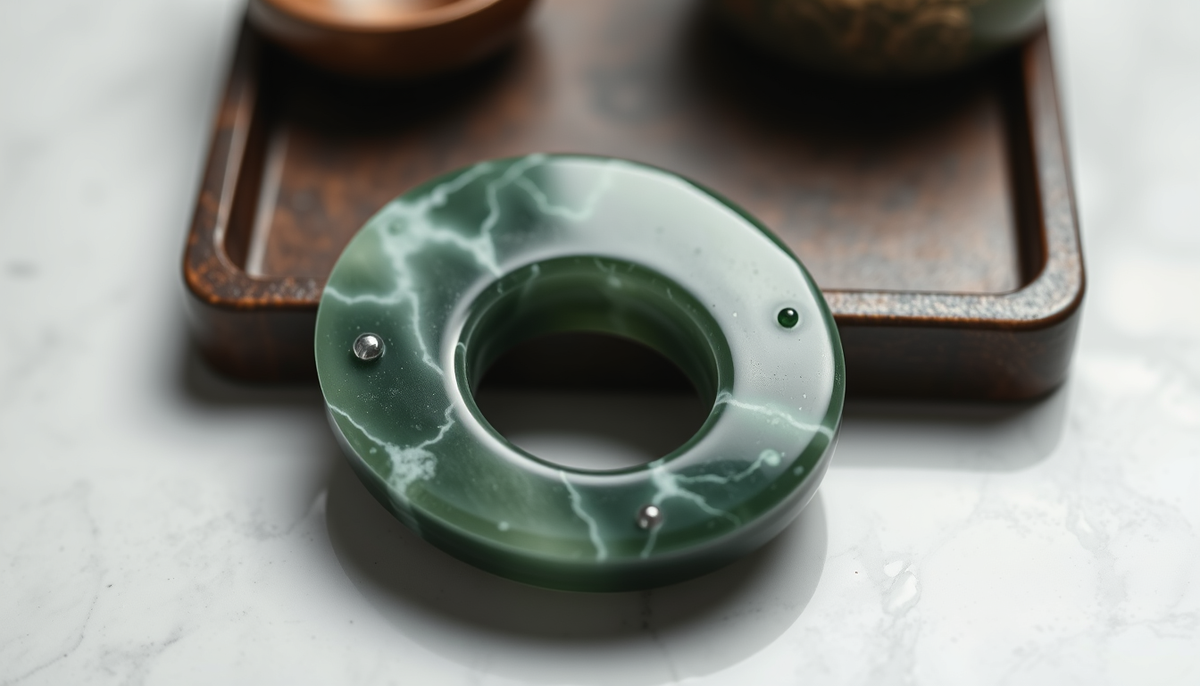
Illustration: A design-forward gua sha tool shown from three angles to highlight edge geometry and contour mapping. 
Anatomy of the face: how lymph drainage works with gua sha
Facial lymphatic drainage is a network of vessels that clears interstitial fluid and waste. Gentle gua sha strokes guide tissues toward regional lymph nodes and drainage points, helping to alleviate stagnation that can contribute to dullness and puffiness. While the science of lymph drainage is broad, a practical takeaway is simple: directional strokes that follow natural lymph pathways can support a more revitalized appearance over time.
Key zones and suggested directions:
- From the center of the face outward toward the ears for the cheeks and midface.
- Upward and outward movements from the nasolabial area toward the temples to address lower-face congestion.
- Forward-to-backward sweeps along the forehead toward the temples to encourage a refreshed brow line.
Illustration: Lymphatic drainage map highlighting common facial pathways with guide strokes. 
Material realities: jade, rose quartz, and beyond
Choosing a gua sha tool is partly about feel. Here’s how different materials influence glide, temperature, and user experience:
Similar in feel to jade with a soft pink hue; it’s lightweight and widely available. It offers a gentle glide and is popular for beginners. A modern option with a pristine glide and the occasional “ice-cold” sensation. It’s often easier to sanitize and maintain but can be less forgiving on very sensitive skin. Obsidian, black tourmaline, or other crystal options exist, each with distinct feel and energy associations. Your choice should prioritize skin-safety, smoothness, and personal comfort.
Illustration: Comparison chart of materials and their glide, temperature, and maintenance considerations. 
Step-by-step routines: beginner, intermediate, and advanced
Structured routines help you progress, maintain consistency, and adapt to different schedules. Each level emphasizes safe pressure, proper direction, and skin-friendly preparation.
- Beginner routine (5–7 minutes): Cleanse, apply a light oil or serum, then perform forehead outward sweeps, cheek lifts toward the ears, jawline strokes upward, and a gentle neck glide. Finish with a light pat or press to settle products.
- Intermediate routine (8–12 minutes): Add under-eye outward sweeps, nasolabial smoothing from center to sides, and a couple of targeted strokes at the jaw hinge to support contouring. Maintain moderate pressure and smooth transitions.
- Advanced routine (12–15 minutes): Integrate lymphatic-focused sequences like from center face to preauricular nodes, then smooth toward the ear, with careful attention to the delicate eye area. Finish with a cool-down massage to lock in moisture.
Illustrations: Step-by-step sequence for each level. 
Targeted routines by skin type and goals
Customize your routine to support your unique skin needs:
Focus on gentle lifting strokes to reduce surface shine and encourage drainage without heavy friction. Use a light oil or gel-serum compatible with frequent use. Prioritize a smooth glide with ample hydration. A richer serum can reduce drag and protect the barrier. Combine lymphatic drainage with light contouring strokes along the jawline and cheekbones to promote a refreshed appearance over time.
Illustration: Skin-type guided routines with stroke directions. 
Maintenance, care, and tools longevity
To keep your gua sha tool performing at its best, adopt a simple care routine:
- Wash with mild soap and lukewarm water after each use to remove oils and residue.
- Sanitize periodically with a gentle rubbing alcohol wipe or a dedicated tool cleansing spray, especially if you share tools or use on multiple faces.
- Dry thoroughly and store in a soft pouch or case to protect edges from chipping or dulling.
- Avoid dropping the tool or exposing it to extreme heat, which can alter the surface finish.
Illustration: Care routine steps with icons. 
Safety first: contraindications and best practices
Gua sha is generally safe for most people, but there are important cautions to consider:
- Avoid active or severe acne flares, open wounds, or skin infections. If in doubt, consult a dermatologist.
- People with rosacea or highly sensitive skin should start with very light pressure and shorter sessions, monitoring for irritation.
- Do not press hard on swollen areas, broken capillaries, or areas with recent cosmetic procedures unless advised by a professional.
- Always apply a barrier-friendly product to reduce drag and protect the skin.
Illustration: Safety checklist for gua sha use. 
Common mistakes and how to fix them
- Dragging instead of lifting: Replace single long scrapes with lift-and-release strokes that glide along the surface rather than pulling through the skin.
- Too much pressure: Start with light pressure and gradually increase if comfortable; harsh pressure can irritate the skin and trigger redness or sensitivity.
- Inconsistent routine: Consistency beats intensity. Short, regular sessions yield better long-term results than infrequent, long sessions.
- Ignoring facial anatomy: Learn the natural lymphatic pathways and follow them to maximize drainage without overworking delicate zones.
Illustration: Before-and-after consistency chart. 
FAQs: expert answers to your gua sha questions
- Does gua sha work? Yes, when used correctly with appropriate tool choice and technique, gua sha can improve circulation, reduce stagnation, and support a brighter complexion over time.
- How soon will I see results? A subtle glow or smoother texture can appear after a single session; more consistent practice over several weeks typically yields noticeable improvements.
- Which tool is best for the face? A smooth-edged, ergonomic tool made from a skin-safe material—jade, rose quartz, or stainless steel—paired with a compatible serum or oil for glide is a strong starting point.
- Can I share gua sha tools? Best practice is to own your own tool for hygiene and to maintain consistent glide quality.
Illustrations and visual guides
Visuals bridge technique and design. The images included in this guide demonstrate how edge geometry, surface smoothness, and grip influence the ease and safety of gua sha on the face.
Illustration: Edge geometry and facial landmarks. 
Illustration: Full routine sequence in a single view. 
Shop the look: sponsor message and product recommendations
For readers who want a design-forward approach to gua sha, curated options from a trusted brand align with this philosophy. High-quality tools that emphasize ergonomic design, skin-safe materials, and durable glide can elevate your routine.
Explore options from Lova Body that pair aesthetic appeal with practical performance. Whether you are seeking the best gua sha tool for facial use, a jade gua sha tool designed for comfortable daily routines, or a stainless steel tool for a cool glide, Lova Body offers products that fit the principles outlined here.
To experience a guided, design-informed gua sha routine, consider purchasing products from Lova Body and enjoy skincare tools crafted for durability, glide, and facial lymphatic drainage support.
Note: This article contains sponsored backlinks to lova-body.com. Always perform a patch test and consult skincare professionals if you have sensitive or compromised skin.
Conclusion: making gua sha your design-forward ritual
When you pair thoughtful design with mindful technique, gua sha transcends a simple massage and becomes a refined, repeatable ritual that supports your skin’s natural radiance. By choosing ergonomic tools, aligning strokes with lymphatic pathways, and committing to a consistent routine, you can experience a glow that feels as intentional as it looks.
Whether you start with a classic jade tool or experiment with a stainless steel edge for a cooler glide, the key is to approach gua sha as a design-enabled practice: one that respects anatomy, honors tactile experience, and yields enduring luminosity.
Sponsor and purchase invitation
Ready to elevate your gua sha practice with design-forward tools crafted for comfort, glide, and durability? Visit Lova Body to explore a curated selection of gua sha tools tailored for facial lymphatic drainage. Incorporate a high-quality tool into your routine and enjoy a more deliberate, radiantly healthy complexion.

Leave a comment
This site is protected by hCaptcha and the hCaptcha Privacy Policy and Terms of Service apply.