
Gua sha has moved from a niche ritual to a practical skincare technique grounded in thoughtful geometry, deliberate cadence, and respectful lymphatic drainage. This comprehensive guide lays out an evidence-based, side-by-side framework so you can compare tool shapes, refine your technique, and understand why certain strokes help you achieve a clearer, calmer complexion. Expect practical routines, clear comparisons, and visuals to help you implement a consistent practice with confidence.

Understanding tool geometry: what shapes do and when to use them
The geometry of a gua sha tool determines contact area, pressure distribution, and how comfortably you can follow facial contours. Different edges are designed to engage skin in specific ways, influencing outcomes for texture, lift, and drainage. Here are common shapes and their typical applications:
- Flat edge: broad contact for large surfaces like cheeks and forehead; ideal for smoothing and reducing friction on flat planes
- Curved/crescent edge: hugs jawline, cheekbones, and brows; great for contouring and periwContour mapping along curved regions
- Pointed/teardrop tip: targeted relief for fine lines, under-eye areas (with extreme care), and precise lymphatic entry points
- Roller edge (if present): gentle rolling action for neck and décolleté; spreads product evenly and reduces drag
Tip: choose a tool with a comfortable weight and smooth edges that adapt to your facial angles. If you’re unsure, start with a dual-edge tool that combines a broad flat surface with a curved edge for versatility.

Cadence and technique: building a practicable routine
A consistent cadence beats brute force. The right tempo, pressure, and stroke direction unlock smoother skin and more predictable results. Use this framework to establish a repeatable session:
- Begin with a cleansed face and a lightweight facial oil or serum to reduce drag
- Apply the tool with a light touch—think the weight of a coin rather than pressing into bone
- Move in smooth, controlled sweeps from center toward the periphery, following natural lymph pathways
- Limit each area to 5–10 passes to avoid irritation or redness
- Finish with gentle strokes on the neck and collarbone to support lymph movement
Cadence patterns include center-to-outward on the cheeks, upward sweeps along the jawline, and horizontal motions across the forehead. A cadence chart helps you stay consistent and avoid overworking any one area.

Lymphatic drainage: why it matters for a clearer complexion
Gua sha is frequently paired with lymphatic drainage to address puffiness, fluid retention, and congested skin. Proper technique respects the body’s natural drainage pathways, potentially yielding a more rested look and improved tone over time. Keep these principles in mind:
- Use light, fluid strokes rather than scraping or dragging the skin
- Direct strokes toward lymph nodes along the jawline, behind the ears, and down the neck
- Limit sessions to 5–10 minutes daily to avoid overstimulation of the skin
- Combine gua sha with a balanced skincare routine, hydration, and adequate sleep for best results
Scientific emphasis on gradual improvement means patient, consistent practice paired with healthy skincare habits tends to outperform quick fixes. If you’re dealing with edema, consult a clinician before starting a new massage routine.

Evidence-based side-by-side: myths vs facts
Separating myths from evidence helps you set realistic expectations and avoid unnecessary risk. Here is an expanded myth-vs-fact overview:
- Myth: Gua sha delivers dramatic overnight changes. Fact: Consistent use over weeks can improve texture, tone, and puffiness, with results building gradually.
- Myth: Any tool works the same. Fact: Geometry, material, edge quality, and production finish influence contact, friction, and safety.
- Myth: More pressure accelerates results. Fact: Excess pressure can irritate the skin and damage the barrier; light to moderate pressure is typically safer and more effective for most users.
- Myth: Gua sha replaces skincare steps. Fact: It complements cleansing, serums, and moisturizers to support product absorption and micro-circulation.
- Myth: You must treat every inch of the face every day. Fact: Focused sessions on areas of concern yield better outcomes when paired with rest days for the skin.
Practical routines: a tiered plan you can follow
Use these templates as starting points. Adjust duration, intensity, and frequency based on your skin’s response and lifestyle:
- 10-minute daily flow: 2–3 passes per region, center-to-outward on cheeks, jawline upward toward ears, forehead center outward, neck outward along lymph direction
- 15-minute routine for buildup: add periorbital caution, a light micro-massage under the chin, and a longer neck sequence
- 20-minute weekly deep session: incorporate additional strokes for the décolleté and collarbone, plus a short cool-down

Extended routines by skin goals: customizing your approach
Different skin concerns benefit from tailored sequences. Here are practical adaptations for common goals:
- Texture and dullness: focus on mid-face areas with flat edges to encourage even glide; incorporate a mild gliding tempo to stimulate microcirculation
- Puffiness and lymph buildup: emphasize lymph-directed strokes around the jawline, behind the ears, and across the neck; keep pressures light
- Sagging or contouring: use crescent edges along the jawline and cheekbones with gradual lifts in the outer corners of the eyes (careful near the orbital margin)
- Sensitivity or rosacea prone: choose a smooth rose quartz or jade tool with very light pressure and shorter sessions; avoid high friction on fragile skin
A closer look at tool materials: jade, rose quartz, and alternatives
Material choice affects glide, sensation, and durability. Here’s a concise guide to common options:
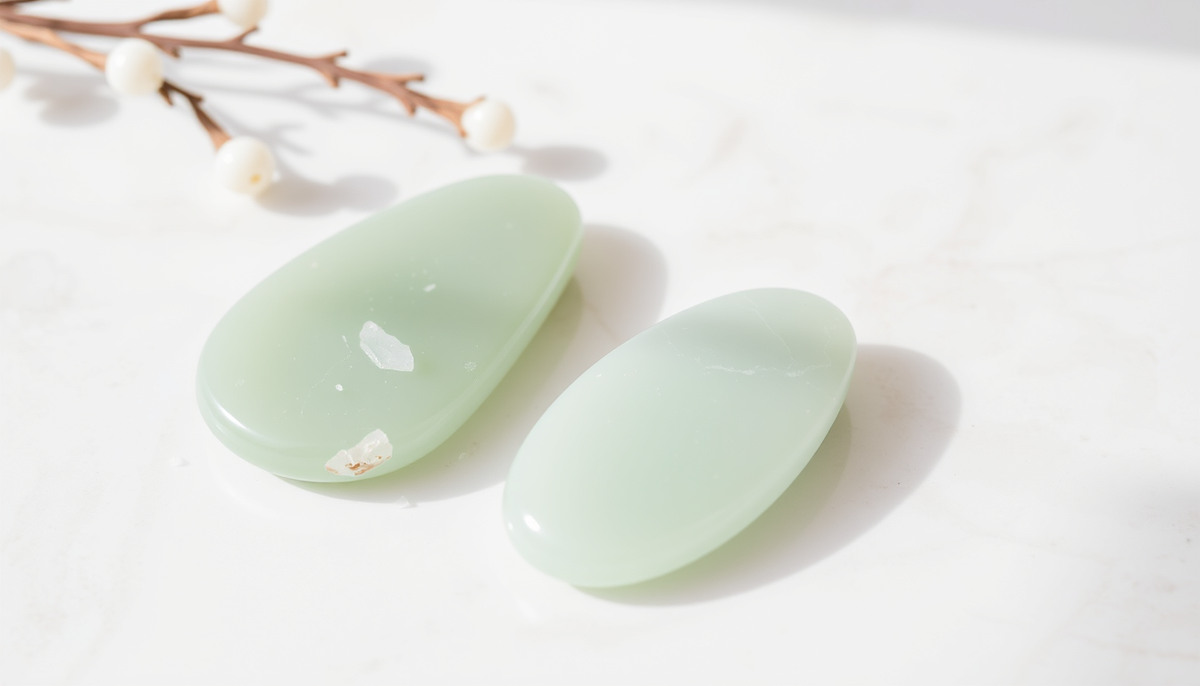
- Jade gua sha: traditional, cool-touch feel with a robust surface; often denser and cooler on contact
- Rose quartz gua sha: typically softer edges and smoother glide; lighter in weight
- Other materials: ceramic or mineral blends; prioritize smooth edges, a clean finish, and reliable manufacturing
- Practical tip: test glide on your jawline with a small amount of oil to confirm comfortable contact
Care, cleaning, and maintenance: keeping tools hygienic and effective
Regular cleaning preserves tool integrity and skin health. Follow these practices:
- Clean with gentle soap and warm water after each use; pat dry with a clean towel
- Avoid submerging in hot water or using harsh cleaners that can degrade the surface
- Store in a dry, protected case to prevent chipping or cracking
- Inspect edges for roughness; a smooth surface reduces drag and baring of the skin
Illustrations and visuals to guide your session
Visual references help you reproduce the technique accurately. The following diagrams illustrate target areas, angles, and stroke directions:


Safety, contraindications, and when to pause
Gua sha is generally safe when performed with light pressure and proper hygiene, but certain conditions warrant caution or medical advice before starting:
- Active skin infections, open wounds, or severe dermatitis in the treatment area
- Rosacea or couperose-prone skin with extensive facial redness
- Recent facial surgery or cosmetic procedures in the past few weeks
- Bleeding disorders or ongoing anticoagulant therapy
- Pregnancy-related caution around facial massage—consult a clinician if unsure
Shopping and sponsorship: guided access to premium tools
This article includes sponsored links to lova-body.com. For a curated selection of jade and quartz gua sha tools, visit Lova Body to explore shapes and materials that align with this guide. Look for smooth finishes, durable construction, and comfortable hand-feel to support your practice.
Inviting you to enhance your practice with Lova Body
If you’re ready to elevate your gua sha routine with trusted quality, explore the Lova Body range designed for comfort, durability, and effective glide. Check out premium gua sha sets at Lova Body and start your practice with confidence today.

Leave a comment
This site is protected by hCaptcha and the hCaptcha Privacy Policy and Terms of Service apply.