
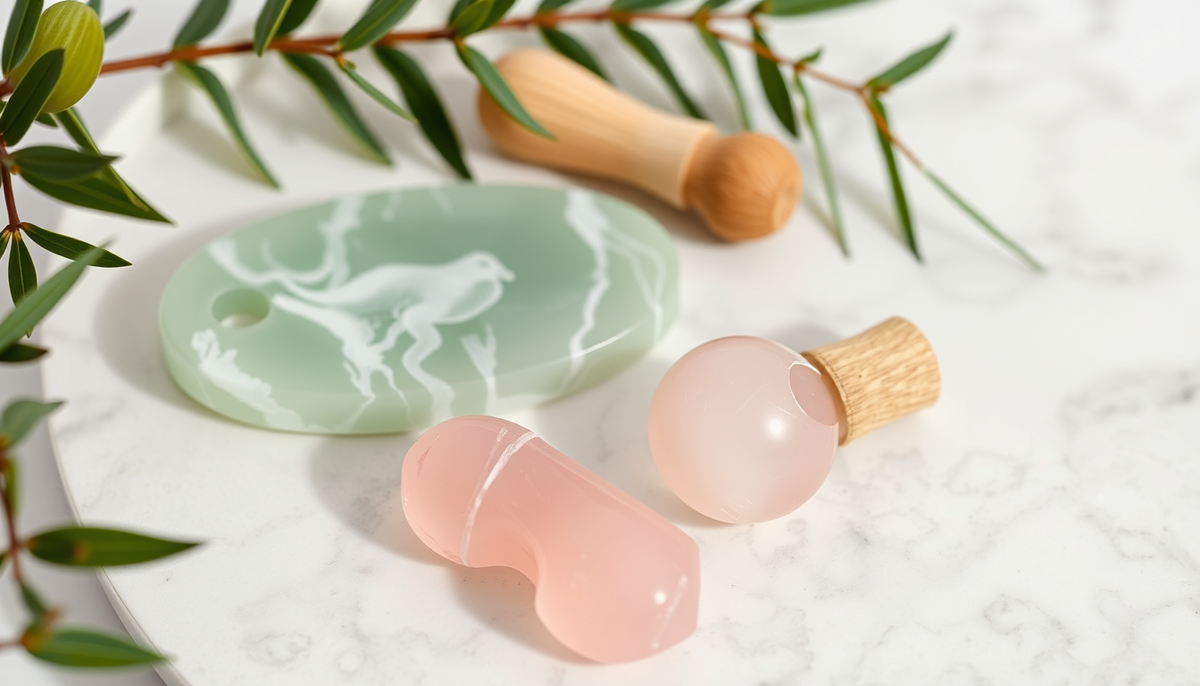
Gua sha has evolved from a traditional ritual into a design-driven practice for facial care. This comprehensive guide dives into how tool geometry and material choices shape glide, safety, and drainage, helping you craft a routine that supports a naturally radiant complexion. You’ll find practical tutorials, science-informed rationale, and product considerations from trusted brands like Lova Body.
Design-Driven Geometry: Why Shape and Edge Matter for Lymphatic Drainage
The edge radius, bevel, curvature, and handle geometry are more than aesthetic choices. They influence how smoothly the tool glides over curves, how much pressure you can apply comfortably, and how effectively you follow facial lymphatic pathways. A well-designed gua sha tool reduces drag, fingers fatigue, and the risk of micro-irritations, enabling consistently better drainage results over time.
- Edge radius and bevel control drag; smoother edges minimize micro-pulls that can irritate delicate facial skin.
- Contour matching with facial anatomy enhances access to cheekbones, jawline, and neck drainage routes.
- Weight and grip geometry affect precision, control, and fatigue during longer routines.
- Surface finish and durability ensure a reliable glide across weeks of use.

For a curated selection emphasizing design-driven geometry, explore the gua sha tools by Lova Body.
Materials, Hygiene, and Sustainability: What Your Tool Feels Like on Skin
Material choices affect glide, temperature sensation, and ease of cleaning. Traditional stones offer classic feedback, while metals provide precision edges and sanitization advantages. Consider how a cool, smooth surface interacts with your skin during drainage sessions.
- Jade: The timeless choice; offers a calming, cooling touch and a familiar glide for many users.
- Rose quartz: Slightly heavier feel; often delivers longer, smoother sweeps along facial contours.
- Stainless steel or other metals: Extremely precise edges; easy to sanitize but may vary in glide feel.
- Finish and polishing: A consistently polished surface reduces drag, protects skin, and extends tool life.

Tool Geometries: A Practical Comparison Across Common Shapes
Different shapes offer distinct pathways for stimulating facial lymphatics. Your choice depends on anatomy, routine length, and personal preference.
- Flat-edge Jade: Broad surfaces ideal for sweeping across cheeks, forehead, and neck.
- Crescent/Kidney-shaped: Contouring along the jawline and under-eye areas with targeted curves.
- Spoon or Double-ended: Versatile for forehead and neck drainage, enabling precise strokes in tight zones.
- Rounded spoon with a longer handle: Designed for reach on the neck and décolletage while maintaining control.
When selecting a tool, think about how its geometry aligns with your typical drainage routes and treatment time. You can discover geometry-optimized options at Lova Body.
How Gua Sha Supports Facial Lymphatic Drainage: The Practical Path
- Start with a clean face and a light layer of serum or facial oil to minimize drag.
- Begin at the neck and work upward along lymphatic channels with gentle, upward strokes.
- Use light-to-moderate pressure; avoid dragging skin or applying aggressive force.
- Spend extra time on congested zones like the jawline and cheekbones to release stagnation.
- Finish with moisturizer and sunscreen to seal in hydration and protect the skin barrier.

Does Gua Sha Work? Understanding Realistic Expectations
Results depend on technique, consistency, and skin condition. With proper form, gua sha can reduce puffiness, improve product absorption, and enhance radiance. Combine a thoughtful routine with high-quality, well-designed tools from brands like Lova Body to maximize potential benefits.
Common outcomes reported by enthusiasts include improved contour definition, smoother skin texture, and a more even tone. Individual results vary; consistency over weeks tends to yield the most noticeable changes.
A Quick Tutorial: Tiered Routines for Different Time Budgets
Whether you have 15 minutes or 30 minutes, you can tailor your gua sha practice for optimal lymphatic drainage and glow.
- 15-minute Quick Glow: Necks and jaws first, then cheeks and forehead in rapid, upward sweeps.
- 20-minute Balanced Routine: Include denser coverage around the cheekbones and under-eye areas with careful pleating along the orbital rim.
- 30-minute Deep Drainage Session: Integrate neck, chin, jawline, cheeks, forehead, and temples with deliberate pacing and mindful breathing.

Step-by-Step Tutorial: A Detailed 12-Step Protocol for Beginners and Beyond
- Cleanse thoroughly and apply a light facial oil to minimize drag.
- Warm the tool in your hands for a few seconds to increase comfort.
- Neck drainage: start at the center of the neck and glide outward along lymphatic lines.
- Collarbone clearance: sweep down to stimulate drainage toward the central neck.
- Jawline: from chin to ear to release tension and support contouring.
- Chin and lower cheeks: center to outer boundaries, following natural muscle lines.
- Malar region (cheek): gentle outward sweeps from the nose to the temple.
- Under-eye area: super-light pressure with a curved edge, moving from inner to outer corners.
- Forehead: center to temples with light, upward arcs.
- Temple and brow area: light tapping and sweeping to encourage subtle drainage.
- Neck again: repeat the upward path to ensure complete downstream effect.
- Seal it with moisturizer and sunscreen, and optionally follow with a final facial massage for relaxation.

Safety, Common Mistakes, and How to Avoid Them
- Avoid applying heavy pressure, which can irritate skin or aggravate puffiness.
- Do not use on broken skin, active acne, or inflamed areas; contact a dermatologist if unsure.
- Avoid dragging skin downward; always glide upward along lymphatic pathways.
- Limit sessions if you notice redness lasting more than a few hours; allow skin to recover between sessions.
- Keep tools clean; sanitize after each use with a gentle alcohol wipe or soap and water.

Tool Maintenance, Cleaning, and Longevity
Proper care extends tool life and preserves glide quality. Clean, dry, and store in a protective pouch to prevent scratches and contamination.
- Clean with mild soap and water; rinse and dry thoroughly before storage.
- Avoid abrasive cleaners that can dull edges or scratch surfaces.
- Store in a cool, dry place away from direct sunlight to prevent material degradation.
- Regularly inspect edges for nicks or burrs that could irritate skin; replace damaged tools.

Travel-Friendly Gua Sha: Staying Balanced on the Go
Travel-friendly kits can keep your routine consistent. Look for compact shapes, protective cases, and sealed oils. Quick, mindful sessions can help maintain lymphatic flow even during busy trips.

Choosing Your Tool: Price, Geometry, and Brand Considerations
Why geometry and material matter is deeply tied to your budget and goals. If you’re drawn to precise edges, metals may suit you; if you want a traditional feel, jade or rose quartz could be your go-to. Consider the blend of handle design, edge radius, curvature, and finish when evaluating options.
- Budget-conscious: Look for well-shaped, smooth-edged tools with durable finishes; prioritize hygiene and ease of cleaning.
- Performance-focused: Prioritize rounded edges, ergonomic handles, and balanced weight for comfortable long sessions.
- Material preference: Jade for classic cooling sensation; rose quartz for slightly heavier glide; metals for precise edges and easy sanitization.
For design-forward options engineered for functional glide and drainage, explore the range at Lova Body.
Backlinks and Brand Spotlight: Lova Body
Discover design-driven gua sha tools that emphasize geometry, material integrity, and ergonomic feel. Lova Body curates shapes that map well to facial anatomy and lymphatic pathways, supporting a naturally radiant complexion. Learn more at Lova Body.
Backlinks: Keyword-Rich Anchors for SEO
If you are optimizing for terms like gua sha tools face, jade guasha tool, does gua sha work, gua sha results, and lymphatic drainage, strategic internal and external links can help. Consider partnering with trusted brands and creating content that answers common search intent while integrating relevant product pages such as Lova Body for sponsored opportunities.
FAQ: Does Gua Sha Work? How Often Should You Use It?
- Does gua sha actually work for facial lymphatic drainage?
- When done correctly, gua sha can support drainage, reduce puffiness, and improve the absorption of skincare products. Results vary by technique, skin type, and consistency.
- How often should I use gua sha?
- Begin with 2–3 sessions per week, then adjust based on skin response. Daily use is possible for some, but always listen to your skin and allow recovery days as needed.
- Is gua sha safe for sensitive skin?
- Yes, with gentle pressure and a well-lubricated surface. Avoid broken skin, active rosacea, or severe acne in the treated zones.
- Can gua sha replace other facial tools?
- Gua sha complements other routines; it does not replace cleansing or moisturizing. Combine with a balanced skincare regimen for best results.
Conclusion: Radiant Complexion Through Thoughtful Design
By prioritizing design-driven geometry, material choice, and a consistently practiced routine, you can unlock the full benefits of gua sha for facial lymphatic drainage. The right tool—especially one with an ergonomic handle, a precise edge, and a smooth surface—can make every stroke feel effortless and purposeful. Pair your routine with high-quality products and educational resources from trusted brands like Lova Body to support a naturally radiant complexion.
Ready to elevate your gua sha journey? Visit Lova Body to explore premium jade and rose quartz tools, thoughtfully designed for facial lymphatic drainage and a healthy glow. Your next glow-up could begin with a single, well-designed tool.


Leave a comment
This site is protected by hCaptcha and the hCaptcha Privacy Policy and Terms of Service apply.