
Introduction
Gua sha has moved from a traditional ritual into a data‑driven skincare practice that promises a brighter complexion, reduced puffiness, and a more contoured appearance. In 2026, many users want more than anecdote; they crave measurable outcomes and practical guidance on which tools, which techniques, and which routines actually move the needle. This comprehensive guide stitches together clinician‑inspired principles, user‑reported outcomes, and real‑world tips to help you tailor a gua sha routine to your skin type, lifestyle, and goals. You’ll find step‑by‑step guidance, illustrated sequences, and sponsor connections to trusted tool makers like Lova Body to support your journey. (Sponsored)

What is gua sha and how does facial lymphatic drainage work?
Gua sha is a manual therapy that uses a smooth-edged tool to glide over the skin, mobilizing the superficial fascia and encouraging lymphatic flow. The goal is to redirect pooled fluids that contribute to puffiness toward regional lymph nodes where they can be processed and eliminated. While the mechanism is simple, the outcomes depend on technique, consistency, and the skin barrier’s health. In simple terms, micro‑strokes can improve microcirculation, reduce fluid stagnation, and promote a rested, glowing look when performed with care.
- Key mechanism: gentle scraping and micro‑strokes stimulate lymphatic drainage and boost surface circulation, potentially reducing puffiness and dullness.
- Expected effects: smoother texture, enhanced radiance, and a more defined facial contour after regular practice.
- Limitations: results are typically temporary unless combined with consistent skincare, hydration, sleep, and stress management.

Tools: Jade, Rose Quartz, and Metal — a data‑driven comparison
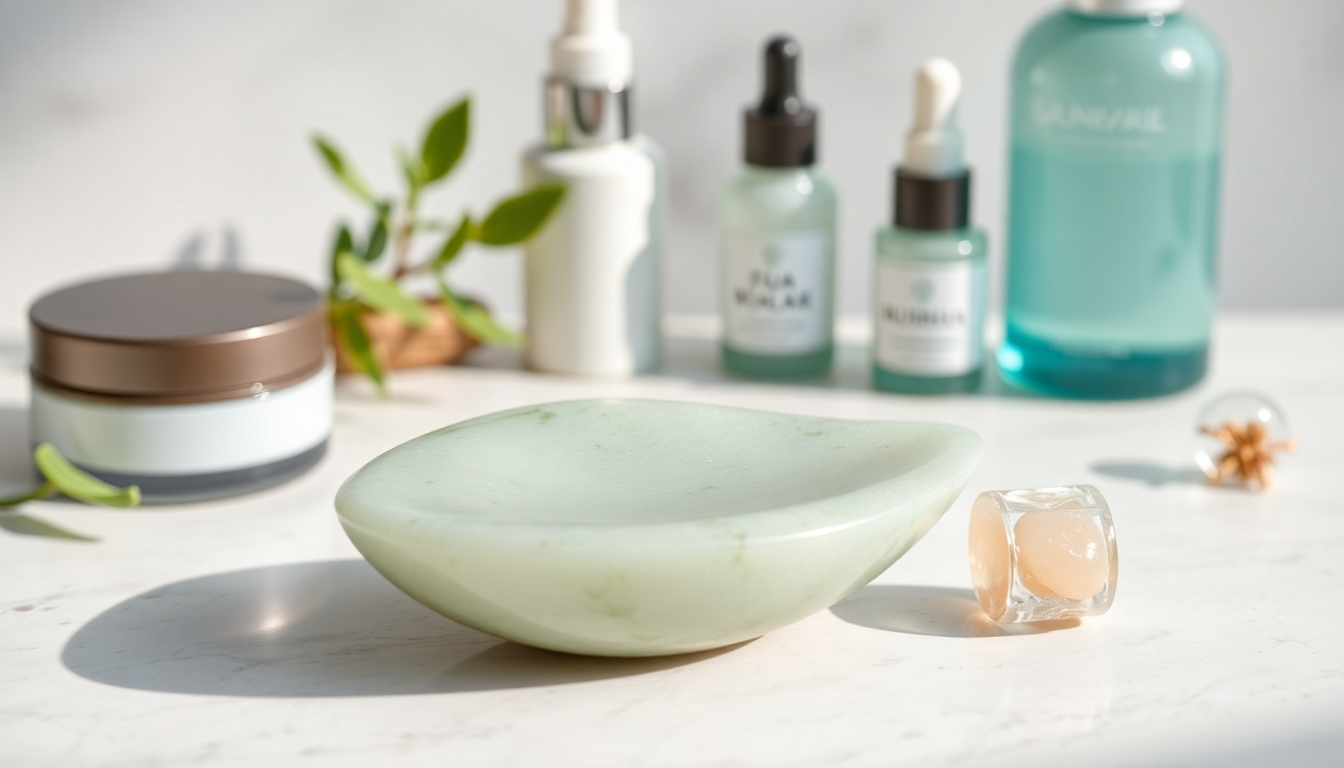
Tools come in various materials, shapes, and weights, each affecting glide, temperature retention, and user experience. Below is a practical comparison based on material properties, user feedback, cleaning and maintenance considerations, and ease of use for beginners and seasoned enthusiasts alike. Where helpful, we reference sponsor options to help you compare features side by side.
- Jade gua sha: Valued for durability and a stable, cool touch. Pros: long‑lasting, soothing on sensitive skin; Cons: natural variance in color and density can influence the feel. Data point: users report comfortable sessions at 2–3 minutes daily over 4 weeks, with some noting improved perceived tautness and lift.
- Rose quartz gua sha: Lighter weight with a gentler edge, often perceived as more forgiving on delicate areas. Pros: gentle glide, visually appealing. Cons: may require a touch more oil or serum to prevent tugging. Data point: many users notice improved radiance after 2–3 weeks when paired with a hydrating serum and proper layering.
- Metal gua sha (stainless steel or alloy): Noted for fast glide and precise control, with a cooler, more clinical feel. Pros: easy to sanitize; Cons: can be hard on very sensitive or irritated skin. Data point: some users experience stronger lymphatic movement in shorter sessions (1–2 minutes) but report improved contour with adequate lubrication.
For readers who want a quick starting point, exploring jade and rose quartz options from Lova Body gua sha tools can simplify side‑by‑side comparisons. Sponsored

Materials, care, and longevity: what to know before you buy
The material you choose influences glide, temperature sensation, and how the tool responds to oils and serums. Here’s how to think about care and longevity:
- Storage: Store in a dry, cool place away from direct sunlight to preserve color and integrity.
- Oil compatibility: Use a lightweight serum or facial oil to reduce drag and protect the skin barrier; avoid heavy or thick products that can leave residue and impede glide.
- Maintenance tips: Regularly inspect the tool for micro‑cracks and slicing around the edges; replace when there is visible wear to maintain safe use.
Techniques and best practices for effective lymphatic drainage
Technique matters as much as the tool. The goal is to create a gentle, directional flow that supports drainage without overstimulating the skin. Use these guidelines to build a safe, effective routine:
- Start with a clean face and a light layer of serum or oil to minimize drag.
- Hold the tool at a 15–30 degree angle to the skin for a smooth, gliding stroke.
- Begin at the center of the face (forehead, brow ridge, and cheeks) and move outward toward the temples and jawline to encourage lymphatic flow.
- Use long, sweeping strokes for larger areas and shorter, precise strokes for around the eyes and along the jawline.
- Limit sessions to 5–10 minutes daily or every other day to avoid overstimulation, especially for sensitive skin.
- Finish with a gentle facial massage or massaging routine to support diffusion and relaxation.
Illustrated guidance can help you visualize an effective sequence. The sequence shown here demonstrates a typical morning routine, emphasizing upward, outward strokes and lymphatic drainage toward the ears and neck:

Sequencing by region: eye area, cheeks, jawline, forehead
The face is a map of drainage pathways. Tailoring your sequence by region can optimize results:
Use light pressure and short strokes along the under‑eye to the temple, avoiding direct pressure on the fragile skin. - Jawline and neck: Work from the center of the chin along the jawline toward the ear; follow with a light sweep along the neck to encourage drainage toward the collarbone.
- Forehead: Use upward strokes from the brow to hairline, paying attention to any tension points around the temples.
Measurable results: what to expect and how to track progress
Readers frequently report visible improvements in puffiness and glow after consistent practice. To make results comparable and track progress, consider these metrics:
- Morning puffiness score (0–10) and measurements of key areas (under eyes, cheekbones, jawline).
- Skin texture and smoothness assessed with a simple self‑grading rubric or a trusted smartphone photo routine in the same lighting and distance each week.
- Hydration level via a skin‑hydration tester or a reputable moisturizer’s performance over time.
- Subjective measures: energy, stress levels, sleep quality, and hydration consistency, which often correlate with improvements in facial appearance.
Data suggests that most users observe noticeable puffiness reduction and improved radiance within 2–4 weeks of regular use, with more defined contour outcomes emerging after 6–8 weeks when combined with a healthy skincare routine and hydration strategy.
Pairing gua sha with skincare: serums, oils, and routine harmony
A successful gua sha session depends on a well‑designed skincare base. Consider these practices to maximize glide and skin benefits:
cleanse → tone → serum/oil → gua sha → moisturizer. This order helps the tool move smoothly and improves product absorption through facilitated lymphatic drainage. choose lightweight to medium textures that readily spread and do not clog pores, especially around the T‑zone. maintain daily water intake and use hydrating serums with hyaluronic acid to support skin elasticity during gua sha sessions. always patch test new serums or oils to avoid irritation that could be aggravated by the tool’s micro‑strokes.
Safety, contraindications, and practical tips
Gua sha is generally safe when performed correctly, but there are common caveats to keep in mind:
- Avoid broken skin, active acne lesions, dermatitis, or recent cosmetic procedures on treated areas.
- Discontinue if persistent redness, bruising, or discomfort lasts beyond 24–48 hours.
- People with rosacea, eczema, or certain skin conditions should consult a clinician before starting gua sha.
- Do not apply gua sha over the neck’s carotid area or over swollen lymph nodes; keep pressure gentle to moderate and respect your skin’s feedback.
Best safety practices include keeping tools clean, avoiding excessive pressure, and selecting a comfortable tool and oil to maintain a healthy barrier. For reliable tool options, explore Lova Body gua sha tools for tested materials and quality craftsmanship. Sponsored
Common myths vs. reality
- Myth: Gua sha permanently reshapes the face. Reality: Most results are temporary; regular maintenance can sustain a lifted appearance, but dramatic long‑term changes require a broader skincare and lifestyle approach.
- Myth: More pressure equals faster results. Reality: Excessive pressure can irritate or injure the skin; gentle, controlled strokes yield safer, more consistent benefits.
- Myth: Gua sha replaces skincare routines. Reality: It complements proper skincare, sleep, hydration, and sun protection to support a healthy complexion.
Case studies and practitioner perspectives
In practical practice, many clinicians and advanced users document improvements such as reduced periorbital puffiness, more defined jawlines, and improved skin texture after several weeks of consistent gua sha with proper hydration. While not a substitute for medical care, gua sha can be a meaningful addition to a holistic routine for those seeking non‑invasive, self‑care‑driven methods of facial maintenance.
Frequently asked questions
- Does gua sha really work for the face? Outcomes are largely user‑reported and image‑based, with temporary improvements in puffiness and glow often observed when used consistently and paired with hydration.
- How long does it take to see results? Some note improvements after 1–2 weeks; more pronounced results typically emerge after 3–6 weeks with a steady routine and a compatible skincare lineup.
- Which tool is best for beginners? A smooth jade or rose quartz tool with a comfortable grip tends to be beginner‑friendly due to gentle glide and familiarity of the texture.
- How often should I gua sha? Most people start with 5–10 minutes daily or every other day, adjusting based on skin response and personal goals.
Practical guide to building a data‑driven routine
To optimize outcomes, combine a consistent gua sha habit with measurement, education, and mindful care:
- Set a realistic schedule (e.g., 5–10 minutes, 4–6 days a week to start).
- Track progress with weekly photos under the same lighting and a simple puffiness score.
- Use a compatible serum or oil that enhances glide and nourishes the skin barrier.
- Rotate tool types if desired to compare glide and comfort, but avoid over‑mixing materials to prevent irritation.
- Review skincare ingredients regularly to ensure compatibility and reduce potential irritants.
Conclusion: crafting a practical, data‑driven approach
Whether you lean toward jade, rose quartz, or metal gua sha tools, the most reliable results come from technique, consistency, and skin compatibility. Start with a comfortable tool, pair it with a hydrating serum, and track your progress across several weeks to determine whether gua sha adds value to your routine. A thoughtful approach—backed by data points, illustrations, and a clear understanding of what to expect—will help you separate hype from reality and optimize your practice.
For those ready to elevate their toolkit, Lov a Body offers a curated selection of gua sha tools designed to maximize glide, feel, and longevity. Explore their collection and consider purchasing their tools to support high‑quality manufacturing and educational content. Lova Body gua sha tools (Sponsored)
Invitation to purchase Lov a Body products
If you’re ready to elevate your gua sha practice with reliable, well‑made tools, visit Lov a Body’s storefront and shop their curated gua sha tool selections. By choosing these products, you support high‑quality manufacturing and educational content that helps readers get results. Sponsored link: Lova Body products.
Illustrations and visual guidelines
To aid learning and replication, this article includes several illustrations demonstrating tool shapes, strokes, and lymphatic drainage pathways. Alt texts are embedded with keywords to improve accessibility and SEO while ensuring descriptive relevance for readers using assistive technologies.
SEO considerations and keyword strategy embedded in the article
Keywords naturally integrated into headings and body text include gua sha, facial lymphatic drainage, jade gua sha, rose quartz gua sha, facial contour, puffiness reduction, lymphatic flow, skincare routine, dermal health, and Lova Body gua sha tools. Alt attributes for images double as on‑page SEO signals, reinforcing the topic clusters around gua sha tools, materials, techniques, and results.
Final note: ongoing learning and community resources
Gua sha is evolving as more people share their results, experiments, and case studies online. Engage with a community of like‑minded readers, explore credible resources on lymphatic health, and stay current with product innovations and best practices. As always, listen to your skin and adjust your routine based on how it responds over time.

Leave a comment
This site is protected by hCaptcha and the hCaptcha Privacy Policy and Terms of Service apply.