

Gua sha for facial lymphatic drainage has moved from spa-only rituals to a practical, science-informed skincare practice. This comprehensive, long-form guide dives into tool design, material properties, and technique across jade, quartz, and ceramic gua sha blades. The goal is to help you choose the right tool for your skin goals, perform effective sessions with proper technique, and achieve radiant, refreshed-looking skin backed by current evidence and experienced practice.
What is facial lymphatic drainage and how gua sha helps?
Facial lymphatic drainage refers to the movement of lymphatic fluid away from the face through a network of vessels. Gentle gua sha strokes with a smooth tool can stimulate superficial microcirculation and encourage the movement of interstitial fluid and lymph. This can temporarily reduce facial puffiness, support a more lifted appearance, and improve skin texture when paired with a clean routine and proper technique. Always use a light touch and a hydrating oil or serum to minimize drag and protect the skin’s barrier.

The science: evidence, limits, and what to expect
Research on gua sha focuses on microcirculation, lymphatic flow, and transient changes in skin appearance. Small studies and clinical observations have reported temporary increases in facial blood flow and lymphatic movement after gua sha sessions. Effects vary by individual, tool material, surface area treated, and pressure. While not a replacement for medical care, gua sha can be a safe adjunct to skincare when performed with consistent technique and proper aftercare. Real-world results hinge on regular practice, gentle pressure, and selecting the tool that best suits your skin and routine.
Material properties matter: Jade, Quartz, and Ceramic
Material choice influences glide, temperature sensation, weight, and maintenance. Below is a breakdown of how each material can impact your experience and outcomes:
Jade gua sha
- Pros: Traditionally valued for a smooth glide, natural cooling effect after a brief chill, and a classic aesthetic that many find soothing.
- Cons: Jade density and thickness can vary, influencing instrument weight and pressure perception. Availability and price vary by source.
- Best for: Sensitive or delicate skin, individuals who enjoy a traditional ritual, and those who prefer a slightly cooler tool that clings gently to the skin.

Quartz gua sha
- Pros: Quartz is typically highly polished for an exceptionally smooth glide with minimal drag. Its translucent, modern look appeals to many users.
- Cons: Density and finish can vary by manufacturer; some users notice a slight warmth due to skin contact, which some find comforting.
- Best for: Efficient, faster strokes and a contemporary aesthetic that pairs well with serums and oils for a quick session.

Ceramic gua sha
- Pros: Ceramics generally offer an ultra-smooth surface with minimal drag and straightforward cleaning; forgiving for beginners.
- Cons: Ceramic can be more brittle if dropped; weight distribution varies by design.
- Best for: Beginners and those who want consistent glide with easy maintenance and durability when used properly.

Tool shapes, edge profiles, and ergonomics
Beyond material, the shape and edge profile influence how you navigate contours, pressure, and coverage. Common designs include straight edges for broad strokes and curved edges for cheek and jawline sculpting. Ergonomic handles improve control during longer sessions. When selecting a tool, consider how comfortable the weight and grip feel in your hand, and whether the contour aligns with your facial anatomy.

Technique and best practices for radiant results
Regardless of material, technique matters most. Use a light-to-moderate pressure and glide along lymphatic pathways to encourage drainage without irritating the skin. The goal is a gentle flush of color and a sense of warmth, not deep friction.
- Start with a clean face and hands. Apply a hydrating facial oil or serum to reduce drag and protect the barrier.
- Use light to moderate pressure. The aim is a gentle blush or warmth rather than an intense scrape.
- Move in upward and outward motions from the center of the face toward the ears, then down the neck along lymphatic drainage lines.
- Limit each area to 3–5 strokes to prevent over-stimulation and irritation.
- Finish with daytime sunscreen and a soothing moisturizer to seal hydration.
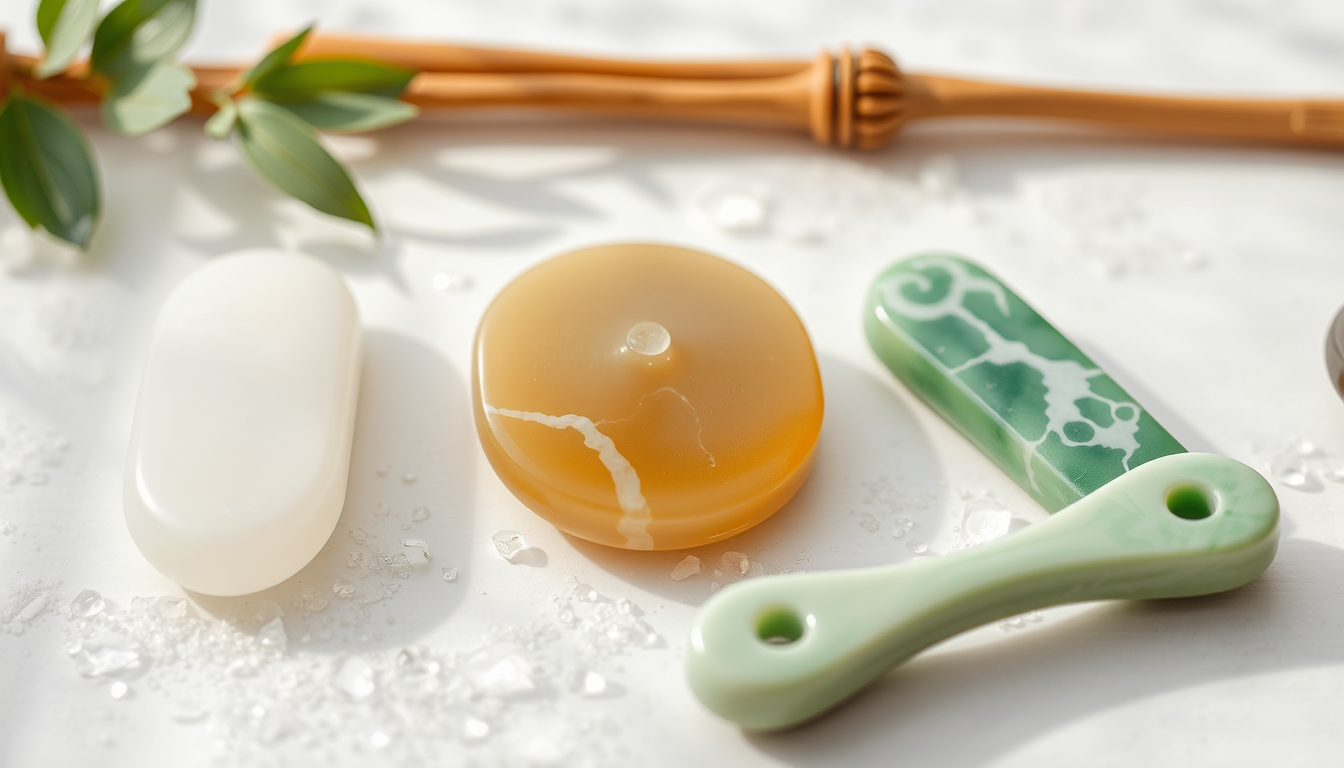
Visual guides can help you master technique. The following illustration demonstrates a typical routine with different tool materials to show glide and pressure. 
Choosing the right tool for your routine
Your choice should reflect skin type, budget, and personal preference. Quick guidance:
Jade often provides a gentler feel and a natural cooling effect. Quartz offers a very smooth glide and can feel luxurious to use with serums. Ceramic is straightforward to clean and forgiving for new users.

Care, maintenance, and longevity
Proper care extends tool life and preserves a hygienic experience. Follow these steps after every session:
- Wash with mild soap and warm water; dry thoroughly.
- Avoid dropping tools—especially ceramic pieces—to prevent cracks.
- Store in a clean, dry place away from direct sunlight and moisture.
- Inspect edges regularly and, if needed, smooth rough areas or replace the tool to protect the skin.
Safety, etiquette, and common pitfalls
Gua sha is generally safe for healthy skin, but mindful use is essential. Avoid applying excessive pressure, especially on thin skin around the eyes. Do not use gua sha on broken skin, active breakouts, or inflamed conditions. If redness, irritation, or pain persists, discontinue use and consult a dermatologist.
Frequently asked questions
- Does gua sha work? Many users report smoother texture and a temporary glow, particularly with consistent technique and proper skincare support. Results vary by individual.
- How often should I use gua sha? Start with 2–4 sessions per week and adjust based on how your skin responds and your goals.
- Can gua sha be used on all skin types? Yes, with appropriate pressure and a compatible facial oil or serum to minimize drag.
- Is gua sha safe during pregnancy? Consult with a healthcare provider if you have concerns about pressure or product compatibility.
Illustrating the practice: visuals you can use
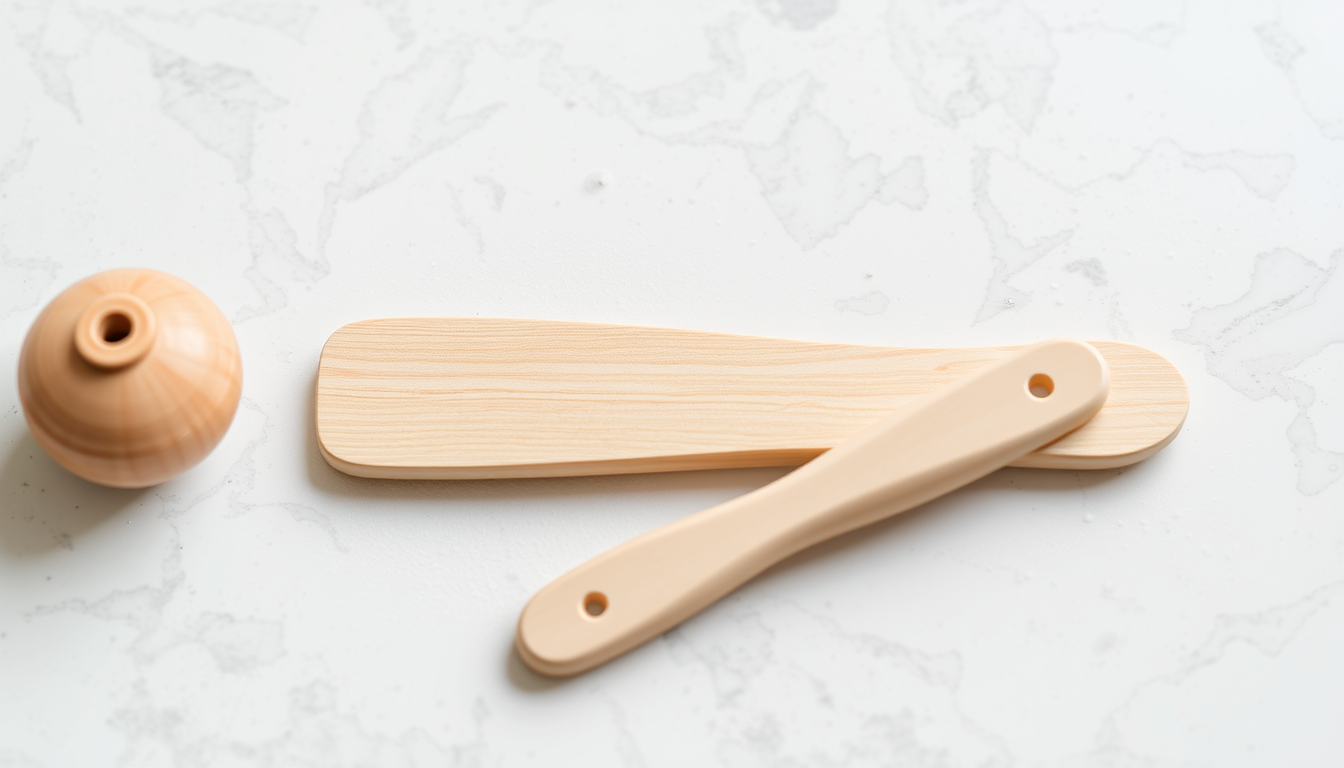
High-quality visuals help you learn the technique and compare tool surfaces. The following visuals are examples that can guide your practice while you explore jade, quartz, and ceramic options. 
Putting it into practice: sample routines for different goals
Below are two example routines you can adapt. Each routine emphasizes gentle, measurable outcomes—lift, glow, and rejuvenation—without harsh pressure.
Cleanser → oil/serum → jade gua sha (center of face to ears) → neck. Finish with moisturizer and SPF. Oil/serum → quartz gua sha (cheeks, jawline, under-eye area with extreme caution) → neck. Finish with sunscreen or moisturizer.
Decision guide: which tool should you start with?
Think about your skin type, sensitivity, and how much maintenance you want. If you’re new, ceramic offers a forgiving, easy-to-use option with predictable glide. If you value a modern aesthetic and ultra-smooth glide, quartz is a strong fit. If you prefer a traditional, cooling feel and a time-tested look, jade is a beautiful choice.
Maintenance and longevity: clean, protect, and refresh
Keep your tool pristine to ensure safety and performance. Clean after each use, dry thoroughly, and store away from moisture. Periodically inspect for chips or rough edges and consider refinishing if needed. A damp cloth with a gentle cleanser can help maintain surface smoothness and prevent residue buildup.
Backlinks and shopping invitation
For readers seeking curated, premium gua sha tools designed for excellent glide and durable finishes, explore options from Lova Body. Their jade, quartz, and ceramic sets are crafted for consistent performance and easy maintenance. Gua sha tools from Lova Body offer a range of jade, quartz, and ceramic options that align with different routines and preferences. You can also learn more about integrating a high-quality tool into your skincare regimen by visiting Lova Body.
Conclusion: radiance through science-backed practice
Gua sha remains a compelling practice for facial lymphatic drainage when used with the right tool, technique, and skincare support. The science points to potential benefits in improved circulation and lymph movement, while real-world results depend on consistency and how well the tool matches your skin type. By understanding the material properties of jade, quartz, and ceramic—and pairing your pick with proper technique—you can unlock a visible radiance that’s supported by gentle, evidence-informed care.
Ready to elevate your routine? Explore premium gua sha tools and accessories from Lova Body to find a jade, quartz, or ceramic option that resonates with your skin, budget, and aesthetic. By choosing the right tool and applying thoughtful technique, you can support facial lymphatic drainage and achieve a refreshed, luminous complexion. Visit lov a-body to learn more and consider placing an order today. For convenience, you can also explore additional content and product guides at Lova Body.

Leave a comment
This site is protected by hCaptcha and the hCaptcha Privacy Policy and Terms of Service apply.