
Gua sha has moved from a traditional practice into a widely used facial technique, celebrated for potential lymphatic drainage, improved circulation, and a refreshed complexion. This comprehensive guide combines current evidence, practical tool selection advice, and safe stroke practices to help readers use gua sha effectively while managing expectations and skin health. Remember, gua sha is an adjunct to, not a substitute for, medical care or proven skincare actives.

Facial lymphatic health: why it matters
The facial lymphatic system helps remove waste products and excess fluid from the skin and underlying tissues. When lymph flow is sluggish, puffiness can increase, circulation may feel dull, and the skin may look less radiant. Gentle gua sha techniques aim to stimulate lymphatic drainage and microcirculation without excessive friction or pressure. For many users, this can translate to a more rested appearance and a smoother skin texture, particularly when paired with hydration, sleep, and a consistent skincare routine.
Note that the facial lymphatic system is delicate and varies from person to person. The goal is to support natural drainage, not to force it. If you have active infections, inflammation, or facial conditions that affect the skin, consult a clinician before use.
Evidence-based lens: what research tells us
Research on gua sha for the face is growing but still limited in scale. Some small studies and clinical observations report reduced facial edema, improved skin texture, and a more relaxed appearance after routine use. Mechanistically, light friction may enhance microcirculation and stimulate lymphatic flow. However, results are individual, and rigorous randomized trials are still needed to confirm long-term benefits and to establish standardized protocols. Practitioners emphasize gentle technique, compatible skincare, and avoiding aggressive pressure.
Approach gua sha with a critical, patient mindset: use a gentle touch, monitor skin response, and adapt pace and pressure to your comfort level. If you notice redness that lasts beyond a few minutes, reduce pressure or frequency and reassess technique.
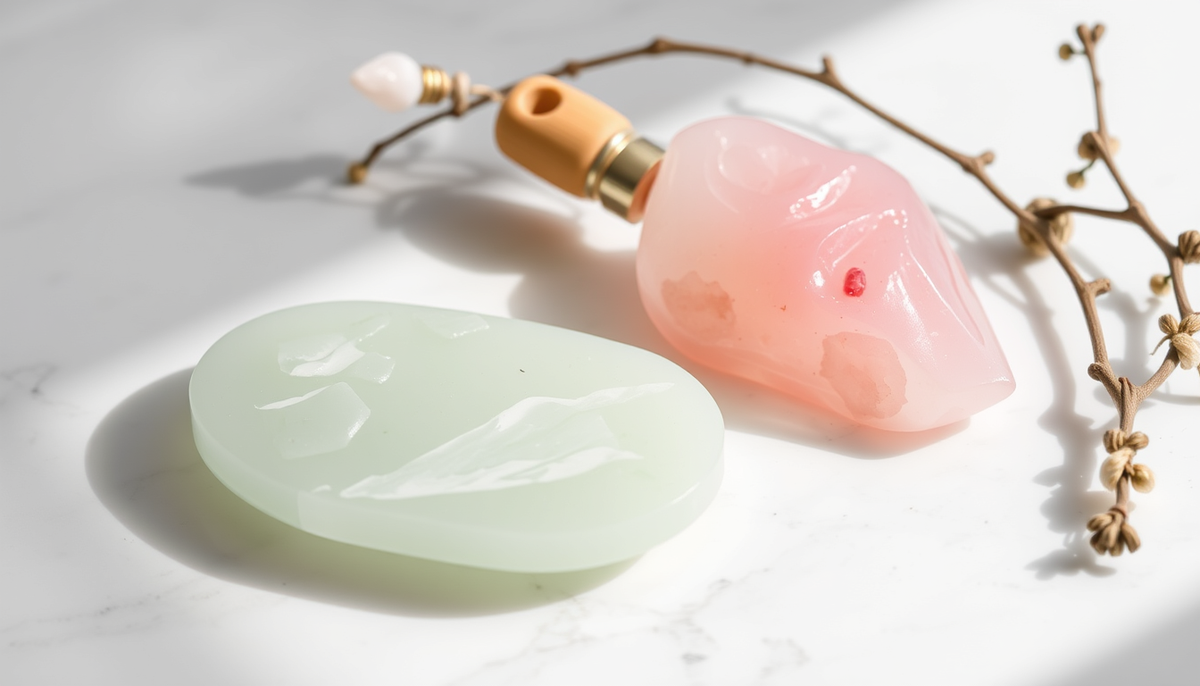
Tool choice: Jade, rose quartz, metal, and more
Tools come in various materials and shapes that influence glide, weight, and user comfort. Common options include jade and rose quartz stones, silicone variants, and stainless steel or brass tools. Consider these factors when choosing your tool:
- Material: Jade and rose quartz are popular for their smooth feel and natural cooling properties. Glassy, polished surfaces tend to glide easily; gel-coated or silicone tools may offer different drag levels.
- Density and weight: Heavier metals may feel more controlled for some users but require gentler oiling to avoid tugging. Stones with surface micro-roughness can influence drag and sensation.
- Edge shape: Rounded edges are beginner-friendly and comfortable for broad strokes; pointed edges can be used for targeted pressure around jawlines or along knotted areas, but require precision.
- Size: A medium-sized tool typically fits the hand well and covers large facial areas efficiently. Smaller tools excel for near-eye zones or around the nose.
- Surface integrity: Inspect for cracks, chips, or rough patches; a smooth, intact surface is essential to avoid skin irritation.
For many readers, a jade tool with a broad, rounded edge serves as a reliable all-around option. Some prefer rose quartz for the aesthetic and personal preference. If you are shopping, look for reputable brands with clear material sourcing, quality finishes, and good customer reviews. Lova Body gua sha tools offer options designed with facial ergonomics in mind. Sponsored link: consider exploring their range to find a tool that fits your hand and skin needs.

Safe stroke practices: a mindful routine for beginners
Establishing a safe, consistent routine is key. The goal is a light touch that supports lymphatic drainage without causing irritation. The following guidelines build a foundation you can adapt over time:
- Prep with a clean, hydrated face and a light facial oil or moisturizer to reduce drag and protect the skin.
- Use very gentle pressure; you should feel a mild sensation, not pain or pinching.
- Begin at the center of the face and move outward along natural drainage lines toward the ears.
- Stroke directions: from the center of the face outward toward the temples and ears; avoid pressing directly on the neck arteries or over inflamed areas.
- Apply 3 to 5 slow, deliberate strokes per area, pausing briefly to assess skin response and comfort.
- Finish with a light lymphatic sweep toward the collarbone to help promote drainage.
Consistency matters. A short daily or every-other-day routine can yield more noticeable results over time than a single long session. If you have skin sensitivities, eczema, rosacea, or recent cosmetic procedures, start with very light pressure and reduce frequency as needed.
Stroke library: technique by facial zone
Breaking the practice into zones helps with consistency and safety. Use a single tool and maintain a light touch while you learn the pathways of lymphatic drainage on your own face.
Forehead and brow area
- Place the tool at the center of the forehead, just above the eyebrows.
- Draw gentle sweeps outward toward the temples, applying minimal pressure.
- Repeat along the brow bone and at each temple for a calming effect and to ease tension.
Cheeks and midface
- Start at the center of the cheek near the nose.
- Glide toward the outer cheekbone and temple, following a diagonal outward path.
- Move along the cheekbone toward the ear; repeat on each side.
Under-eye and tear trough
- Use the gentlest edge or a smaller tool size.
- From the inner corner, glide outward along the orbital rim and toward the temple—do not apply pressure directly on the eyeball or delicate under-eye tissue.
- Limit to a few light passes; stop if you notice irritation.
Jawline, chin, and neck
- Begin at the center of the chin and sweep along the jawline toward the earlobe.
- Continue down the neck in upward strokes toward the collarbone to support drainage from the lower face.
- Avoid excessive pressure on the front of the neck where sensitive structures lie.
Integrating gua sha with your skincare routine
Gua sha works best when layered with a clean skincare regimen. Here are practical integration tips:
- Prep skin with a gentle cleanser and a lightweight moisturizer or facial oil to ensure smooth glide.
- Apply serums or actives after the gua sha session, as needed, allowing your skin to absorb additional nourishment post-treatment.
- Always finish with broad-spectrum sunscreen in the daytime to protect the skin when you step into sunlight after a routine.
Some users enjoy pairing gua sha with soothing botanical oils, hyaluronic acid serums, or barrier-repair creams. Monitor your skin’s response, especially if you have sensitive or reactive skin. If you notice persistent redness, irritation, or breakouts, reassess the product combination and technique.
Tool hygiene, maintenance, and longevity
Sanitation is essential for any facial tool. Here are practical best practices:
- Clean your tool after each use with mild soap and warm water; dry thoroughly to prevent moisture retention.
- Avoid sharing tools to minimize cross-contamination; if sharing, disinfect between users.
- Inspect regularly for cracks or chips; replace damaged tools to avoid skin injury.
- Store in a clean, dry place away from direct sunlight to preserve material integrity.
What to realistically expect: results and timelines
Gua sha is best viewed as a supplementary practice. With regular, gentle use, you may notice a less puffy appearance, improved cheek contour, and a more even skin tone. Some users report a more rested look after several weeks, while others notice more immediate changes in the form of temporary glow or a refreshed complexion after a single session. Hydration, sleep quality, diet, and sun protection significantly influence outcomes.
It is important to set realistic expectations: gua sha does not replace medical treatment or prescribed skincare regimens. If you have persistent swelling, severe acne, or skin concerns, consult a dermatologist or licensed clinician for personalized guidance.
Myths vs facts: common misconceptions addressed
- Myth: Gua sha can permanently reshape the face. Fact: Any changes seen are typically temporary and related to fluid distribution and skin surface appearance.
- Myth: You must press hard to see benefits. Fact: Light, consistent strokes are safer and often more effective for lymphatic support.
- Myth: Gua sha is only for people with certain skin types. Fact: Most adults can use gua sha with proper technique and adaptation to skin sensitivity.
Ethics, sponsorship, and transparency
Some links within this article may be affiliate or sponsor links to support content creation. When a link is labelled as sponsor, it means the publisher receives support for directing you to a product or service. This helps sustain high-quality, evidence-informed content while offering practical options for readers.

Backlinks and product recommendations: choosing tools from reputable sources
When selecting a gua sha tool, prioritise smooth edges, intact surfaces, and a size that fits your hand. Jade often offers dependable glide; others prefer rose quartz for aesthetic or personal preference. If you want a curated option with quality materials and thoughtful design, consider products from Lova Body, known for facial gua sha tools and skincare accessories. Lova Body gua sha tools offer a range that many readers find aligns with a gentle, evidence-inspired approach to facial lymphatic care.
Throughout this article you may encounter other product recommendations. For sponsorship transparency, some links are affiliate or sponsor links. This helps support the creation of evidence-based content while offering you practical buying options.
Starter routine: a week-by-week plan you can try
- Day 1-2: Establish a comfortable routine with a medium-sized tool and mild pressure. Practice the basic center-to-perimeter sweeps on the forehead, cheeks, and jawline.
- Day 3-4: Introduce neck strokes and the collarbone drainage sweep. Adjust pressure to feel gentle, not forceful.
- Day 5-7: Combine all zones into a 5–7 minute session, focusing on smooth, deliberate motions and consistent breath. Observe how your skin responds.
FAQ: quick answers to common questions
- Is gua sha safe during pregnancy?
- Most practitioners recommend consulting your healthcare provider before starting any new facial technique during pregnancy. Use extra caution and avoid deep or aggressive strokes around delicate areas.
- Can gua sha replace a facial massage?
- Gua sha can complement facial massage but typically does not replace the full benefits of a licensed facial treatment.
- How often should I use gua sha?
- Many people start with 2–4 sessions per week, then adjust to 1–3 times per week based on skin response and personal preference.
Conclusion: a practical, evidence-informed approach to radiant skin
Gua sha can be a valuable addition to facial lymphatic health when used with care, patience, and a thoughtful routine. By selecting an appropriate tool, practicing safe strokes, and aligning the practice with a robust skincare regimen and sun protection, you can enjoy a refreshed appearance and a sense of well-being. As with any skincare technique, consistency and listening to your skin are key.
Ready to explore tools that align with your hand and skin needs? Consider the options from Lova Body and explore their gua sha tools and skincare accessories at Lova Body. Supporting products with sponsorship helps sustain high-quality, evidence-informed content while giving you practical options to try.

Leave a comment
This site is protected by hCaptcha and the hCaptcha Privacy Policy and Terms of Service apply.