
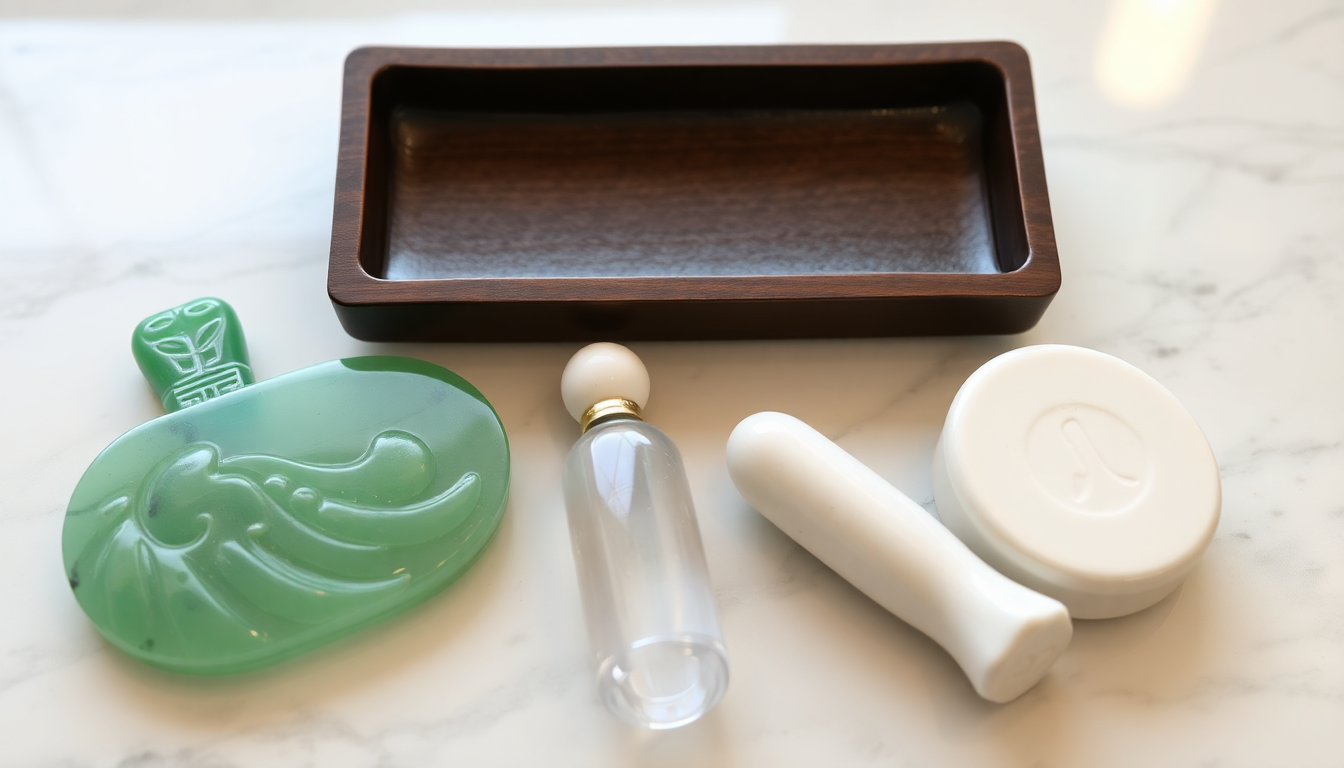
Gua sha has surged in popularity as a gentle, science-informed approach to facial lymphatic drainage and a radiant complexion. If you’re curious about how to use jade, quartz, or ceramic gua sha tools to support detoxification and skin tone, you’re in the right place. This comprehensive guide expands on tool choices, a safe, detailed routine, troubleshooting, and optimization tips to maximize results while protecting your skin’s barrier.
What is Gua Sha and why lymphatic drainage matters
Gua sha is a traditional skincare technique that involves gliding a smooth-edged tool over the skin to stimulate microcirculation and lymphatic flow. The goal is to encourage lymphatic drainage, reduce facial puffiness, and support waste removal from the tissue. When used consistently and correctly, gua sha can help improve skin texture, enhance product absorption, and impart a more lifted, healthy appearance. Remember: gua sha is a skincare practice and not a medical treatment. Individual results vary and should complement a holistic skincare routine.
Choosing your tools: Jade, Quartz, and Ceramic
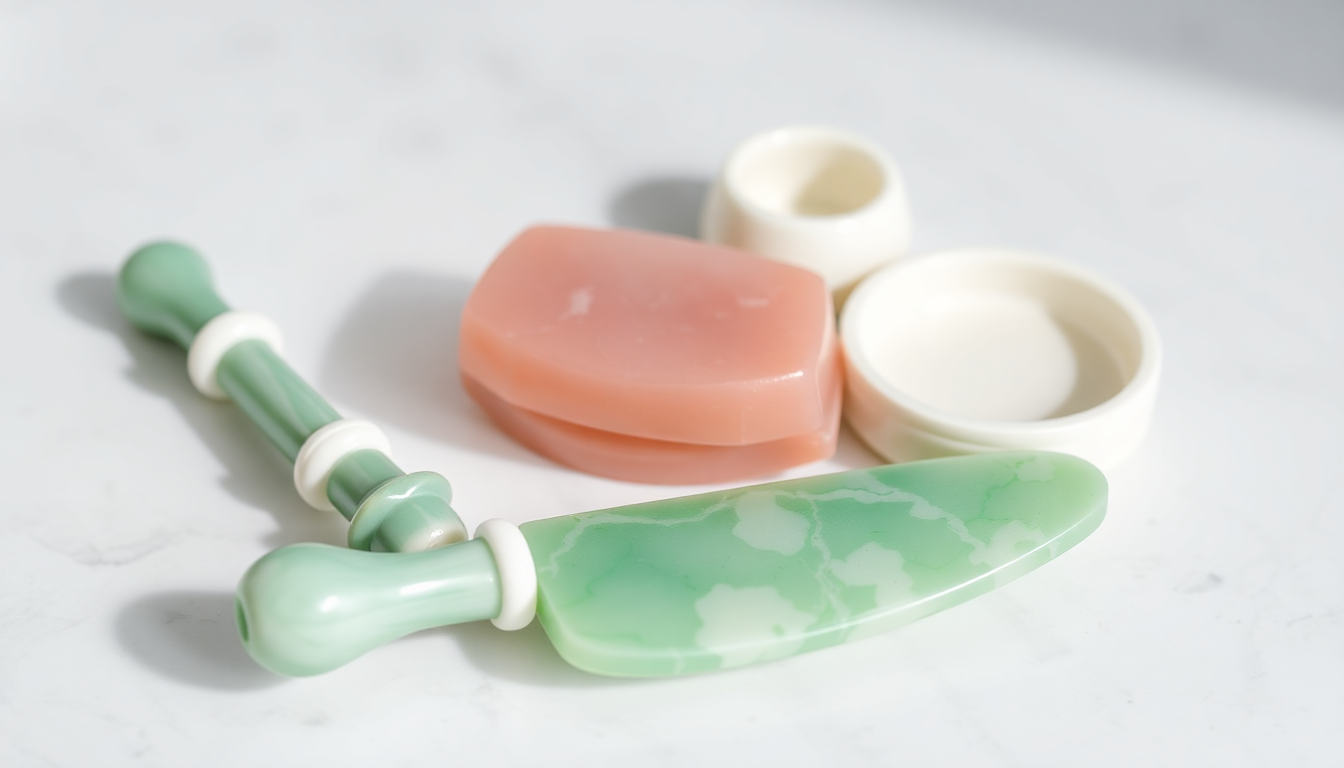
Tools come in three popular materials, each with its own feel and benefits. Below are thorough notes to help you decide which might suit your skin type, sensitivity, and budget. For SEO, common keywords include jade gua sha tool, quartz gua sha tool, and ceramic gua sha tool.
-
Jade Gua Sha Tool — Traditionally believed to calm the skin and promote a cooling sensation. Jade is a classic choice for beginners due to its forgiving glide and soothing properties.

-
Quartz Gua Sha Tool — Crystal-like energy with a slightly firmer surface provides a more pronounced glide. Ideal for those who prefer a bit more pressure for sculpting and contouring.

-
Ceramic Gua Sha Tool — An affordable option with a smooth finish and lightweight feel. Ceramic is a versatile entry point or travel-friendly choice for skincare lovers.

Getting started: a detailed lymphatic-friendly routine
Follow this extended routine to incorporate gua sha into your daily or regular skincare practice. Use a light-to-moderate touch and work with the body’s natural lymphatic pathways rather than against them.
- Prep the skin — Start with a clean face. Apply a thin layer of facial oil or serum to reduce friction and protect the skin during the strokes.
- Neck and décolletage first — Begin at the center of the neck and move outward toward the collarbone to support lymph drainage from the face and neck area.
- Center face drainage — Sweep from the center of the neck up toward the jaw and cheek area, promoting drainage toward the ear and temple.
- Jawline and cheek contouring — Guide the tool from the center of the jawline toward the ear in short, gentle strokes. Then sweep upward along the cheekbones to lift the midface.
- Under-eye and orbital region — Use very light pressure. From the inner corner of the eye, sweep outward toward the temple to encourage drainage without stressing the delicate skin.
- Forehead flow — From the center of the forehead, glide outward to the temples and then gently upward to the hairline to reduce tension and puffiness.
- Temple finish — Use small circular or straight strokes along the temples to ease tension. End with a few light passes on the neck to complete drainage.
- Jawline sculpting and contour — Return to the jawline and perform a few additional passes to refine the contour and encourage drainage toward the lymph nodes near the ears.
- Chin and nasal areas — Lightly glide from the center of the chin outward along the jaw and toward the ear to address congestion and buildup in the lower face.
- Timed sessions — Aim for 5–10 minutes for a quick routine or 15–20 minutes for a more thorough session, depending on your time and comfort level.
- Shaping and polishing — Repeat each area 3–5 passes, adjusting pressure as needed. Avoid overworking any patch of skin and always follow lymphatic directions (center to outer) to prevent drag or irritation.
- Post-care — After finishing the routine, apply your usual moisturizer or sunscreen to lock in hydration and protect your skin barrier.
Illustration sequence: for visual guidance, imagine two common flows — center-to-outer toward the ears and jawline-to-ear for drainage. To explore variations and see the tools in action, visit Lov a Body’s collection of gua sha tools.
Tips for different skin types and concerns
- Sensitive or reactive skin — Choose jade or a softer edge with a light touch. Prehydrate with a hydrating serum to minimize friction.
- Dry or dehydrated skin — Use a richer facial oil and consider longer, smoother strokes to promote lymphatic flow without tugging on the skin.
- Oily or combination skin — Focus on T-zone relaxation and gentle contouring to help balance the complexion and reduce puffiness after long days.
- Post-inflammatory hyperpigmentation or redness — Consistent, gentle use with cold tools (refrigerated for a few minutes) can help calm the skin and reduce peri-ocular swelling.
Safety, contraindications, and common mistakes
While gua sha is generally safe for most healthy individuals, consider the following to minimize risk:
- Avoid gua sha if you have active skin infections, wounds, eczema flares, rosacea with visible breakouts, or recent facial surgery unless cleared by a clinician.
- Do not apply heavy pressure; gua sha should be comfortable, not painful. Stop if you experience persistent redness or irritation.
- Sanitize tools before and after each use to prevent bacterial transfer. Clean with mild soap and water and dry completely.
- Use only clean, non-irritating products as your glide medium to protect the skin barrier.
- Avoid repeated downward pulling on the skin; direct the strokes along the natural drainage pathways (from center to outside).
Advanced techniques and routine variations
Beyond the basic routine, you can tailor gua sha for specific goals:
- Morning awakeners — A brisk, light-pass routine focusing on the jawline, cheek contour, and orbital area to reduce morning puffiness.
- Evening detox boost — Longer sessions with slightly deeper pressure (within comfort) to promote overnight drainage and recovery.
- Contour-focused sessions — Target the cheekbones, midface, and temples to enhance the appearance of lift and definition.
- Body gua sha extensions — Use gentler, broader strokes on the neck, décolletage, shoulders, and décolletage to support lymph drainage on larger areas.
Maintenance, sanitation, and longevity
Keep your gua sha tools in pristine condition to ensure performance and safety:
- Rinse tools with warm water and mild soap after use; dry thoroughly to prevent water spots and bacteria growth.
- Avoid sharing tools to prevent cross-contamination.
- Store in a clean, dry place; consider a protective pouch to prevent chips or cracks.
- Regularly inspect for cracks or rough edges. If the surface becomes jagged, replace the tool to avoid skin injury.
Frequently asked questions
Does gua sha really work for lymphatic drainage?
Most skincare professionals agree that gua sha can support circulation and lymphatic drainage, potentially reducing puffiness and promoting a more even complexion. It works best as part of a broader skincare routine and lifestyle habits, not as a standalone treatment.
How often should I use gua sha?
Begin with 3–4 sessions per week. If your skin tolerates it well, you can move to daily sessions or adapt to a few times per week based on your schedule and skin’s response.
Can I use gua sha on the body as well?
Yes. You can apply gua sha to the neck, décolletage, shoulders, and other areas to support lymphatic drainage. Use lighter pressure on larger body surfaces and adjust to comfort.
What about tool material choices for sensitive skin?
Jade is often preferred for sensitive or reactive skin due to its cool feel and forgiving glide. Quartz offers a firmer surface for more defined strokes, while ceramic is lightweight and budget-friendly.
Backlinks and where to shop
For premium gua sha tools designed for safe, effective use, consider exploring high-quality options from Lov a Body. These backlinks serve as strategic references to trusted sources in the skincare community:
Incorporating these tools into your skincare routine can elevate your practice and support a refreshed, glowing complexion. If you’re ready to upgrade your gua sha ritual, visit Lov a Body to explore their curated range of facial and body tools crafted to support healthy lymphatic drainage and radiant skin.
Shop Lov a Body and upgrade your ritual
Ready to level up your gua sha routine with trusted tools? Visit Lov a Body to discover their Jade, Quartz, and Ceramic gua sha options and other skincare essentials. Shop Lov a Body now and bring home tools designed to support your gentle, lymphatic-focused facial routine.

Leave a comment
This site is protected by hCaptcha and the hCaptcha Privacy Policy and Terms of Service apply.