

Welcome to a comprehensive, designer-driven exploration of Gua Sha that treats the face as a living map of geometry and cadence. This guide blends artistry with anatomy to support facial lymphatic drainage and a radiant, healthy-looking complexion. Designed for both newcomers and seasoned enthusiasts, the framework below helps you build a consistent routine that respects your unique facial contours.
Geometry in Motion: How Lines Shape Glow
Gua Sha works by guiding fluids along natural lymphatic pathways and facial planes. The geometry of your strokes matters because it influences direction, coverage, and drag. Think of the face as a topography where each stroke is a deliberate line that nudges lymph toward drainage points near the ears, jawline, and neck.
- Direction: lift and sweep upward and outward, away from the center of the face to encourage drainage along the temples and jawline.
- Angles: maintain a gentle angle of roughly 15 to 30 degrees to the skin for a smooth glide that respects tissue planes.
- Edge control: use rounded edges and broad surfaces for larger areas (cheeks, forehead) and switch to smaller curves for delicate zones (around the eyes and mouth).
- Rhythm: consistent, controlled movements beat heavy, irregular strokes; aim for 2–3 inch sweeps with even pressure.
To get started with geometry that serves your routine, explore a high-quality gua sha tool selected to fit your facial proportions and goals.
Cadence: The Rhythm That Makes Drainage Work
Cadence is the tempo and sequencing of your strokes. A well-designed cadence mirrors lymphatic pathways, creating a flow that transfers fluids toward drainage points efficiently while supporting muscle tone and skin texture. A typical cadence lasts 5 to 10 minutes and can be integrated into morning or evening routines.
- Forehead to temples: gentle vertical sweeps from the middle of the forehead toward the temples, aligning with the natural lines of the brow.
- Brows to cheeks: light, outward sweeps across the cheekbones toward the jawline.
- Under-eye safety: from the inner corner outward, avoiding pressure on the delicate under-eye skin.
- Jawline to neck: lift from the chin to the jaw and sweep toward the neckline to promote drainage beyond the face.
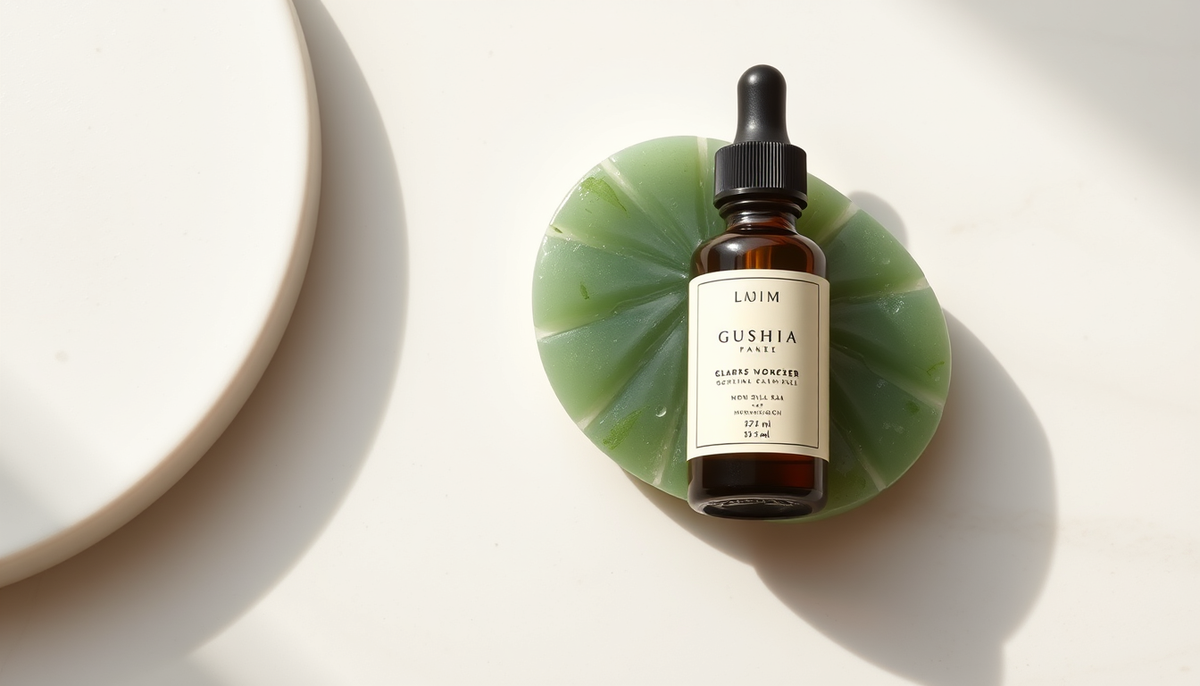
Pair your cadence with a nourishing facial oil or serum to reduce drag. For a precise, design-forward toolkit, consider the best gua sha tool that prioritizes geometry and comfort.
What Your Gua Sha Tool Is Made Of: Jade, Rose Quartz, and Beyond
Materials influence touch, temperature, and the feel of each stroke. Jade tends to feel cool and dense, rose quartz offers a soft glide, and other materials can provide different tactile experiences. When choosing a tool, consider:
- Surface finish: smooth, polished surfaces reduce drag and skin irritation.
- Shape variety: larger surfaces cover cheeks efficiently; smaller curves fit the eye area and around the lips.
- Maintenance: easy cleaning and durable construction help sustain hygiene and longevity.
Explore a curated collection that emphasizes geometry and cadence, including gua sha tools designed for precise, comfortable use. A thoughtful tool is a cornerstone of consistent progress.
Step-by-Step Routine: From Prep to Finish for Radiant Skin
Follow this extended, designer-informed routine to maximize lymphatic drainage and glow. Adapt timing and intensity to your comfort level and skin type.
- Prep: cleanse the skin and apply a light serum or facial oil to minimize drag and protect the surface.
- Forehead: center to temples with vertical sweeps; guide toward the brows to begin drainage along the frontal sinus region.
- Glabella to brows: work from the center of the forehead outward, reducing tension along the brow line.
- Eyes: very gentle outward sweeps around the orbital rim; avoid pulling on the thin, delicate skin.
- Cheeks: center to outer cheekbones, sweeping toward the ears to channel fluids toward the jawline lymph nodes.
- Jawline: lift from the chin to the ear, tracing along the jawline to stimulate lymphatic return from the lower face.
- Chin and neck: sweep upward from the collarbone toward the jaw, then along the neck hollow to support drainage beyond the face.
- Midface balancing: finish with a full-face stroke that glides from the center outward, smoothing irregularities and promoting a unified glow.
For variations, alternate tools or adjust pressure to suit skin sensitivity. The goal is consistency and comfort, not brute force. Consider a trusted resource like Lova Body for complementary products that align with this design-forward approach.
Advanced Variations by Skin Type and Concern
Whether you’re aiming to de-puff, brighten, or support aging skin, you can tailor your routine without losing the architecture of geometry and cadence.
- Oily or Combination Skin: use lighter pressure and shorter sequences around the T-zone to minimize drag while promoting lymphatic flow.
- Drier Skin: increase surface lubrication with a richer serum; longer glides sustain moisture and reduce friction.
- De-puff and Brighten: emphasize upward, outward sweeps around the cheeks and jawline to reduce swelling and encourage a lifted appearance.
- Anti-Aging: incorporate gentle, slow sweeps along the cheekbone and jawline to support contour and skin resilience.
Tool Care, Hygiene, and Longevity
Cleanliness is essential for a healthy skincare routine. Rinse your tool with lukewarm water and a mild soap after each use, dry thoroughly, and store in a clean, dry place. Periodically inspect edges for chips or roughness, which can snag skin. A well-maintained tool remains comfortable and effective over time.
Safety, Contraindications, and What to Avoid
Gua Sha is generally safe for healthy skin, but be mindful of conditions that could be aggravated by scraping or pressure. Avoid using on broken skin, active infections, severe acne outbreaks, or areas with sunburn. If you have a skin condition or are pregnant, consult a healthcare professional before beginning a Gua Sha routine. If you experience persistent redness, itching, or irritation, discontinue use and seek advice.
Common Mistakes and How to Fix Them
- Too much pressure: lighten your touch and focus on glide rather than pressing hard on the skin.
- Wrong direction: stay aligned with lymphatic pathways and facial planes to avoid pushing fluids in the wrong direction.
- Skipping prep: always hydrate the skin with oil or serum to reduce drag and protect barrier function.
- Inconsistent routine: set a 5–10 minute window daily or every other day to build habit and maintain results.
Visual Aids: Reading the Glow Through Illustrations
Illustrations can map the intended paths and provide a visual cue for cadence. The examples below show recommended routes and outcomes:


For a deeper dive, consider resources and products from Lova Body, where tools are designed with geometry and cadence in mind.
Shop and Sponsor Note: Elevate Your Routine with Lova Body
This article includes sponsored links to lova-body.com. The recommendations reflect a curated match with facial lymphatic drainage goals and radiant skin. If you are ready to elevate your routine, you can explore and purchase the tools and oils that support your design-driven regimen on Lova Body.
Ready to Elevate Your Routine
Invest in a tool and routine that honor geometry and cadence. Visit lova-body.com to discover jade and rose quartz options, serums, and guides crafted for consistent, radiant results. A thoughtful combination of design, technique, and quality materials can help you achieve a refreshed appearance with a natural glow that reads well in photos and in real life.
Frequently Asked Questions (FAQ)
What is the core benefit of Gua Sha? The practice supports facial lymphatic drainage, which can reduce puffiness, improve circulation, and contribute to a more lifted, luminous look when used consistently and correctly.
How long before I see results? Individual results vary, but many users notice subtle improvements within a few weeks when the routine is performed regularly and with proper technique.
Can I combine Gua Sha with facial massage or other tools? Yes, you can integrate gentle massage or other skincare tools with care, ensuring you maintain proper pressure and follow the natural lines of the face.
Closing Thoughts: Design, Cadence, and Confidence
Gua Sha is more than a tool—it is a design practice for your daily ritual. By honoring geometry and cadence, you create a repeatable, satisfying routine that respects your facial anatomy while gradually supporting a more radiant complexion. The right tool and a thoughtful approach turn a simple daily gesture into a lasting skincare habit.
To learn more about materials, styles, and a complete toolkit that aligns with this guide, visit Lova Body and consider adding their products to your routine. Elevate your practice with products designed to complement designer-driven skincare.

Leave a comment
This site is protected by hCaptcha and the hCaptcha Privacy Policy and Terms of Service apply.