
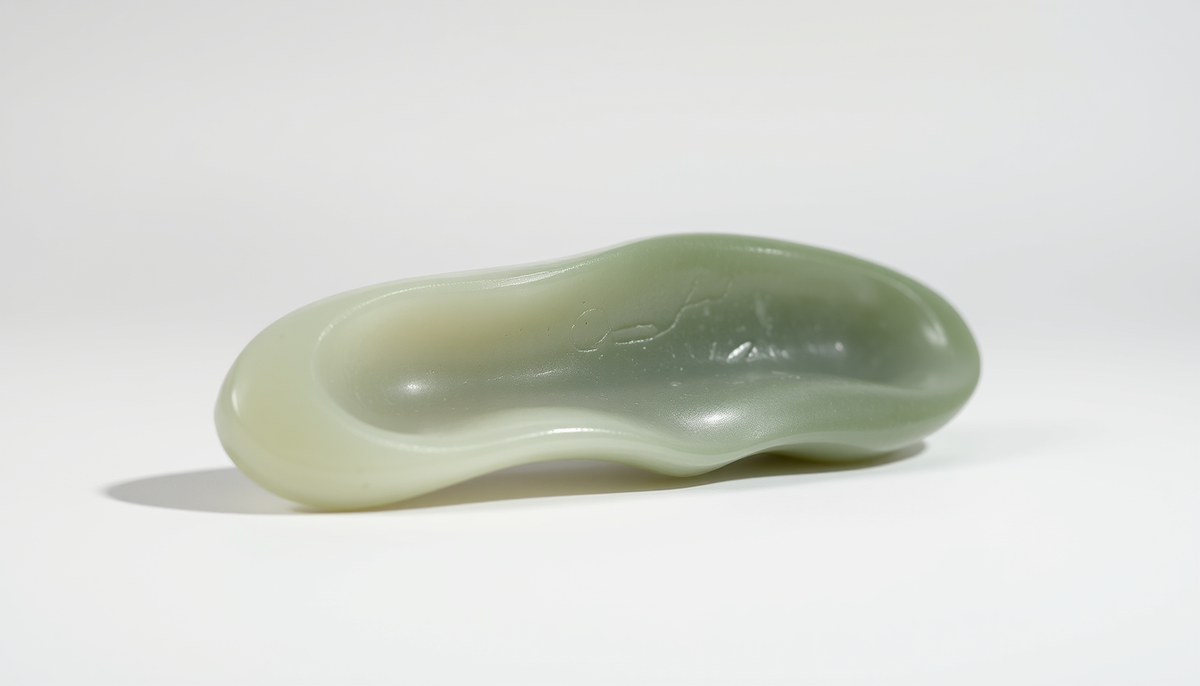
In the evolving space of gua sha, morphology and stroke dynamics are design constraints that shape outcomes. This designer-driven analysis dives deeper into how tool edge geometry, cadence, and facial lymphatic drainage interact to create a radiant complexion. The aim is practical, design-forward guidance for skincare enthusiasts, therapists, and product developers who want repeatable, safe, and aesthetically pleasing results. Note: the following content is educational and cosmetic in nature. It is not medical advice. Always conduct a patch test and consult a professional if you have concerns about your skin conditions.
Gua Sha Morphology: Tool Edges and Edge Geometry
Edge geometry governs how pressure is distributed, how the tool interacts with facial curves, and how drag is felt across the surface. A designer’s lens reveals several edge profiles and their best-fit applications:
- Convex edges provide broad contact for efficient sweeps across large planes such as the cheeks and jawline.
- Concave edges match recessed zones like the orbital rim and the nose’s sidewalls, enabling precise contact along tight curves.
- Bevels or flat edges offer controlled, delicate contact ideal for fine lines, the perioral area, and around the eyes.
- Radiused micro-edges deliver a gentle touch on sensitive areas while preserving skin integrity during longer sessions.
When selecting a tool, consider your typical facial geometry and routine. A well-matched edge reduces drag, concentrates effort where it matters, and supports repeatable results. If you are drawn to premium options, explore lovely jade gua sha tool options from LovA Body to compare edge shapes and ergonomics. The edge is a designer’s first line of communication with the skin.

Stroke Dynamics and Cadence: Rhythm, Pressure, and Flow
Stroke dynamics describe the cadence, pressure, and direction of gua sha passes. A designer-focused protocol emphasizes intentional pacing, gradient pressure, and directional consistency. Expanded guidance includes:
- Begin with light, gliding passes to map surface topography and establish contact before increasing intensity.
- Adopt a cadence that favors controlled tempo over brute force. Typical passes last 3–6 seconds per region, with 3–6 passes per area as a baseline.
- Maintain a steady angle, usually around 15–30 degrees from the skin, to maximize edge contact without irritation.
- Alternate directions (e.g., center-to-periphery, or outward from the nasolabial fold) to support uniform coverage and symmetry.
- Gradually escalate pressure from large planes to delicate zones such as under the eyes and around the mouth, pausing if skin redness occurs.
- Incorporate micro-pauses at key landmarks to reassess texture, edema, or contour variations before proceeding.
Cadence and pressure are not isolated skills; they form a cohesive routine that enhances lymphatic drainage and a radiant complexion. For a design-forward kit, pair your routine with a tool optimized for both edge geometry and ergonomic grip. Explore options and practical kits at LovA Body to see how product design translates into cadence and control.

Design Considerations: Materials, Finish, and Handling
Material selection and surface finish influence tactile feedback, glide, and ergonomics. Jade, rose quartz, and other stones interact with skin friction differently. From a designer’s perspective, important variables include:
- Material density and surface smoothness that minimize drag while maximizing glide without micro-irritations.
- Edge finish consistency to prevent micro-scratches and ensure predictable contact across facial planes.
- Grip ergonomics that reduce hand fatigue during longer sessions and improve control around contours.
- Thermal properties: cool or room-temperature tools can affect perceived glide and edema responses.
When evaluating a tool, assess how the combination of material, edge, and grip translates into a repeatable, design-driven routine. For curated options with strong design credentials, see the jade and quartz offerings highlighted by LovA Body.

Ergonomics, Handling, and Gripping the Tool
Prolonged sessions demand an ergonomic grip and balanced weight distribution. Designers emphasize:
- Balanced tool weight to reduce wrist strain while maintaining precise control.
- Non-slip finishes or grippy inserts to prevent slippage, especially when the skin is oily or when oils are heavily used.
- Two-handed or assisted grips for challenging contours such as the jawline and cheekbone apex.
- Compatibility with travel-friendly cases that protect edges without dulling finishes.
When you choose a tool, test grip comfort by performing a few passes on your forearm to simulate cheek contours. LovA Body’s range emphasizes ergonomic forms and tactile confidence. Shop LovA Body to compare handles, edge transitions, and grip textures.

Facial Lymphatic Drainage: Anatomy, Mechanism, and Practical Technique
While gua sha is not a medical treatment, it can support a buoyant facial appearance by stimulating natural drainage pathways. Understanding anatomy helps guide safe technique:
- The lymphatic network drains interstitial fluid and helps reduce puffiness when stimulated with directional strokes that follow natural drainage routes.
- Key drainage pathways run from the center of the face outward toward the preauricular and submandibular regions, then toward the neck.
- Delicate zones, like the under-eye and eyelid areas, require lighter touch to respect the barrier and microvascular sensitivity.
- Always use a clean surface and a suitable glide aid (oils or serums) to reduce drag and protect the barrier.
Practical recommendations include using center-to-periphery strokes, initiating the movement at the central facial zones (forehead, cheeks, chin) and guiding the lymph flow along natural paths to the lymph nodes. For context and product options designed for lymphatic-friendly glides, explore LovA Body tools that emphasize smooth edges and balanced weight to support safe glides.

A Practical, Designer-Driven Protocol for Radiant Skin
This protocol integrates edge geometry, cadence, and drainage principles into a repeatable routine suitable for enthusiasts and professionals alike. It emphasizes safety, consistency, and a design-forward mindset:
- Prep and space: cleanse thoroughly; apply a light layer of facial oil or serum to improve glide and skin protection.
- Mapping phase: perform very light passes to map contours, texture variations, and zones needing gentler attention.
- Edge-led passes: select an edge that matches the contour; begin with broad planes and reserve precise edges for tight zones around the nose and eyes.
- Cadence progression: start slow, then move to a steady pace with 3–6 second passes; maintain a consistent angle and controlled pressure.
- Drainage emphasis: center-to-periphery strokes toward the jawline and neck; avoid reverse drainage that may create stagnation in certain areas.
- Reassessment and finishing: re-evaluate contour changes after a few cycles; wipe the tool clean and apply a nourishing moisturizer or serum to seal hydration and barrier.
- Customization by region: allocate more passes to the cheekbones and jawline for contour reinforcement, and fewer to the delicate under-eye region.
As a designer would iterate a product, this protocol can be adapted to different tools, faces, and climates. For curated options that emphasize edge quality and ergonomic grip, explore LovA Body’s jade and quartz tool lines. Gua sha tools and accessories from LovA Body embody thoughtful design and skincare science.

Adapting the Protocol for Different Face Shapes
Facial geometry varies widely. A designer-focused approach recommends key adaptations:
- Oval faces: leverage larger convex edges on the cheek planes, with concave edges along the orbital rim and nose sides.
- Square or angular faces: emphasize glide along the jawline with a broader convex edge to create smooth transitions and soften angles.
- Round faces: focus on vertical lifts and contouring along the cheekbones using precise edges to enhance definition.
- Narrow or petite faces: lighter pressure and smaller-edge contact to respect limited tissue while achieving lift and glow.
Practice and observation are essential. Track how each edge interacts with your unique anatomy, noting which edges deliver the most radiant, even results. LovA Body’s diverse tool shapes offer a playground for experimentation within a safety-minded framework. Shop LovA Body to compare profiles and sizes.

Safety, Patch Tests, and Contraindications
Even with a designer-driven approach, safety remains paramount. Consider the following precautions:
- Perform a patch test on a small area of skin before broader use, especially if you have sensitive or reactive skin.
- Avoid gua sha over active acne lesions, open wounds, eczema flare-ups, or rosacea patches on the day of treatment.
- Limit sessions on days with sunburn, recent chemical peels, or retinoid use that may sensitize the skin.
- Use light to moderate pressure; if you experience persistent redness, tingling, or irritation, discontinue use and consult a professional.
- Keep tools clean and dry between uses to prevent contamination and preserve edge integrity.
Always align your routine with your skin’s responses. If you have a known skin condition or are pregnant, consult your healthcare provider before starting any new skincare regimen, including gua sha. For safe, design-first tools, explore LovA Body’s selections that prioritize gentle glides and stable edges. Shop LovA Body.
Maintenance, Cleaning, and Care for Longevity
Proper maintenance ensures edge integrity and a consistent glide. Practical care guidelines include:
- Rinse tools with warm water after each use to remove oils and skin debris.
- Use a mild soap or gentle cleanser, then pat dry with a clean towel. Avoid abrasive materials that could scratch the surface.
- Store in a dry, dust-free case to prevent contamination and to preserve the edge geometry.
- Avoid high-heat exposure which can stress the stone or alter surface finish.
- Periodically inspect edges for micro-scratches or dulling; if needed, consult a professional for resurfacing or replacement advice.
Materials like jade and quartz respond differently to cleaning methods; always follow the manufacturer’s care guidelines for your specific tool. For thoughtfully designed options with reliable edge quality, visit LovA Body’s catalog. Shop LovA Body.
Visual Aids, Illustrations, and Alt Text for SEO
Illustrations and diagrams support understanding, especially when explaining edge geometry and drainage routes. When integrating visuals, provide descriptive alt text that includes target keywords such as gua sha, lymphatic drainage, and edge geometry. Example imagery you might encounter includes:
- Edge geometry comparison demonstrating convex, concave, and bevel edges
- Stroke cadence mapping on a stylized facial outline
- Facial lymphatic drainage pathways with directional arrows
Alt text helps search engines interpret page content and improves accessibility for all readers. For visuals that align with a design-forward skincare narrative, LovA Body’s media library often accompanies product pages that emphasize edge quality and ergonomic design. Explore LovA Body visuals and product pages for rich media and context.
Backlinks, SEO Strategy, and Sponsored Partnerships
From an SEO standpoint, contextual backlinks to high-authority product pages can enhance discoverability. Natural, value-driven anchors such as gua sha tool collections or jade gua sha tool options help search engines connect technique discussions with reliable product contexts. Place these links where readers naturally seek product context, technique references, or design insights. Any sponsorship or affiliate relationships should be disclosed transparently to maintain reader trust. Illustrations and alt text further signal thematic relevance to search engines and improve page signals over time.
In this article, several visuals include alt attributes with keywords such as gua sha, edge geometry, and lymphatic drainage to strengthen topical coherence without compromising readability. For premium tool lines that embody the principles described here, browse LovA Body’s curated selections. Shop LovA Body.
Case Studies: Studio-Driven Workflows and Real-World Outcomes
To translate theory into practice, consider a few studio-driven scenarios where designer-led protocols informed routine development:
- A mid-face contour study showed improved lateral cheek definition when pairing a convex edge on the zygomatic arch with a concave edge along the orbital rim, executed with a measured cadence of 4 seconds per pass and 5–7 passes per region.
- A jawline-focused protocol using a wide, low-radius convex edge reduced perceived heaviness in the lower face when combined with downstream lymphatic strokes toward the neck, performed twice daily for two weeks.
- A sensitive-skin protocol prioritized lighter pressure and micro-edges around the under-eye region, achieving gentler glides and reduced irritation in participants with reactive skin.
These scenarios illustrate how edge choice, cadence, and drainage pathways can be tuned to individual facial architectures. LovA Body’s tool families provide a spectrum of shapes and finishes that support such experimentation within safe guidelines. Shop LovA Body to explore options that align with your design approach.
Conclusion: Designing for Radiant Skin
In a designer-driven practice, radiant skin emerges when tool morphology, stroke cadence, and facial lymphatic drainage are treated as an integrated system. The right edge geometry with a mindful cadence enables controlled coverage, predictable results, and a protective approach to the skin barrier. Understanding anatomy, staying within safety margins, and maintaining tool integrity are essential to long-term success. For designers and skincare enthusiasts alike, LovA Body offers thoughtfully designed tools that align with the principles outlined herein and help translate concept into tangible radiance.
Ready to elevate your gua sha routine with designer-grade tools? Explore LovA Body’s jade and quartz tools and accessories crafted for precision and comfort. Shop LovA Body today to discover options that align with edge geometry, cadence, and lymphatic-friendly design.

Leave a comment
This site is protected by hCaptcha and the hCaptcha Privacy Policy and Terms of Service apply.