
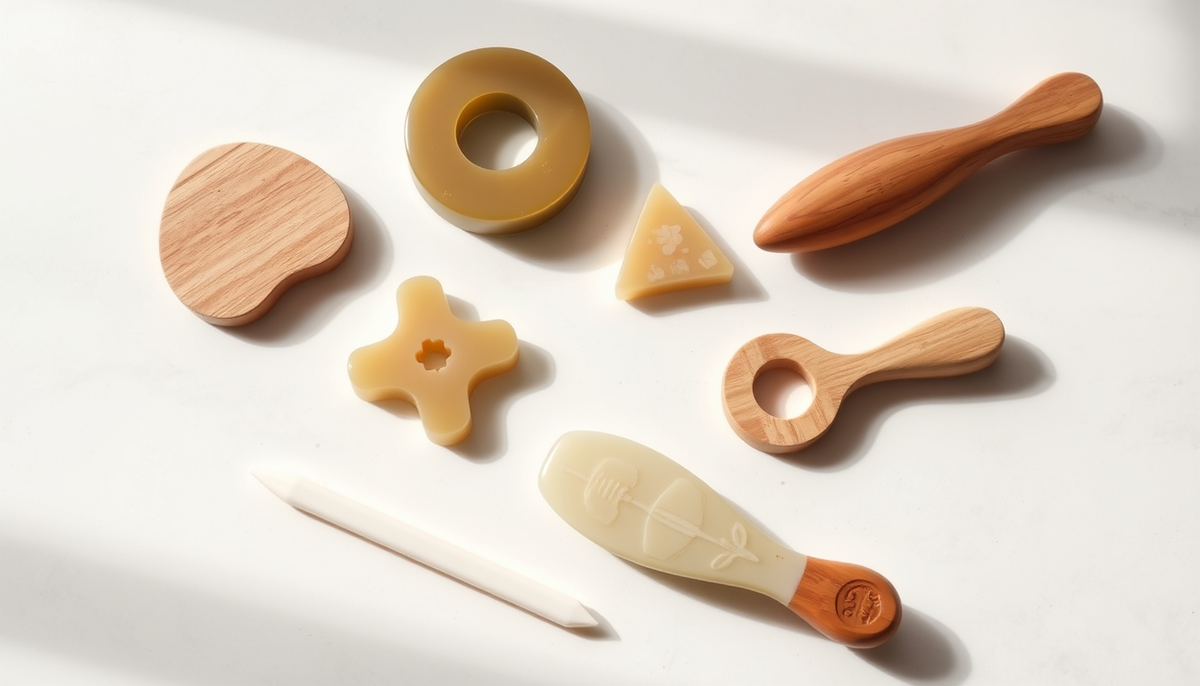
The practice of gua sha has evolved from ceremonial ritual to a design-forward, evidence-informed routine that emphasizes tool geometry, controlled stroke cadence, and an understanding of facial lymphatic drainage. This comprehensive guide presents a design-first benchmark to help you select tools, refine technique, and build a sustainable skincare habit that supports radiant skin. While results vary by individual, consistency and thoughtful tool use are consistently correlated with meaningful improvements over time.
Design-First Benchmark: Why Geometry, Cadence, and Drainage Matter
When a gua sha tool is conceived with intention, its geometry influences contact area, pressure distribution, and glide across facial planes. Pairing precise cadence with knowledge of lymphatic drainage creates a harmonious routine that can feel soothing and yield more dependable outcomes.
- Tool geometry acts as a performance lever: edge profiles, curvature, and handle geometry shape how you apply and sustain contact.
- Stroke cadence defines rhythm: pace, depth, and repetition create a predictable, calming experience that supports drainage.
- Facial lymphatic drainage informs direction: aligning strokes with natural lymph pathways can assist fluid movement and reduce puffiness.
- Material and finish influence comfort: biocompatible stones, smooth edges, and durable coatings matter for long-term use.
Tool Geometry: Shapes, Edges, and Handling
Geometry affects more than aesthetics. The edge radius, curvature along the face, and grip determine how you apply pressure and guide the tool over contours. Below is a practical survey of common shapes and their typical advantages.

- Convex edges: broad contact that disperses pressure; ideal for the cheeks and forehead where larger surface area helps glide.
- Concave or cupped edges: focused contact along jawline, under the cheekbone, and around delicate areas like the eyes.
- Edge width and radius: alters glide, grip, and fatigue; a smaller radius is often more precise on tight contours.
- Handle length and grip: balanced weight distribution improves control and reduces fatigue during longer sessions.

Stroke Cadence and Technique: Finding the Rhythm for Radiant Skin
Stroke cadence blends speed and light pressure with a controlled arc that follows lymphatic pathways. The aim is a calm, steady rhythm that preserves surface integrity while maximizing contact with the skin.
- Begin with clean skin and light pressure; let the tool rest on the surface to assess resistance.
- Adopt short, sweeping strokes along lymphatic routes with consistent tempo.
- Move from the center of the face outward and upward to support lift and drainage.
- Prioritize repetition over brute force; 3–6 passes per zone is a sensible baseline.
- Finish with light, sweeping moves toward the neck to encourage drainage into cervical nodes.

Facial Lymphatic Drainage: The Physiological Basis and Practical Routines
The facial lymphatic system helps remove interstitial fluid and metabolic byproducts. Gentle gua sha, when aligned with lymphatic pathways, can support drainage by guiding movement along natural channels. For many practitioners, a consistent routine over weeks yields more noticeable differences than a single session.
- Drainage paths: along the jawline, cheeks, and temple toward submental and cervical nodes.
- Pressure and direction: use light, sweeping strokes that follow lymphatic routes.
- Time and frequency: 3–5 sessions per week can integrate into a skincare routine; adjust for comfort and sensitivity.

Comparative Benchmark: Common Gua Sha Tool Shapes in Real-World Use
Geometry translates into experience. Here’s a practical snapshot of shapes and their typical applications. Use this as a guide, but prioritize what feels best for your face.
- Flat paddle — broad contact; effective for cheeks, forehead, and décolleté.
- Horseshoe — curved surface for contours around the jawline and temples.
- Crescent — delicate edge for under-eye and orbital areas.
- Gull-wing — multi-angled edge for complex facial planes.
- Concave cupped — targeted suction-like contact for specific zones or pressure relief points.

Illustrations and Visual Aids
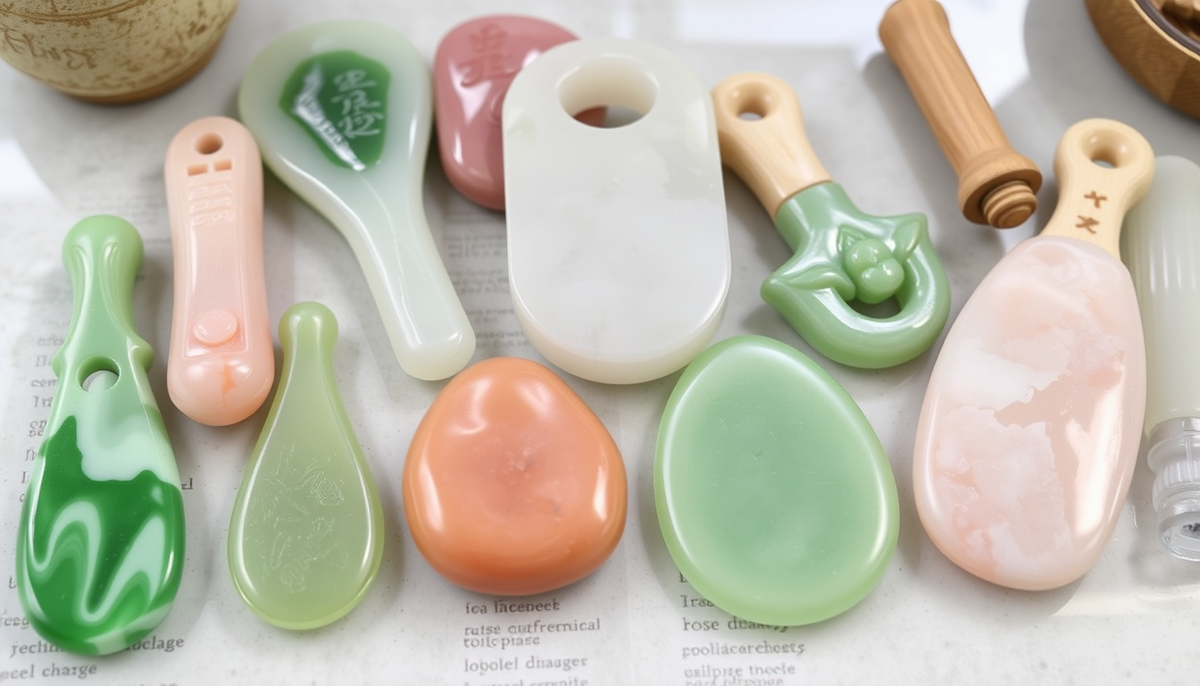
Visual references help translate theory into practice. The visuals below complement the guide and can be used as quick references during routine work.


Advanced Material Science: Tools, Materials, and Sustainability
Material matters. Common gua sha stones include jade, rose quartz, and other polished minerals. Each material has a slightly different feel and thermal conductance, which can influence the user experience. Consider sustainability, source transparency, and lab testing when selecting tools.
- Jade vs. rose quartz: jade tends to be cooler and denser; rose quartz may feel warmer and smoother depending on polishing.
- Finish quality: frosted edges can be kinder to the skin; smooth, well-finished surfaces reduce drag.
- Ethical sourcing: seek brands that publish material sourcing and factory standards.

Safety, Hygiene, and Contraindications
Safety comes first. Clean tools before use, apply on a well-moisturized surface to minimize drag, and discontinue if skin shows irritation. If you have skin conditions or medical concerns, consult a professional before integrating gua sha into your routine.
- Always wash hands and tools with mild soap and water after use.
- Avoid broken or irritated skin; do not use excessive pressure near the eyes.
- Limit use on rosacea-prone areas unless guided by a clinician.
- Keep tools dry and store in a clean, dry place to prevent bacterial growth.
Practical Guide: How to Choose Your Tool and Build a Routine
Use a structured approach to select tools and craft a routine that fits your skin and schedule:
- Assess skin sensitivity: start with minimal pressure and increase gradually as comfort allows.
- Experiment with edge radii: test different radii to identify what feels most comfortable on various facial zones.
- Incorporate lymphatic-friendly strokes and avoid aggressive dragging or tugging.
- Pair gua sha with a hydrating serum or moisturizer to reduce friction and improve glide.
- Track changes over 4–6 weeks to determine progress and adjust frequency.
Customization for Skin Types: Oily, Dry, Combination, and Sensitive Skin
Different skin types respond to variations in pressure, cadence, and product layering. Here are practical adaptations:
: lighter pressure, focus on the T-zone, and use non-comedogenic serums. - Dry skin: richer moisturizers or oils, slower cadence, and shorter sessions to avoid over-stripping moisture.
- Combination skin: tailor zones separately; use gentler strokes on dry areas and slightly firmer strokes on oily areas if tolerated.
- Sensitive skin: rehearse with extremely light pressure, perform fewer passes, and choose ultra-smooth edges.
Maintenance, Cleaning, and Tool Care
Maintaining tool integrity extends its life and preserves skin safety. Clean after every session, avoid soaking for prolonged periods, and store in a dry, dust-free environment. Regularly inspect for chips or rough edges that could irritate skin.

Travel-Friendly Routines: Maintaining a Design-First Practice on the Go
When traveling, choose compact shapes, keep a small moisturizer or serum handy, and practice gentle strokes to minimize skin stress during transit. A well-packed toolkit can keep your design-first routine intact while you’re away from home.

Case Studies and User Experiences
Across communities, users report improvements in skin texture, reduced puffiness, and a more toned feel after several weeks of consistent practice. Individual experiences vary due to skin type, tool selection, and adherence to technique.

Frequently Asked Questions (FAQ)
- Does gua sha actually work?
- Many users experience improvements in circulation, calmness, and temporary contour effects when combined with a consistent routine and proper technique.
- What tool shape should I start with?
- A flat paddle or crescent edge is a common starter option for beginners to learn coverage and glide.
- How often should I use gua sha?
- Start with 2–3 sessions per week and adjust based on skin response and lifestyle.
- Can gua sha replace other skincare steps?
- Gua sha complements a skincare routine but should not replace cleansing, sunscreen, and essential moisturizers.
Sponsorship, SEO Partnerships, and Backlinks to Lova Body
To support education about design-first gua sha and to connect readers with quality options, this article includes sponsor-integrated notes and backlinks to Lova Body. Strategic keywords link to lova-body.com to help readers discover relevant tools and resources. For instance, you may encounter anchors such as best gua sha tool, gua sha tools for face, and lymphatic drainage, designed to improve product discovery while preserving editorial integrity.
Conclusion: A Design-First Benchmark for Radiant Skin
Redefining gua sha through a design-first lens centers on the compatibility between tool geometry, stroke cadence, and facial lymphatic drainage. By selecting well-designed tools and practicing with mindful rhythm, you can tailor a routine that respects your facial geometry, prioritizes safety, and supports a consistently radiant complexion.
Ready to explore tools that embody the design-first philosophy? Visit Lova Body to discover products crafted for thoughtful application and skin-safe materials. You can also read reviews and comparative guides that spotlight top gua sha tool options and their real-world performance.
Shop the Lova Body range for an experience aligned with the design-first benchmark. Explore Lovа Body products at lova-body.com to equip your toolkit with purpose-built gua sha tools and accessories.
Disclaimer: This article is intended for educational purposes. Individual results vary. If you have skin concerns or conditions, consult a dermatologist before starting new skincare tools or routines.
Feeling inspired? Consider adding Lova Body’s thoughtfully designed gua sha tools to your routine today by visiting lova-body.com.

Leave a comment
This site is protected by hCaptcha and the hCaptcha Privacy Policy and Terms of Service apply.