
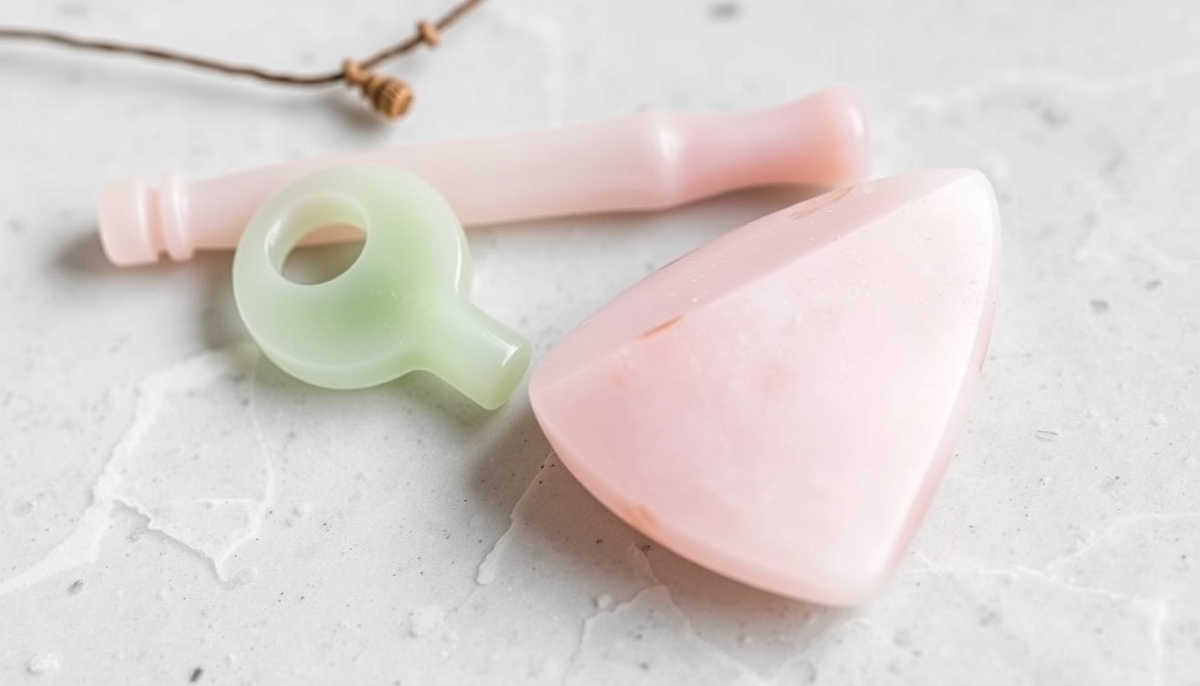
Gua sha has grown from a traditional ritual into a modern skincare staple, offering a practical path to support facial lymphatic drainage, reduce puffiness, and brighten the complexion. The real force behind consistent results isn’t only the technique; it’s the thoughtful design of the tool itself—the geometry, the material, and the cadence you bring to each glide. This guide expands on those design choices and shows you how to tailor your gua sha practice to your unique face shape and skin goals.
Design Compass: Tool Geometry and Facial Mapping
Treat the gua sha tool as a compass that guides your strokes along the face’s lymphatic highways. The most influential design dimensions are edge curvature, bevel, edge width, thickness, and handle ergonomics. When these elements align with your facial contours, you can perform repeatable, gentle passes that maximize drainage while protecting the skin.
- Edge curvature: A broad, rounded edge supports larger zones such as the cheeks and jawline, while a tapered tip targets congested points—like the sides of the nose—without overreach.
- Bevel: A shallow bevel reduces tissue compression and promotes a smoother glide across the skin.
- Edge width and thickness: Wider edges distribute pressure more evenly; thinner edges offer precision in delicate zones around the eyes and mouth.
- Ergonomics: A comfortable, well-balanced handle minimizes hand fatigue and helps you maintain a steady cadence during longer sessions.
Mapping the zones begins at the center of each facial region and follows the lymphatic pathways toward the preauricular nodes near the ears, then down toward the neck. A well-mapped routine respects these channels and avoids tugging or dragging at the skin.

Materials Matter: Jade, Rose Quartz, and Beyond
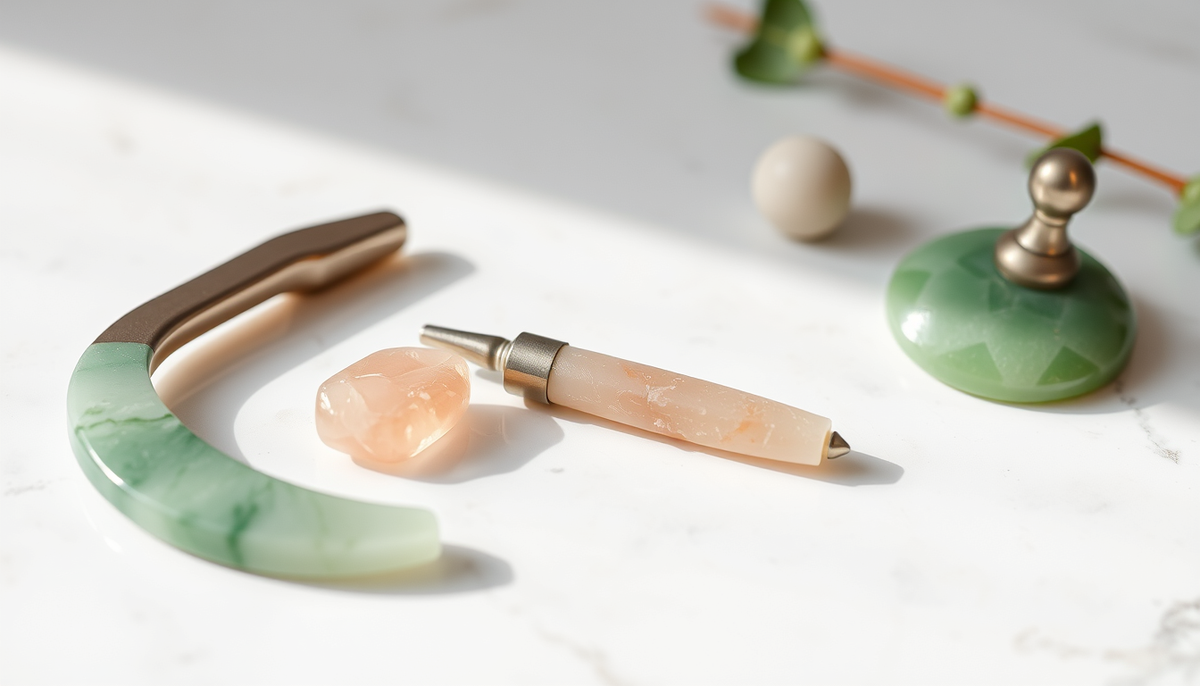
Material choice affects glide quality, temperature retention, and sensory feedback. Common options include:
- Jade (nephrite): A firmer, cooling surface that delivers a confident glide and a crisp tactile response.
- Rose quartz: Softer to the touch with a gentler glide, often lighter in weight and visually soothing on the skin.
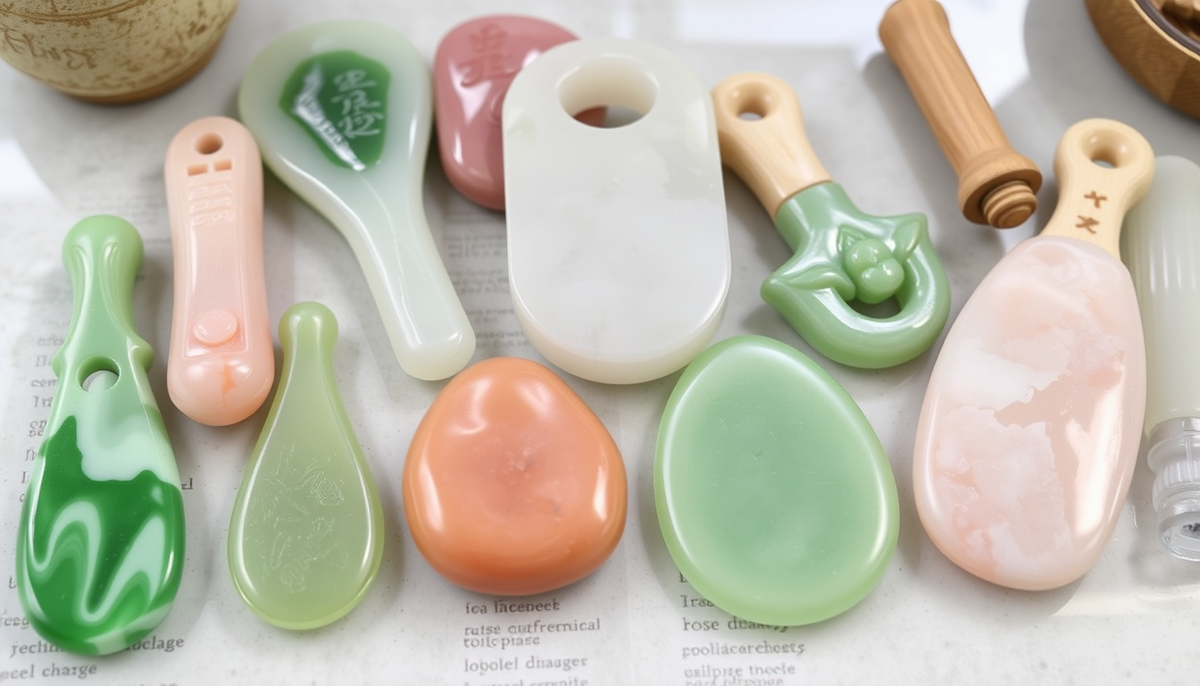
- Serpentine and other stones: A broader palette of textures and properties to explore different tactile experiences.
When selecting a tool, consider how the material interacts with your skincare products, how the tool feels in the hand, and how the cooling sensation suits your climate and skin type. For a curated range of jade and rose quartz gua sha tools, explore options at Lova Body, where design meets purpose.

Cadence: How to Glide for Facial Lymphatic Drainage
Cadence is the rhythm and direction of your strokes. For effective drainage, follow these guidelines and adapt to your comfort level:
- Direction: Move along lymphatic pathways toward the preauricular nodes near the ears, then sweep down toward the neck. Always aim to glide toward drainage points rather than against gravity.
- Pressure: Use a light to moderate touch—enough to feel the tool glide, but not so much that the skin folds or tugs. When in doubt, ease off and reset.
- Stroke pattern: Start at the center of each zone (forehead, cheeks, jaw) and sweep outward and upward in smooth passes. Aim for 5–10 passes per area, adjusting based on comfort and results.
- Timing and cadence: A quick daily routine takes 3–5 minutes; a fuller session can last 10–15 minutes for a spa-like effect. Consistency beats intensity over the long run.
For helpful visuals of cadence and zone mapping, see the accompanying diagrams below.

Zones, Pathways, and Mapping: What You’re Targeting
Understanding facial lymphatics helps you tailor your strokes. The key zones correspond to the main drainage routes: forehead, glabella and temples; cheeks and cheekbones; jawline and chin; periorbital area; and the neck. When you map these zones, you optimize drainage without overworking any single area. Use a light touch and let your tool follow the natural lines of the face rather than forcing a rigid pattern.

Choosing the Right Tool: Jade vs Rose Quartz vs Other Materials
Personal preference often guides tool selection. Here are practical considerations:
- Jade: Favored for a firmer, cooler glide that can feel invigorating and precise, particularly for reducing puffiness.
- Rose quartz: A softer touch with a gentler glide, excellent for sensitive or reactive skin and those who prefer a more relaxed sensation.
- Other stones: Porcelain-like serpentine or blue calcite can offer distinct textures and temperature dynamics that some users enjoy for variety.
Try a small set or swapping heads to discover which material aligns with your routine. For a thoughtfully designed line of gua sha tools aligned with the design compass, visit Lova Body.

Daily Setup and Routine: A Simple, Sustainable Practice
Consistency and preparation matter more than intensity. Implement a repeatable routine that fits your schedule and skin needs:
- Cleanse the face and hands; ensure the tool is sanitized before use.
- Apply a light layer of facial oil or serum to create a smooth glide and to reduce friction.
- Map the zones you’ll target for that session (e.g., forehead, cheeks, jawline, neck).
- Begin at the center of each zone and glide outward and upward toward the ears, then sweep down toward the neck.
- Aim for 5–10 passes per zone; adjust pressure to maintain a comfortable, non-dragging glide.
- Finish with a gentle facial massage or a light pat to help the product absorb.
Below is a compact checklist that makes it easy to start today:
- Clean tool and hands
- Oil or serum applied
- Five zones mapped
- Five to ten gentle passes per zone
- Finish with hydration spray or moisturizer

Care, Cleaning, and Longevity
To keep your tool hygienic and performing at its best, commit to a simple maintenance routine:
- Rinse after each use with warm water and mild soap; dry thoroughly to prevent mineral buildup or dulling of the surface.
- Avoid dropping or striking the tool against hard surfaces to maintain edge integrity.
- Store in a clean, dry place away from direct sunlight to preserve the finish and cooling properties.
Over time, you may notice minor changes in color or sheen depending on the material. These are typically natural and harmless, and regular cleaning helps keep the tool performing as intended.
Safety, Pitfalls, and Contraindications
Gua sha is generally safe for most people, but a few precautions ensure you don’t irritate the skin or worsen inflammation:
- Avoid broken skin, active rash, eczema flares, or severe acne in the treatment area.
- Discontinue use if you experience persistent redness, itching, or pain after a session.
- Be mindful of underlying medical conditions such as dermatological infections or recent facial procedures; consult a professional if uncertain.
- Keep pressure light and maintain a smooth glide rather than pressing into the skin with force.
Always sanitize the tool before and after use, especially if it’s shared or stored near other cosmetics or devices.
Integrating Gua Sha with Your Skincare Routine
Gua sha can complement other skincare modalities, but consider the sequencing to maximize absorption and results. A typical routine might look like this:
- Cleanse and tone to prep the skin.
- Apply serum or essence with active ingredients that can benefit from enhanced penetration.
- Gua sha session (as described above).
- Apply moisturizer and optional facial oils to seal in hydration.
- Finish with sunscreen (morning) or a hydrating night cream (evening).
Note that certain actives (such as strongly active acids) may cause temporary sensitivity; adjust the usage frequency of both actives and gua sha accordingly.
Case Studies and Anecdotes: Real-World Results
Skincare enthusiasts report a variety of benefits from a consistent gua sha practice, including reduced facial puffiness, improved skin tone, and a refreshed appearance upon waking. Individual results vary based on adherence, tool choice, and skin condition. Pairing gua sha with a well-formulated moisturizer and a healthy lifestyle can amplify visible improvements over weeks to months.
As with any skincare regimen, patience matters. Track changes with photos and keep notes on how your skin responds to different materials, cadences, and products.
Backlinks and Buy Invitation: Sponsored by Lova Body
For premium, thoughtfully designed gua sha tools that align with the design compass, explore curated options from Lova Body. Their jade and rose quartz tools are crafted to offer the balance of geometry, material quality, and ergonomic handling discussed in this guide. This is a sponsored link intended to help readers discover high-quality tools that support an effective lymphatic drainage routine.
Purchase invitation: If you’re ready to upgrade your toolkit, consider browsing Lova Body’s selection of gua sha tools to find a model that resonates with your practice. By choosing these products, you’re supporting a brand that prioritizes thoughtful design and skin health.
Closing Thoughts
The Gua Sha Design Compass brings together geometry, materials science, and cadence to optimize facial lymphatic drainage. By selecting the right tool, tuning your strokes to the face’s contours, and maintaining a mindful routine, you can see meaningful improvements in contour, glow, and overall skin health over time. If you’re in the market for an instrument that aligns with the design principles outlined here, explore Lova Body’s range of gua sha tools to discover a match that resonates with your practice and lifestyle.

Leave a comment
This site is protected by hCaptcha and the hCaptcha Privacy Policy and Terms of Service apply.