
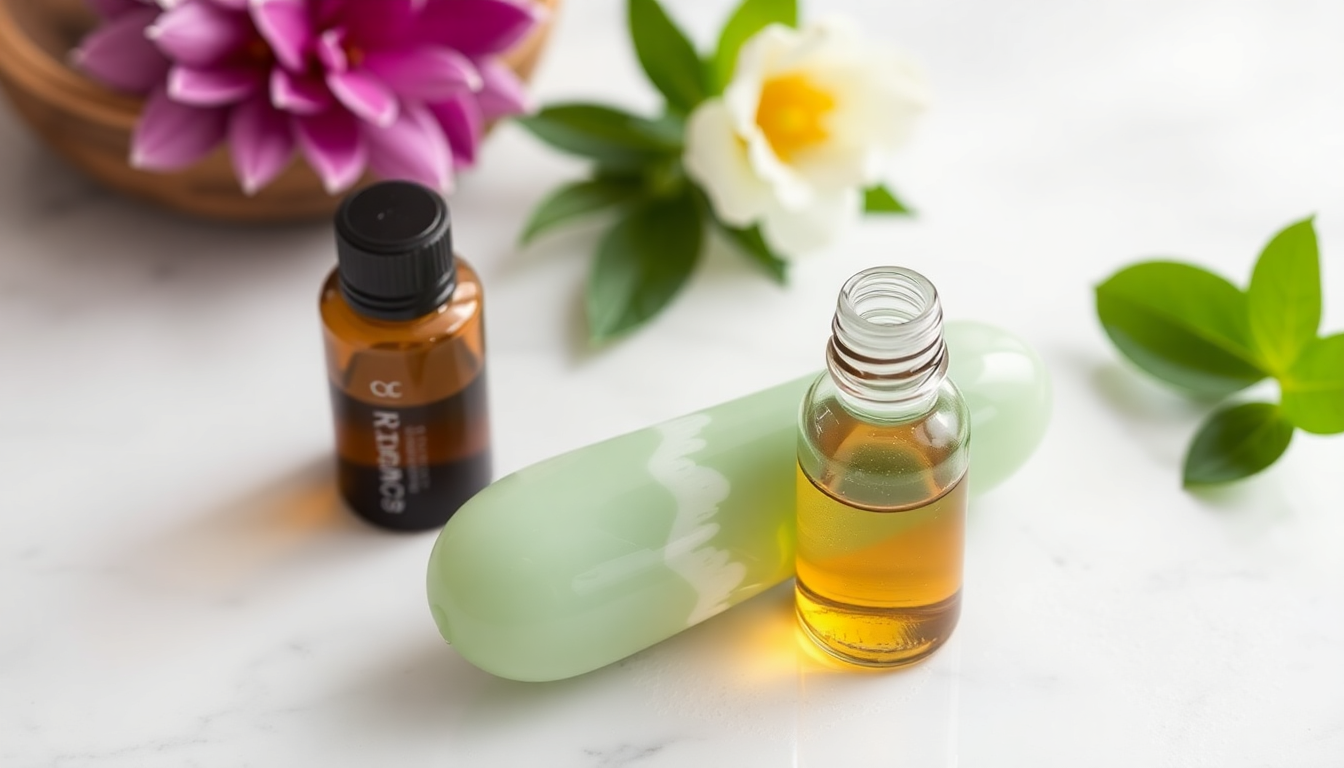
Gua sha has moved from spa rituals to a science-minded skincare practice. When performed with care and consistency, facial gua sha can support lymphatic drainage, reduce puffiness, and promote a natural radiance by improving microcirculation and product absorption. This guide delivers evidence-informed techniques you can safely adopt at home, backed by practical steps, tool guidance, and safety considerations.
What is Facial Gua Sha and Why Lymphatic Drainage Matters
The lymphatic system plays a key role in fluid balance and immune function. Facial gua sha aims to gently stimulate superficial lymphatic vessels, helping remove stagnation and excess fluid that can contribute to dullness or swelling. While research is evolving, many skincare professionals report consistent improvements in skin tone, contour, and night-time puffiness when gua sha is used as part of a regular routine.
- Supports extracellular fluid drainage and reduces facial swelling
- May enhance serum and moisturizer absorption by improving microcirculation
- Promotes a lifted, more awake appearance with regular use
Evidence-Based Techniques for Facial Gua Sha
Key principles to maximize safety and results:
- Gentle pressure: keep the tool in contact with skin and glide in smooth, continuous strokes—avoid dragging or scraping.
- Direction: start from the center of the face and move outward toward the lymph nodes (jawline and neck) to encourage drainage.
- Duration and frequency: aim for about 3–5 minutes per session, 3–4 times per week, then adjust based on your skin response.
- Lubrication: use a facial oil or serum to minimize friction and protect the skin barrier.
Step-by-Step Facial Gua Sha Routine
- Prep: cleanse thoroughly and apply a light layer of facial oil or serum.
- Forehead: place the tool at the center of the forehead and glide upward toward the hairline.
- Cheeks: start near the nose and gently pull outward toward the temples while lifting slightly to encourage lift.
- Under-eye area: use very light pressure and effleurage from the inner corner toward the outer eye.
- Jawline and chin: sweep from the chin toward the ear along the jawline to promote drainage along the lymph nodes.
- Neck: finish with upward strokes from the décolletage up to the jawline for neck drainage.
Enhancing Results: Tools, Oils, and Maintenance
Choosing the right tool and maintaining cleanliness are essential for safety and results:
- Materials: Jade and rose quartz are the most common; both should be well-polished with smooth edges to prevent micro-scratches.
- Size and shape: Larger stones cover broader areas (forehead, cheeks), while smaller edges are ideal for around the nose and under the eyes.
- Cleaning: wash with mild soap and water after each use and dry thoroughly to prevent bacterial buildup.
- Lubrication: opt for a lightweight facial oil or serum that suits your skin type to reduce drag and nourish the barrier.
Choosing the Right Gua Sha Tool
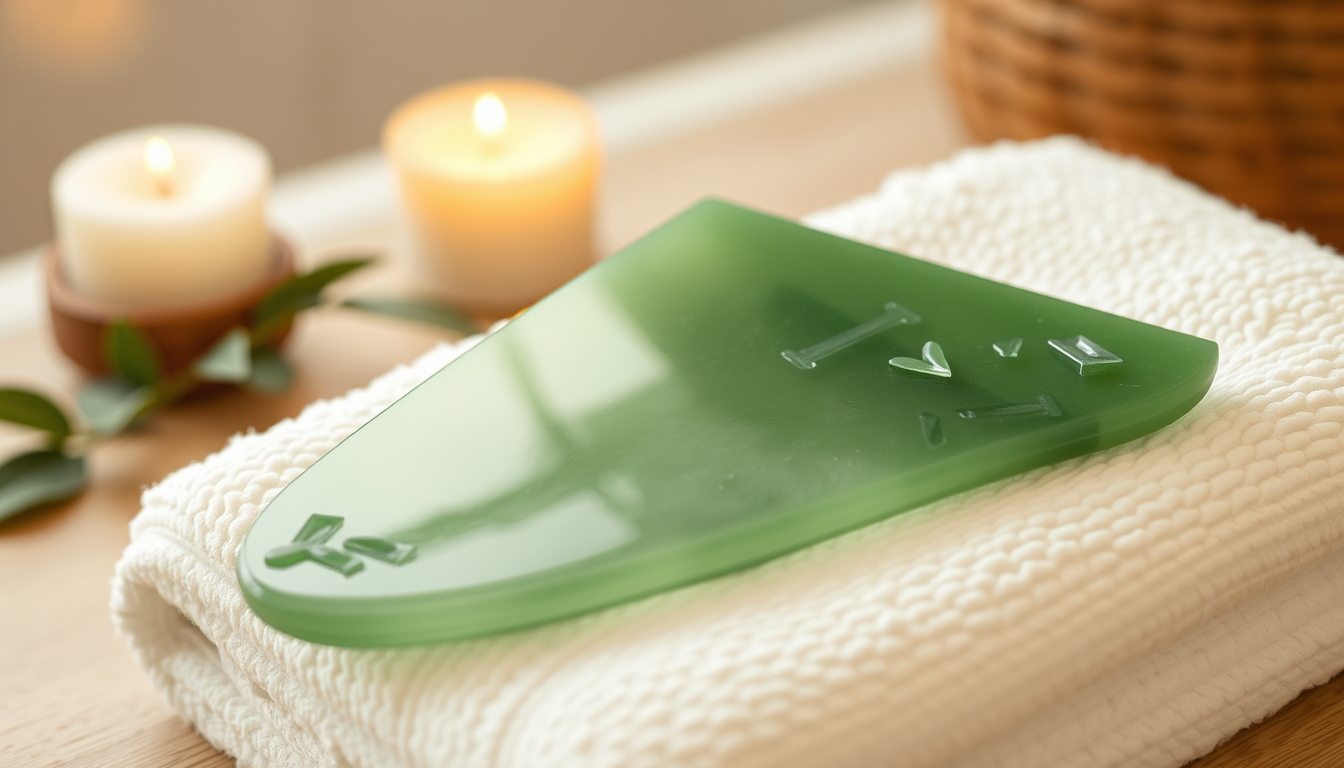
The most common options are jade and rose quartz. Look for a smooth, well-polished surface with gentle curves that fit your facial contours. Consider tool size and edge shape to match different areas of the face. Regular cleaning after use helps prevent bacteria buildup and keeps the stone luminous.
Illustrations: Visual Guide and Safe Techniques
Gua Sha vs Facial Roller: What Works Best for You?
Both tools aim to boost circulation and product absorption, but gua sha offers targeted lymphatic drainage and contouring benefits, while facial rollers can provide quick cooling and light lymphatic support. For many, a combination approach—using a gua sha tool a few times per week and a chilled roller for mornings—delivers balanced results.
Safety, Contraindications, and Common Questions
- Avoid broken or inflamed skin, active acne lesions, or open wounds in the treatment area.
- Do not use gua sha over areas with recent cosmetic injections, severe rosacea, or varicose veins without professional guidance.
- If you are pregnant or have a chronic skin condition, consult a dermatologist before starting gua sha.
- Use gentle pressure and stop if you experience pain, bruising, or skin irritation.
FAQ: Does Gua Sha Really Work?
- How quickly will I see results? Some users notice improved glow and reduced puffiness within days; lasting changes come with consistent practice over weeks.
- Can gua sha replace skincare products? It won’t replace the need for moisturizer or serums, but it can improve absorption and efficacy when used with them.
- What about tools and materials? Jade and rose quartz are common; choose smooth, well-finished surfaces and clean them after use to prevent irritation.
- Is gua sha safe for sensitive skin? When performed with light pressure and proper lubrication, most people tolerate it well; start slowly and monitor skin reaction.
Integrating Gua Sha into Your Skincare Routine
To maximize benefits, pair gua sha with a lightweight facial oil or serum formulated for hydration and barrier support. Cleanse, apply serum, perform gua sha, then finish with a moisturizing product. If you wear sunscreen, complete your routine with a broad-spectrum SPF 30+ in the daytime. Consistency is key for cumulative lymphatic drainage and a radiant complexion.
Weekly and Monthly Plans: Making It a Habit
Establish a sustainable rhythm with a 4-week plan:
- Week 1: 3 sessions of 5 minutes, focusing on the forehead, cheeks, and jawline.
- Week 2: Add neck drainage and light under-eye work; increase to 4 sessions per week if your skin responds well.
- Week 3: Introduce a targeted routine for mornings (cooler, faster) and evenings (longer, more thorough).
- Week 4: Review results, adjust pressure, and refine your technique for your facial contours.
Tailoring Gua Sha to Your Skin Type
Skin type considerations can influence technique and products:
- Oily skin: use lighter oils or gel serums; avoid heavy creams that could clog pores after drainage.
- Dry or mature skin: richer oils or emollient serums help maintain barrier lubrication and comfort during massage.
- Sensitive skin: perform with gentler strokes and shorter sessions; consider patch testing any new product first.
- Rosacea-prone skin: avoid agitation around the cheeks and nose; consult a dermatologist for personalized guidance.
Illustrated Tips: Safe Techniques in Action
Common Mistakes and Myths Debunked
- Mistake: Using excessive pressure. Reality: Pressure should be gentle; excessive force can irritate skin and damage vessels.
- Mistake: Longer is always better. Reality: Short, focused sessions with proper technique yield better results and reduce irritation.
- Myth: Gua sha will replace all other skincare. Reality: It complements, but does not substitute, serums, moisturizers, and sun protection.
Travel-Friendly Gua Sha: How to Keep It Simple on the Go
Choose a compact stone with a protective case and a travel-friendly oil. Keep it in your carry-on and use a quick 3-minute routine to reduce puffiness after long flights or time zones shifts.
Safety, Contraindications, and Professional Guidance
- Avoid broken or inflamed skin, active acne lesions, or open wounds in the treatment area.
- Do not use gua sha over areas with recent cosmetic injections, severe rosacea, or varicose veins without professional guidance.
- If you are pregnant or have a chronic skin condition, consult a dermatologist before starting gua sha.
- Discontinue use if you notice persistent redness, bruising, or irritation beyond 24 hours.
Backlinks and Sponsored Promotion
For those seeking curated tools, you can explore jade and other gua sha options from LOVA Body, a brand frequently highlighted in skincare communities for quality stones and user-friendly kits. To shop directly for related items, consider the following keywords linked to strategic pages:
As you conclude your routine, consider trying products from LOVA Body to complement your gua sha practice. Their jade gua sha tool and facial oils are designed to support lymphatic drainage and radiant skin. Shop the collection now to elevate your skincare regimen.
Closing Thoughts: Sustaining Radiance with Consistency
Evidence-based gua sha techniques are about consistency, patience, and gentle care. When integrated into a balanced skincare routine that respects your skin’s barrier, gua sha can be a valuable ally for people seeking a more awake, sculpted, and luminous complexion. Remember to pair it with sun protection during the day and hydration at night for best, long-lasting results.

Dejar un comentario
Este sitio está protegido por hCaptcha y se aplican la Política de privacidad de hCaptcha y los Términos del servicio.