
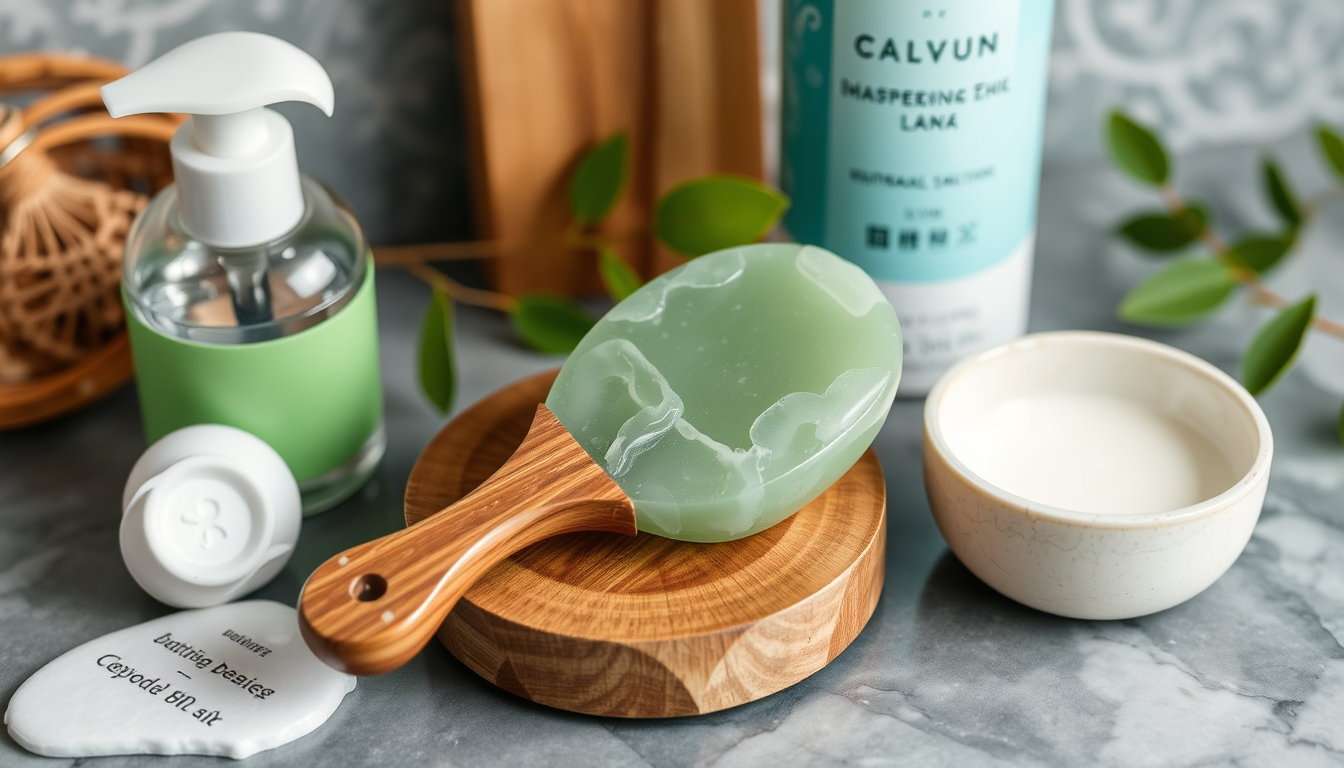
Introduction: From Tool Geometry to Glow
Gua sha blends ancient wisdom with modern skincare science. This extended guide dives deeper into how tool geometry, material, and technique come together to support facial lymphatic drainage and radiant skin. Whether you're a curious beginner or a seasoned enthusiast, you’ll discover practical, evidence-informed approaches you can trust at home—plus nuanced tips for different skin types and routines.
Understanding Facial Lymphatic Drainage: Why It Matters for Radiant Skin
The lymphatic system is a network of vessels and nodes that helps remove waste, reduce puffiness, and support skin health. Gentle gua sha strokes along defined pathways encourage lymph flow, reduce stagnant fluids, and may contribute to a refreshed, decongested appearance. It’s not a miracle cure, but with consistent practice and proper technique, you can enhance your skin’s glow and resilience.
Tool Geometry: Edges, Camber, Contact, and How They Guide Results
Tool geometry determines how the tool meets the skin, how much drag you experience, and how precisely you can direct strokes along facial contours. Consider these aspects when selecting a gua sha tool:
- Edge profile: Rounded edges are gentler on delicate areas like under the eyes; flatter edges cover broader zones such as the cheeks and forehead.
- Camber and curvature: A softly curved edge helps lift and direct lymph drainage along the jawline and neck without tugging on the skin.
- Grip and weight: A well-balanced tool improves control, reduces drag, and enables consistent pressure—crucial for beginners learning to modulate touch.
- Surface finish and cleaning: Smooth surfaces glide with oil or serum and are easier to sanitize, reducing the chance of irritants lingering on the tool.
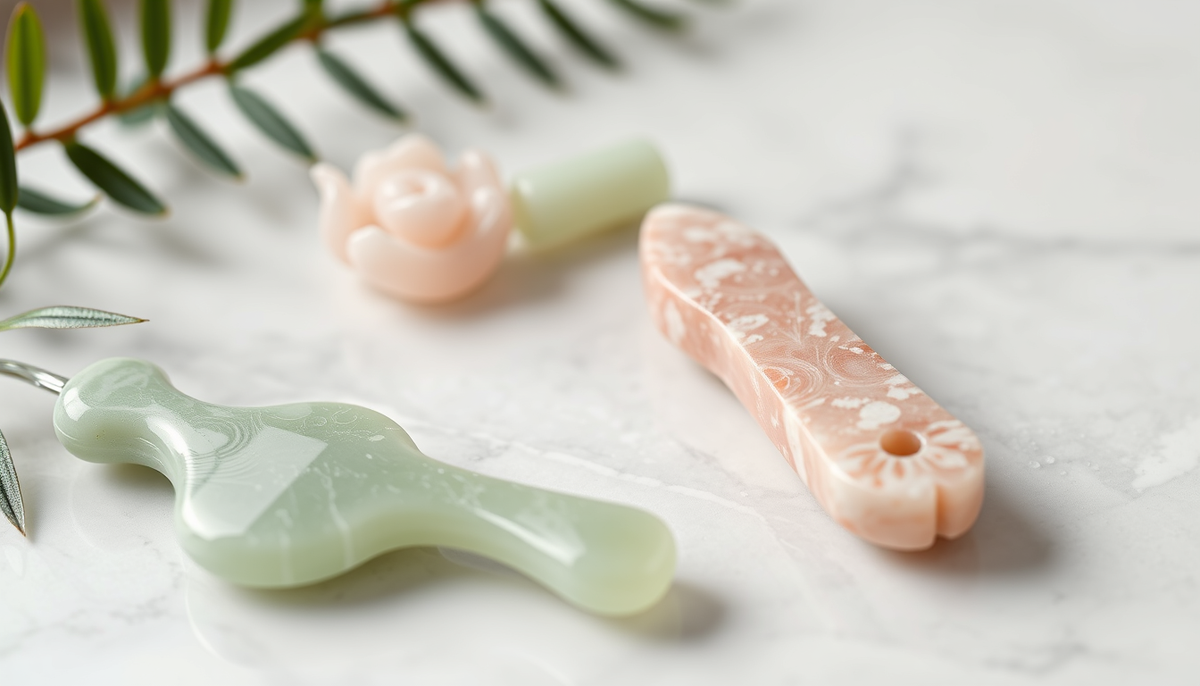
Material Matters: Jade, Rose Quartz, and Metal—Feel, Temperature, and Results
Material choice influences the glide, cooling sensation, and how your skin responds to pressure. Each option has unique advantages:
- Jade: Known for its durability and cooling properties; tends to stay cool longer, which can be soothing for inflamed or sensitive skin.
- Rose quartz: A softer touch with a gentle glide, ideal for beginners or for those who prefer a very light pressure.
- Metal (stainless steel or brass): Slim profiles with crisp edges; excellent for precise strokes and faster cooling when stored in a cool place, but can feel colder and sometimes less forgiving on very sensitive skin.
When choosing, balance your skin type, comfort with pressure, and your routine goals. Some users start with jade or rose quartz for a forgiving touch and add a metal option as confidence grows.
Stepping Through a Comprehensive Home Routine: Morning, Evening, and Travel
The following routine builds on the basic principles of glide, contour following, and drainage. Adapt timing to your schedule, skin needs, and comfort level.
- Prep and hygiene: wash hands and cleanse the face to remove impurities. A clean canvas improves glide and reduces the risk of irritation.
- Oil or serum application: apply a thin, even layer to reduce drag and nourish the skin. This also provides a temporary buffer if you’re using a firmer tool.
- Neck lymph drainage: start at the collarbone and glide upward toward the jawline to encourage drainage away from the face. Use gentle but confident pressure.
- Jawline contouring: sweep along the jaw from the center to the ear, following the curve of the jawline. Repeat on both sides to support contour and drainage.
- Cheeks and mid-face: begin at the center of the face and glide outward toward the temples, lifting slightly as you go. Focus on the apples of the cheeks and along the cheekbone line.
- Under-eye and delicate areas: use the smaller edge with very light pressure, moving from the inner corner outward. This helps reduce puffiness without stressing the skin.
- Forehead: sweep from the center of the forehead outward toward the temples to decongest and lift gently. Consider a second pass along the brow bone to ease tension.
- Neck and décolletage: repeat long, smooth strokes from the collarbone upward to the jaw and then toward the chin to support drainage beyond the face.
- Finishing and cleansing: wipe the tool with a gentle cleaner and store it in a clean, dry place to prevent bacteria growth. Follow with your usual moisturizer or night cream.
Morning variations: keep sessions shorter (5–7 minutes) to avoid over-stimulation before sunscreen. Evening variations: longer sessions (8–15 minutes) can be paired with soothing routines and less active days. Travel-friendly tip: choose a compact tool and a lightweight oil or balm that travels well.
Zone-by-Zone Guide: Targeted Techniques for Each Area
Learn the recommended strokes and directions for common zones to maximize drainage and lift without tugging or overworking the skin.
- Cheeks: center to temples, outward along the cheekbone. Use upward motions to support lymph flow and facial contouring.
- Jawline and chin: long, smooth strokes along the jaw from the center outward toward the ear. Gentle pressure helps reduce fullness and promote contouring.
- Under-eye area: inner to outer corner with a light touch. Avoid excessive pressure to protect the delicate skin.
- Forehead: center outward to temples; repeat to ease tension and decongest the brow area.
- Neck and décolletage: upward sweeps from the collarbone toward the jawline for supportive drainage and skin hydration benefits.
Advanced Techniques: When Your Routine Needs a Step Up
As you become more confident, you can refine your technique for crisper contour and more efficient drainage. Consider these refinements:
- Light-to-moderate pressure on the mid-face and heavier emphasis on contour zones where stagnation is common, like the jawline and under the cheekbones.
- Slow, deliberate passes on each zone to maximize contact time and glide, rather than rapid, brisk motions.
- Controlled positioning: keep strokes within the facial framework—avoid pulling skin toward the ears or across the face aggressively.
- Incorporate micro-holds at the apex of a stroke for a momentary pause, enabling deeper contact where you feel resistance in the tissue.
Serums, Oils, and Glide: Pairing Skincare Products with Gua Sha
Gentle, compatible formulations help your gua sha tool glide smoothly while supporting skin health. Consider using:
- Non-irritating, lightweight facial oils (e.g., squalane or jojoba) that balance moisture and offer a seamless glide.
- Hydrating serums with humectants like hyaluronic acid for plumpness and slick surface for tool movement.
- Antioxidant-rich formulas that help protect skin during the routine, especially if you expose skin to environmental stressors.
Avoid layering heavy occlusive products in a way that reduces glide or creates drag. Always allow products to absorb slightly before gua sha to maintain optimal contact with the tool.
Safety, Hygiene, and Longevity: Caring for Your Tool and Skin
- Clean after each use with mild soap and water; dry thoroughly to prevent bacterial growth.
- Do not share tools to avoid cross-contamination and skin issues.
- Discontinue use if you notice persistent redness, irritation, or a worsening skin condition and consult a dermatologist.
- Store in a cool, dry place away from direct sunlight to prevent material degradation and heat-related skin sensitivity.
Materials Deep-Dive: Pros, Cons, and When to Choose What
Choosing between jade, rose quartz, and metal depends on skin sensitivity, routine goals, and personal preference. Here’s a practical quick-reference:
- For sensitive or reactive skin: Jade or rose quartz for their natural cooling sensation and forgiving glide.
- For beginners: Rose quartz offers a softer touch and lower risk of intense pressure.
- For sculpting and precision: Metal tools provide crisp strokes and easy maintenance, though they may feel cooler and harder to control for some.
- Maintenance: All materials require careful cleaning; metal tools can tarnish if not cleaned properly, while stone tools may crack if dropped.
Visual Aids: Illustrations to Guide Your Strokes and Angles
Illustrations help you visualize direction, pressure, and drainage pathways. The following images illustrate common strokes and zones:


Realistic Expectations: What Gua Sha Can and Cannot Do
Gua sha can support a more energized appearance, smoother texture, and a sense of relief from facial tension. It is not a substitute for medical treatment or a miracle fix for deeper concerns such as persistent swelling, severe acne, or inflammatory conditions. Manage expectations with consistent practice, proper technique, and complementary skincare habits.
Comparative Guide: Jade, Rose Quartz, and Metal for Different Skins
- Best for sensitive or reactive skin: Jade or rose quartz due to cooling properties and gentle glide.
- Best for beginners: Rose quartz for its forgiving surface and soft texture.
- Best for targeted contouring and precision: Metal tools for crisp strokes and easier maintenance.
- Maintenance considerations: Regular cleaning, drying, and proper storage are essential for all materials to prevent bacteria growth.
Backlinks and SEO Notes: Linking Strategically to Lova Body
To support readers with high-quality gear while aligning with transparent SEO practices, this article includes sponsor links to lova-body.com on carefully chosen keywords. For example, you can explore a gua sha tool from a trusted brand, or learn about a jade gua sha tool suitable for beginners. Additional sponsor links can be integrated with anchor text like facial lymphatic drainage tools.
FAQ: Common Questions About Gua Sha for Facial Lymphatic Drainage
- Q: Does gua sha really move lymph and reduce puffiness?
- A: It supports lymphatic drainage by facilitating directional movement of fluids, which can reduce stagnation and appear more lifted after consistent practice.
- Q: How often should I use gua sha?
- A: Start with 3–4 sessions weekly, then adjust to daily or every other day depending on skin sensitivity and lifestyle.
- Q: Can gua sha help with fine lines?
- A: Regular, gentle use can improve surface texture and promote a healthier glow, but it is not a replacement for medical-grade anti-aging treatments.
Shop the Glow: Sponsor Invitation to Lova Body
Ready to elevate your toolkit? Visit Lova Body to explore premium gua sha tools and skin-care accessories. This is a sponsored promotion to support ongoing content creation. Shop Lova Body now and explore a curated selection that aligns with the routines outlined above.
Maintenance, Longevity, and Practical Tips for Long-Term Use
To maximize tool longevity and performance:
- Clean consistently with mild soap and water; avoid harsh cleaners that could degrade surface finishes.
- Dry thoroughly after washing to prevent residue buildup and mold.
- Avoid dropping your tool—the impact can crack or chip the surface.
- Periodically inspect for nicks or rough edges and refine your technique to stay within healthy pressure ranges.
Conclusion: Consistency, Patience, and a Glow That Reflects Your Routine
Gua sha is a versatile tool that, when used with proper technique, material choice, and skincare partners, can become a meaningful part of a radiant skin journey. It rewards consistency more than intensity, and its benefits stack over time with mindful practice.

Dejar un comentario
Este sitio está protegido por hCaptcha y se aplican la Política de privacidad de hCaptcha y los Términos del servicio.