
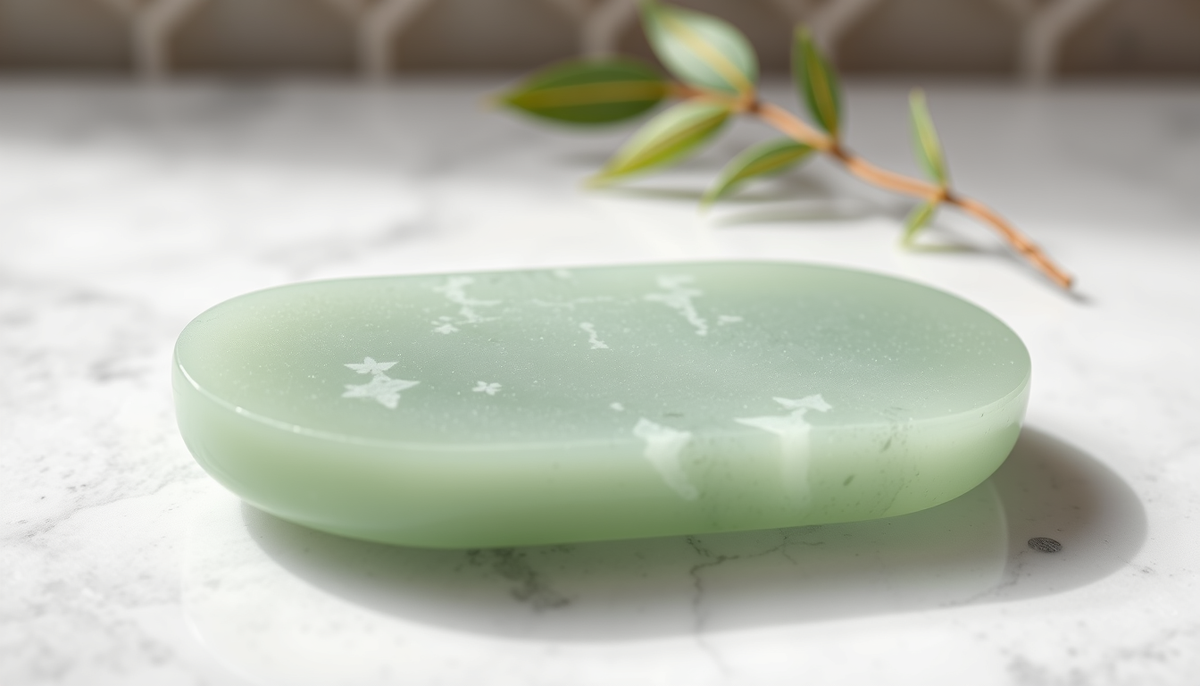
Grip to Glow offers a practical, evidence-based approach to gua sha that blends designer insight with measurable technique. This comprehensive guide dives into tool geometry, cadence, and facial lymphatic drainage to help you achieve a radiant, rested look while staying safe and informed. While individual results vary and high-quality clinical evidence remains limited for at-home gua sha, thoughtful application of geometry, rhythm, and anatomical awareness can enhance skin appearanace when paired with consistent skincare habits.

1. Why Gua Sha? Evidence, Myths, and Safety Considerations
Gua sha is a traditional practice that has gained popularity in modern skincare routines. The core idea is to stimulate microcirculation and support lymphatic drainage through controlled scraping with a smooth-edged tool. From the evidence available in dermatology and integrative medicine literature, notable themes emerge:
- Temporary improvements in skin tone and puffiness are commonly reported by users with regular use.
- Manual lymphatic drainage concepts underpin many gua sha routines, though standardized clinical trials are limited and results vary by individual.
- Safety depends on technique, tool quality, and skin condition; avoid irritated, broken, or inflamed skin, and never use excessive pressure.
Important: this guide is educational and not a substitute for medical advice. If you have active skin infections, rosacea with flushing, or a bleeding disorder, consult a clinician before trying gua sha. Always start with light pressure and gradually adjust as your skin responds.
2. Tool Geometry: Edge, Contour, and Material Matter
The geometry of your gua sha tool influences how it engages facial contours, how much surface area contacts the skin, and how a stroke travels along lines of tension. Designer-driven tools optimize edge shape, curvature, and smoothness for safe use on delicate areas like under the eyes and around the mouth.
- Edge profile: A gentle, rounded edge reduces risk of micro-tears; a flatter edge can cover larger areas with consistent contact.
- Contour mapping: Tools with multiple radii allow you to follow cheekbones, jawlines, and the orbital rim without jamming into cartilage.
- Material and polish: High-quality jade or rose quartz with a smooth, free of burrs surface minimizes friction and microtrauma.
 Figure 1: Edge geometry designed for facial contours
Tips for selecting geometry: choose a tool that feels comfortable in your hand, supports natural curves of your face, and has a smooth finish. If in doubt, start with a single-curved piece and gradually experiment with alternate edges as your technique improves.
3. Cadence: Rhythm, Pressure, and Repetition for Safe Progress
Cadence refers to how fast you move the tool, how much pressure you apply, and how many strokes you perform in each area of the face. A thoughtful cadence helps maximize benefits while minimizing irritation.
- Pressure: Begin with gentle contact, then increase slightly if your skin responds well. Never use pain as a guide.
- Stroke rhythm: Slow, deliberate passes (2–4 seconds per stroke) with even pressure generally yield comfort and predictable results.
- Coverage: Target each region for 1–2 minutes total, including the forehead, temples, cheeks, jawline, and neck lymphatic drainage zones.
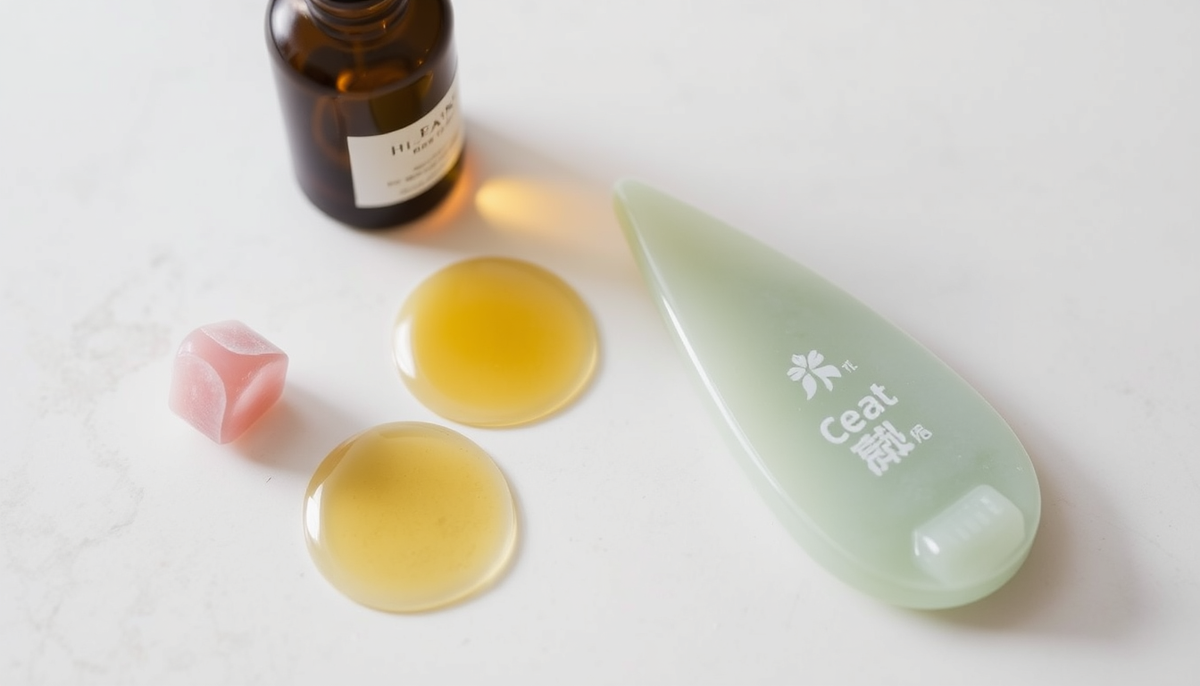
- Hydration and skin prep: Apply a light emollient or facial oil to reduce friction and support glide.
 Figure 2: Cadence guidelines for safe, effective gua sha sessions
4. Facial Lymphatic Drainage: The Lymph Pathways Behind the Glow
Lymphatic drainage in the face helps reduce fluid retention and support a bright, less congested complexion. Gua sha is commonly framed as a tool to assist lymphatic flow when used along lymphatic drainage pathways and over the superficial musculature. To respect safety and effectiveness:
- Move toward lymph nodes: strokes typically direct toward the jawline and temples, areas where lymphatic vessels converge.
- Be gentle near eyes: the skin around the eyes is delicate; use lighter pressure or skip the orbital area altogether if unsure.
- Consistency matters: routine sessions on non-irritated skin tend to show the most noticeable improvements over weeks.
 Figure 3: Directing strokes toward natural lymphatic drainage pathways
5. Designer-Driven Customization: Tailoring the Routine to Your Face Shape
Face shape and texture influence how gua sha should be approached. A designer-driven routine emphasizes ergonomics, alignment with bone structure, and targeted attention to zones of chronic tension.
- Cheekbones and midface: follow the malar bone with light to moderate pressure, using a broad edge to maintain contact across the curve.
- Jawline and neck: use longer strokes along the jawline toward the lymphatic drainage area; consider a tool with a longer handle for reach.
- Forehead and temples: employ smaller edges for precise work and to avoid sliding onto the scalp where hair could interfere.
 Figure 4: A tailored approach to gua sha by facial region
6. Evidence, Outcomes, and What to Expect
Readers seek tangible outcomes, so it’s useful to align expectations with what existing research and practice suggest. Benefits may include improved skin tone, reduced puffiness, and a rested appearance, especially when paired with a consistent skincare routine and proper technique.
- Short-term: visible lift, smoother texture, and temporary reduction in facial fullness after consistent use.
- Long-term: potential cumulative improvements in contour and skin tone with ongoing practice; results vary by individual and regimen.
- Limitations: not a replacement for clinical treatments for serious concerns; effects are influenced by hydration, sleep, and overall skin health.
 Figure 5: Conceptual before-and-after visuals reflect routine effects
7. Best Practices, Safety, and Contraindications
Prioritizing safety ensures you can enjoy a consistent, beneficial practice. Consider the following guidelines if you decide to incorporate gua sha into your regimen:
- Always cleanse the skin and tool before and after use to reduce the risk of irritation or infection.
- Use clean, dry hands and a non-irritating facial oil or serum to minimize friction.
- Do not use gua sha over broken skin, active acne with open lesions, eczema flares, or inflamed rosacea patches without medical guidance.
- Discontinue if you notice persistent redness, bruising, or increased sensitivity and consult a clinician if needed.
 Figure 6: Safety considerations for at-home gua sha
8. Choosing the Right Tool: Materials, Cleaning, and Maintenance
The material quality and maintenance routine influence hygiene and user experience. Jade and rose quartz are common, but all high-quality stones should be smooth, free of cracks, and polished.
- Material: opt for genuine stone that feels cool to the touch and remains smooth with regular use.
- Cleaning: wash with mild soap and warm water; dry thoroughly to prevent moisture-related issues.
- Storage: keep in a clean, dry box away from direct sunlight to preserve surface integrity.
 Figure 7: Proper cleaning and storage of your gua sha tool
9. Illustrations and Quick-Start Routine
Below is a concise, starter routine you can adapt. Always listen to your skin and adjust pressure and duration accordingly.
- Prep: cleanse skin and apply a thin layer of facial oil or serum.
- Cheeks: use a broad edge to glide from the center of the face outward toward the temples; repeat 6–8 passes per side.
- Jawline: follow the jawline toward the ear with a gentle to moderate pressure; perform 4–6 sweeps per side.
- Forehead: work from the center outward and upward; perform 4–6 sweeps per section.
- Neck: direct strokes downward toward the décolletage to support drainage; 4–6 passes.
 Figure 8: A simple starter routine you can follow at home
10. Sponsor Spotlight: Lova Body Tools and Why They Align with This Guide
For readers seeking well-crafted tools designed with ergonomic geometry and premium materials, consider Lova Body products. Their gua sha sets are engineered for comfortable grip, smooth glide, and durable surfaces that support consistent technique. To learn more about options that resonate with the philosophy of this guide, explore resources and product details at lova-body.com.
Conclusion: Consistency, Care, and Confidence in Your Glow
Grip to Glow is about combining evidence-informed principles with designer insight to help you build a gua sha practice that feels both grounded and elegant. By focusing on tool geometry, cadence, and facial lymphatic pathways, you can optimize your routine while staying safe. Remember: results come with patience, consistency, and attentive skincare, not quick fixes.
Ready to upgrade your toolkit? Visit Lova Body to explore tools crafted with ergonomic design and quality materials that align with the principles in this guide. By choosing sponsor-supported products, you support creators who share science-based approaches to skincare while enjoying premium gear for your routine.

Dejar un comentario
Este sitio está protegido por hCaptcha y se aplican la Política de privacidad de hCaptcha y los Términos del servicio.