
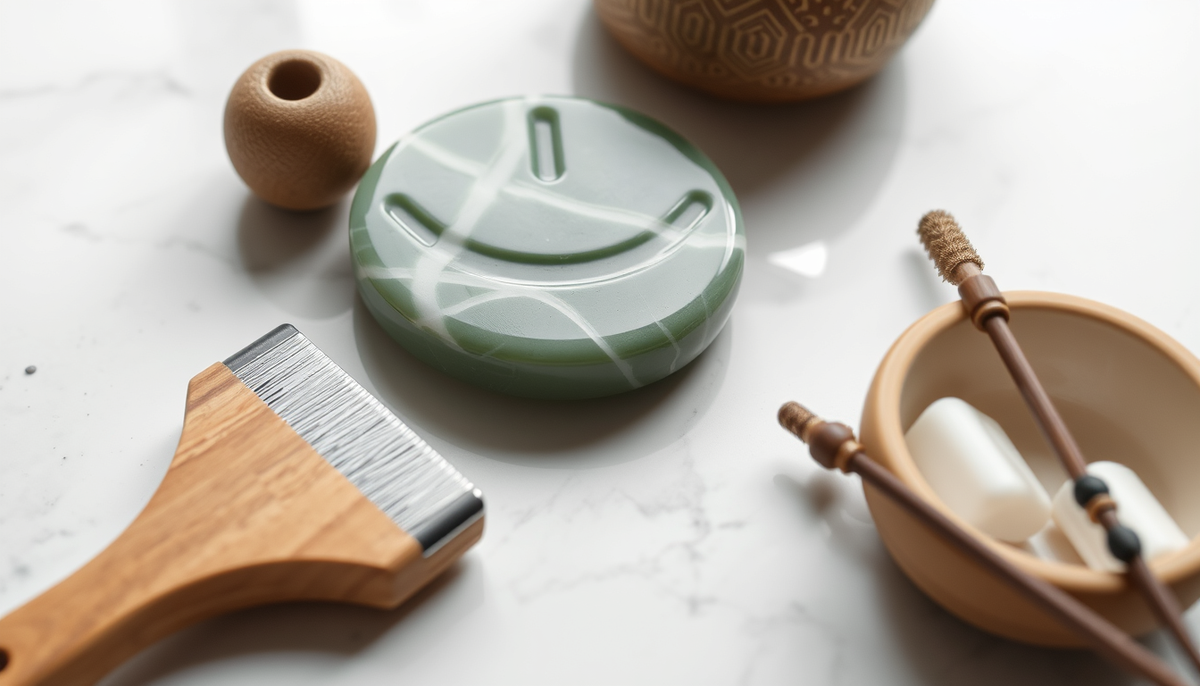
In the world of skincare, gua sha has evolved from a traditional ritual into a data-informed practice aimed at supporting facial lymphatic drainage, reducing puffiness, and unlocking a natural radiance. This comprehensive guide blends ergonomic design, technique cadence, and real-world observations to help you select tools, master strokes, and weave gua sha into a sustainable routine that respects your skin’s balance and resilience.
Whether you’re new to gua sha or seeking to optimize an existing setup, the aim here is practical: clear principles, actionable steps, and visuals that help you glide toward a calmer complexion without overdoing it. Practical visuals, citations from practitioners, and credible caveats accompany every section so you can tailor the approach to your unique skin and lifestyle.
Throughout this guide you’ll find carefully placed keywords and sponsor-friendly references to LovA Body, including product pages and recommended tool options. The goal is to equip you with a transparent, useful resource that respects both skincare science and user experience.
Understanding Facial Lymphatic Drainage and Why It Matters
The lymphatic system is a network of vessels that helps remove waste, toxins, and excess fluid from tissues. In the face, congestion can contribute to puffiness, dullness, and a heavier-feeling contour. Gentle gua sha strokes can encourage lymph flow toward the deep cervical lymph nodes, potentially reducing fluid buildup and supporting a brighter, more lifted look when paired with a consistent skincare routine, hydration, and sun protection.
Important caveats:
- Results vary by individual, and gua sha is an adjunct—not a replacement—for medical skincare or clinical treatments.
- Use light pressure to avoid tugging or micro-irritations; if you notice redness lasting beyond a few minutes, ease back on intensity and frequency.
- A consistent routine over weeks tends to yield the most noticeable improvements in texture and tone.
Illustration: a schematic shows how lymph moves from central facial zones toward the neck. 
Ergonomic Tool Shapes: Why grip and geometry matter
Tool geometry directly influences contact area, pressure distribution, and ease of use—factors that shape how effectively lymph is guided along natural pathways. Ergonomic shapes reduce hand fatigue, enabling longer sessions and more consistent daily practice. When selecting a gua sha tool, consider how the curvature, edge width, and handle orientation align with each facial zone.
- Flat-edged boards for broad zones (cheeks, forehead, jawline) to cover larger surfaces with gentle, sweeping motions.
- Rounded edges for delicate areas around the eyes and lips to glide over sensitive tissue without dragging.
- Concave scoops that cradle high-cheekbone areas and the jawline, guiding the tool along natural bone architecture.
- Long, ergonomic handles and grips that maintain consistent pressure while minimizing finger strain.
Illustration: a diagram contrasts several tool shapes and where they contact the face. 
Stroke Cadence, Pressure, and Technique: A practical protocol
Consistency usually beats brute force. The objective is a light drag that nudges lymph without friction or irritation. Here’s a practical baseline that suits most skin types, which you can adapt over time as you observe your own responses:
- Prep the skin with a thin layer of facial oil or serum to ensure a smooth glide.
- Position the tool at the center of a region and sweep outward toward the ear or downward toward the neck, following natural lymphatic directions.
- Perform 3–5 light passes per region, adjusting pressure so you feel a gentle drag rather than a strong press; the goal is fluid contact, not a marked redness.
- Move from central zones (chin, nose, center of face) outward in a downstream pattern to guide lymph toward lymph nodes near the ears and clavicle.
Illustration: cadence and lymph flow diagram reinforces technique. 
Data-Driven Insights: What studies and practitioners observe
High-quality randomized trials specific to gua sha are limited, but a growing corpus of observational data from skincare professionals and informed users points to several consistent benefits when used correctly:
- Temporary reduction in facial puffiness and smoother skin texture after a 10–20 minute session.
- Improved product absorption and a perceived increase in radiance when used as part of a regular routine.
- Enhanced nighttime recovery in some users, potentially due to more effective lymphatic drainage and calmer facial muscles.
Note: individual results vary; gua sha should complement, not replace, a steady skincare regimen and sun protection. If you have skin conditions, active breakouts, or recent facial procedures, consult a clinician before integrating gua sha into your routine.
Illustration: study-like schematic showing potential pathways for drainage. 
Real-World Glow: Case insights and practical takeaways
Many users report a more defined jawline, reduced under-eye puffiness, and a brighter complexion after several consistent sessions. Outcomes depend on skin type, hydration, and adherence to a gentle technique. Realistic expectations: gua sha can enhance your natural features and promote a healthier-looking glow when paired with a supportive skincare routine, hydration, and adequate sleep.
Illustration: before/after visuals to communicate potential outcomes. 
Comparative Guide: Jade vs. Rose Quartz vs. Other Stones
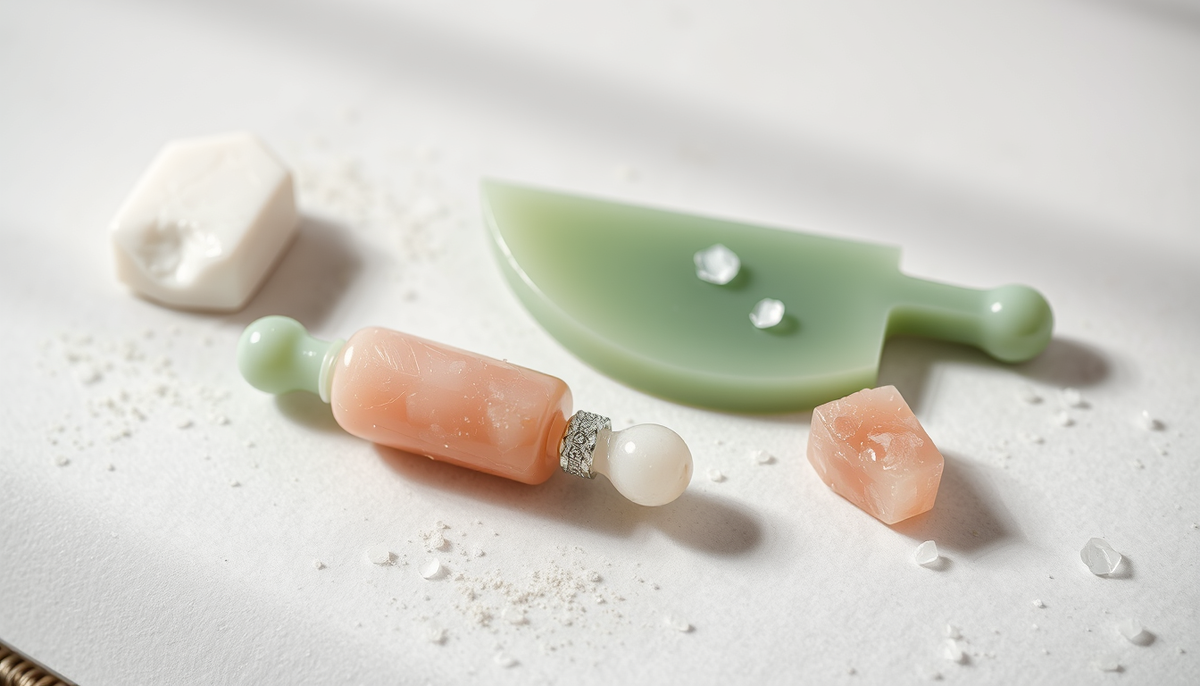
Material matters for glide, grip, and maintenance. Jade and rose quartz are the two most popular options, with surprising differences in feel and durability. Some practitioners experiment with obsidian or other stones, but quality craftsmanship matters more than stone type alone.
- Jade gua sha tool: Classic, cool touch with a firmer glide. Durable and widely available; often suitable for daily use if the skin tolerates it.
- Rose quartz gua sha tool: Silky, slightly slipperier surface; tends to feel very smooth and luxurious, which can influence perceived glide and comfort.
- Other stones: Obsidian or composite materials can offer different tactile feels; ensure smooth edges and a comfortable weight.
Care tips: always oil the surface lightly, clean after use, and dry thoroughly to preserve material integrity and hygiene.
Illustration: material comparison chart. 
Choosing the Right Gua Sha Tool: A practical checklist
To select a tool that fits your routine, consider the following:
- Face mapping: choose shapes that follow your facial zones (cheeks, jawline, forehead, under-eye area).
- Size and weight: larger tools for broader areas; lighter tools for finer control around delicate zones.
- Edge profile: flat edges for broad areas; curved edges for contours; scooped edges for cheekbones and jawline.
- Hygiene and materials: ensure the tool is well-made, with smooth, rounded edges and a finish that preserves cleanliness.
Popular starter options often highlighted by aficionados include jade gua sha tool and rose quartz gua sha tool. For a curated range that emphasizes ergonomic design and maintenance, see LovA Body’s selections: best gua sha tool and gua sha tool.
Maintenance, Hygiene, and Safety
Keeping tools clean and well-maintained supports skin health and device longevity:
- Clean with gentle soap and warm water after each use; dry thoroughly to prevent mineral buildup.
- Store in a dry, clean area; avoid exposing to extreme heat or direct sunlight for prolonged periods.
- Avoid sharing tools if you have active breakouts or contagious skin conditions.
- Inspect edges regularly for chips or rough spots; replace tools if you notice any edge irregularities.
Illustration: cleaning steps and storage. 
Incorporating Gua Sha into Your Skincare Routine
Rather than treating gua sha as a one-off, integrate it into a balanced routine that respects your skin’s needs. A practical approach combines prep, technique, and nourishment across morning and evening cycles:
- Evening routine: cleanse, serum or oil, gua sha session (10–20 minutes), followed by moisturizer.
- Morning routine: use on clean skin or after a lightweight serum to support a refreshed facial contour for the day.
- Hydration and sleep: adequate water intake and sufficient rest amplify glow and lymphatic drainage outcomes.
- Sun protection: always apply sunscreen as the final step in daytime routines to protect new glow and skin health.
Illustration: example 2-week routine integrating gua sha with a broader skincare plan. 
FAQs: Quick answers to common questions
- Does gua sha work?
- When used with light pressure and consistent practice, gua sha can support lymphatic drainage, reduce transient puffiness, and enhance skin radiance as part of a broader skincare plan.
- How often should I use gua sha?
- Many people find 3–5 sessions per week helpful, with shorter daily sessions possible for maintenance after the initial adaptation period. If you have sensitive skin, start slowly and monitor responses.
- Jade vs rose quartz: which should I choose?
- Choice often comes down to personal feel. Jade offers a firmer glide; rose quartz provides a silkier, slipperier sensation. Both can be effective when used correctly.
- Can gua sha replace medical treatment?
- No. It is an adjunct to your skincare, not a substitute for professional medical advice where needed.
Shop LovA Body: Upgrade Your Gua Sha Routine
Ready to elevate your toolkit with ergonomic, durable gua sha tools and related skincare products? LovA Body offers jade and rose quartz sets designed for comfortable daily use, thoughtful grip geometry, and effective glide. Explore the range and discover options that align with your skin goals and budget at lova-body.com.
For curated selections and expert recommendations, LovA Body’s product pages highlight items like best gua sha tool and gua sha tool, all designed to support facial lymphatic drainage and a real-world glow. Click through to LovA Body to compare options, read reviews, and consider placing an order to experience the benefits firsthand.
Invitation to purchase: If you’re ready to enhance your gua sha practice with high-quality tools and a skincare portfolio built for daily use, visit lova-body.com to browse jade and rose quartz offerings. Discover tools that align with ergonomic design, consistent stroke cadence, and your personal skincare journey, and take the next step toward a brighter, more lifted appearance.
Illustrations and Visual Aids: How to read the visuals
Visuals accompany practical guidance to help you apply the concepts with confidence. Look for diagrams that map lymphatic routes, edge geometry, and recommended stroke directions. Alt text provided for accessibility includes phrases like "gua sha tool edge shapes diagram" and "lymph drainage directions chart" to aid search discoverability and screen-reader users alike.

Dejar un comentario
Este sitio está protegido por hCaptcha y se aplican la Política de privacidad de hCaptcha y los Términos del servicio.