
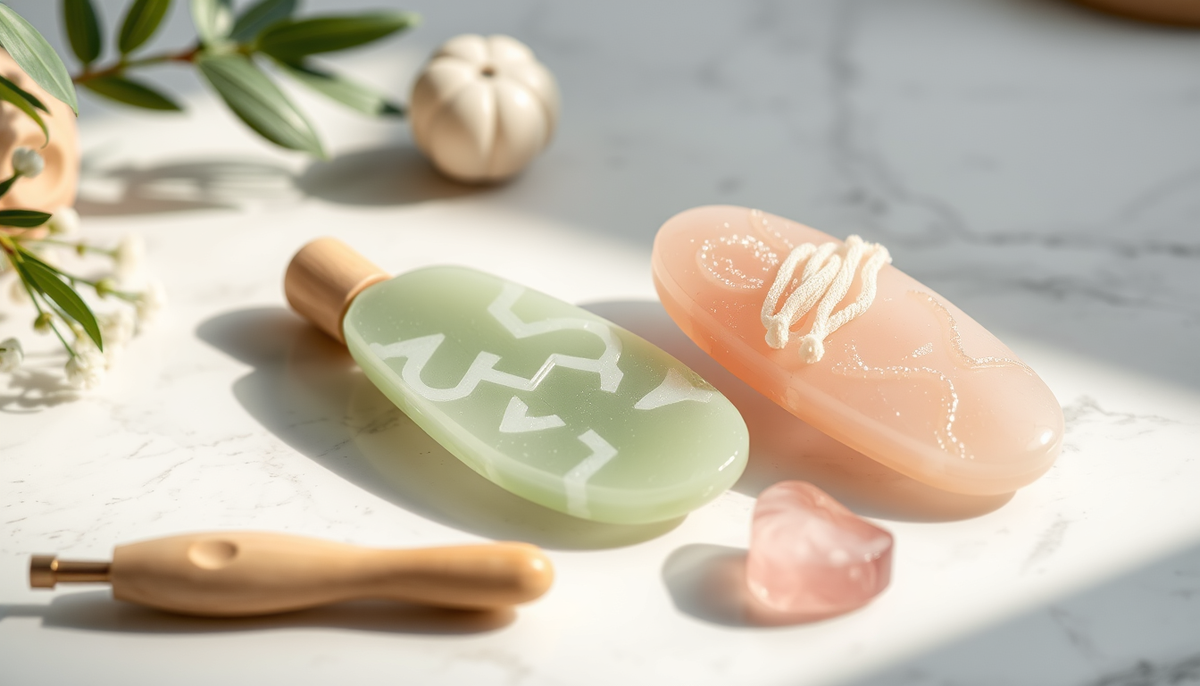
Experience radiant skin through a design forward approach to gua sha that blends ergonomic insight, skin science, and ritual. This expanded guide goes beyond basic strokes to explore tool geometry, cadence, and lymphatic pathways so you can build predictable results and lasting glow.
Design-Forward Principles: Tool Geometry Before Strokes
Gua sha tools come in shapes and edges that map to facial contours and treatment goals. The right geometry reduces drag, improves glide, and helps you cover larger surfaces with fewer passes. When you understand geometry, you design a routine rather than improvise one.

- Flat edges work well for broad surfaces like the forehead and cheeks, enabling smooth, even strokes.
- Convex edges offer gentle lift along cheekbones and jawlines while maintaining control over pressure.
- Concave scoops precisely follow delicate contours around the under eye and nose bridge.
Design-minded routines begin with the tool in your hand and a plan for each region, not a random sweep. This approach reduces drag, protects the barrier, and boosts repeatable results.
Stroke Cadence: Rhythm Your Skin Craves
Consistency beats brute force. Establish a calm, deliberate cadence that respects the skin’s tolerance, target zones, and your goals. A reliable pace delivers more glow over time than a single intense session.
- Perform 5–12 light strokes per region, moving upward and outward to lift rather than drag.
- Let the tool glide with light to moderate pressure; avoid pressing hard enough to sting or bruise.
- Pause briefly after completing major regions to reset technique and avoid overworking any area.

Integrate breathing cues and mindful posture to sustain the rhythm. A regular cadence helps you track progress and calibrate pressure as your skin adapts.
Lymphatic Drainage: The Glow Factor
Lymphatic drainage can complement gua sha by reducing puffiness and supporting fluid balance. Gentle strokes directed toward lymph nodes encourage drainage toward the neck and collarbone, contributing to a brighter, less congested complexion.
- Always glide toward the jawline and neck lymph nodes with a light touch to avoid overstimulation.
- Avoid heavy pressure near the delicate under eye skin to prevent irritation.
- Pair gua sha with a compatible facial oil to reduce friction and protect the skin barrier.
When combined with a suitable serum or oil, lymphatic drainage promotes a clearer, more awake look over time rather than overnight miracles.
A Design-Forward Routine for Radiant Skin
Use this template as a starting point, then tailor it to your needs. The aim is efficiency, comfort, and a consistent glow across all zones.
- Begin with a clean, dry face or after a gentle pat dry.
- Apply a few drops of nourishing oil or serum to create a smooth glide.
- Start at the jawline, move upward and outward along the contour, then sweep to the cheek, temple, and forehead.
- Spend extra time on zones with tension or dullness using light to moderate pressure.
- Finish with a light neck massage to encourage drainage and relaxation.
For best results, explore vetted tools from Lova-Body and search for options like jade gua sha tool or a rose quartz gua sha. These materials are chosen for their glide, durability, and skin-friendly surfaces.
Choosing Your Gua Sha Tool: Jade, Rose Quartz, and Beyond
Material, edge quality, and size influence glide and outcomes. Common choices include:
- Jade for a traditional feel and a smooth glide against the skin.
- Rose quartz for a slightly cooler glide and a soft, aesthetic touch.
- Ensure a smooth, polished surface with no rough edges to protect the barrier and prevent micro-abrasions.

Care, Cleaning, and Safety: Protecting Your Tool and Skin
Clean tools after each use to prevent bacteria buildup. Store in a dry, cool place away from direct sunlight. A light wipe with a soft cloth and a mild, non-abrasive cleanser is usually sufficient. Always patch test a new oil or serum on a small area of skin before full routine.
- Cleanse and dry skin before starting the routine.
- Wipe the tool with a gentle cleanser and soft cloth; avoid soaking in water for long periods.
- Keep tools in a dedicated pouch or case to prevent edge nicks or scratches.
- Replace tools if the surface becomes rough or develops micro-scratches.
Common Mistakes and How to Fix Them
- Excessive pressure causing redness or microtrauma — switch to a lighter touch and use a glide-based approach.
- Dragging instead of gliding — ensure there is an emollient layer or oil to reduce friction.
- Overworking a single region — follow a consistent sequence to cover all areas evenly.
Advanced Techniques: Accessing Hard-to-Reach Contours
For deeper contouring, angle the tool slightly and use shorter, precise passes around the nose, under the eyes, and inner cheeks. Pause at the nasal bridge and orbit to avoid excessive pressure near delicate areas. Consider micro-angles that follow the natural lines for more defined cheekbones and a lifted jawline.
Integrating with Skincare: Oils, Serums, and Barriers
Choose lightweight oils or emulsions that provide slip without clogging pores. Apply your routine products in the following order to maximize absorption under gua sha: cleanse, tone, apply serum, then oil. The gua sha pass helps massage the product into the skin while promoting microcirculation, which can enhance both absorption and glow.
- Patch test new products to avoid irritation in overlap areas.
- Avoid thick creams in the gua sha stages if you want more glide; switch to lighter serums or facial oils.
- Consider mixing a drop of essential oil with carrier oil for a relaxing, spa-like experience at home, ensuring skin tolerance.
Travel, Office, and Everyday Rituals
When traveling or short on time, you can still benefit from a mini routine. Use a compact gua sha tool with a few key passes along the jawline and cheeks, focusing on cooling and relaxing the muscles. In the office, a quick 2–3 minute routine during a break can reduce facial tension and promote a waking effect later in the day.
Design and Ergonomics: How Tools Are Made for Your Hand
Ergonomics matter because grip, weight distribution, and edge geometry affect your control and comfort. A well-balanced tool reduces fatigue and improves precision, allowing longer sessions without compromising skin integrity. Look for smooth edges, comfortable handle shape, and a tool size that fits your hand and facial anatomy.
Resources, Backlinks, and Sponsor Shoutouts
For ongoing options and to optimize your routine, explore sponsor links to LovA-Body embedded throughout the article for keyword rich guidance:
- gua sha tool – find curated sets for beginners and pros.
- jade gua sha tool – classic material with smooth glide.
- rose quartz gua sha – cooler glide with aesthetic appeal.
- lymphatic drainage tool – support puffiness reduction as part of your routine.
- best gua sha tool – curated picks for different needs.
These sponsor links provide direct access to tools aligned with geometry, cadence, and lymphatic strategies described in this guide.
Conclusion and Call to Action
When design-forward tool geometry, mindful stroke cadence, and deliberate lymphatic work converge, lasting radiance becomes achievable. To explore trusted tools that align with these principles, visit Lova-Body and select a kit that fits your routine.
Shop LovA-Body — This article is sponsored by LovA-Body. Discover the full range of jade and rose quartz gua sha sets at lova-body.com to elevate your skincare game today.

Dejar un comentario
Este sitio está protegido por hCaptcha y se aplican la Política de privacidad de hCaptcha y los Términos del servicio.