
Gua sha has evolved from an ancient healing practice into a modern skincare staple. This comprehensive guide compares jade, quartz, and ceramic tools to help you choose the right option for your skin type, lifestyle, and goals. You’ll learn how each material feels, how they interact with your skincare routine, and how to use them safely for visible, lasting radiance. Along the way, you’ll find practical illustrations and pro tips to support confident, effective use at home.
Understanding the Science Behind Gua Sha
Gua sha uses a smooth-edged tool to stroke the skin, stimulating microcirculation and encouraging lymphatic drainage. The goal is to reduce puffiness, support detoxification, and enhance skin glow. While the exact mechanisms vary by individual, consistent use over time can improve facial contour, skin texture, and product absorption when paired with appropriate serums or oils.
Key ideas to keep in mind:
- Temporary redness is common and a sign of increased blood flow.
- A well-linished, non-abrasive edge reduces the risk of micro-tears.
- Combining gua sha with a hydrating oil or serum helps the tool glide smoothly and prevents drag.
Jade Gua Sha: The Classic Choice
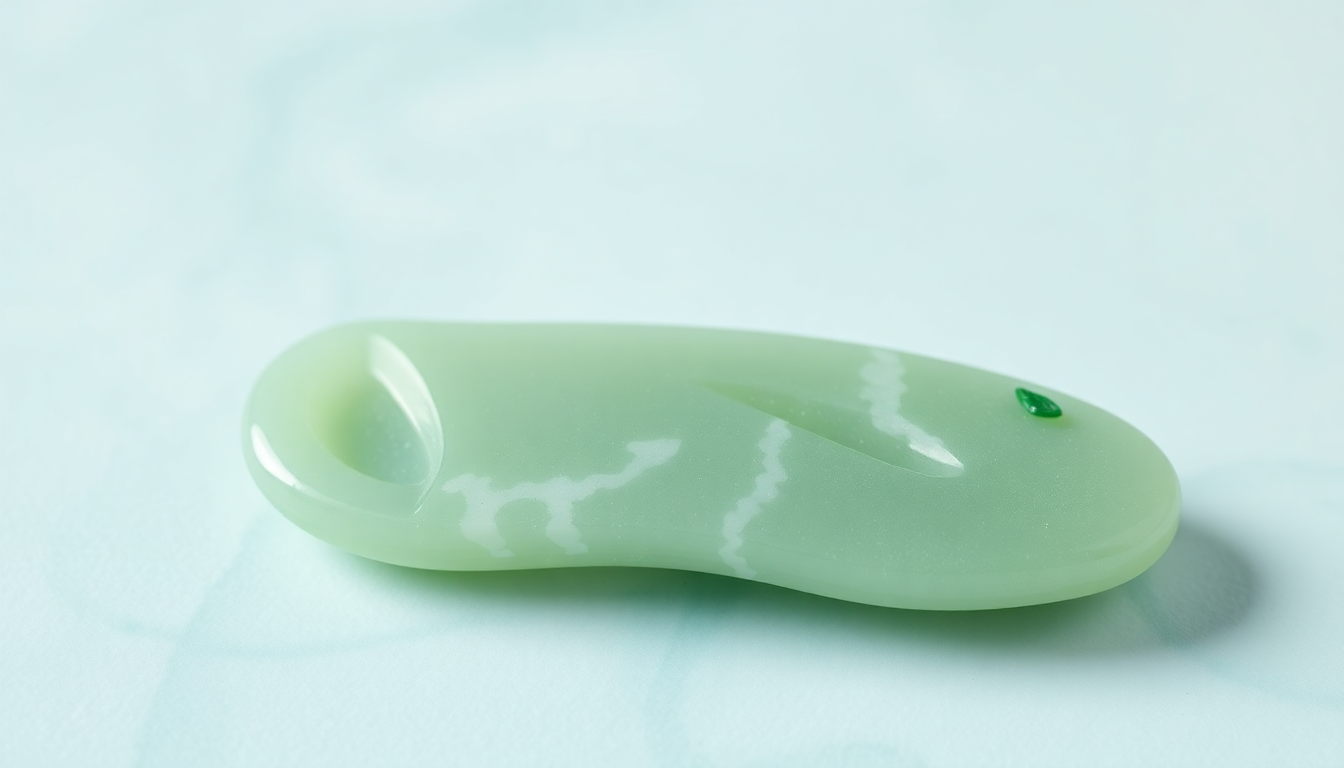
Jade has been a favored material for gua sha for centuries. Its cool touch can soothe inflamed skin and impart a ceremonial, luxurious feel. Jade is renowned for durability and a long lifespan, making it a reliable long-term tool for daily or weekly routines. The weight and density vary across pieces, which influences technique and user comfort.
- Excellent for sensitive or reactive skin due to its natural coolness
- Durable with a traditional, heritage-rich appeal
- Stable glide that works well along the jawline, cheekbones, and neck
Quartz Gua Sha: Rose Quartz vs. Clear Quartz
Quartz gua sha tools come in a few varieties, with rose quartz and clear quartz being the most popular for facial use. Rose quartz is often chosen for its gentle, soothing energy and elegant look, while clear quartz is valued for a crisper glide and a lighter touch that many users appreciate for delicate areas. Both offer a modern aesthetic and a slightly different weight, which can influence technique and comfort.
- Smoother, cooler glide ideal for sensitive regions like under the eyes
- Rose quartz adds a soft, comforting feel; clear quartz adds a crisp, efficient massage
- Careful cleaning needed to maintain clarity and prevent mineral buildup
Ceramic Gua Sha: A Lightweight, Budget-Friendly Option
Ceramic gua sha tools are typically lighter and very smooth, delivering a brisk glide that feels almost glass-like. They’re often more budget-friendly and easy to clean, making them a good entry point for beginners. The trade-offs can include slightly less durability under heavy daily use and the risk of chipping if dropped or treated roughly.
- Lightweight, easy to maneuver for newcomers
- Smooth surface with a clean, modern aesthetic
- Affordability and ease of maintenance; monitor for wear over time
Head-to-Head: Quick Comparisons by Category
Jade and quartz generally offer a cooler, gliding feel; ceramic provides a lighter, briefer touch with a very smooth surface. - Temperature and sensation: Jade and quartz often feel cool and soothing for puffiness; ceramic tends to be room temperature and can feel slightly warmer during longer sessions.
- Durability and price: Jade is typically the most durable and may carry a premium; quartz offers good durability with varied pricing; ceramic is usually the most budget-friendly but slightly less durable with heavy daily use.
- Maintenance: All require cleaning after use; avoid harsh cleaners and ensure complete drying to prevent bacteria buildup.
How to Use Gua Sha for Facial Lymphatic Drainage: Step-by-Step
- Cleanse thoroughly and apply a thin layer of facial oil or serum to facilitate a smooth glide.
- Begin at the neck, using light, sweeping strokes toward the jawline to stimulate lymphatic flow.
- Move to the jawline and cheek area with 15–45 degree angles, sweeping from the center of the face outward along the cheekbone.
- Treat the under-eye area with extremely light contact and short, outward strokes; avoid direct pressure on the eye itself.
- Finish the routine with a gentle pass along the forehead toward the temples and hairline.
- Clean the tool after use and store in a dry, cool place away from direct sunlight.
Tip: A 3–5 minute session, 3–5 times per week, is a practical starting point. The goal is consistency; gradual gains compound over weeks and months, not days.
Targeted Routines for Common Areas
Different contours of the face benefit from specific angles and strokes. Here are practical patterns to remember:
Use a firm, upward sweep along the jawline to accentuate definition. Glide from the center of the face outward along the cheekbone, using light pressure. Move from the center of the forehead outward toward the temples and hairline.
Tuning Your Routine to Skin Type and Climate
Skin can respond differently to gua sha depending on oil production, sensitivity, and environmental factors. Consider these guidelines as you tailor your approach:
Focus on lighter strokes and cool metals to calm inflammation; use fewer serums to avoid drag. - Dry or mature skin: A slightly heavier oil or serum can help preserve glide and support hydration layers.
- Sensitive skin: Choose jade or rose quartz for a cooler, soothing touch and operate with ultra-light pressure.
- Humidity and heat: Hydration is key; ensure your products are well-lubricated to prevent friction.
Maintenance, Safety, and Longevity
- Avoid cracked or chipped edges; replace tools that show signs of damage to protect the skin.
- Never apply excessive pressure; gua sha should feel like a gentle massage rather than a scrape.
- Always cleanse the tool and hands before and after use; dry thoroughly to prevent bacterial growth.
- Store in a clean, dry place away from direct sunlight to preserve surface integrity.
- If you have rosacea, eczema, or wounds, consult a skincare professional before using gua sha.
Ethical Considerations and Sustainability
When choosing gua sha tools, consider the sourcing and manufacturing practices of the brand. Opt for tools created with responsibly sourced stones, proper quality control, and clear information about materials. A durable tool that lasts years contributes less waste than frequent replacements.
Visuals and Alt Text: Enhancing Accessibility
Images play a crucial role in illustrating technique and tool selection. Each visual in this article includes descriptive alt text to support accessibility and SEO. For example:
- Jade gua sha tool gliding along the cheek with a cool, smooth glide
- Rose quartz tool showing a gentle, luminous surface
- Ceramic gua sha with a slim, flat edge for precise strokes
Backlinks, Shopping Guide, and Sponsored Content
Ready to explore jade, quartz, and ceramic gua sha sets? You can browse high-quality options from trusted sources such as Lova Body. To help you quickly find relevant products, consider these linked keywords that point to Lov a Body product pages:
- gua sha tools Lova Body
- jade gua sha tool Lova Body
- rose quartz gua sha Lova Body
- facial lymphatic drainage tool Lova Body
Note: Some product links in this article are sponsored to support the creation and maintenance of high-quality content and unbiased reviews. Always assess the tools based on your own skin needs and comfort.
Choosing the Right Tool: A Short Guide
With jade, quartz, and ceramic, there isn’t a single “best” option. Your choice depends on texture preference, skin sensitivity, budget, and how you want the routine to feel. If you want a timeless, durable option with a cooling sensation, Jade is a strong start. If you prefer a lighter touch with a modern aesthetic and options for rose or clear quartz, Quartz can be ideal. If you’re seeking a budget-friendly, travel-friendly entry point with a smooth glide, Ceramic is a solid choice. The most important factors are consistency, technique, and clean, safe practice.
Conclusion: Building a Radiant Routine
Gua sha is a versatile addition to a skincare routine when approached with care. Jade, rose quartz, and clear quartz offer distinct tactile experiences, while ceramic provides an approachable entry point. The secret to radiant skin is consistent use, proper technique, and mindful maintenance. Pair your tool with a quality skincare regimen and a hydration-first mindset for the best long-term results.
To start your journey toward improved lymphatic drainage and a luminous complexion, explore jade, quartz, and ceramic gua sha sets at Lova Body and bring a touch of spa-like luxury to your daily routine.

Dejar un comentario
Este sitio está protegido por hCaptcha y se aplican la Política de privacidad de hCaptcha y los Términos del servicio.