
Introduction: Gua Sha Toolkit Evolution and Why It Matters in 2026
The practice of gua sha has traveled from ancient, single-stone rituals to sophisticated toolkits designed for consistency, safety, and measurable skincare benefits. This comprehensive guide dives into the design principles behind modern gua sha tools, refined hand techniques, and how lymphatic drainage can contribute to a brighter, more lasting glow. Whether you’re a curious beginner or a seasoned user, understanding the toolkit evolution helps you select the right tools, optimize your technique, and set realistic expectations.
Design Principles That Define Modern Gua Sha Tools
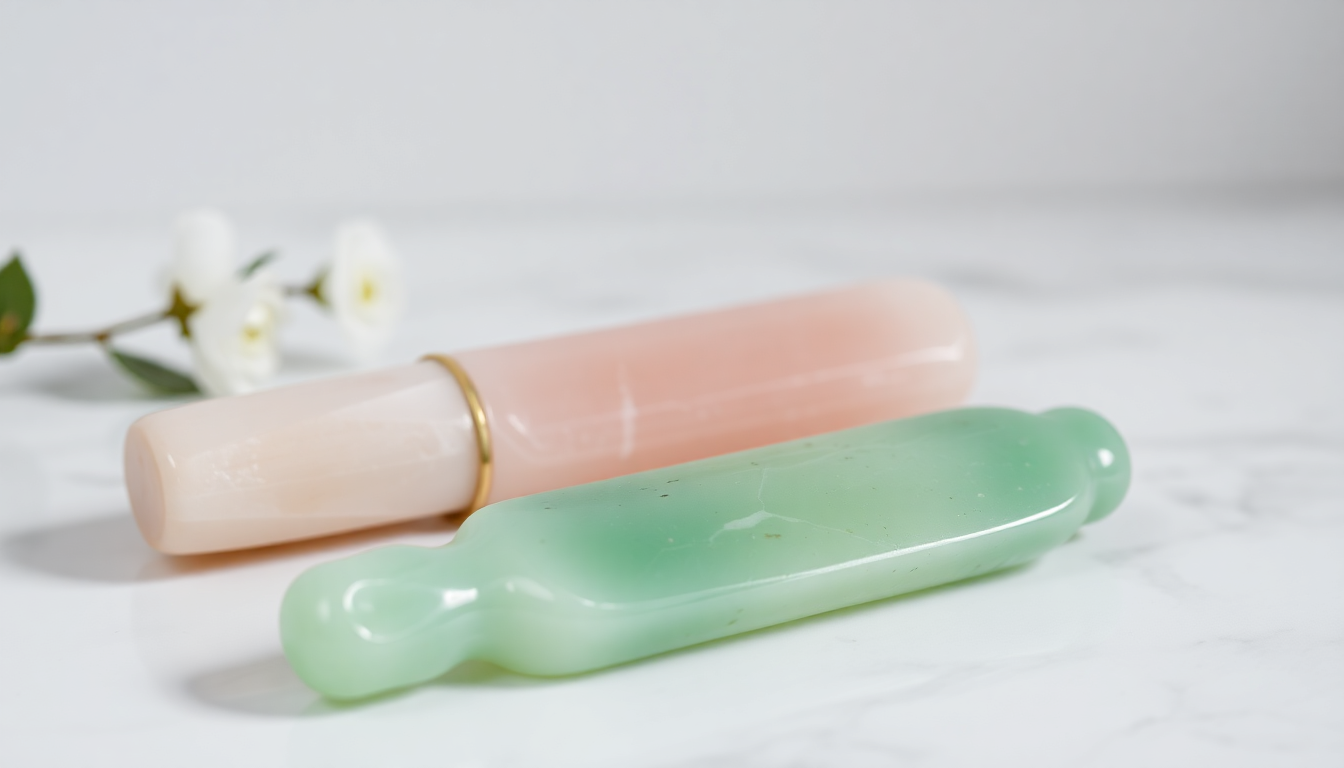
- Material quality: Non-porous stones such as jade and rose quartz with density, smoothness, and temperature retention that support a comfortable glide.
- Ergonomics and grip: Contoured handles and balanced weight distribution to reduce hand fatigue and improve precision during longer sessions.
- Edge geometry: A spectrum of shapes—spoon, crescent, flat, and curved edges—mapped to forehead, cheeks, jawline, and delicate eye areas.
- Finish and safety: Extremely smooth surfaces with rounded edges to minimize micro-abrasions and skin irritation.
- Hygiene and care: Easy-to-clean designs, antimicrobial surfaces where feasible, and clear sanitation guidance between uses.
- Sustainability and longevity: Ethically sourced materials and durable construction designed for years of use, reducing waste in skincare routines.
Materials Deep Dive: Jade, Rose Quartz, and Alternatives
- Jade: Classic choice with a cooling effect and durable surface; favored for its traditional association with harmony and balance.
- Rose quartz: Often lighter in color with a smoother texture; prized for its soft, soothing glide and perceived gentle energy.
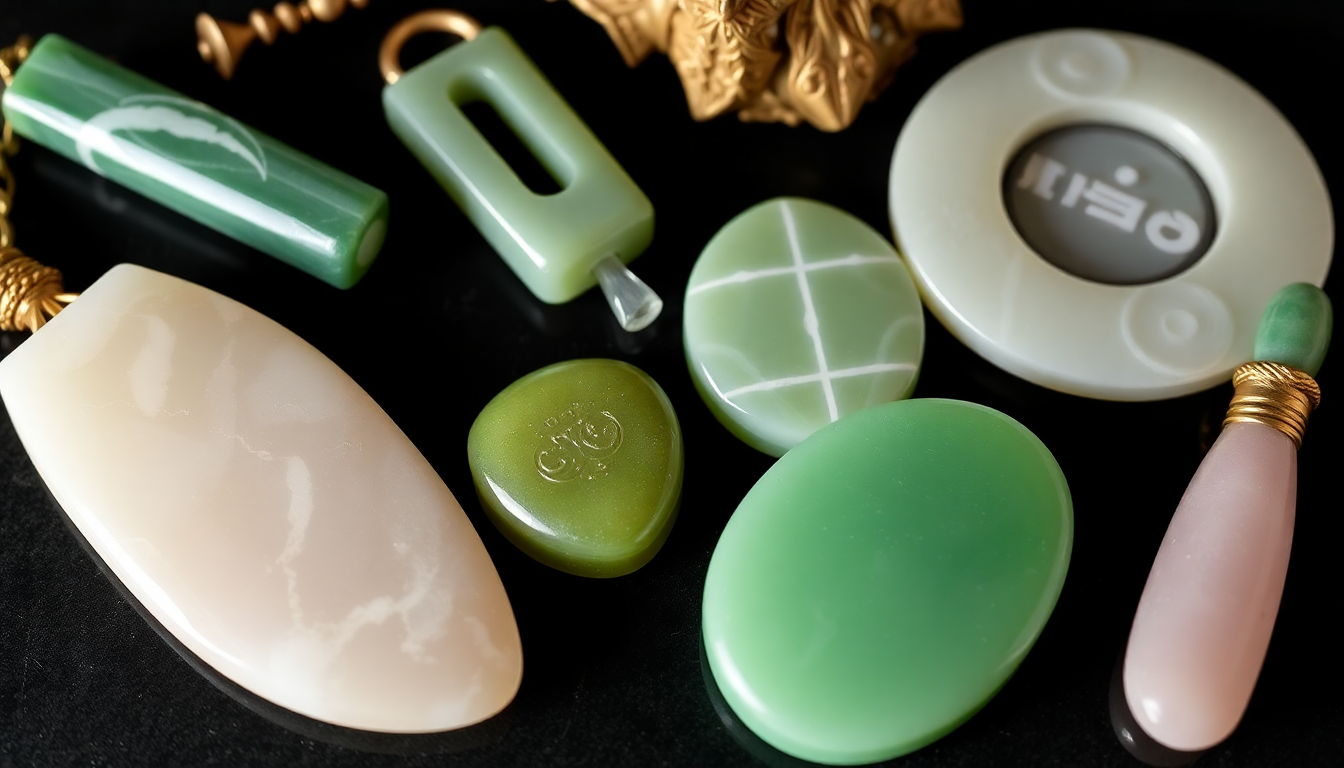
- Alternative stones: Aventurine, black obsidian, and other stones can offer different tactile feels and aesthetic preferences; always prioritize a smooth, well-finished edge.
- Care considerations: Regardless of material, avoid dropping tools, store in a protective pouch, and clean after each use to maintain hygiene and performance.
Shapes, Edges, and Zone-Specific Applications
Wide, flat edges glide across broad areas to reduce drag and encourage even pressure. Curved edges follow the natural contours, aiding lymphatic drainage and gentle lift. Firm edges along the jawline help sculpt while supporting drainage down the neck. Very light pressure and smaller curves minimize tension and prevent stretching delicate skin. Subtle, targeted strokes with appropriate shapes can assist in smoothing without irritation.
Ergonomics and Hand Physics: How to Hold for Precision
A relaxed palm grip for broad strokes and a pinched grip for precision around curves and around the nose. - Weight balance: A tool with balanced weight reduces strain and enables longer, steadier sessions.
- Thermal cues: Tools can feel cooler due to material properties; brief chilling can intensify the cooling sensation for de-puffing.
- Stability: Keep wrists neutral and let the tool glide rather than tug the skin, to protect delicate facial tissue.
Hand Techniques: From Grip to Glide — A Detailed Practice
- Warm-up strokes: Gentle sweeping on the neck and decollete to encourage circulation before facial work.
- Center-outward progression: Start at the center of each zone and work outward to promote drainage and contour.
- Forehead: Horizontal or vertical strokes with light to moderate pressure, avoiding the temple area where skin is thinner.
- Cheeks: Upward and outward sweeping motions to support lift without dragging skin downward.
- Under-eye and orbital bone: Very light pressure and small, controlled motions to avoid stretching calm and sensitive skin.
- Jawline and chin: Downward strokes toward the neck to assist drainage and define the jaw.
- Neck and décolletage: Smooth, downward sweeps that guide lymph using gentle pressure, avoiding the front of the neck if sensitive.
- Sequence planning: Reserve larger tools for broader zones and reserve smaller shapes for tight contours and around the nose.
- Friction and glide: Maintain a light layer of facial oil or serum to minimize friction and protect the skin barrier.
- Post-session routine: Follow with a hydrating serum or moisturizer to seal in moisture and support barrier repair.
Lymphatic Drainage Outcomes: Realistic Expectations and What It Takes to Sustain It
Gua sha can help stimulate superficial lymph flow, reduce puffiness, and enhance radiance when combined with a consistent skincare routine. Realistic outcomes include:
- Immediate de-puffing and a brighter look after a single session due to improved microcirculation.
- Subtle, cumulative improvements over weeks with regular practice and proper hydration.
- Better product absorption when applied before serums and moisturizers, enhancing performance of active ingredients.
Tips for sustainable results: hydrate well, wear sunscreen to protect skin, and avoid excessive pressure or frequency that could irritate sensitive skin. Always listen to your body and adapt your routine accordingly.
Toolkit Evolution: From Stone to Smart Toolkits
Classic gua sha began with single-stone scrapers in jade or similar minerals. Modern advancements include multi-piece kits, shape varieties, and ergonomic features designed for consistency and ease of use. Highlights of the evolution include:
- Multi-piece sets that map to facial zones for comprehensive coverage.
- Ergonomic handles and weight distribution to minimize fatigue during longer sessions.
- Temperature-responsive features, such as cool-touch surfaces or short refrigeration benefits for soothing effects.
- Hygienic surfaces and protective coatings that support routine daily use.
Practical Guide: Safe and Effective Use — Best Practices
Use moderate pressure with slow, deliberate strokes; avoid dragging across fragile areas. Clean tools after use with mild soap and water; air dry completely to prevent residue buildup.
Illustrations: Visual Guides and Practical Demonstrations


Backlinks, SEO-Driven Recommendations, and Product Highlights
For those seeking premium tools, explore the premium selections that align with the principles discussed above. The following curated options are specifically designed to optimize comfort and results. Key SEO-friendly anchors include: best gua sha tools, jade gua sha tool, and rose quartz gua sha. Direct product pages on the Lova Body site offer material details, ergonomic features, and user reviews that can guide your choice.
Throughout this article you may notice strategic mentions and links to curated suppliers like Lova Body. These selections emphasize quality materials, reliable construction, and thoughtful design to support your routine.
Product Spotlight and Why It Matters for Your Routine
- Quality materials: Jade and rose quartz tools with smooth edges for a comfortable glide.
- Ergonomic design: Handles and shapes crafted to reduce fatigue during daily use.
- Hygiene: Easy cleaning and protective storage to keep tools in prime condition.
- Value over time: Durable construction reduces the need for frequent replacements, supporting sustainable skincare habits.
Conclusion: Elevating Your Gua Sha Practice with Thoughtful Design
By understanding design principles, refining hand techniques, and prioritizing lymphatic drainage outcomes, you can elevate your gua sha practice to achieve radiant, lasting skin. If you’re ready to upgrade your toolkit, explore the curated Jade and Rose Quartz gua sha collections and other quality options at Lova Body.
Sponsored note: This article includes sponsored links to Lova Body; purchases through these links help support the creation of future skincare guides.
Invitation to Purchase: Start Your Premium Gua Sha Journey Today
Ready to experience the benefits discussed above? Visit Lova Body to discover their curated jade gua sha tool, rose quartz gua sha, and other high-quality toolkit components. Invest in a tool that aligns with design excellence, skincare science, and your personal routine.

Dejar un comentario
Este sitio está protegido por hCaptcha y se aplican la Política de privacidad de hCaptcha y los Términos del servicio.