

Introduction
Gua sha has evolved from a traditional ritual into a practical, geometry-driven routine that blends science, touch, and aesthetics. This framework centers on cadence, material choice, and the directionality of strokes to support facial lymphatic drainage while protecting the skin. Whether you are a skincare enthusiast, a beauty professional, or curious about how to optimize your at-home routine, the following guide offers a comprehensive, repeatable method that scales with your needs.
Why Geometry Matters in Gua Sha
Edge geometry is not just a matter of feel; it shapes how pressure is distributed, how the tool interacts with fascia, and how effectively lymphatic channels are activated. A well-chosen edge geometry reduces drag, minimizes tissue shear, and helps you glide smoothly along natural contours. When you align your tool geometry with your anatomy, you unlock more predictable results with less effort.
Core Geometry Principles for Gua Sha
- Edge curvature and radius: A broader edge yields gentler contact; a finer edge targets specific lines around the jaw and eyes.
- Fulcrum and angle: Subtle adjustments in the tool’s angle (roughly 15–30 degrees) influence glide versus lift and how pressure is transmitted to underlying fascia.
- Surface area and footprint: The edge’s surface contact area affects friction and the ability to cover larger zones in a single pass.
- Linearity with lymphatics: Align strokes with established lymphatic pathways to facilitate drainage toward cervical nodes.
Cadence Framework: When, How Much, and How Often
Establishing a reliable cadence helps prevent overstimulation and gives you a repeatable baseline. Consider the following stages, which you can adapt for daily or weekly use:
- Warm-up: 2–3 gentle sweeps with a clean, lightly oiled surface to prep the skin and reduce drag.
- Glide stage: 5–12 seconds per area with even, light-to-moderate pressure; avoid dragging skin or creating red patches.
- Focus zones: Jawline, cheek, under-eye, brow and forehead; treat each side evenly to maintain balance.
- Zone transitions: Move smoothly from one area to the next to sustain a continuous glide.
- Drainage-oriented passes: Use strokes toward the neck along lymphatic channels; never push toward the center of the face.
- Edge-specific passes: Switch tool edges for different areas (e.g., broader edge for cheeks, finer edge for under-eye).
- Rest and reassess: Pause between zones to check color, sensation, and comfort level.
- Cooldown: Light tapping or a gentle sealing pass with oil to close the session.
- Frequency guidelines: 2–4 sessions per week is common; daily maintenance can be lighter and shorter depending on skin tolerance.
- Post-care: Hydrate, moisturize, and consider a cool compress to reduce any transient redness.
Materials: Jade, Rose Quartz, and Other Tools
Material choice influences glide, temperature, and skin compatibility. Popular options include:
- Jade gua sha: Classic, cool, and highly versatile for most skin types.
- Rose quartz: Slightly softer sheen with a gentle friction profile; favored for calming routines.
- Other smooth, non-porous stones and curated metals designed for facial use, each with its own glide and feel.
Tool Shapes and When to Use Them
Different shapes serve different facial landscapes. Here are practical mappings:
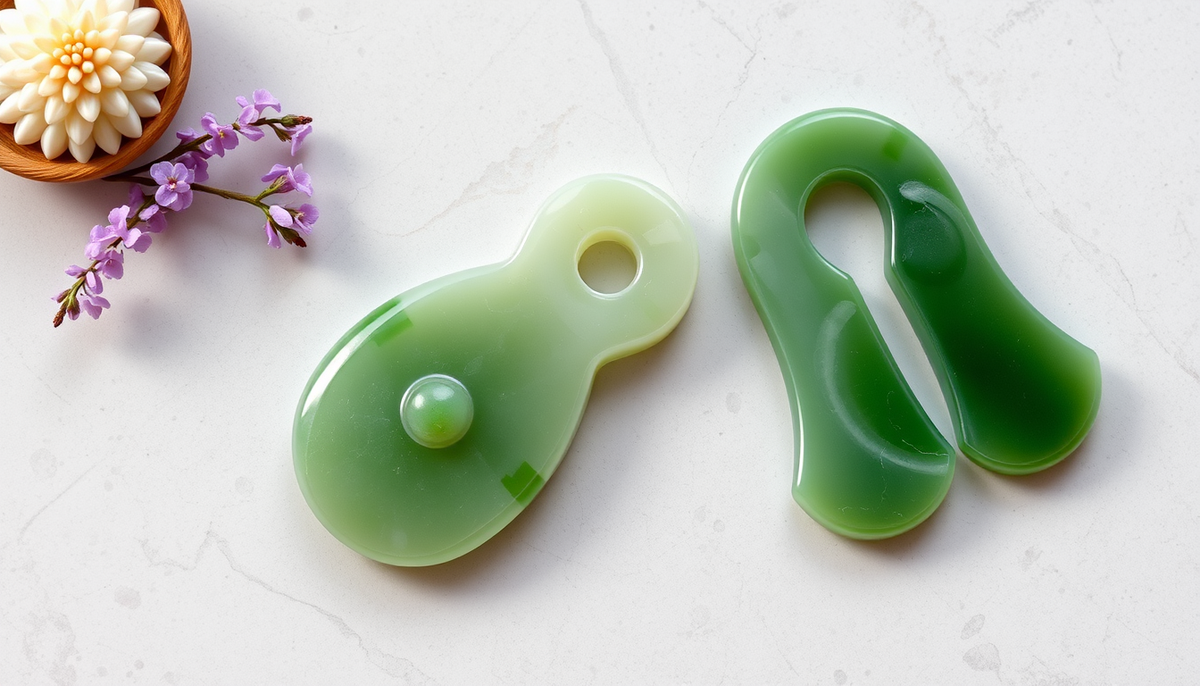
- Flat or broad edges: Great for large planes like the cheeks and forehead; efficient for coverage and cooling.
- Curved edges: Ideal for following the jawline, cheek hollows, and around the mouth where contours are deeper.
- Pointed or narrower edges: Best for delicate areas (under-eye, brow arc, nasal folds) that require precision.
Facial Lymphatic Drainage: Techniques and Safety
Gua sha can support lymphatic drainage when strokes align with natural pathways. Prioritize skin preparation, then use directionally guided passes toward the neck lymph nodes:
- Always start with clean hands and a clean tool; sanitize before and after use.
- Apply a hydrating serum or facial oil to reduce friction and protect the stratum corneum.
- Use light to moderate pressure; the skin should flush pink but not bruise.
- Avoid broken skin, active lesions, eczema flares, or severe rosacea in the treated areas.
- In areas with sensitivity, opt for a softer edge or a shorter duration per stroke.
Step-by-Step Practical Framework: A Deep Dive
- Prep: Cleanse, tone lightly, and apply a nourishing serum or oil with a small amount of slip.
- Edge selection: Choose the edge that matches the target zone’s contour.
- Jawline and neck foundation: Begin at the chin and glide along the jawline toward the earlobe; then drop to the neck following the lymphatic channels.
- Cheeks: Sweep from the mid-face outward toward the temple, using broad strokes first, then targeted passes in the cheek hollows.
- Under-eye and eyelids: Use a very light touch with a narrow edge; never drag the delicate tissue.
- Brows and forehead: Move upward and outward with gentle pressure to support drainage toward the temples and crown.
- Central tidal lines: Focus on the nasolabial folds and across the forehead, maintaining drainage direction toward the neck.
- Dragon lines and micro-sweeps: Use small, controlled passes to refine contour without overworking the skin.
- Drainage-minded finish: Consolidate the session with passes toward the neck to help finalize lymphatic return.
- Rest and assessment: Compare before and after; adjust pressure or cadence if skin remains red or sensitive.
- Post-care sealing: Apply a light moisturizer or sleeping mask; consider a cool compress if needed.
- Maintenance: Clean tools thoroughly and air-dry; store in a dry place away from direct sun.
Safety, Skin Health, and Common Pitfalls
Mindful practice reduces risk of irritation. Here are safety tips and common mistakes to avoid:
- Do not use gua sha over broken skin, active breakouts, or recent cosmetic procedures without professional guidance.
- Avoid excessive pressure; the goal is gentle support, not deep tissue manipulation.
- Watch for cumulative redness; back off on the cadence or switch to a softer edge if needed.
- Keep tools clean and dry between uses to prevent bacterial transfer.
- If you have a bleeding disorder or are on anticoagulants, consult a clinician before trying gua sha.
Maintenance, Cleaning, and Longevity of Tools
Proper care preserves glide quality and prevents bacteria buildup. Steps include:
- Rinse with lukewarm water after use and wipe dry with a clean cloth.
- Clean with a gentle soap solution, then sanitize and air-dry completely.
- Store in a protective case to avoid nicks and scratches on the edge.
Integration with Skincare Routines
Gua sha can complement a well-designed skincare regimen. Consider these timing tips:
- Morning: Short, gentle sessions can help awaken the skin and promote a refreshed appearance; use sunscreen afterward.
- Evening: Longer sessions can be paired with serums and richer moisturizers to enhance absorption and repair while you sleep.
- Layering: Apply products from thinnest to thickest; use gua sha as a supplementary step rather than a substitute for essential skincare.
Frequently Asked Questions and Myths Debunked
- Does gua sha permanently remodel facial structure?
- Gua sha can temporarily support contour by reducing puffiness and improving drainage; long-term changes depend on multiple factors and consistency.
- What is the best material for a beginner?
- Jade or rose quartz tools are forgiving and glide well; choose a tool that feels comfortable in your hand.
- How often should I replace my gua sha tool?
- Inspect the edge for chips or cracks; replace if the edge is compromised to prevent cuts or uneven pressure.
Illustrations and Visual Aids
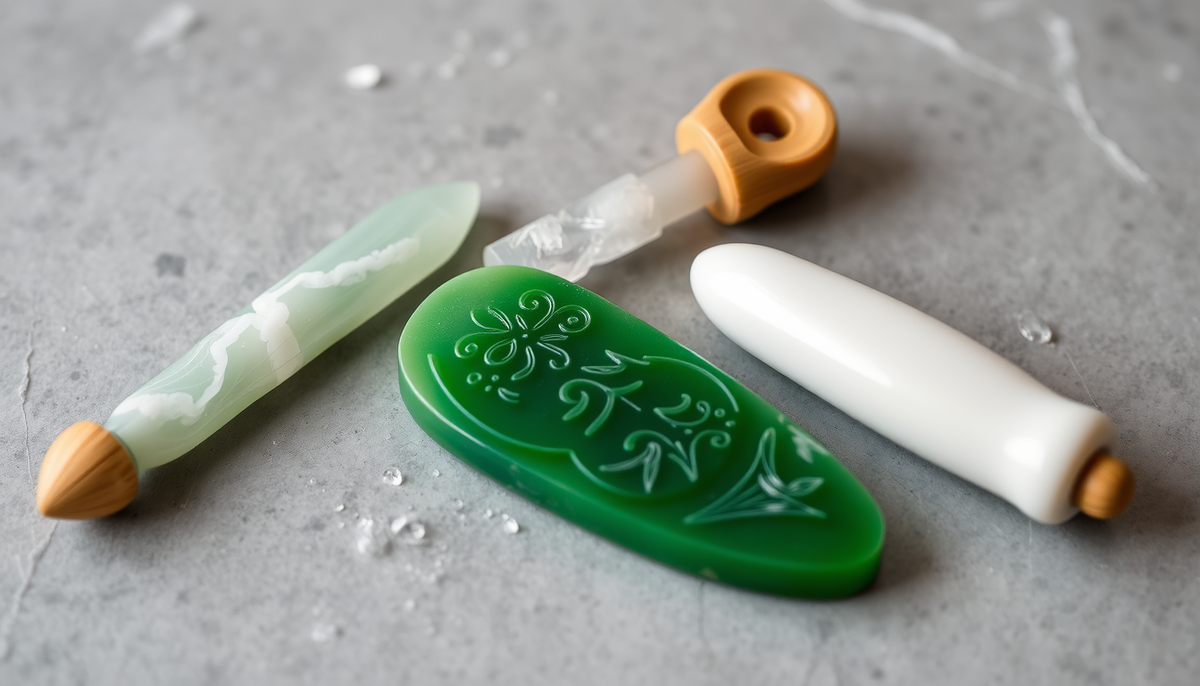
Visuals can help you internalize cadence, edge choice, and lymphatic directions. These figures illustrate:


Sponsored Resources: Gua Sha Tools and Lymphatic Care
For validated tools designed to support glide, durability, and material integrity, explore premium options from Lova Body. These recommendations align with the cadence and material guidance discussed above.
Explore curated options at Lova Body for a collection that emphasizes quality jade and rose quartz tools, optimized shapes, and reliable finishes. To sharpen your SEO journey and discover related products, consider keywords such as gua sha tool and facial lymphatic drainage.
Conclusion: The Path to Glow Through Thoughtful Geometry
When you approach gua sha with a clear framework—knowing your tool geometry, following a repeatable cadence, and honoring lymphatic pathways—you invite consistency, comfort, and visible radiance. The science of glide meets the art of touch in a routine that scales with your goals and lifestyle. By choosing quality materials and respecting safety guidelines, you transform a simple tool into a dependable ally for skin health.
Invitation to purchase: Discover the full Lova Body line and elevate your practice with high-quality jade and rose quartz tools. Visit Lova Body to explore the collection and add a trusted tool to your routine today. For enhanced visibility and targeted SEO, embrace products like gua sha tool and facial lymphatic drainage solutions.

Dejar un comentario
Este sitio está protegido por hCaptcha y se aplican la Política de privacidad de hCaptcha y los Términos del servicio.