
Gua Sha for facial lymphatic drainage has moved from traditional healing spaces into modern skincare routines. This comprehensive guide compares ergonomic tool design, precise stroke techniques, and real-world outcomes to help readers choose wisely and achieve a noticeable glow. By looking at comparisons across materials, shapes, and usage scenarios, you can select a tool that fits your hand and your goals, and integrate it into a sustainable skincare practice.
Understanding Facial Lymphatic Drainage and Gua Sha
Facial lymphatic drainage helps move excess fluid and metabolic waste away from the face. When the lymphatic system is supported, you may experience less puffiness, improved skin texture, and a more lifted appearance. Gua Sha works by gently scraping the skin with a smooth-edged tool to stimulate microcirculation and lymphatic flow. This combination of improved drainage and increased blood flow often yields a natural, healthy glow. For context, exploring detailed resources on facial lymphatic drainage can provide scientific grounding and practical tips.
Ergonomic Tool Design: How Form Shapes Function
Ergonomic design makes the strokes feel effortless and reduces the risk of pulling or causing irritation. A well-designed gua sha tool aligns with the natural contours of the face, balances weight, and uses smooth, polished edges that glide across the skin.
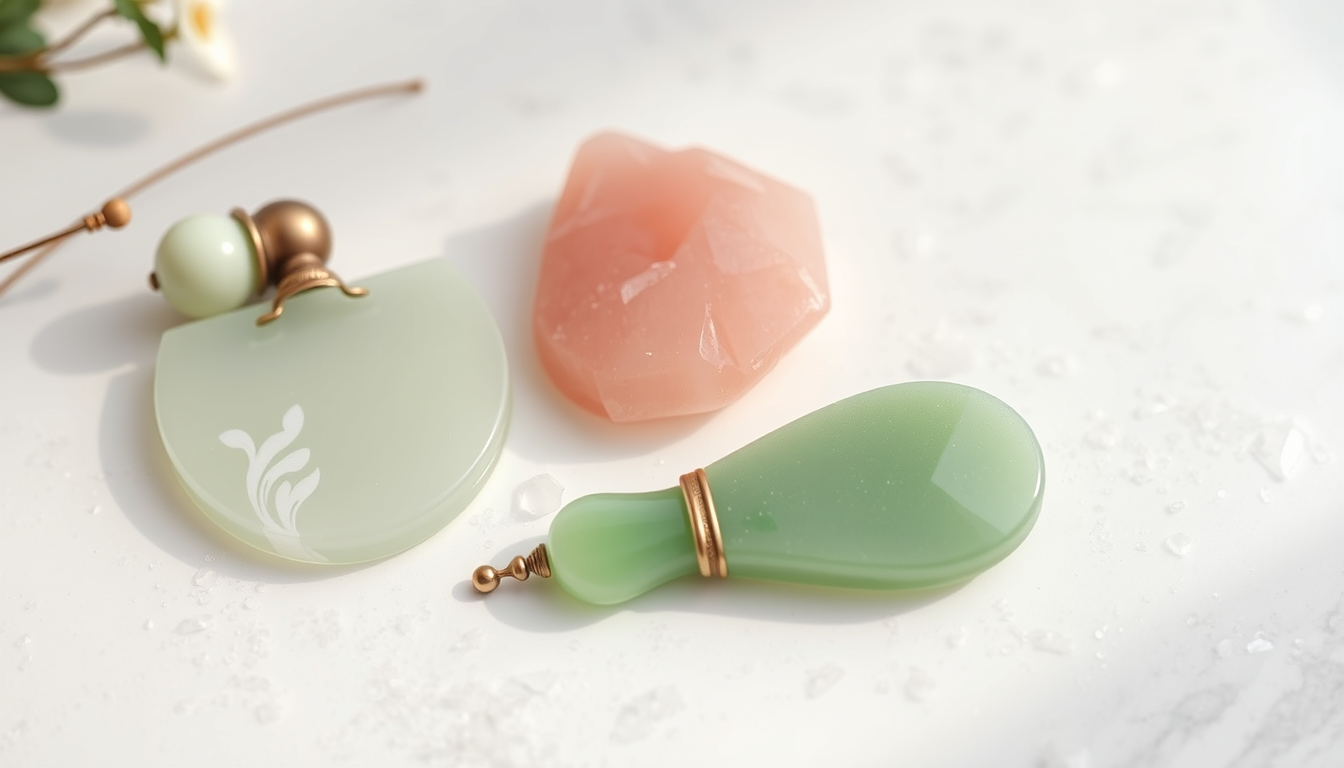
- Material selection: Jade and rose quartz are popular for their cool touch and traditional associations, while other stones or metals can offer different textures and durability.
- Edge profiles: Single-edge tools provide precision for delicate zones like under the eyes; dual-edge designs cover larger areas such as the cheeks and jawline.
- Contour and curvature: Tools with gentle curves matched to the jawline, cheekbones, and forehead support stable, overlap-free sweeps.
- Handle and weight: A comfortable, non-slip handle with balanced weight helps you maintain consistent pressure without fatigue.
- Maintenance: Non-porous surfaces resist staining and bacteria; choose finishes that are easy to clean with mild soap and alcohol-free sanitizers.

Stroke Techniques: From Prep to Finish
Technique is as important as the tool itself. A well-planned sequence supports lymph drainage and preserves skin integrity. Here is a practical, repeatable workflow you can adapt:
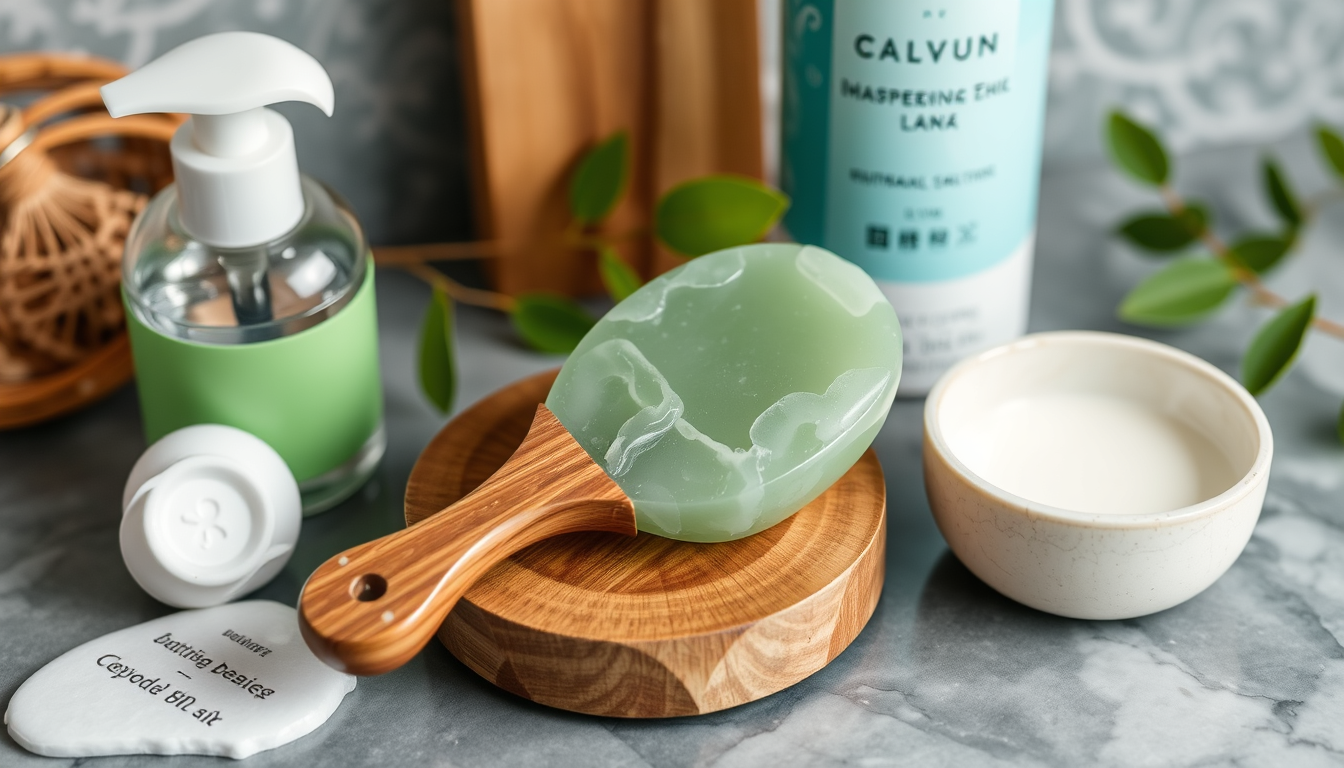
- Prep: cleanse the face, apply a thin layer of facial oil or serum, and ensure hands and tools are clean. The oil reduces drag and protects the skin from micro-tears.
- Neck foundation: start at the neck from the center outward and upward to the jawline to guide fluid toward the lymph nodes behind the ears.
- Jawline and cheek sweep: use gentle, upward strokes along the jawline and across the cheekbones. Use a larger edge for broad areas and a smaller edge for precise contouring near the nose and under the eyes.
- Under-eye caution: use the soft, narrow edge with extremely light pressure and short sweeps to avoid stretching delicate skin.
- Midface and nasal area: sweep from the center of the face outward toward the temples; avoid excessive pressure near the nose to prevent irritation.
- Forehead and T-zone: perform outward strokes from the center to the temples and hairline; these strokes help distribute product and reduce shine.
- Final pass for symmetry: repeat strokes on both sides to balance drainage and glow; finish with a gentle neck sweep to seal the effect.
Adjust pressure to personal comfort, typically starting at a light level (2–3 on a 1–10 scale) and increasing only if your skin tolerates it. For visual references, see the included illustrations showing common stroke sequences.

Real-World Glow: What to Expect
Results vary by individual and ongoing skincare habits, but many users report a noticeable difference after a few sessions. Here is a realistic timeline based on user experiences:
- Immediate: brighter, more awake appearance and smoother skin texture after a session
- 1–2 weeks: reduced fullness along the jawline and under the chin with regular practice
- 4–6 weeks: more defined contours and a durable glow when paired with a consistent skincare routine
Real-world experiences also highlight the importance of a compatible skincare routine—serums and moisturizers that enhance slip and support barrier health can amplify results. See resources on lymphatic drainage for beauty for additional context, including technique tips and safety guidelines.

Choosing the Right Gua Sha Tool: Material, Edge, and Size
The market offers a range of gua sha shapes and materials. Your choice should consider comfort, target zones, and maintenance needs.
- Material: Jade is traditional and offers a cool feel; Rose quartz is popular for its softness and translucence; Other materials can provide different tactile experiences and durability.
- Edge: A single-edge tool excels at precision around the eyes and nose; a dual-edge tool handles broader facial planes like cheeks and jawline more efficiently.
- Size and curvature: Larger tools cover more surface area when performing smooth sweeps on the cheeks and neck; smaller or uniquely curved edges are preferable for around the nose and under-eye regions.
- Maintenance: Non-porous materials are easier to clean; look for a surface that resists staining and retains a smooth glide after cleaning.
To compare options, you can explore products that emphasize ergonomic grip and consistent finish. For more information, check the official product pages on lova-body with rel="sponsored" attributes to support the creators.

Integrating Gua Sha with Your Skincare Routine
Gua sha is not a standalone treatment; it complements skincare routines designed for hydration and barrier support. Consider the following workflow:
- Start with a clean canvas: cleansing removes makeup and impurities, preparing the skin for best glide.
- Apply a nourishing product: a light facial oil or serum provides slip and seals hydration during and after the stroke sequence.
- Layer strategically: avoid layering heavy actives directly under the gua sha strokes to minimize irritation; in most cases, apply actives before the gua sha session and seal with a moisturizer afterward.
- Frequency: many users perform gua sha 3–5 times per week, with shorter sessions on non-workout days and longer sessions on weekends; adjust according to skin sensitivity.
Some users find it helpful to pair gua sha with a lymphatic drainage kit designed for beginners, especially when starting out with correct stroke patterns and pressure. See the linked lymphatic drainage kit page for options.

Maintenance, Safety, and Common Pitfalls
Keep your tool clean and in good condition to protect your skin and maximize glide. Here are best practices:
- Clean after each use with mild soap and warm water; dry thoroughly to prevent mineral buildup or moisture trapping.
- Avoid dropping the tool; although many gua sha stones are robust, impact can chip edges and create rough surfaces that snag skin.
- Inspect edges: rounded, smooth edges are essential; rough or chipped edges can cause micro-scrapes and irritation.
- Skin health: if you have active acne, eczema, rosacea, or post-surgical sensitivity, consult a clinician before using gua sha.
- Pressure control: start light and progress gradually; inconsistent pressure can irritate skin or cause short-term redness that resolves quickly.
When in doubt, a professional demonstration or guided tutorial can help you master technique and avoid common mistakes. The goal is gentle, uplifting strokes, not scraping or aggressive pressure.

Frequently Asked Questions
- Does gua sha really work? In practice, many users report reduced puffiness and improved skin texture when used consistently with a proper routine, though results vary by person and lifestyle.
- Is gua sha safe for sensitive skin? When performed with light pressure and appropriate oil or serum, gua sha can be suitable for sensitive skin, but avoid aggressive scraping and consult a clinician if there are active skin conditions.
- How long should a session last? Most sessions range from 5 to 15 minutes, depending on your goals and available time.
- Which tool is better: jade or rose quartz? Both are valued for their cool feel; differences are mostly about personal preference, glide, and weight balance. Choose the tool that feels most comfortable in your hand.

Shop the Lova Body Gua Sha Collection
Interested in trying a tool designed for facial lymphatic drainage? Visit Lova Body to explore jade and rose quartz options, read user reviews, and compare models. Direct product pages:
As you explore, remember that a well-designed tool paired with careful technique can enhance the results you see with a skincare routine focused on a healthy glow. If you’re looking to treat yourself to a premium set, consider the guided kits and accessories offered by Lova Body, which regularly publish tutorials and user stories to help you get better results.
Conclusion: Why This Comparative Tutorial Helps You Rank and Reap Benefits
By examining ergonomic design, stroke technique, and real-world outcomes, you can make an informed decision about integrating gua sha into your routine. For ongoing updates and more tutorials in English, keep exploring our comparative guides and trusted product pages such as Lova Body.
Call to Action: Elevate Your Routine with Lova Body
If you are serious about achieving a healthier glow through facial lymphatic drainage, start with a tool that fits your hand and a technique you can sustain. Explore the Lova Body collection today and consider pairing your gua sha practice with their lymphatic drainage kits and guided tutorials. Visit the site to learn more and to make a purchase: Lova Body.

Laisser un commentaire
Ce site est protégé par hCaptcha, et la Politique de confidentialité et les Conditions de service de hCaptcha s’appliquent.