
Introduction
Gua sha has moved from a niche ritual into a practical skin-care modality that can enhance radiance, contour, and texture when performed with intention and technique. This comprehensive guide dives deep into the anatomy of gua sha practice, exploring tool geometry, stroke variations, and facial lymphatic drainage. Whether you’re a newcomer or a seasoned user, the goal is to translate theory into reliable, safe daily routines that suit your unique facial structure and lifestyle.
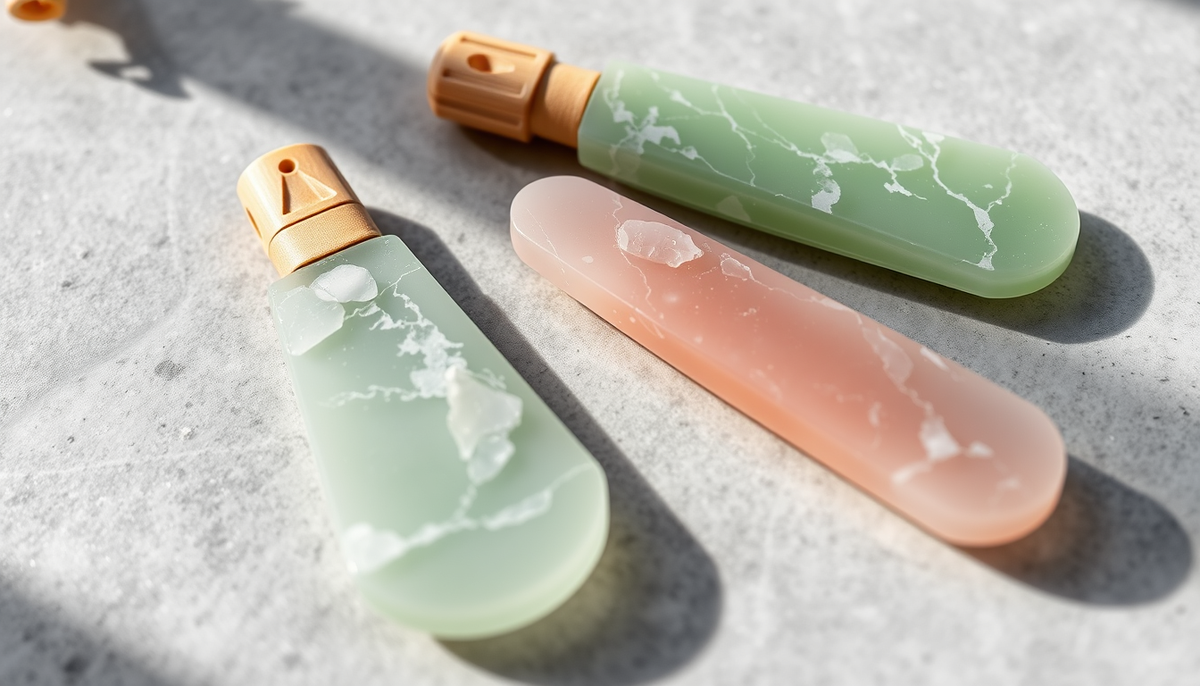
Expanded Tool Geometry: Shape, Curvature, Edges, and Contact
The geometry of a gua sha tool determines how much surface area makes contact, how pressure is distributed, and how easily you navigate facial contours. A thoughtful choice in geometry can reduce drag, increase glide, and minimize the risk of irritation.
- Edge geometry: rounded edges provide broad pressure distribution for large zones like the cheek, while pointed or beveled edges target tight contours such as around the lips, jawline, and orbital rim. Always use gentler pressure with precision edges.
- Curvature: tools with gentle concavities follow the natural planes of the face, enabling smoother transitions over cheekbones, the brow ridge, and the jaw angle. This reduces drag and supports controlled lift.
- Scale and surface area: broad surfaces cover larger zones efficiently; narrow extensions or teardrop tips are useful for precise work near the eyes or along the nose.
Illustration: 
Tool Materials and Maintenance: Jade, Rose Quartz, and Alternatives
Material influences slipperiness, cooling effect, and durability. Jade and rose quartz are traditional favorites, but there are other options with distinct feels and benefits.
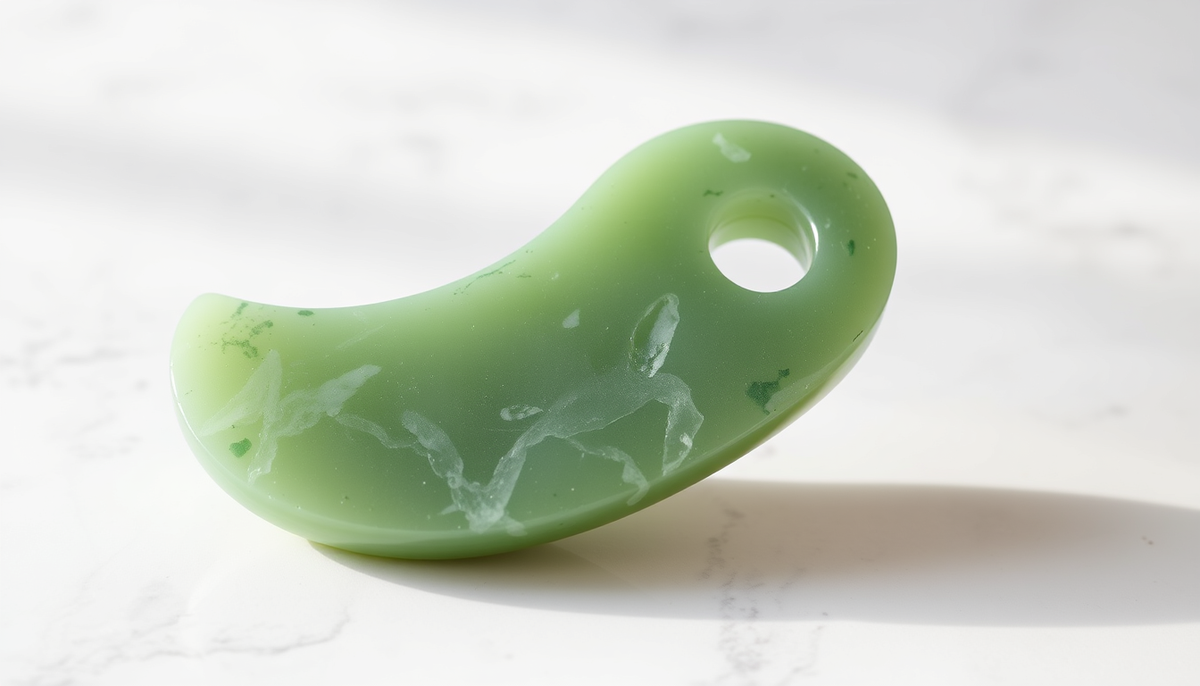
- Jade: renowned for its smooth glide, stable cooling properties, and classic aesthetic. Choose polished surfaces for a consistently gentle touch.
- Rose quartz: typically shares similar glide with a pleasing cool sensation, sometimes with a slightly different tactile feel. Polished finishes minimize drag during use.
- Alternative stones: serpentine, magnesite, and other stones can offer different textures. Confirm hardness and smoothness before purchasing to avoid micro-abrasions on the skin.
Maintenance matters as much as material choice. Clean after each use with mild soap and water, dry thoroughly, and store away from extreme heat or direct sunlight. Inspect edges regularly for nicks or dulling that could irritate the skin.
Illustration: 
Stroke Library: Pressure, Angle, Direction, and Routine Rhythm
Stroke technique couples three elements—pressure, angle, and direction—to drive lymphatic drainage, boost circulation, and improve product penetration when used with serums or oils.
- Light glides: use minimal pressure to wake superficial microcirculation and prep skin for deeper work.
- Moderate sweeping: 15–30 degrees, focused on lifting and draining toward the neck. Maintain steady, controlled motions to avoid tugging sensitive areas.
- Targeted nudges: use a pointed edge with light squeeze along the jawline and beneath the cheekbone to encourage lymphatic drainage toward the anterior cervical chain.
- Vertical and diagonal lines: follow natural facial planes in vertical sweeps along the cheek, then diagonal moves toward the temple or ear for drainage funneling.
- Heading from center outward: begin near the chin, sweep toward the ear and up toward the temple to support drainage away from central facial swellings.
- Counterpressure cautions: avoid dragging across rough skin, active lesions, or areas with recent procedures. Always prioritize comfort and safety over intensity.
Illustration: 
Facial Lymphatic Drainage: A Practical Sequence for Radiance
Optimizing lymphatic drainage can reduce puffiness, improve skin texture, and support a brighter complexion. A practical sequence begins at the neck and moves upward along established lymphatic pathways, with gentle, non-irritating pressure.
- Neck clearing: perform gentle upward sweeps from the base of the neck toward the jawline to open central channels and reduce downstream congestion.
- Under-chin and jawline: sweep from the center outward along the jaw toward the ear, supporting drainage toward the superficial lymph nodes.
- Cheeks and cheekbone: broad outward sweeps from the nasolabial area toward the temple, with light pressure to encourage circulation.
- Under-eye region: extremely light, outward motions toward the temple to avoid stretching delicate skin.
- Forehead and brow: gentle upward strokes from the brow to the hairline, helping to move fluid laterally away from the eyes.
Illustration: 
Creating a Practical Routine: Weekly Rhythm and Daily Use
Consistency matters more than intensity. A well-rounded routine harmonizes tool geometry, stroke variations, and drainage sequences, tailored to your skin type and goals. Here’s a scalable framework you can adapt.
- Warm-up: cleanse, apply a facial oil or serum to reduce friction, and spend 2–3 minutes warming the skin with light glides on the neck and cheeks.
- Core session: perform a 6–10 minute sequence, following the lymph drainage pattern, with gradual pressure progression from light to moderate as comfort allows.
- Focus days: incorporate targeted edges for problem zones (jaw, under-eye, nasolabial folds) in 2–3 sessions per week.
- Recovery considerations: if you notice redness or irritation, take a break and revisit technique with lighter pressure.
Illustration: 
Choosing Your Tool: Shape, Material, and Maintenance Revisited
Choosing the right tool means aligning your anatomy, sensitivity, and goals with a practical shape and material. Try a multi-shape set for flexibility across contours, or start with a universal curved shape that handles most zones well.
- Material considerations: if you have sensitive skin, polished surfaces help minimize drag; if you enjoy a cooler sensation, jade or rose quartz is typically favored for their natural coolness.
- Shape strategy: broad shapes for cheeks and forehead; tapered or pointed edges for around the mouth and jawline; consider a tool with both a broad face and a narrow edge for versatility.
- Maintenance protocol: clean after each use, avoid abrasive cleaners, and store in a cool, dry place to preserve edge smoothness and color integrity.
Backlink note: for a curated selection of gua sha tools, see the jade gua sha tool and other options at Lova-Body, which also offers complementary lymphatic drainage tools to support your routine.
Safety, Contraindications, and Best Practices
- Avoid broken or irritated skin, active acne lesions, or recent cosmetic procedures in the treated area. Stop use if you experience persistent redness, tingling, or discomfort.
- Use light to moderate pressure; never drag the tool across raw or inflamed skin. Glide with the grain of the skin rather than against it.
- Always glide in upward and outward directions toward the lymph nodes; avoid inward pressure toward the center of the face.
- Disinfect the tool before and after use; replace if edges become rough or dull to prevent micro-scratching.
Illustration: 
Backlinks, SEO, and Strategic Product Positioning
Strategic keyword usage helps readers discover high-quality content while guiding them toward reliable products. Throughout this article you’ll find linked phrases that point to product pages on trusted platforms. For example, gua sha tool and the best gua sha tool pages, with emphasis on jade and rose quartz varieties. The jade gua sha tool remains a staple option, while lymphatic drainage tools from Lova-Body offer complementary support for your routine.
Clinical-Sounding But Practical: What to Expect Over Time
Users often report a visible boost in skin brightness, a more defined jawline, and a reduction in puffiness after several weeks of consistent practice. The changes come from improved microcirculation, optimized lymphatic drainage, and more effective product absorption, aided by proper tool geometry and technique.
Illustrated Guides and Resource Accessibility
Visual references help you master form and flow. In addition to the figures embedded above, consider keeping a small illustrated checklist: edge tests, glide tests, and drainage direction tests to calibrate your own routine. If you’d like a broader assortment of visuals and product pages, explore the annotated images and links at Lova-Body’s gua sha collection.
Conclusion: Thoughtful Practice for Radiant Skin
By aligning tool geometry with your facial anatomy, refining stroke variations, and following a practical lymphatic drainage sequence, you can unlock a more radiant complexion with consistency and safety. A well-curated set of tools, combined with mindful technique and proper maintenance, supports durable improvements in texture, tone, and contour. If you’re ready to enhance your toolkit, visit Lova-Body to explore jade, rose quartz, and other stones designed for gentle, effective gua sha routines.
Disclaimer: This article is for educational purposes and does not replace professional medical advice. If you have underlying skin conditions or concerns, consult a dermatologist before starting gua sha practice.

Laisser un commentaire
Ce site est protégé par hCaptcha, et la Politique de confidentialité et les Conditions de service de hCaptcha s’appliquent.