

Gua sha has surged in popularity as a skincare ritual that blends centuries-old technique with modern data-driven optimization. This expanded guide dives deeper into tool geometry, cadence, and facial lymphatic drainage—turning a traditional practice into a repeatable, evidence-informed routine designed to elevate skin radiance while reducing trial-and-error experimentation.
Understanding Gua Sha Tool Geometry: Edge, Bevel, and Balance
Tool geometry matters because the edge shape, bevel, and handle orientation influence how the tool contacts the skin and guides lymphatic flow along facial contours. A thoughtful geometry strategy can improve glide, reduce drag, and help you navigate delicate zones with confidence.
- Edge profile: flat edges glide differently from curved edges. Curved edges excel along jawlines, cheekbones, and the natural arc of the brow.
- Bevel and thickness: thinner edges reduce drag in sensitive regions; thicker edges provide sturdier control for longer strokes.
- Balance and weight: a well-balanced tool reduces wrist fatigue and promotes consistent pressure across passes.
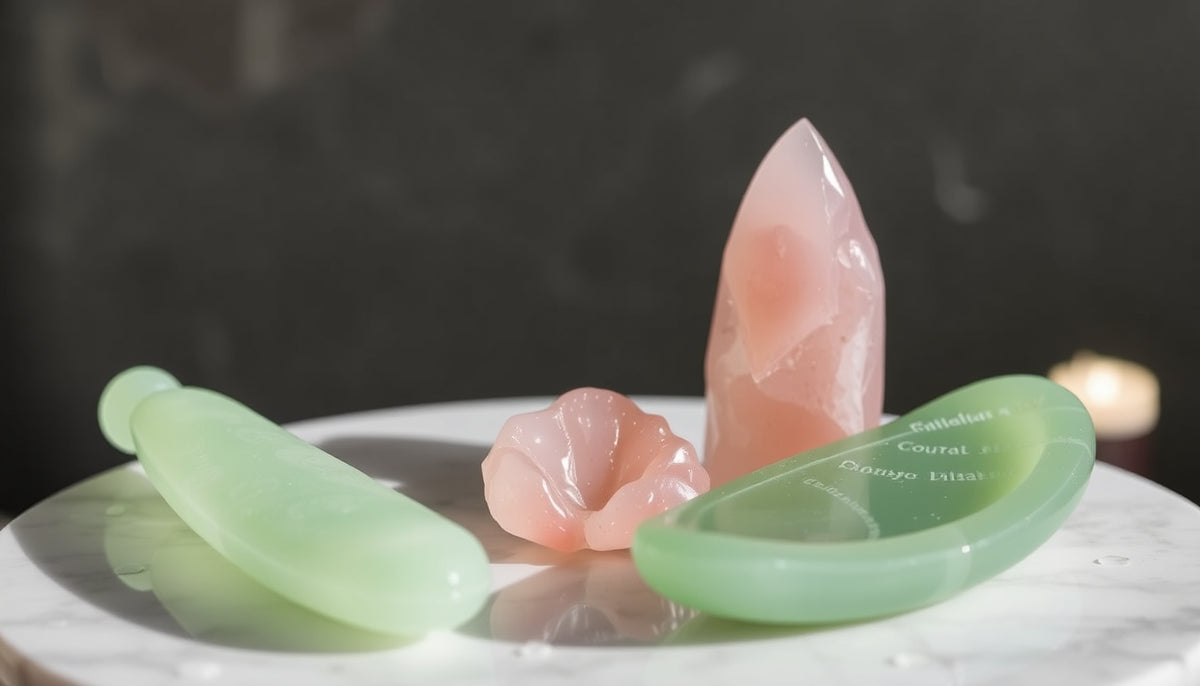
- Material considerations: jade and rose quartz are the most common, prized for smoothness, temperature retention, and a pleasant tactile feel. The choice often comes down to personal comfort and preferred glide.
Illustration note: a geometry diagram can help you map edge shapes to facial zones. See the diagram below for a visual guide.

Cadence and Pressure: A Data-Driven Approach to Efficient Lymphatic Drainage
Cadence and pressure determine not only glide quality but also the effectiveness of lymphatic drainage. The goal is smooth, controlled movements that feel supportive rather than aggressive, with measurements you can improve over time.
on each facial zone (cheeks, forehead, jawline), perform 3-5 passes with light to moderate pressure. Prioritize glide over drag and keep strokes deliberate. around the eyes and under the lower lash line require a lighter touch and shorter strokes to protect thin skin. aim for 2-3 seconds per stroke with brief pauses between zones; total routine time typically 5-7 minutes for a full face.
Visual aids can help learners visualize timing, pressure, and zone order to maintain consistency over weeks of practice.

Facial Lymphatic Drainage: Mechanisms, Pathways, and Safe Protocols
The facial lymphatic system supports drainage of interstitial fluid and metabolic byproducts. Gua sha, when used with mindful cadence and proper technique, can help route lymph toward natural drainage points, potentially reducing puffiness and supporting a luminous complexion.
start at the center of the chin and sweep along the jaw toward the ear. - Cheek to temple: move from the center of the cheek toward the temple to guide lymph along the cheekbone.
- Under-eye caution: avoid direct pressure on the delicate under-eye area; use a very light touch and shorter strokes.
- Forehead: sweep from the center of the forehead outward toward the temples in a side-to-side motion.
Visual aids can help you visualize lymph pathways and safe zones for each stroke. Remember to maintain a clean routine and gentle pressure, especially in sensitive regions.

Comparative Tool Types: Jade, Rose Quartz, and Beyond
When selecting a tool, consider material properties and practical trade-offs. Below is a comparative snapshot to help you align tool geometry with your routine goals.
traditional choice with mid-weight feel, excellent glide, and strong temperature retention. Often favored for longer sessions due to sturdier edges. lighter, with a smooth, cool surface that many users find soothing. Edges are typically comfortable for beginners and sensitive skin. some brands offer alternative stones with different heat retention and glide characteristics; test and compare to see what suits your skin best.
Fundamental takeaways: stone selection is a balance of personal comfort, edge shape, and glide quality. Whatever you choose, ensure a smooth finish and hygienic maintenance.

How to Choose the Right Tool for Your Face Shape and Skin Type
Face shape, skin type, and routine goals influence tool selection. Use the following checklist to guide your decision process.
angular jawlines benefit from curved edges that follow contour lines; flatter faces may favor broader edges for broad zones. sensitive or dry skin often benefits from rose quartz for a gentler glide; oilier skin may tolerate slightly firmer edges for more efficient cleansing of the surface. beginners typically start with a single, curved edge and gradually explore additional shapes as confidence builds.
Backups and variations can help you tailor the routine across weeks and seasonal skin changes. The goal is a predictable, comfortable glide that protects the skin while promoting drainage.
Routine Templates: Quick, Standard, and Extended Sessions
Three practical templates help you scale your practice without losing consistency.
prep with cleanse and moisturizer/oil; jawline passes, then cheeks; finish with a light neck sweep. add forehead and under-eye area with lighter pressure; focus on even distribution and fluid transitions between zones. incorporate a full-face mapping with multiple passes per zone, plus a dedicated sensitivity check in the eye region and a final lymph-facilitating pass on the neck.
Whichever template you choose, maintain consistency in stroke direction, cadence, and pressure for measurable progress over time.

Maintenance, Sanitation, and Safe Storage
Cleanliness is essential for skin health and longevity of your tool. Follow these best practices to keep your tool in top condition:
- Clean tool with mild soap and warm water after each use; dry thoroughly to prevent moisture-induced residue.
- Avoid harsh chemicals or abrasive pads that can scratch the surface of jade or quartz.
- Store in a dry, cool place away from direct sunlight to preserve the texture and color.
- Sanitize periodically with a gentle, alcohol-free wipe if you prefer extra cleanliness between uses.
Proper care not only extends the life of your tool but also helps maintain a hygienic skincare routine.
Common Mistakes and Troubleshooting Tips
New practitioners often encounter a few predictable issues. Address them with these quick fixes:
reduce pressure and focus on glide; speed up transitions rather than pushing harder. apply a thin layer of oil or serum to reduce drag and improve surface slip. establish a zone order and stick to it for a consistent routine. limit sessions to a few times per week to prevent over-straining the skin.
If you notice redness that lingers beyond a few hours or any discomfort, pause use and reassess technique, pressure, and product compatibility.
Integrating Gua Sha with Skincare: Serums, Oils, and Timing
Alignment with skincare products can amplify results. Use a light oil, serum, or moisturizer to reduce drag and provide a medium for the tool to glide smoothly. Consider these timing tips:
- Apply a water-based serum first, then seal with a light oil to maintain slip for longer sessions.
- Avoid heavy creams during the session to prevent residue buildup on the tool.
- Patch-test new products to ensure skin compatibility and prevent reactions when introducing the tool into your routine.
Hydration from within, combined with well-timed topical products, supports skin resilience as your technique improves.
Evidence, Myths, and Realistic Expectations
Many users report subjective improvements in skin tone, texture, and puffiness. While these effects can be meaningful, individual results vary, and gua sha should be viewed as a complementary practice rather than a cure. The value lies in technique, consistency, and the mindful routine you build over time.
Keep expectations grounded: significant, long-term changes require a comprehensive skincare approach—balanced diet, sun protection, adequate sleep, and a well-structured routine—of which gua sha is one supporting component.
SEO-Driven Backlinks and Education: Sponsor Content with Lovа-Body
For practitioners seeking reliable tools that align with a data-driven geometry approach, sponsored options from reputable brands can help. Explore a jade gua sha tool from Lova Body or search for rose quartz variants on lovа-body. Other strategic keywords to explore include gua sha tool for face, facial massage tool, and jade gua sha tool.
These sponsor links provide practical access to tools that fit the data-driven framework discussed above. When you click through, you support ongoing education and high editorial standards.
Inviting You to Elevate Your Routine with Lovа-Body
Ready to try a tool that matches the geometry and cadence principles outlined here? Visit lova-body.com to explore jade and rose quartz gua sha options designed for facial use. Purchasing through these links supports education, quality tooling, and a thoughtful skincare journey that respects your skin’s unique rhythm.
Note: This article contains sponsored links to lova-body.com. The inclusion of sponsor content helps sustain high-quality skincare education and access to trusted tools.
Illustrations and Visual Aids for Better Learning
In the body of this article, you’ll find visual aids designed to reinforce technique and zoning:
Explore all illustrations in the article to build a robust, repeatable routine you can trust over time. The combination of geometry, cadence, and drainage concepts is designed to be practical and measurable.

Laisser un commentaire
Ce site est protégé par hCaptcha, et la Politique de confidentialité et les Conditions de service de hCaptcha s’appliquent.