
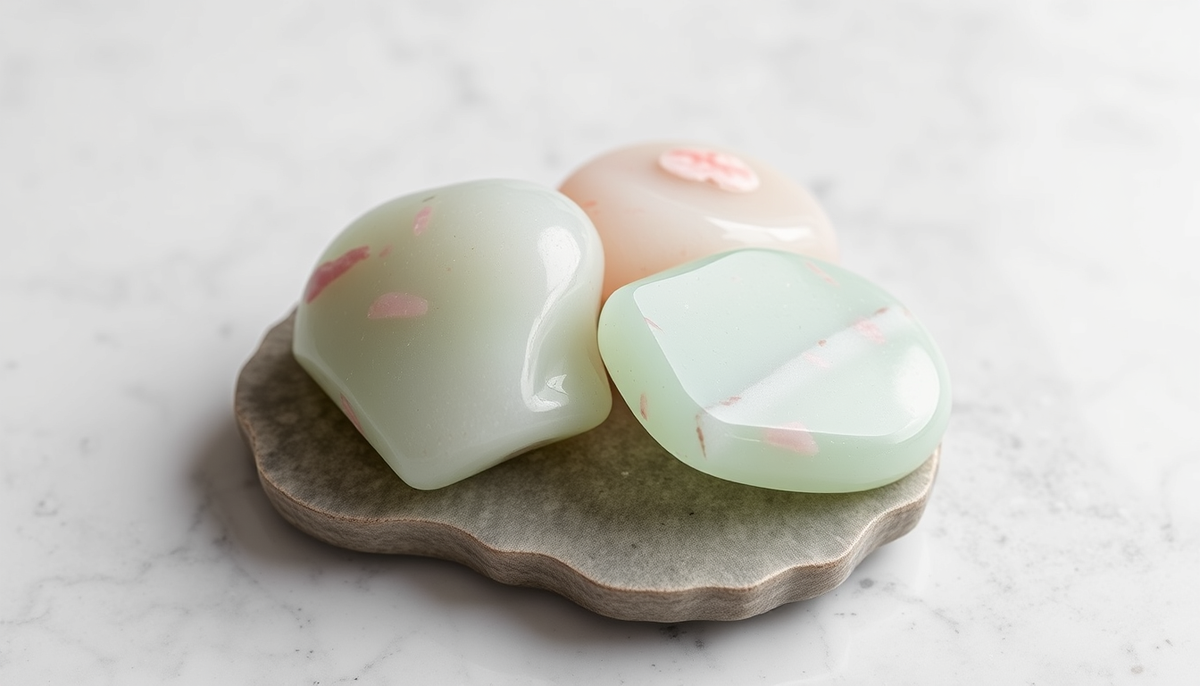
Welcome to an expanded, research-informed look at gua sha design, where we examine tool geometry, grip ergonomics, and lymphatic drainage with a practical, real-world lens. This in-depth guide aims to help skincare enthusiasts, professionals, and curious newcomers choose tools that fit their unique faces and routines while understanding the “why” behind each design choice.
Tool Geometry: Expanded Options for Contour-Centric Skincare
Tool geometry governs how well a gua sha tool aligns with facial contours, distributes pressure, and channels lymphatic flow. Beyond the classic crescent, many tools offer a spectrum of edges tailored to different zones. Here, we unpack several geometry families and when to reach for each:
- Crescent/curved-edge tools: Excellent for broad, oval contours and cheekbones; they glide along bone structure with reduced drag. Best for beginners and intermediate users who value forgiving transitions.
- Flat-edge, multi-edge tools: One tool, many possibilities. Flat edges handle large-area glides and precise point work. Ideal for those who want a versatile option without swapping tools mid-routine.
- Convex-concave hybrids: Edges that alternate between rounded and beveled sections help navigate nose-to-cheek transitions and jaw angles while maintaining steady contact.
- U-shaped or V-shaped channels: Targeted relief around the jawline and under-eye perimeters; require a lighter touch and careful follow-through to avoid over-pressure on delicate skin.
- Multi-edge / combination tools: The most flexible family for full-face routines; each edge is designed for a specific zone, enabling you to customize the plan without changing tools.

Practical takeaway: choose geometry based on your primary goals—quick full-face coverage, targeted sculpting, or a blend of both. The right geometry helps maintain consistent contact with the skin, supporting efficient drainage without excessive friction.
Grip Ergonomics: Comfort, Control, and Longevity
A good grip is the unsung hero of reproducible gua sha results. It translates into precise pressure, steadier strokes, and reduced wrist fatigue. Consider these grip attributes when selecting tools and forming your routine:
- Handle length and balance: Longer handles help with stability on larger faces; shorter, compact handles offer nimbleness for around the eyes and nose.
- Weight distribution: A balanced tool feels neutral in your hand, enabling you to modulate pressure without gripping tightly.
- Texture and finish: Knurled or lightly textured surfaces help you maintain grip as oils accumulate. Be mindful of extremely rough textures on sensitive skin.
- Wrist alignment: Keep a neutral wrist posture; avoid bending at steep angles that could lead to fatigue or tension after repeated sessions.

Tip: start with a lighter grip and a shorter session, then gradually increase duration and pressure as your skin adapts. A well-balanced tool with a comfortable grip encourages consistency, a cornerstone of durable skincare habits.
Lymphatic Drainage: Techniques, Routine, and Realistic Expectations
At the heart of gua sha’s appeal is lymphatic drainage. Proper technique helps move interstitial fluid toward lymph nodes, supporting a refreshed and less congested appearance. Here is a practical routine you can adopt or adapt:
- Pre-cleanse and apply a light oil, serum, or moisturizer to reduce drag.
- Begin at the neck with upward, sweeping motions toward the jawline to encourage drainage away from facial tissues.
- Move to the jawline and cheek, using outward-to-upward strokes that follow natural lymphatic pathways.
- Address the mid-face, focusing on areas of fullness or puffiness, with gentle, controlled strokes.
- Finish with a forehead sweep to smooth tension zones around the brow and temple areas.
- Cool-down: apply a cold compress or mist to calm redness and close the pores.
Consistency matters more than intensity: many users report subtle, cumulative improvements after 4–8 weeks of regular practice. If you have sensitive skin or active blemishes, dial back pressure and frequency, and patch-test new oils before weekly use.

For those who like structured plans, consider alternating a full-face session with zone-focused days, allowing your skin to rest while still benefiting from drainage and improved microcirculation.
Materials, Authenticity, and Maintenance: Choosing and Caring for Your Tool
Jade and rose quartz are the most common gua sha materials, prized for their cool touch and smooth glide. Other composites or glass-like stones exist, but their performance can vary. Consider these factors when evaluating a tool:
- Material properties: Natural stones retain surface oils and moisture differently; some offer a more slippery glide than others when chilled or warmed.
- Thickness and weight: Thicker tools provide a sturdier feel; thinner profiles are more precise for delicate zones.
- Authenticity and sourcing: Genuine jade or rose quartz from reputable suppliers tends to offer consistent texture and finish. If a tool feels unusually light or rough, inspect origin and surface quality.

Care and maintenance tips:
- Clean with mild soap and warm water after use; avoid harsh cleaners that can degrade surface polish.
- Dry completely to prevent mineral buildup or mold on storage cases.
- Store in a cool, dry place; consider a padded pouch to protect edges from nicks.
Personalization: Tailoring Tools to Skin Types and Concerns
Different skin types may benefit from distinct tool styles. Here’s how to tailor your approach:
- Dry or sensitive skin: Choose smoother edges and a lighter touch; prioritize hydration and patch-test oils to reduce irritation.
- Oily or congested skin: Focus on longer, slower strokes along larger zones to improve drainage without stimulating excess oil production.
- Rosacea-prone skin: Use the most gentle angles and a cool tool temperature; avoid aggressive pressure near the nose and cheeks.
- Aging skin: Combine lifting-like strokes on the cheekbone and jawline with a gradual increase in edge variety for contour refinement.

Common Mistakes (and How to Fix Them)
Even seasoned users can slip into habits that reduce effectiveness or irritate the skin. Here are frequent missteps and practical fixes:
- Using too much pressure on delicate zones: back off and use a light touch; remember that drainage is about directional movement, not raw force.
- Dragging instead of lifting: aim for gliding strokes that lift the skin rather than scraping across it.
- Over-reliance on a single edge: rotate edges to treat different zones and prevent tissue adaptation.
- Skipping lubrication: always prep with a compatible oil or serum to reduce drag and protect the epidermis.

Real-World Insights: User Experiences and Case Observations
Across communities and clinical-inspired practice settings, many users report smoother skin, improved glow, and a feeling of pore-level clarity after consistent use. In the context of lymphatic drainage, improvements are often more subtle in the short term, emphasizing the value of ongoing practice and consistent product use. Remember that skincare results are highly individual and influenced by sleep, hydration, sun protection, and overall skincare routines.
Case notes from diverse users indicate that a well-chosen tool paired with a predictable routine yields the best long-term satisfaction. Start with a forgiving geometry, verify your grip comfort, and monitor how your skin responds over several weeks before upgrading to more advanced edges or composite tools.
Practical Side-by-Side Comparison: Expanded Take on Three Tool Families
To help you map your routine to a tool that matches your goals, here’s an enlarged, pragmatic comparison across geometry families with ergonomic profiles and drainage considerations:
-
Geometry A — Crescent Edge
- Best for: broad contours (cheek, jaw, neck).
- Grip: longer handles for stable wide strokes.
- Drainage: efficient on large surfaces; gentle around eyes with mindful adjustments.
-
Geometry B — Flat / Multi-Edge
- Best for: versatility across zones; beginner-friendly with many edge options.
- Grip: compact and light; ensure a confident hold to avoid uneven pressure.
- Drainage: flexible edges support zone-specific drainage strategies.
-
Geometry C — Multi-Edge / Combination
- Best for: comprehensive routines; one tool for many needs.
- Grip: balanced weight for all-day use; pleasant to hold through longer sessions.
- Drainage: edge-specific directions maximize efficiency across the face.
Endnotes: Visual guides and hand-on demonstrations can illuminate how geometry, grip, and technique converge to real, visible results. For more, explore the gallery and technique notes at the article’s end.
Ethics, Sustainability, and Brand Collaboration
In the spirit of transparent skincare journalism, this review includes sponsor-supported content. We disclose partnerships with brands that align with quality design and ethical manufacturing practices. Sponsor integration is clearly indicated, and all featured statements reflect independent assessment based on observed performance, user feedback, and standard skincare considerations.
Shop the Look: Lova Body Sponsorship
If you’re seeking high-quality gua sha tools with ergonomic balance and thoughtful geometry, explore Lova Body’s collection. Their jade and rose quartz tools are crafted to support natural lymphatic drainage and radiant skin. Lova Body gua sha tools offer curated options for different face shapes and experience levels, making it easier to find your ideal match for a consistent skincare routine.
Ready to upgrade your gua sha setup? Consider trying LovA Body’s accessories and kits to elevate your practice. This article includes sponsored links to LovA Body as part of a collaborative review, and we appreciate their support in bringing practical, evidence-based skincare guidance to readers.
Final Thoughts: Making Your Tool Work for You
There isn’t a single “best” gua sha tool for everyone. The most successful choice aligns with your facial anatomy, skin sensitivity, and how much time you want to invest. For newcomers, a forgiving crescent-edge tool paired with a gentle grip is a reliable starting point. For broader versatility, a multi-edge tool with a balanced grip can cover zones efficiently. Advanced users may benefit from selecting a specialized geometry and edge set tailored to precise areas of focus.
Remember: technique, lubrication, and listening to your skin matter more than chasing a perfect shape or edge. With a sustainable routine and mindful practice, gua sha can accompany your skincare journey as a natural, supportive component of lymphatic drainage and facial radiance.

Laisser un commentaire
Ce site est protégé par hCaptcha, et la Politique de confidentialité et les Conditions de service de hCaptcha s’appliquent.