
Gua sha for facial lymphatic drainage blends ancient practice with modern skincare science. This comprehensive guide expands on tool selection, technique, and routine integration to help you achieve radiant, buoyant skin. Whether you’re curious about jade, quartz, or ceramic gua sha tools, you’ll find a practical framework, step-by-step methods, and safety considerations designed for real-life use in 2026.
Why Facial Lymphatic Drainage Matters for Skin Health
The lymphatic system plays a central role in removing toxins, reducing inflammation, and supporting facial contours. Gentle gua sha strokes can stimulate microcirculation, encourage lymphatic drainage, and enhance the penetration of serums and oils. When integrated into a consistent routine, this practice may help reduce puffiness after long travel, improve skin radiance, and support a balanced complexion.
Gua Sha and the Lymphatic System: How It Works
Gua sha uses light-to-moderate pressure combined with deliberate directional strokes to mobilize lymph fluid toward proximal lymph nodes. This reduces stagnation, supports drainage, and can temporarily soften tense facial muscles. It is important to work with clean skin and appropriate lubricants to protect the epidermis and optimize glide.
Tool Materials in Depth: Jade, Quartz, Ceramic — Properties and Trade-offs
- Jade: Classic, durable, and cooling with a luxurious feel. Often believed to promote calm during use; ideal for those seeking a premium tool that lasts for years. For a premium option, explore a jade gua sha tool.
- Quartz: Naturally smooth and highly effective for a consistently ultra-glide experience. Particularly good for sensitive or reactive skin. Consider a quartz gua sha tool for a cool, slip-free glide.
- Ceramic: Lightweight, budget-friendly, and easy to clean. A solid entry point for beginners and those who prefer a lighter touch. Check out a ceramic gua sha tool for an approachable practice.
A Practical Framework for Tool Selection
: For sensitive or reactive skin, ceramic may feel gentler; jade offers durability and a premium feel; quartz provides a super-smooth glide. Choose based on goals like puffiness, dullness, or fine lines. : Surface smoothness and edge shape influence glide and control. Jade and quartz surfaces are typically very smooth; ceramic tools are often lighter and easier to maneuver for beginners. : In dry climates, pairing with a hydrating serum or oil reduces drag and protects the barrier. Match the tool to your product layer for optimal slip. : Jade and quartz can last for years with proper cleaning; ceramic tools are budget-friendly but may show wear with heavy, daily use. : Invest in a tool you’ll use consistently. A modest ceramic option can deliver great results when used with correct technique and routine consistency.
Step-by-Step Techniques for Radiant Skin
Begin with a clean face and a hydrating serum or facial oil to minimize drag. The following routine can be adapted to mornings, evenings, and travel schedules.
: Cleanse, then apply a generous layer of serum or oil to create a smooth glide and reduce friction. : Start from the center of the neck, sweeping outward and upward toward the jawline to direct lymph toward the submandibular and cervical nodes. : Use broad, upward strokes along the jawline from the chin to the ears. Repeat on each side to help drain and subtly lift the lower face. : Glide from the nasolabial folds outward toward the temples, then sweep from the inner cheeks toward the outer cheekbone to brighten and smooth. : Use very light pressure with gentle outward strokes from the inner to outer corner. This supports drainage while protecting delicate skin. : Begin at the center and move toward the hairline with upward, slightly diagonal strokes to smooth lines and encourage lift. : Light sweeps along the brow bone and around the orbital rim can help soften tension and support contour definition. : Finish with several light, upward sweeps across the entire face and a gentle tap to assist absorption of skincare products.
Beginner Routine: A Daily-Ready Protocol
For those new to gua sha, this simplified routine emphasizes basic strokes and safety.
- 5–7 minutes per session, 3–5 times per week.
- Choose a single tool (jade, quartz, or ceramic) and practice consistent grip and pressure.
- Focus on gentle, non-painful pressure to avoid micro-abrasions and irritation.
Advanced Techniques for Luminous, Youthful Skin
As you gain comfort, you can refine technique and tailor strokes to your goals. Consider slightly longer channels, micro-movements along the zygomatic arches, and a longer finish across the neck for enhanced drainage.
- Incorporate long, continuous strokes to minimize drag and maximize energy transfer.
- Use lighter pressure around the delicate under-eye area; reserve firmer pressure for the jawline and cheek contours if your skin tolerates it.
- Alternate between gliding with gravity and subtle circular motions at key tension points to address fascia-related tightness.
Illustrations and Visual Guides
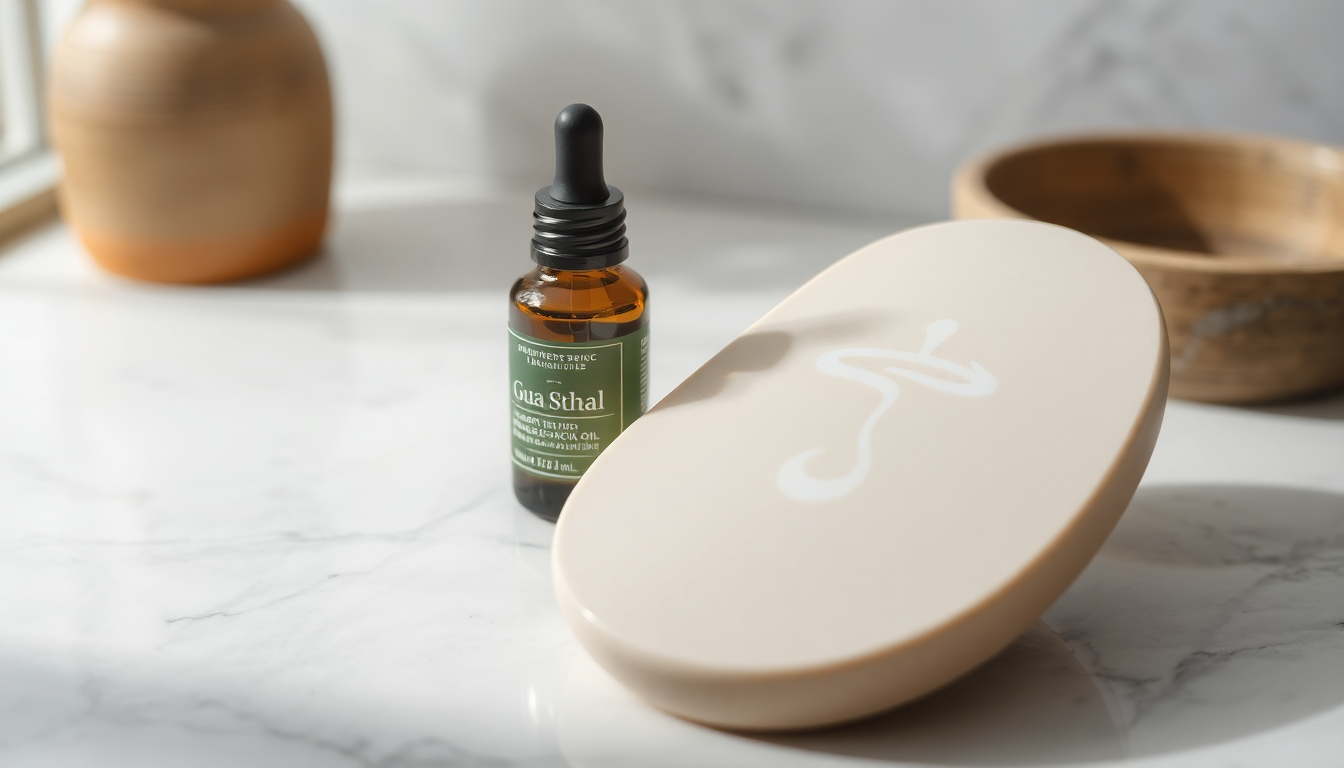
Images can help you visualize stroke directions and lymphatic pathways. The following visuals demonstrate common gua sha movements and target zones.


Care, Maintenance, and Safety
- Clean tools after each use with mild soap and warm water; dry thoroughly to prevent corrosion, staining, or microbial growth.
- Avoid dropping tools; a cracked surface can cause micro-abrasions or injuries.
- Store in a clean, dry place away from direct sunlight to preserve surface integrity and color.
- Never use gua sha over broken skin, active acne, or after sunburn without professional advice.
Common Mistakes and How to Avoid Them
- Applying too much pressure: Start light-to-moderate, then adjust only if needed. The goal is a smooth glide, not discomfort.
- Dragging in conflicting directions: Maintain consistent upward and outward strokes to support drainage and lift.
- Overdoing daily use: 3–5 sessions per week are generally sufficient; listen to your skin and adjust accordingly.
Seasonal Skincare and Climate Considerations
Seasonal changes affect skin hydration and barrier function. In colder, drier months, pair gua sha with richer oils or humectant-rich serums to maintain glide. In humid seasons, lighter serums work well and reduce friction, making the routine feel smoother.
Travel and Portability
When traveling, a compact gua sha tool can be part of your carry-on beauty kit. Pack a small amount of your preferred oil or serum to maintain glide at different humidity levels. Remember to sanitize tools between trips if you share them or use hotel products.
Myths, Facts, and FAQs
- Myth: Gua sha permanently reshapes the face. Fact: It can temporarily improve circulation, lymphatic drainage, and skin appearance; long-term changes depend on consistent use and overall skin health.
- Myth: Any stone will do. Fact: Stone composition matters for glide, cooling sensation, and durability; jade, quartz, and ceramic each offer distinct benefits.
- FAQ: How slowly should I move the tool? Aim for deliberate, smooth strokes with 1–2 seconds per pass; avoid rushing the routine.
Sponsored Links and SEO Backlinks
For readers seeking reputable tools, sponsor-backed links guide you to Lov a Body’s offerings. Explore high-quality options from the jade, quartz, and ceramic categories to support your routine.
Shop targets: a jade gua sha tool, a quartz gua sha tool, and a ceramic gua sha tool for beginner-friendly practice.
Shop Lov a Body: Your Path to Radiant Skin
Interested in elevating your gua sha routine with carefully curated tools? Visit Lov a Body to explore jade, quartz, and ceramic options designed for facial lymphatic drainage. Each product page offers detailed specifications, usage tips, and bundle options to support consistent results. Ready to upgrade your routine? Explore Lov a Body today and choose the gua sha tool that best fits your skin type, commitment level, and budget.
Frequently Asked Questions (Expanded)
- Can gua sha replace facials? It complements facial care; for some, it reduces puffiness and enhances absorption, but it isn’t a substitute for professional facials when addressing deeper concerns.
- Is gua sha safe during pregnancy? Consult your healthcare provider. Avoid aggressive pressure near the abdomen and follow professional guidance for facial use.
- How long before you see results? Many users notice improvements in texture and brightness within 1–4 weeks of consistent use; longer-term results depend on overall skin health and lifestyle.
Final Thoughts
Gua sha for facial lymphatic drainage can be a simple, rewarding addition to your skincare routine when approached with the right tool, technique, and consistency. By choosing the tool that aligns with your skin type, climate, and goals, you can support healthier-looking skin, improved product absorption, and a sense of daily ritual that many find enjoyable.
Call to Action
If you’re ready to elevate your toolkit, explore Lov a Body’s selection of jade, quartz, and ceramic gua sha tools. Each product page includes care tips, usage guidance, and bundle options to help you sustain a radiant skincare routine. Shop now and begin your journey toward more buoyant, glowing skin.

Laisser un commentaire
Ce site est protégé par hCaptcha, et la Politique de confidentialité et les Conditions de service de hCaptcha s’appliquent.