
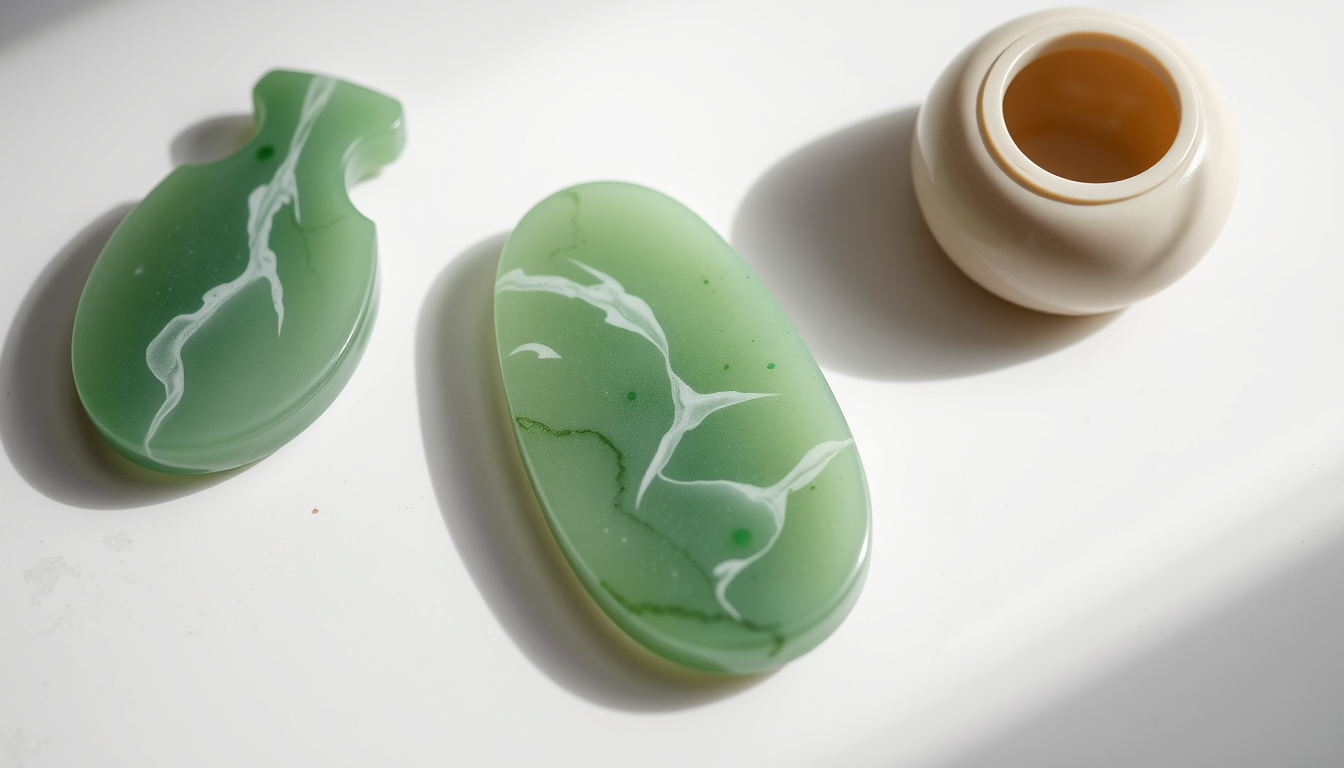
In 2026, skincare enthusiasts increasingly want more than myths and hype from gua sha. The science of surface geometry, material properties, and how tools interact with the lymphatic system matters for consistent results. This comprehensive guide compares jade, quartz, and ceramic gua sha tools through the lenses of geometry and material science, with practical tips for facial lymphatic drainage and radiant skin.
Gua Sha Geometry: Shape, Edge, and Glide
Geometry governs how a gua sha tool engages with facial contours, distributes pressure, and channels lymph away from congested regions. Key geometric features to consider include:
- Edge profile: rounded, sculpted, or beveled edges influence skin contact and irritation risk.
- Surface curvature: a tool that matches facial planes (cheek, jawline, forehead) reduces drag and improves glide.
- Edge thickness and bevel angle: thinner edges concentrate pressure along lymphatic pathways, while thicker edges support broader strokes.
- Handle ergonomics: a comfortable grip with a balanced center of gravity helps maintain steady pressure during longer sessions.
When selecting a tool, look for a geometry that enables both broad sweeps for drainage and precise work along the jawline and neck. A well-designed tool minimizes drag across the skin, which lowers friction-induced irritation and makes the routine more enjoyable.
Material Science: Jade, Quartz, Ceramic
Material affects temperature retention, hardness, surface finish, and how a tool feels against the skin. Below is a concise snapshot of common gua sha materials.
- Jade: Traditionally nephrite or jadeite, jade is dense and tends to stay cool to the touch. It often has a smooth, glassy surface after polishing. Jade is durable and less prone to chipping when handled with care, but high-quality pieces may command a premium price.
- Quartz: Quartz gua sha tools are typically very smooth with a glassy finish. Quartz is relatively hard (around Mohs 7) and can provide a crisp glide. Clear or colored quartz pieces are common, and the material can be manufactured with uniform edges.
- Ceramic: Ceramic gua sha tools are often lighter and can be highly polished. They may feature glazed surfaces that are easy to sanitize. Ceramic tools can be more brittle if dropped but offer excellent hygiene and consistent finishes at a lower price point.
Temperature behavior varies: jade and quartz are excellent at maintaining a cool surface that can enhance lymphatic drainage by gently constricting superficial vessels. Ceramic tools, depending on glaze and body, can warm more quickly with friction and may offer a different tactile feedback that some users prefer.
Jade vs Quartz vs Ceramic: Pros, Cons, and Practical Picks
Here is a practical comparison to guide in-the-moment decisions for routine care and travel:
- Jade — Pros: long-standing tradition, excellent coolness retention, durable with proper care; Cons: can be pricier, availability varies by source. Suitable for those who crave a cooling sensation and classic aesthetic.
- Quartz — Pros: ultra-smooth finish, consistent edges from mass production, generally good value; Cons: may feel firmer on very sensitive skin and can be less cooling than jade for some users.
- Ceramic — Pros: lightweight, easy to sanitize, often budget-friendly; Cons: more brittle if dropped, finishes may vary by glaze. Ideal for beginners or travel kits where weight and hygiene are priorities.
For lymphatic drainage, the most important factors are how the tool glides across the lymphatic map of the face and how comfortable the tool feels in your hand. Material choice should align with personal preference for temperature, weight, and maintenance routine.
Practical Techniques for Facial Lymphatic Drainage
- Start with clean skin and a light facial oil or serum to reduce drag and support a smooth glide.
- Begin at the neck, using upward strokes from the collarbone toward the jawline to encourage lymph flow. Move slowly and maintain gentle pressure.
- Follow the jawline’s contour with broad sweeps toward the ear and scalp, then target the cheeks by lifting toward the temples.
- Use smaller edges or rounded tips for delicate areas around the eyes and smile lines. Avoid dragging skin downward.
- Switch tools or edges as needed to conform to facial geometry and personal comfort. Never press into the skin with excessive force.
- Finish with a light lymphatic “drainage kiss” along the neck to further encourage drainage and de-puffing.
Consistency matters more than intensity. A 5–10 minute routine several times a week can yield noticeable improvements in puffiness, skin tone, and perceived radiance. Always adapt technique to your skin’s response and consult a clinician if you have skin conditions or concerns.
What to Expect: Radiant Skin and Lymphatic Benefits
- Temporary reduction in puffiness and smoother facial contours after a session.
- Improved absorption of serums and moisturizers due to enhanced lymphatic clearance.
- Over time, a consistent routine may contribute to a more even complexion and a brighter under-eye area.
- Repeatable results depend on tool condition, hygiene, technique, and skin type.
Note that gua sha is a complement to, not a replacement for, a comprehensive skincare routine and healthy lifestyle. Hydration, sleep, nutrition, and sun protection all contribute to radiant skin alongside any gua sha practice.
Maintenance, Hygiene, and Longevity
- Clean after each use with warm water and a gentle cleanser. Dry thoroughly to prevent mineral buildup or corrosion on metal components of certain tools.
- Avoid dropping tools on hard surfaces to minimize chipping or cracks, especially for ceramic options.
- Store in a dry, cushioned container to protect edges from accidental damage.
- Inspect edges regularly for micro-scratches that could irritate skin; replace if edges become rough.
Hygiene and proper care extend tool life and ensure safer, more enjoyable sessions. If your climate is humid, consider a dedicated travel case to maintain cleanliness during storage and transport.
Safety Considerations and Contraindications
- Avoid use on broken or irritated skin, active acne lesions, or dermatitis in the treated areas.
- Consult a medical professional if you have vascular conditions, recent facial surgeries, or severe rosacea before starting gua sha.
- Be gentle around the eye area and avoid excessive pressure on thin skin and capillaries.
- Discontinue use if you experience persistent redness, tingling, or pain and seek professional advice.
Choosing the Right Tool for Your Routine
- Consider your climate and skin sensitivity: cooler jade is often preferred in warm climates, while quartz provides a bright, smooth surface across seasons.
- Weight and grip: lighter tools for beginners; a balanced heft for experienced users who perform longer sessions.
- Edge variety: a rounded edge for broad strokes and a pointed or sculpted edge for targeted work along lymph nodes and contour lines.
- Maintenance capability: easier sanitization with ceramic options or the all-around durability of jade or quartz.
Illustrations and Visual Guides
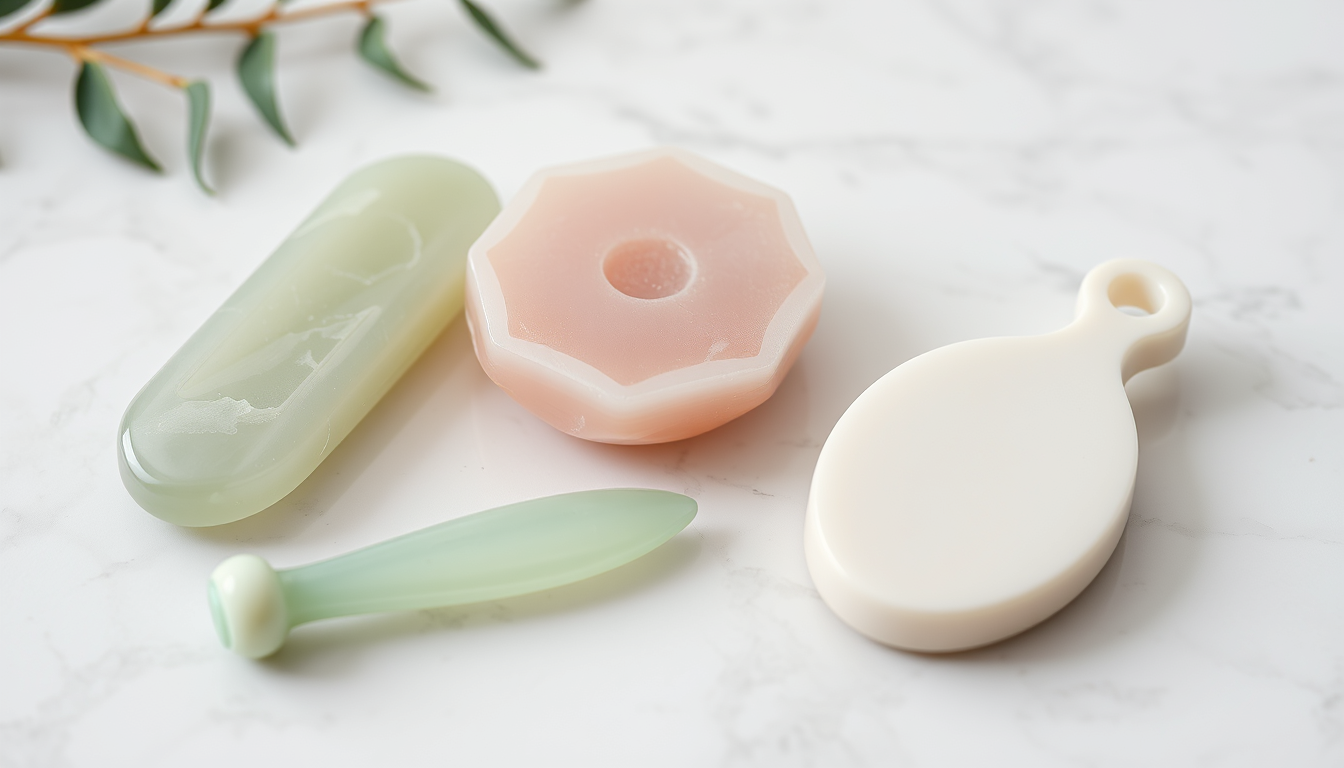
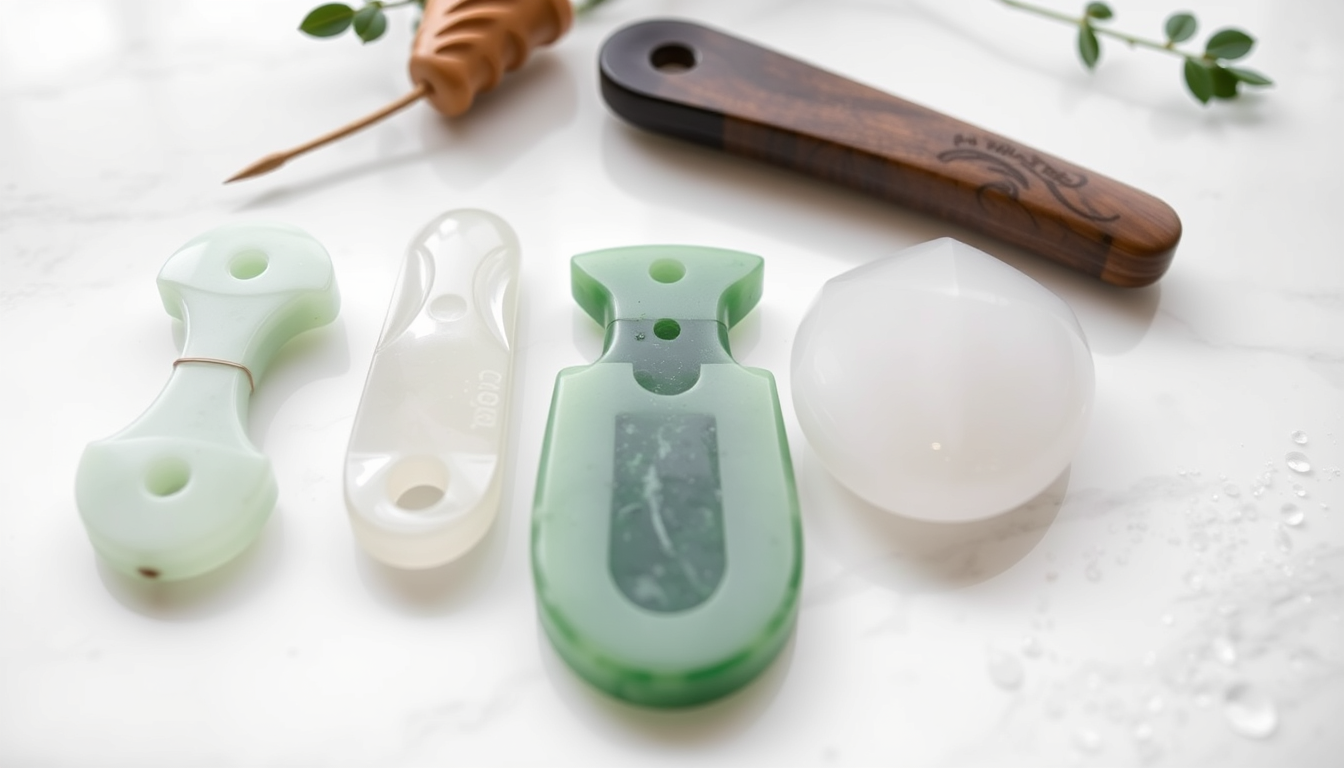
visuals can help you understand correct grip, edge usage, and lymphatic pathways. These illustrations provide a practical reference for your routine.


Conclusion: A Thoughtful, Geometry-Driven Approach
Gua sha success hinges on the interplay between geometry and material science. By understanding how edge design, curvature, and surface finish affect glide, pressure, and lymphatic response, you can tailor your routine to your skin type and goals. Jade, quartz, and ceramic each bring distinct advantages, and your best choice may vary by season, sensitivity, and personal preference.
Shop Lova Body: Elevate Your Gua Sha Routine
Ready to elevate your gua sha practice with trusted tools crafted for both performance and hygiene? Explore premium options from Lova Body, including jade, quartz, and ceramic gua sha tools. Each collection emphasizes smooth edges, durable finishes, and thoughtful design to support facial lymphatic drainage and radiant skin.
Discover and shop these high-quality options at Lova Body, and explore collections tailored for jade gua sha, quartz gua sha, and ceramic gua sha enthusiasts. For direct access to curated gua sha sets, visit the gua sha tools page. Enhance your routine with tools designed for precise edges, smooth glides, and easy maintenance.
Incorporate facial lymphatic drainage into your weekly regimen and experience the synergy between geometry, material science, and self-care. To experience the quality of these tools, consider shopping today at Lova Body.

Laisser un commentaire
Ce site est protégé par hCaptcha, et la Politique de confidentialité et les Conditions de service de hCaptcha s’appliquent.