
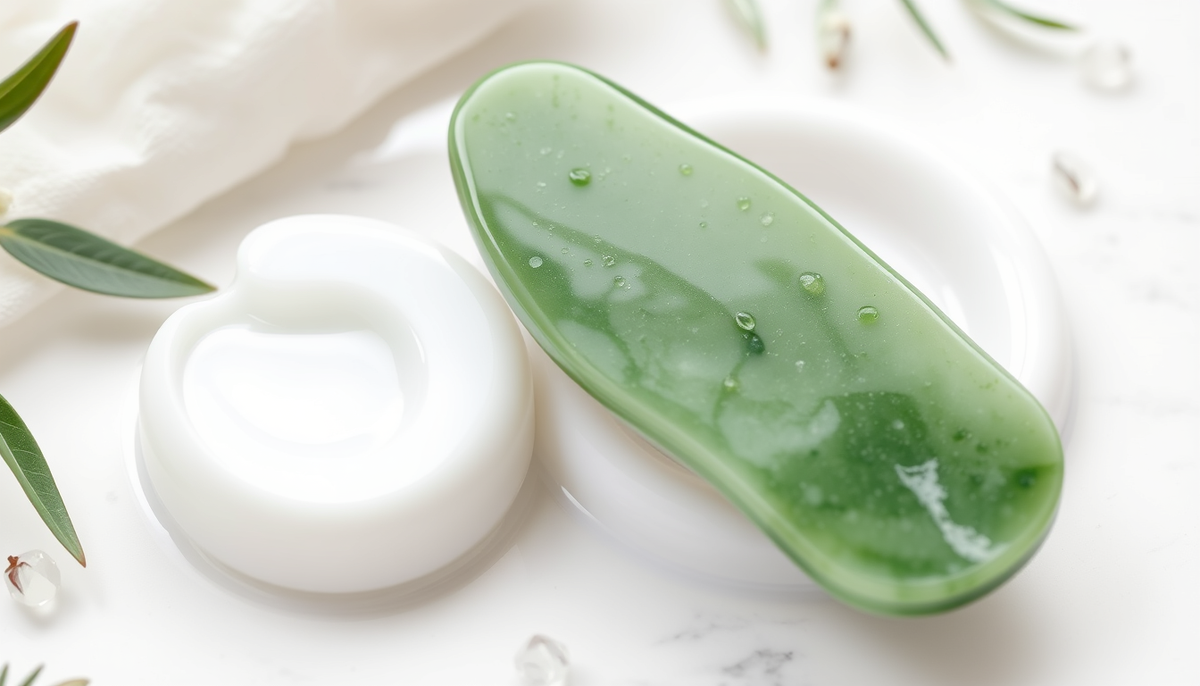
Gua sha has surged in popularity as a non-invasive practice aimed at supporting skin radiance, reducing facial puffiness, and refining contours. When you blend a science-informed approach with thoughtful tool design, edge geometry, and deliberate stroke cadence, routine gua sha becomes a repeatable, measurable part of your skincare. This extended guide dives deep into the biology, biomechanics, and practical steps that empower you to optimize results safely and consistently.
Expanded Foundations: Why a Science-Backed Gua Sha Routine Works
At its core, gua sha supports microcirculation and lymphatic drainage in the facial region. Gentle, controlled strokes help move interstitial fluid and metabolic byproducts toward regional lymph nodes, reducing stagnation that can dull the complexion. When coupled with a hydrating serum or facial oil, gua sha reduces friction, improves glide, and enhances product absorption. The science here is about two main elements: edge contact quality and controlled, repeatable motion that navigates natural lymphatic pathways without irritating the skin.
Over time, repeated sessions can contribute to a healthier appearance, a more even texture, and a refreshed look. Results vary with skin type, consistency, and adherence to safe technique. The most durable benefits arise from integrating gua sha into a broader skincare routine that includes sun protection, hydration, and balanced nutrition.
Edge Geometry: How the Shape and Finish Touch the Skin Differently
Edge geometry describes the tool’s contours, including curvature radius, width, bevel, and tip shape. These attributes influence glide, pressure distribution, and contact area. Different facial zones benefit from specific edge designs:
- Rounded edges offer broad, gentle contact ideal for delicate areas like beneath the eyes and along the cheekbones, minimizing drag while delivering even pressure.
- Flat or slightly curved edges provide control for larger surfaces such as the jawline, chin, and neck, enabling steady coverage with consistent contact.
- Smaller tips or points target tension lines, nasal folds, and tight jaw muscles, but require careful handling to avoid irritation.
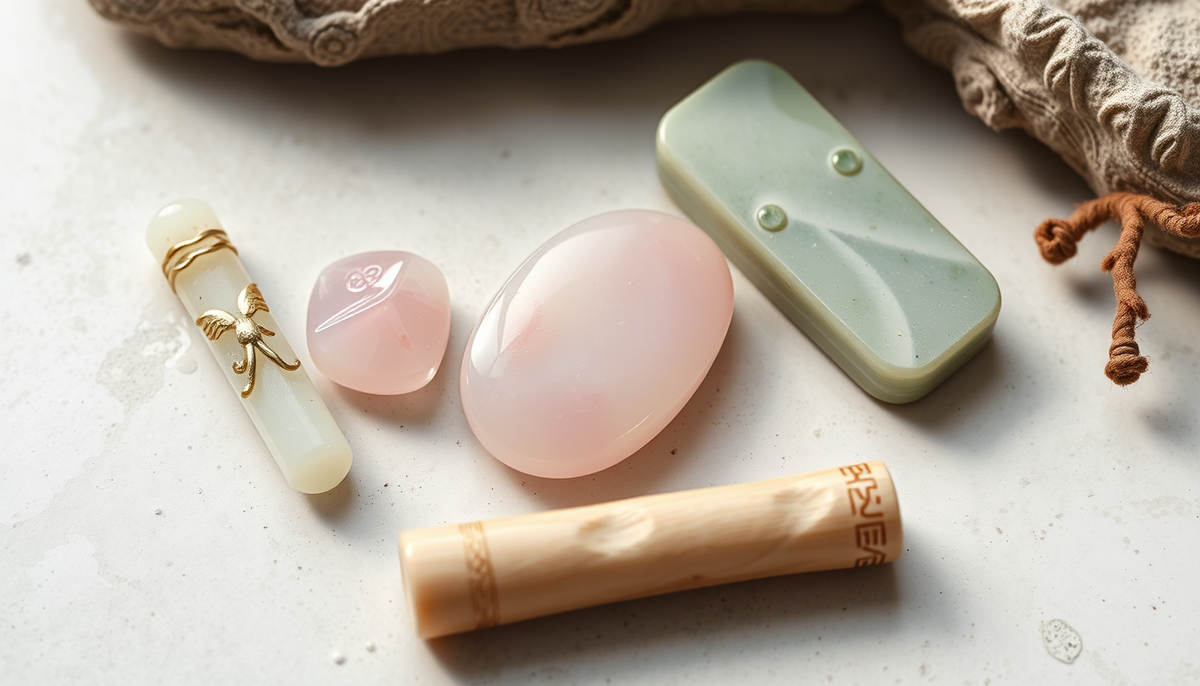
When evaluating tools, prioritize smooth, well-polished edges free of burrs and rough patches. Jade and rose quartz remain popular for their traditional aesthetics and smooth tactile feel, but the key is the edge performance and surface finish rather than material alone.
Practical note: a tool with a slightly convex edge can glide more easily over flat planes, while a concave edge can hug the contours of the cheekbone and jawline. Smoother finishes reduce drag and inflammation risk, especially for sensitive or reactive skin types.
Stroke Cadence: Establishing a Safe, Effective Rhythm
Cadence is the rhythm of your strokes and the pace at which you move the tool. A measured, repeatable cadence promotes lymphatic flow without creating irritation. A robust guideline includes:
- Light-to-moderate pressure that you can maintain for 15–20 seconds per facial area
- 8–12 strokes per broad area, 6–10 strokes for smaller zones
- Movement along lymphatic pathways: from the center of the face outward toward the cheeks and temples, then down toward the neck
As you practice, you’ll learn to adjust cadence based on skin response. The objective is gliding contact with smooth transitions, not scraping or dragging the tool. A consistent cadence reduces the risk of overstimulation while helping your lymphatic drainage stay efficient.
A Comprehensive Step-by-Step Tutorial: Extended Routine for Radiant Skin
- Prep the skin: Start with a clean face and neck. You may apply a few drops of a hydrating serum or light facial oil to enhance glide and protect the surface.
- Warm-up: A warm towel or brief massage relaxes facial muscles and gently opens pores, improving tool glide.
- Neck drainage: Begin at the base of the neck, sweeping downward toward the collarbone to guide lymph away from the face.
- Chin and jawline: From the center of the chin, glide outward along the jaw toward the ears. Repeat with slow, deliberate strokes to ease jaw tension.
- Cheeks and mid-face: Move from the center of the face outward along the cheekbone toward the temple, using light pressure and short, controlled strokes.
- Under-eye and orbital rim: Use an ultra-light sweep from the inner corner of the eye outward to the temple—avoid applying pressure to the delicate orbital region.
- Forehead and brow area: Glide from the center of the forehead outward to the temples, then sweep along the brow line toward the hairline.
- Nasal folds and mid-face ridges: Use a smaller edge to address tension lines with gentle, upward strokes toward the temples.
- Finish and neck recheck: Return to the neck with a few light sweeps to consolidate drainage and close the routine.
Note: the illustrations below visualize typical stroke paths and edge usage. Start with a conservative approach, then gradually expand coverage as your skin acclimates.
Routine Variations by Skin Type and Sensitivity
- Oily or combination skin: Focus on larger surfaces with flatter edges and longer strokes to control oiliness and promote drainage without over-sensitizing.
- Dry or dehydrated skin: Emphasize well-lubricated glides and larger edges to spread moisture while supporting lymph flow.
- Sensitive or reactive skin: Use the gentlest edge, fewer passes, and lower pressure. Always test a small area before expanding use.
In all cases, pair gua sha with a hydrating serum or facial oil to minimize friction and optimize slip for safe, effective outcomes.
Choosing the Right Tool: Materials, Shapes, and Ergonomics
Tools vary in material (jade, rose quartz, other stones) and shapes. Consider these factors:
- Material: Traditional stones are pleasing to touch, yet smoothness and hygiene matter most for performance.
- Edge quality: Look for smooth surfaces and no sharp burrs, which can irritate the skin.
- Size and grip: A comfortable grip and appropriate size reduce fatigue and help you maintain correct technique across sessions.
Explore curated options on reputable retailers, and note parameters such as edge geometry and dimensions. For a curated collection with reliable finishes, see Lova Body's jade and rose quartz gua sha tools designed for facial use.
Maintenance, Safety, and Aftercare
Safe practice hinges on hygiene and gentle care. Follow these guidelines:
- Always cleanse hands and the tool before use.
- Use light-to-moderate pressure; if skin reddens excessively, reduce pressure or stop.
- Avoid areas with active acne, irritation, rosacea, or broken skin.
- Apply sunscreen after gua sha to protect newly exposed skin and support healing.
- Clean and dry the tool after use; store in a clean, dry place to prevent surface degradation.
Illustrations and Visual Guides
Visuals help confirm edge usage and lymphatic pathways. The following visuals provide reference for practitioners and curious readers alike.


Practical Tips: Common Mistakes and How to Avoid Them
- Avoid excessive pressure, which can irritate or inflame delicate skin areas.
- Don’t rush the routine; slow, deliberate strokes yield better lymphatic response.
- Never use gua sha over broken skin or active acne; instead, wait until the skin has healed.
- Don’t neglect sunscreen and hydration post-session; protection supports longer-term results.
Backlinks, Sponsorship, and SEO Considerations
For readers seeking quality tools and products, this article includes sponsored backlinks to Lova Body on strategic keywords such as gua sha tool, jade gua sha, gua sha results, and lymphatic drainage. These affiliations help readers discover trusted tools while supporting ongoing content creation. If you are exploring options, consider the Lova Body collection for jade and rose quartz gua sha tools designed for facial use.
Additional recommended keywords for SEO include: gua sha tool design, edge geometry gua sha, facial lymphatic drainage, gua sha routine, silicone gua sha alternatives, and rhodium-free gua sha tools. The article also links to the sponsor site to facilitate convenient purchasing decisions for readers seeking high-quality products.
FAQ: Expanded Answers for Curious Readers
- Does gua sha work? When used correctly as part of a routine, gua sha can support facial lymphatic drainage and improve skin appearance, though results vary and depend on consistency and skin type.
- What is the best gua sha tool? The best tool is the one with a smooth surface, appropriate edge geometry for your face, and a size that fits your routine. Jade and rose quartz tools are common, but the key is finish and performance.
- How often should you gua sha? Many people start 3–4 times per week and may move to daily use if skin tolerates it well without irritation.
- Is gua sha suitable for all skin types? In general yes, but avoid irritated or broken skin and exercise caution with rosacea or active acne in treated areas.
- Can gua sha be used with serums and oils? Yes, use a hydrating serum or oil to improve glide and support lymphatic flow without friction.
Closing: Ready to Elevate Your Routine?
By combining science-informed edge geometry and deliberate stroke cadence with a well-chosen gua sha tool, you can pursue a more radiant, refreshed complexion. For readers seeking curated options, explore Lova Body's collection, featuring tools designed for smooth gliding and reliable edges. Pair gua sha with a hydrating serum to maximize slip and lymphatic support, and consider journaling your results to observe progress over weeks rather than days. If you’re ready to elevate your skincare routine, visit the lova-body site to discover tools aligned with the techniques outlined above. Sponsored link advantages help you find trusted tools while supporting thoughtful content creation.
Invitation to Purchase Lova Body Products
Discover the convenience of shopping for premium gua sha tools at Lova Body. If you found this guide helpful, consider purchasing a jade gua sha tool or a rose quartz gua sha tool from Lova Body. These selections come with smooth finishes and ergonomic grips designed to enhance your facial lymphatic drainage routine. Happy gliding!

Laisser un commentaire
Ce site est protégé par hCaptcha, et la Politique de confidentialité et les Conditions de service de hCaptcha s’appliquent.