
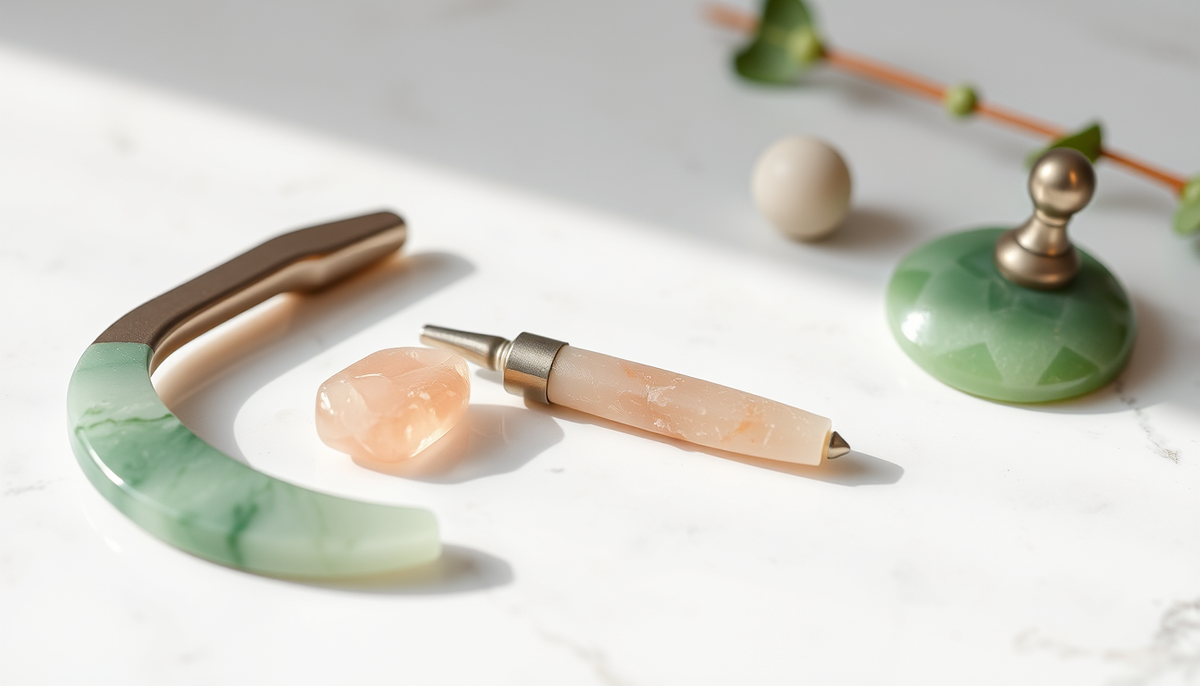
Gua sha has evolved from an ancient health practice into a precise, modern skincare ritual. This comprehensive guide dives into three core pillars that determine effectiveness: edge geometry, material selection, and cadence. By understanding how each factor shapes glide, tissue response, and drainage, you can tailor your gua sha routine to your unique skin needs and lifestyle while optimizing results.
Edge geometry in depth: from edge shape to glide and outcomes
The edge geometry is the contact profile that meets your skin. It influences how much surface area you treat at once, how well the tool sits along facial curves, and how pressure is distributed during each pass. Here’s a practical breakdown of common edge shapes and when to use them:
- Crescent or curved edges: Ideal for following jawline contours, cheekbones, and temples. The wider contact with gentle pressure makes it forgiving on sensitive skin and effective for guiding lymphatic drainage along broad zones.
- Flat or chisel edges: Best for precision work in tight spaces such as around the lips, under the eyes (with extremely light pressure), and along fine lines. A flat edge can deliver a sharper line of contact for targeted improvements.
- Rounded edges: The most forgiving option, offering a smooth glide that’s excellent for beginners or anyone with reactive skin. Rounded edges minimize drag and are great for broad, low-pressure sweeps.
- Multi-edge designs: Some tools combine several edge geometries in one instrument, letting you switch between a wide sweep and a precise pass without swapping tools.
When selecting edge geometry, map your primary zones (forehead, cheeks, jawline) and consider your comfort with pressure. The right edge geometry improves glide, reduces drag, and guides lymphatic drainage along the intended pathways.

Material matters: jade, rose quartz, metal, ceramic, and beyond
The material of a gua sha tool influences skin contact, cooling, durability, and tactile sensation. Here’s a deeper look at popular options and what they contribute to your routine:
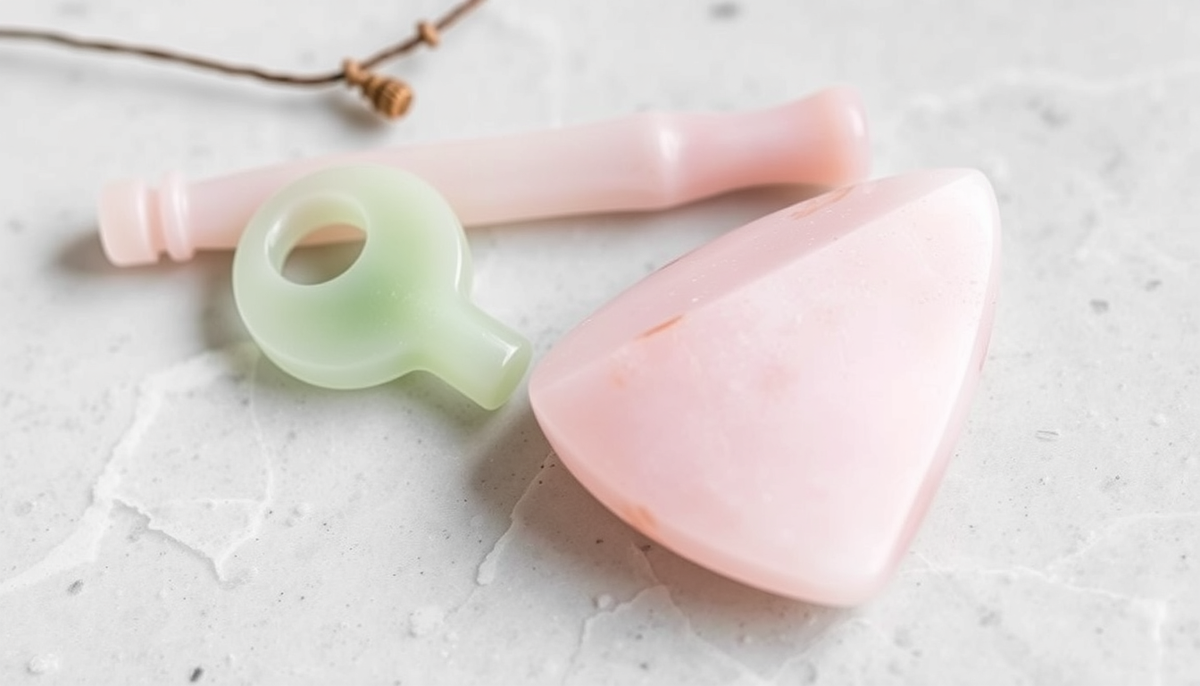
- Jade: Traditionally prized for its smooth surface and cooling feel. Jade is well-suited to larger surface areas and tends to offer a calm glide. It’s a classic choice for beginners seeking a gentle touch.
- Rose quartz: Similar in feel to jade with a slightly softer surface and a timeless pink hue. It remains a popular aesthetic choice and performs well for lymphatic drainage when used with light to moderate pressure.
- Stainless steel and other metals (copper, obsidian): Metal tools feel cooler to the touch and can deliver a crisp, precise glide. They’re durable and easy to sanitize, though their edges may feel less forgiving, favoring controlled strokes for those with experience.
- Ceramic and composite tools: Ceramic options can offer a smooth, non-porous surface with a different thermal profile. Composite tools blend textures for varied sensations across the face.
Care tips: wash your tool after use with mild soap and water, dry thoroughly, and avoid dropping it on hard surfaces. If you notice micro-scratches, replace the tool to maintain a smooth glide and prevent irritation.

Cadence and technique: building a routine for lymphatic drainage and glow
Cadence—the rhythm and direction of strokes—drives how effectively gua sha clears lymphatic congestion and supports a radiant complexion. A thoughtful cadence uses light-to-moderate pressure and moves toward lymph nodes to encourage drainage. Here’s a practical framework you can adapt:
- Prep the skin: Cleanse thoroughly and apply a facial oil or serum to reduce drag and protect the epidermis.
- Begin at the forehead center: Use a gentle upward stroke toward the temples. Do 4–6 passes per area, gradually increasing pressure as tolerated.
- Move to the cheeks: Work from the center of the face outward in upward and outward motions. Focus on the cheekbones, guiding strokes toward the ear and scalp insertion points.
- Jawline and neck drainage: Sweep along the jawline from the chin outward toward the ear, then glide down the neck toward the collarbone to invite drainage away from the face.
- Eyes and delicate areas: Use a narrow edge to gently sweep around the orbital bone and under the eyes with extreme care and minimal pressure.
- Finish and seal: A light final pass along the neck and décolletage helps unify the tone. Clean the tool after use.
A typical session lasts 5–15 minutes. Consistent use often yields the most noticeable results over several weeks. For best results, pair gua sha with a well-formulated moisturizer or facial oil to support glide and hydration. If you are new to gua sha, begin with the gentlest approach and gradually expand your practice as your skin adapts.

Choosing the right tool for your routine: a practical decision framework
Selecting a gua sha instrument becomes easier when you weigh edge geometry, material, and personal preferences. Use this decision checklist as a quick guide:
- Skin sensitivity: If you have reactive skin or are new to gua sha, start with a rounded edge in jade or rose quartz for a gentler glide.
- Area of focus: For large zones like the cheeks and forehead, curved or rounded edges provide broad coverage. For precise work around the lips or under the eyes, consider a flat edge with careful pressure.
- Maintenance and cleaning: If you prefer low-maintenance care, stainless steel or other metals are often easiest to sanitize and keep clean.
- Aesthetic and feel: Some users enjoy the cooler sensation of metal; others prefer the traditional feel and color of jade or rose quartz.
Remember: consistency beats perfection. The best tool is the one you actually use regularly.

Myths, safety, and best practices
- Myth: Gua sha offers permanent lifting. Reality: Regular use can improve temporary contour, skin tone, and drainage when paired with proper skincare and hydration.
- Myth: You must press hard to see results. Reality: Gentle, consistent strokes promote drainage and microcirculation without bruising.
- Safety tips: Use clean tools, avoid actively inflamed or broken skin, avoid areas with broken capillaries, and consult a dermatologist if you have vascular or skin concerns.
Always balance pressure, speed, and direction. Mindful cadence protects the skin while delivering lymphatic benefits and a healthy glow.
Integrating gua sha into your skincare regimen
Gua sha should be seen as a complement to your existing routine, not a replacement. Apply the treatment after cleansing and before heavier creams or sunscreens on most days. For those using active ingredients, consider alternating days if you notice sensitivity. When layering, apply serums or ampoules first, seal with a light oil or moisturizer, and then perform a gentle gua sha pass to enhance absorption and hydration.
- Best practice: Use a facial oil, serum, or lightweight moisturizer to minimize drag and protect the epidermis.
- What to avoid: Do not gua sha over active breakouts, recent chemical peels, or areas with acute irritation, and never perform gua sha over broken capillaries without medical guidance.
- Travel tips: Choose a compact tool with a protective case; keep it clean and dry to maintain glide while on the go.

Long-term results, tracking progress, and common mistakes to avoid
Tracking progress can help you stay motivated and optimize your routine. Take weekly photos in consistent lighting, note any changes in skin texture, puffiness, or radiance, and adjust your cadence or tool choice accordingly. Common mistakes include overworking the same area, neglecting prep and lubrication, and expecting dramatic, immediate transformations. Set realistic expectations: most people notice gradual improvement in swelling, tone, and glow after 3–8 weeks of steady practice.
- Tip: Rotate edges and materials every few weeks to explore what works best for your skin and avoid adaptation plateaus.
- Tip: Clean and dry your tool thoroughly after each use to prevent bacteria growth and staining.
- Tip: Pair gua sha with a stable skincare routine and healthy lifestyle for best results.

Practical routine roadmap: an 8-week path from beginner to seasoned user
Follow this structured plan to build confidence and results steadily:
- Gentle routine with rounded edges in jade or rose quartz, 5–7 minutes daily. Focus on cleansing, lubrication, and light drainage strokes. Learn safe pressure and basic patterns along the jaw, cheeks, and forehead.
- Weeks 3–4: Introduce curved edges for broader coverage. Increase sessions to 8–12 minutes, maintaining a slow, controlled cadence. Begin adding light neck and décolletage passes.
- Weeks 5–6: Explore multi-edge tools and refine edge-specific work around delicate zones (under-eye, orbital rim, small lines). Maintain consistent coastal moves toward lymph nodes.
- Weeks 7–8: Establish a sustainable routine—morning and/or evening—based on your schedule. Continue to vary surfaces with jade, rose quartz, or metal depending on preference and results.
Regular practice should help reduce puffiness, improve skin texture, and enhance radiance. Pair with a balanced skin-care plan, hydration, and sun protection for optimal long-term outcomes.

Case studies: real-world experiences (composite examples)
Note: These cases are representative examples illustrating typical trajectories with consistent practice. Individual results may vary based on skin type, lifestyle, and adherence to technique.
Case 1: The busy professional seeking de-puff and glow
A 34-year-old professional incorporated a 7–10 minute daily routine using a curved jade edge and rose quartz in the morning. After 6 weeks, the client reported less facial swelling upon waking, improved cheekbone definition, and a more even complexion. They cited ritual consistency as the key driver of change.
Case 2: The skincare enthusiast focusing on prevention and texture
A 28-year-old with combination skin adopted a 12-minute routine, incorporating a multi-edge tool for full-face coverage and targeted under-eye work. After 8 weeks, the skin appeared smoother with reduced fine lines and a calmer appearance in the T-zone.
Case 3: Sensitive skin, gentle intro and texture improvement
A sensitive-skin user started with rounded edges in jade, moving slowly to more curved options. Over 10 weeks, they observed less redness and improved glow, with no irritation noted when using simple, hydrating serums.
Shop LovA Body: elevate your gua sha toolkit
For readers looking to upgrade their toolkit, the LovA Body collection offers premium jade and rose quartz gua sha tools along with metallic edge options designed for durability and optimized glide. Explore the range to find a tool that matches your preferred edge geometry, material, and feel. Visit LovA Body to purchase.
Sponsored by LovA Body – this article includes affiliate links to lova-body.com on strategically chosen keywords to help you discover high-quality gua sha tools for lymphatic drainage and radiant skin.
Final thoughts: choosing progress over perfection
Gua sha is a tool—a supportive practice that, when executed with care, can complement your skincare goals and promote a sense of well-being. The most important factor is consistency and mindful technique. By understanding edge geometry, material choices, and cadence, you can tailor your routine to your skin’s unique needs and start seeing meaningful improvements in lymphatic drainage, texture, and radiance.

Laisser un commentaire
Ce site est protégé par hCaptcha, et la Politique de confidentialité et les Conditions de service de hCaptcha s’appliquent.