
In 2026, a data-informed approach to gua sha blends traditional technique with modern skincare science. This comprehensive guide dives into an ergonomic grip, thoughtful tool materials, precise cadence, and practical routines designed to support facial lymphatic drainage, reduce puffiness, and promote a radiant complexion. Written for skincare enthusiasts, professionals, and curious beginners alike, the aim is to help you build a safe, repeatable practice backed by practical observations and cautious interpretation of available evidence.

Gua Sha and Facial Lymphatic Drainage: What It Is and Why It Matters
Gua sha involves smooth, gliding strokes along the contours of the face to potentially stimulate microcirculation, encourage lymphatic movement, and support a refreshed appearance. While individual results vary, many users report reduced puffiness, improved tonicity, and a more awake look when the practice is consistent and paired with a slip-enhancing oil or serum. This guide emphasizes a cautious, data-informed approach rather than a miracle cure, recognizing that anatomy, skin condition, and lifestyle all influence outcomes.

Ergonomic Grip: Posture, Hand, and Wrist for Sustainable Practice
A stable, ergonomic grip reduces strain and improves stroke precision. Consider these evidence-informed guidelines to protect joints and maintain control over the tool:
- Hold the tool between the thumb and index finger with a light but steady grasp to preserve finger flexibility.
- Keep the wrist neutral and allow the forearm to rest on a supportive surface or be stabilized by the opposite hand.
- Engage larger muscle groups (shoulder and upper arm) for longer sessions rather than relying solely on the wrist.
- Alternate grip pressures with mindful micro-pauses to prevent fatigue during extended routines.

Tool Materials: Jade, Rose Quartz, Stainless Steel, and Beyond
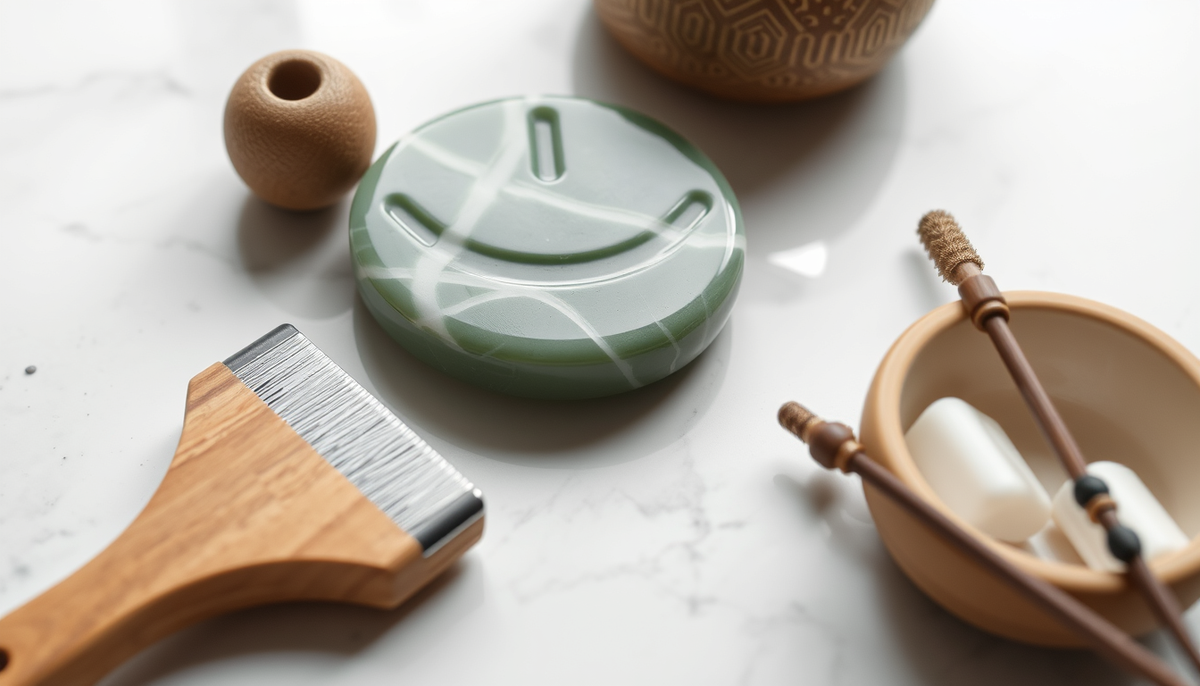
Tool material influences glide, temperature sensation, cleaning ease, and perceived comfort. Here is a concise material guide to help you compare options:
- Jade: A classic material offering a smooth glide and traditional appeal. Pros include comfortable contact and broad availability; cons may include price variability and occasional texture inconsistencies.
- Rose Quartz: Known for a soft pink hue and gentle contact. Pros include a luxurious feel and soothing glide; cons may include color variation and higher price.
- Stainless Steel: Durable, easy to sanitize, and delivers consistent glide. Pros include hygiene and longevity; cons include a cooler touch and the need for an appropriate slip to avoid tugging.
- Other Materials: Some tools use reinforced resins or ceramic composites. These can offer different grip textures and price points but may require extra care for cleaning and durability.

Shapes, Edges, and Tool Geometry: Finding Your Best Fit
Beyond material, shape and edge design influence ease of use on different areas of the face. Some shapes are flatter for broad strokes, while others feature scooped edges for harder-to-reach zones. When selecting a tool, consider:
- Edge curvature and width in relation to jawline, cheekbone, and eye area.
- Weight balance to minimize grip fatigue over time.
- Surface texture—some prefer smoother surfaces for sensitive skin, others favor a slightly cooler feel for refreshing effects.

Cadence, Pressure, and a Data-Informed Protocol
Effective gua sha practice leans on a gentle, measured cadence and light-to-moderate pressure. The following protocol aims to balance efficacy and skin safety:
- Target 5–7 seconds per stroke, with 2–3 strokes per facial zone (jawline, cheeks, forehead, neck).
- Plan 6–12 minutes per session, adjusting duration based on comfort and skin response.
- Apply a slip-enhancing product (oil or serum) to minimize friction and enable smooth glides.
- Practice 3–5 days per week initially, then adapt frequency if your skin tolerates it well.
- Move toward lymph nodes and drainage pathways (center of the face toward the sides and upward along the neck).
- Adjust pressure gradually: start with a feather-light touch, then incrementally increase only if no redness or irritation appears.

Step-by-Step Routine: A Practical How-To for a Balanced Session
- Prep and slip: Cleanse skin thoroughly and apply a light layer of facial oil or serum to create optimal glide.
- Neck and décolletage: Begin at the neck, sweeping upward along the collarbone toward the jawline to support drainage.
- Jawline and lower face: Glide from the center of the chin outward along the jawline toward the earlobe with steady, upward motions.
- Cheeks: Move from the nasolabial area outward along the cheekbone, then sweep toward the temples to lift and drain.
- Under-eye and delicate zones: Use very light pressure and short strokes, always directing away from the eye to minimize irritation.
- Forehead: Start at the center and glide outward toward the temples; repeat in sections to cover the entire forehead with upward movements.
- Nasolabial folds and chin: Lightly sweep upward from the corners of the mouth to the cheek area, avoiding tugging on the skin around the mouth.
- Final neck and décolletage: Finish with upward strokes away from the décolletage to support drainage and tone consistency.

Safety, Etiquette, and Contraindications: Protecting Your Skin
While gua sha is generally safe for many skin types, certain conditions require caution or avoidance. Consider these guidelines:
- Avoid applying strokes over broken skin, active acne in inflamed areas, sunburn, eczema flare-ups, or severe rosacea.
- Do not perform vigorous or deep pressure on fragile areas such as near the inner eye or on very thin skin.
- Discontinue use if you notice persistent redness, irritation, or worsening puffiness after several sessions.
- Consult a dermatologist if you have chronic skin conditions, recent cosmetic procedures, or cardiovascular concerns that might influence facial circulation.

Common Mistakes and How to Avoid Them: Extended Tips
- Overloading with pressure: Begin with feather-light touch, then progress only if your skin tolerates it without redness.
- Dragging instead of gliding: Prioritize smooth, continuous strokes with ample slip to prevent tugging.
- Overdoing duration: Stick to a schedule that respects your skin’s recovery needs to avoid irritation.
- Inconsistent cadence: Maintain a steady 5–7 seconds per stroke to promote consistent drainage patterns.
- Neglecting neck and décolletage: Leave these areas out at your peril; they can influence overall drainage and tone.

Maintenance, Cleaning, and Longevity: Caring for Your Tools
To preserve glide quality and hygiene, clean tools after use with mild soap and water or alcohol wipes, then dry thoroughly. Store in a clean, dry locale away from direct sunlight. Regularly inspect stones for chips or rough edges and replace when necessary to prevent skin irritation. Don't share tools between people to avoid cross-contamination.

Integrating Gua Sha with Your Skincare Routine: Synergy and Timing
Gua sha works best when integrated thoughtfully with other skincare steps. Consider the following sequencing and synergy ideas:
- Cleanse and tone before gua sha to prepare the skin and open microchannels for better glide.
- Apply serums or lighter moisturizers after gua sha to lock in benefits from improved absorption and drainage.
- Pair with facial massage tools or facial cupping if you use multiple modalities; ensure your timing respects skin recovery between sessions.
- Hydration and sleep quality influence results; consider lifestyle habits alongside tool use for a fuller effect.

Beyond the Routine: Personalization and Data-Informed Adjustments
Not every face responds the same way. Track your results over several weeks, noting changes in swelling, tone, and texture. Consider a simple data-tracking approach: take a weekly photo, log any changes in firmness or puffiness, and adjust cadence, duration, and tool choice accordingly. Small, consistent tweaks often yield meaningful long-term differences without compromising skin health.
Backlinks, Sponsorship, and SEO Notes
This article contains sponsored links to lova-body.com. By visiting these links and purchasing products, you may support the site at no extra cost to you. Keywords and internal navigation are chosen to help readers discover reliable gua sha resources, including gua sha tool, jade gua sha, and other related accessories. Consider exploring the full range for ergonomic designs and durable materials that align with your skincare goals.
Conclusion: A Safe, Data-Informed Path to Radiant Skin
With the right grip, material choice, and a gentle, data-informed cadence, gua sha can become a repeatable, enjoyable component of your skincare ritual. Prioritize comfort, consistency, and mindful technique to support a refreshed complexion over time. If you’re ready to elevate your toolkit, explore the range of tools and accessories at Lova Body to find options tailored to your skin goals.

Laisser un commentaire
Ce site est protégé par hCaptcha, et la Politique de confidentialité et les Conditions de service de hCaptcha s’appliquent.