
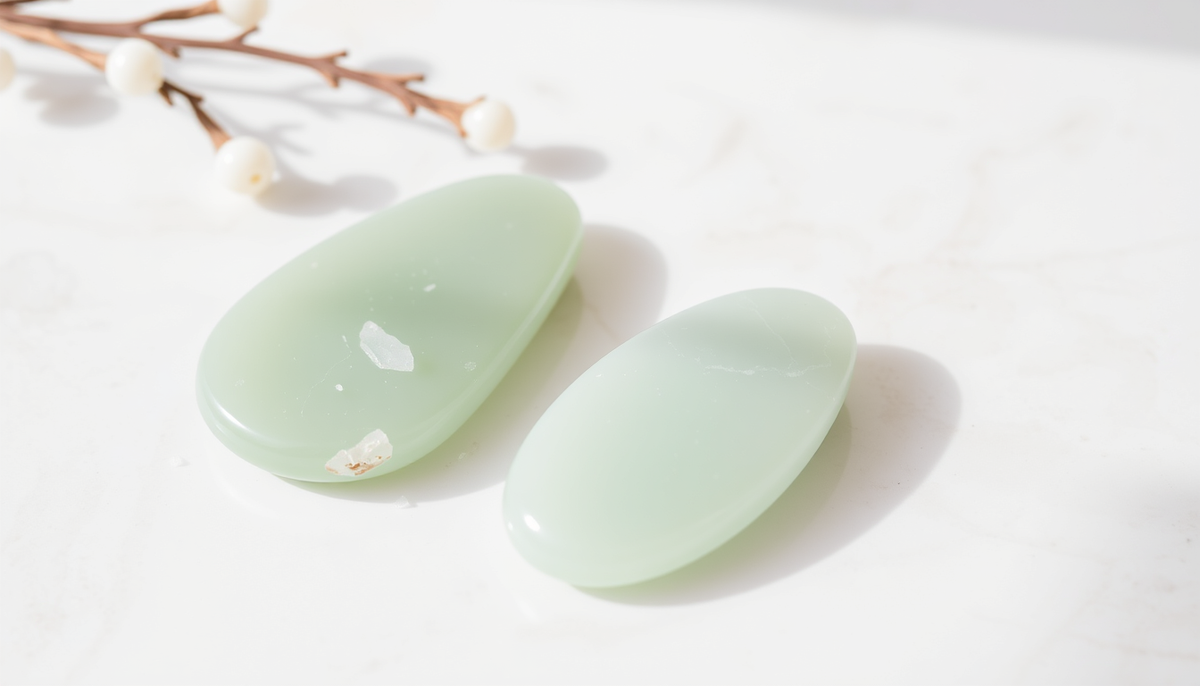
Gua Sha has surged in popularity as a skincare practice that blends traditional technique with modern, data-driven insights. This extended guide dives deep into tool geometry, cadence, and facial lymphatic drainage to help you achieve a radiant, clear complexion with a repeatable, measurable routine. You’ll find practical steps, safety notes, and science-informed tips you can apply today—whether you’re a skincare newcomer or a seasoned gua sha enthusiast.

Understanding Gua Sha Tool Geometry: Why Shape Matters
Tool geometry defines how the skin is contacted and how pressure distributes across facial tissues. The right shape enhances glide, reduces drag, and targets different facial planes with minimal friction. When selecting a tool, consider curvature, edge thickness, grip length, and weight—each influences control and feedback during a session.
- Flat-edged edges: Ideal for broad planes like the cheeks and forehead, enabling long, even strokes.
- Concave or curved edges: Best for contouring along the jawline, cheekbones, and around the orbital rim where gentle, precise contact is key.
- Spoon or convex edges: Helpful for lifting effects and navigating curved surfaces such as the jaw and brows.
- Edge radius and thickness: Affects contact area and friction. Typical radii range ~2–6 mm; thinner edges offer finer control, thicker ones cover more surface with each pass.
- Material and weight: Jade, rose quartz, and stainless steel each deliver distinct tactile feedback and heat retention properties.
For practical guidance, many users begin with a flat edge for broad zones, then test curved edges on the jaw and brows. If you’re curious about choosing a starter or upgrade, explore jade gua sha tool options and related products on Lov a Body.

The Cadence of Your Sessions: Finding Your Rhythm
Cadence is more than speed; it’s the rhythm, pressure, and sequence you use to move along facial zones. A repeatable cadence makes results comparable over time and reduces the risk of overdoing pressure in any single area.
- Preparation: Cleanse, dry thoroughly, and apply a thin layer of compatible facial oil or serum to minimize drag.
- Time target: 3–5 minutes per side for a complete facial map. If you’re new, start at 2 minutes per side and gradually build up.
- Stroke count: 5–7 light-to-moderate strokes per direction (upward and outward) on each zone.
- Pressure: Begin with a gentle touch; increase only if your skin tolerates it. Avoid dragging over irritated or broken skin.
- Sequence: Start at the center of the face, work outward toward the ears, and finish with neck drainage to support lymph flow.

Facial Lymph Drainage: Paths, Safety, and Benefits
Gua Sha is frequently paired with facial lymphatic drainage to promote fluid movement, reduce puffiness, and support clarity. Understanding the drainage pathways helps you guide strokes safely toward regional nodes and away from sensitive areas.
- Neck drainage first: Gentle upward-to-downward strokes toward the clavicle open drainage pathways.
- Midface: Use upward, outward sweeps from the center toward the temples and ears to encourage drainage toward preauricular and cervical nodes.
- Jawline and cheeks: Glide from the chin to the ear along the jaw to move stagnation toward submandibular nodes.
- Forehead and brow: Smooth outward sweeps from the midline toward the temples to relieve tension and improve microcirculation.
- Safety notes: Avoid broken skin, active dermatitis, or recent cosmetic procedures within 72 hours; patch-test serums or oils and listen to your skin’s signals.

Data-Driven Tips for Maximizing Results
Transform routine into a measurable practice by tracking your skin’s response and iterating technique. Here are practical, data-oriented strategies:
- Baseline capture: Take a baseline photo under consistent lighting and note redness, brightness, and texture.
- Consistency over intensity: Regular sessions yield better long-term results than sporadic, aggressive sessions.
- Quantify changes: Track week-to-week improvements with a simple rating scale or controlled smartphone photos.
- Experiment with variations: Conduct A/B tests by swapping tool edges or adjusting cadence for two weeks each to identify what fits your facial anatomy.
- Product alignment: Readers seeking a trusted tool can explore high-quality options like jade gua sha tool through reputable suppliers such as Lov a Body.
For further ideas and community insights, you can browse reviews and retailer recommendations on Lov a Body.
Choosing the Right Gua Sha Tool and Maintenance
Material, shape, and finish influence both aesthetics and performance. Here are quick guidelines to help you pick the right option and keep it hygienic:
- Material: Jade vs rose quartz—jade is dense with a cooler feel; rose quartz can feel warmer as you use it. Climate and preference matter as much as texture.
- Metal tools exist but are less common for beginners due to different glide dynamics. If you try metal, ensure a smooth, rounded edge to avoid catching skin.
- Maintenance: Clean with gentle soap and water after each use; avoid harsh cleansers that could dry the material; dry thoroughly to prevent mineral buildup.
- Care and storage: Store in a clean, dry place away from direct sunlight to preserve surface quality.
- Safety: Replace if you notice cracks, chips, or rough edges that could cut or irritate skin.
For readers seeking reliable starter tools or upgrades, Lov a Body features carefully curated options, including jade and other materials. Explore the best gua sha tool choices on their product pages.
Advanced Techniques and Variations
Once you’re comfortable with basics, you can explore nuanced techniques to tailor results to your goals and skin type.
- Layering and glide: Use light-to-medium pressure with a mid-surface glide to stimulate microcirculation without overworking the skin.
- Multiple-pass approach: Cover each facial zone with 2–3 passes in different directions to ensure complete coverage and even lymph movement.
- Edge testing: Experiment with different edge types on cheeks, jawline, and forehead to learn where your skin responds best.
- Temperature management: If you enjoy a cool tool, chill the gua sha briefly in the refrigerator (not freezer) to enhance refreshing effects, especially in warmer climates.
- Combo sessions: Alternate gua sha with a gentle facial massage using your fingertips to boost relaxation and tissue mobility.

Common Mistakes and How to Fix Them
- Too much pressure: Start light; progressively increase pressure only if your skin tolerates it. If you see redness or irritation, ease off.
- Dragging over irritated skin: Pause and assess; consider patch-testing products and revisiting your approach.
- Overlapping strokes without coverage: Ensure each stroke has a distinct path to avoid friction on the same skin area.
- Using gua sha as a replacement for skincare: Treat gua sha as a complementary technique to proper cleansing, toning, and moisturizing.
- Ignoring hygiene: Clean your tool after every use and replace if you notice structural wear.
Safety, Contraindications, and Skin Types
While gua sha is generally safe for many, consider these cautions to protect your skin and overall health:
- Pregnancy or certain medical conditions: Consult your clinician if you have concerns about facial procedures or lymphatic therapies.
- Active acne, eczema, dermatitis, or wounds: Avoid affected areas and seek professional guidance if needed.
- Recent cosmetic procedures: Allow healing time before introducing gua sha into your routine.
- Allergies or sensitivities: Patch-test oils or serums used with gua sha to avoid adverse reactions.
Integrating Gua Sha with Your Skincare Routine
To maximize benefits, place gua sha within a holistic skincare sequence. The goal is to support product absorption, improve microcirculation, and promote lymph flow without compromising the skin barrier.
- Pre-cleanse and cleanse to remove surface debris.
- Balance with a toner or hydrating essence to prepare the skin.
- Apply serums and moisturizers that are compatible with gua sha, ensuring slip without clogging pores.
- Gua sha session: Use a suitable oil-based or water-based product that provides adequate glide.
- Post-care: Apply moisturizer or facial oil to seal in hydration and maintain skin comfort after the massage.

30-Day Challenge: A Step-by-Step Plan to Build Mastery
If you’re ready for a structured approach, try this 30-day plan that gradually increases exposure, builds muscle memory, and tracks progress.
- Days 1–7: Learn and practice the basic strokes with a flat edge on the cheeks and forehead for 2 minutes per side, focusing on light pressure and consistent cadence.
- Days 8–14: Introduce a curved edge for jawline contours; extend sessions to 3 minutes per side and start a simple photo diary.
- Days 15–21: Add neck drainage, incorporate a two-direction approach per zone, and begin mild logbook notes on brightness and texture.
- Days 22–30: Combine multiple edges and optimize cadence for 4–5 minutes per side, refine your technique based on week-over-week observations.

FAQ: Expanded Answers for Real-World Use
- Q: Does gua sha work for everyone?
- A: Many users report improved microcirculation, reduced puffiness, and a more lifted appearance. Results vary by skin type, technique, and consistency.
- Q: Can I use gua sha if I have sensitive or acne-prone skin?
- A: Patch-test serums, use gentle pressure, and avoid active breakouts. If unsure, consult a clinician before trying new tools.
- Q: How often should I use gua sha?
- A: Start with 3–4 sessions per week; adjust based on comfort and results. Daily use is fine for many if the pressure remains light to moderate.
- Q: Are metal gua sha tools safe?
- A: Metal tools can be effective but may require more care to ensure smooth edges and avoid skin irritation. Always smooth and clean before use.
- Q: Should I replace my gua sha tool?
- A: Replace if you notice cracks, chips, sharp edges, or if the tool loses its smooth glide or shows signs of wear.
Conclusion and a Gentle Invitation
When you blend data-driven geometry, cadence, and mindful lymphatic drainage, gua sha becomes a repeatable practice rather than a one-off ritual. By tracking how your skin responds and iterating your technique, you can amplify radiance and clarity over time.
Ready to elevate your routine with a trusted jade gua sha tool and accessories? Visit Lov a Body to explore curated tools designed for consistent performance and clean hygiene, including the jade gua sha tool and complementary skincare accessories. Discover options that align with your goals and budget—your radiant complexion awaits. Shop Lov a Body products now.


Laisser un commentaire
Ce site est protégé par hCaptcha, et la Politique de confidentialité et les Conditions de service de hCaptcha s’appliquent.