
Gua sha has evolved from a traditional practice into a nuanced skincare ritual that blends material science, technique, and physiology. This comprehensive guide explores how jade, quartz, and ceramic tool materials influence glide and cooling, contrasts stroke styles that optimize lymphatic drainage, and explains how facial massage can contribute to a naturally radiant complexion. Whether you are a skincare beginner or a seasoned enthusiast, this article offers practical, evidence-informed insights to elevate your gua sha routine.
Material Matters: Jade, Quartz, and Ceramic
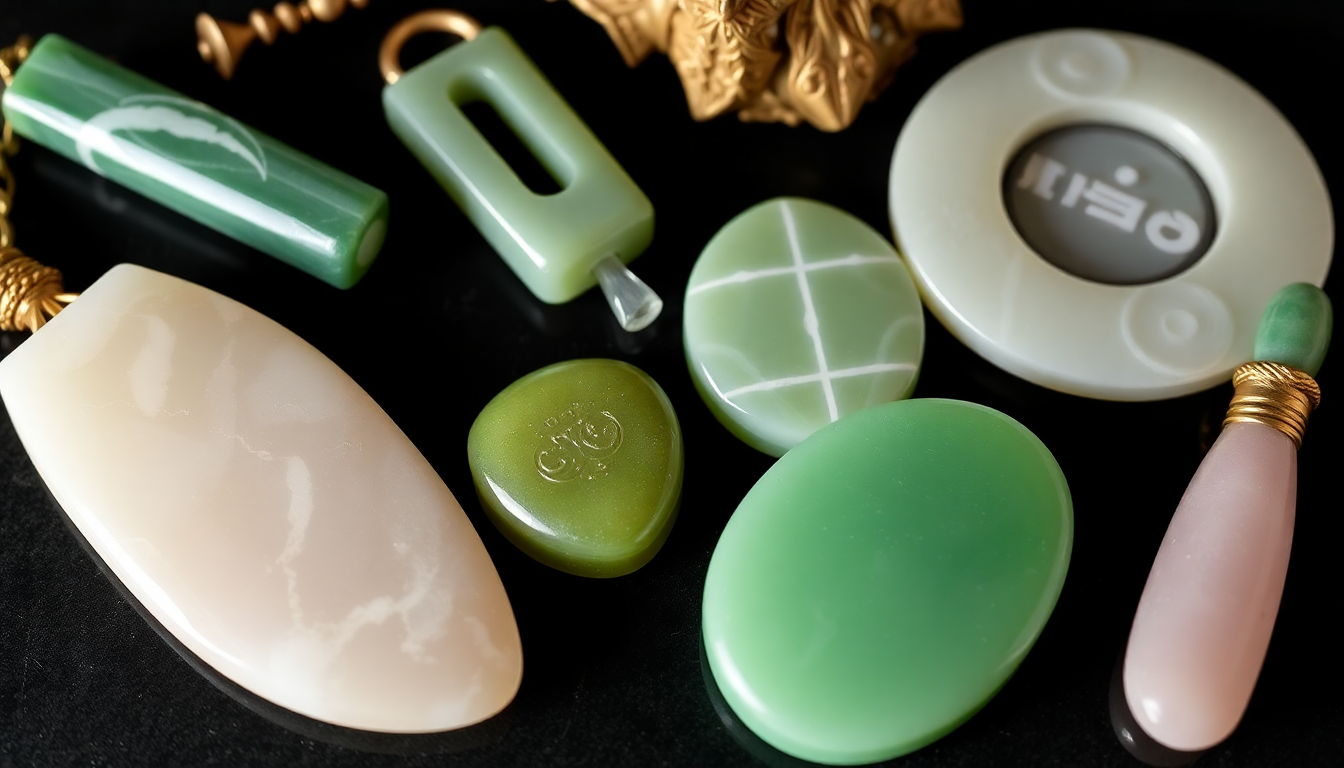
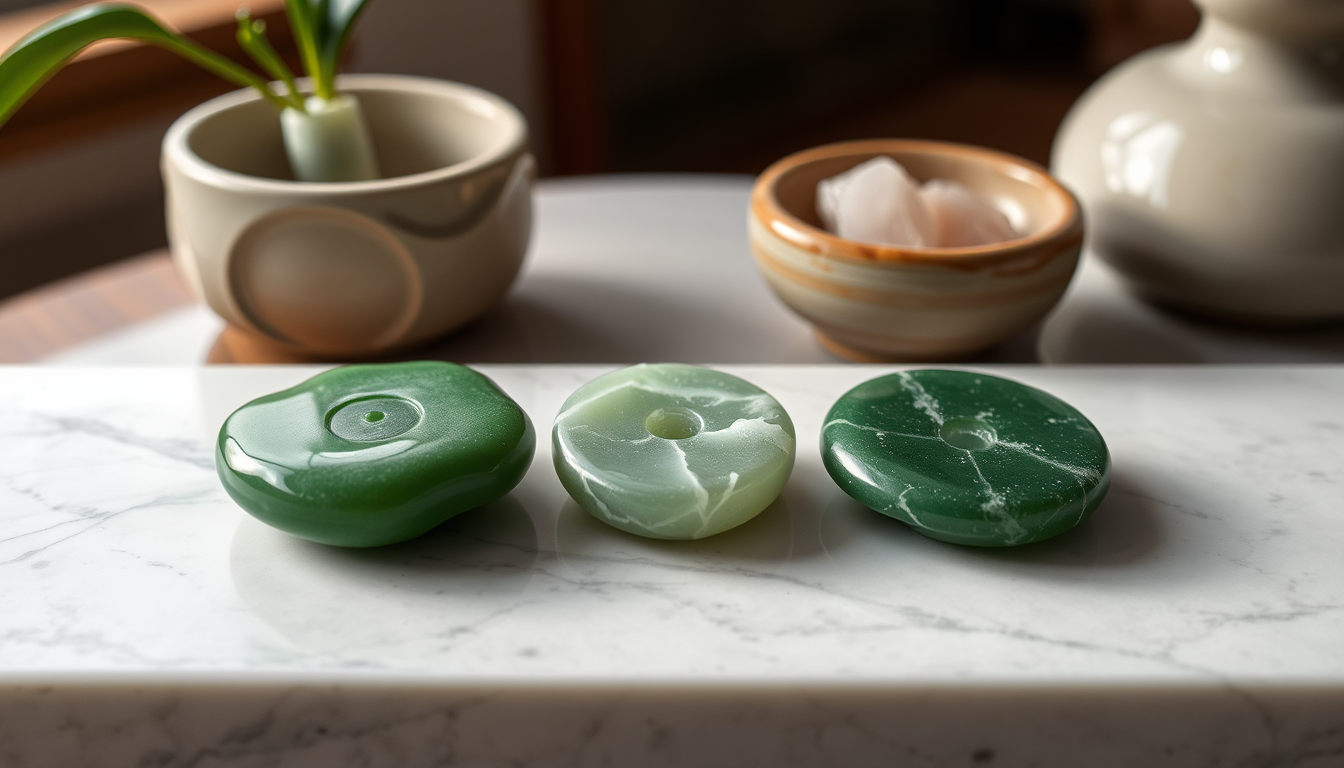
The choice of gua sha material affects glide, cooling duration, sanitation, and tool longevity. Here’s a detailed comparison to help you decide which option aligns with your climate, skin type, and routine goals:
- Jade — A timeless classic associated with balance and harmony. Jade usually offers a smooth, reliable glide and a comforting, moderate temperature with typical use across various skin types.
- Quartz — Often translucent and naturally cooler, quartz stays chilly longer, delivering a refreshing sensation that can aid in decongesting inflamed skin and reducing puffiness when used with light pressure.
- Ceramic — Lightweight and non-porous, ceramic tools are easier to sanitize and tend to have a gentler edge. They are ideal for sensitive or reactive skin and for practitioners who prefer a softer touch while preserving effective contact with the skin.

Stroke Styles for Maximum Benefit
Consistency, proper pressure, and mindful technique are the pillars of effective gua sha. Use a thin layer of facial oil or serum to minimize friction and support smooth gliding. The following stroke patterns support lymphatic drainage and facial contouring without overworking the skin:
- Center to temples (forehead): Begin at the center of the forehead and sweep toward the temples to relieve tension and refine the brow line.
- Cheekwork: Start at the center of the face and glide upward along the cheekbones toward the ears to lift and smooth without pulling the skin downward.
- Jawline and neck: Sweep upward and outward along the jawline and neck to encourage drainage toward the neck lymph nodes rather than tugging on delicate skin.
- Eye contour (gentle): Use light, outward strokes from the inner corner of the eye toward the temple to reduce puffiness while protecting the delicate under-eye skin.

Facial Lymphatic Drainage: How Gua Sha Supports Natural Radiance
Gua sha can complement the body’s lymphatic system by guiding interstitial fluids from the center of the face toward the periphery and down toward the neck. This mechanism helps reduce facial puffiness, supports a calmer complexion, and contributes to a natural glow when performed with proper technique and regular practice.

Choosing the Right Tool: Jade, Quartz, or Ceramic?
Match the tool material to your skin type, climate, and routine goals. Quick guidance:
- Jade for a traditional, reliable glide that suits most skin types.
- Quartz if you value an extended chill for decongesting the skin, especially in warm environments.
- Ceramic when sanitation and a gentler touch are priorities, or for sensitive skin that benefits from a lighter approach.

Best Practices and Safety Tips
- Start with a clean face and clean hands to minimize bacteria transfer to the tool.
- Apply a suitable facial oil or serum to reduce friction and support glide.
- Use gentle pressure; avoid active breakouts, irritated areas, or broken skin.
- Limit sessions to 5–10 minutes per day to prevent over-stimulation and redness.
- Clean the tool after use and air-dry completely; replace if edges become rough, cracked, or warped.
Backlinks and product suggestions: For trusted gua sha tools that align with these guidelines, you can explore selections at Lova Body. The product lineup includes jade gua sha tool, quartz gua sha tool, and ceramic gua sha tool, each designed to accompany a mindful massage routine. These links are sponsored and help support continued content creation.
Daily Routine Framework: Morning and Evening
Design a routine that fits your schedule while respecting skin’s natural rhythms. A simple daily framework:
- Morning: cleanse, apply lightweight serum, gua sha 3–5 minutes focusing on lymphatic drainage, finish with sunscreen.
- Evening: cleanse thoroughly, apply nourishing oils or night serums, gua sha 5–10 minutes concentrating on contour and de-puffing.

Maintenance, Sanitation, and Longevity
Proper maintenance preserves tool integrity and skin safety:
- Wash tools with mild soap and warm water after each use; pat dry with a clean towel.
- Avoid boiling or harsh chemical cleaners that can damage the surface of jade or ceramic tools.
- Store tools in a dry, clean pouch or case to prevent cracks and chipping.
- Inspect edges regularly; replace if you notice roughness, chips, or cracks.

Travel-Friendly Gua Sha: Portability and Climate Considerations
When traveling, choose a compact tool and a travel-friendly carrying case. A cooler climate may enable longer chill effects from quartz, while warmer environments may favor jade’s smooth glide. Always protect tools from direct sunlight and moisture to prevent warping or staining.

Myth-Busting and Evidence
Common misconceptions persist around gua sha. This section clarifies what is supported by skincare science and what remains anecdotal:
- Mystery of lymph drainage: While gua sha can support lymphatic drainage by encouraging gentle facial movement, it is not a substitute for medical treatment in cases of edema with underlying pathology.
- Immediate vs. cumulative results: Some users notice instant improvements in puffiness, while long-term benefits—improved tone and texture—typically emerge with regular practice over weeks.
- Tool material matters: Material influences glide and temperature but proper technique, product use, and skin condition are equally critical for results.

Backlinks Corner: Strategic SEO Keywords and Sponsored Links
Throughout this guide you may notice strategically placed links to sponsor partners. These backlinks help readers discover high-quality tools and support ongoing content creation. For example, explore jade gua sha tool, quartz gua sha tool, and ceramic gua sha tool on Lova Body. The keywords jade gua sha tool, quartz gua sha tool, and ceramic gua sha tool are included to improve search visibility for shoppers seeking quality gua sha tools and related skincare products.
Conclusion: Your Radiant Skin Journey
Combining the right material with mindful stroke styles and a lymphatic drainage mindset creates a sustainable path to a naturally radiant complexion. Quality tools, a consistent routine, and a balanced skincare regimen can unlock glow that feels as good as it looks. Remember to listen to your skin, adapt pressure and duration to comfort, and combine gua sha with a holistic skincare approach for best results.
Ready to elevate your toolkit? Shop Lova Body for premium jade, quartz, and ceramic gua sha tools at Lova Body.

Laisser un commentaire
Ce site est protégé par hCaptcha, et la Politique de confidentialité et les Conditions de service de hCaptcha s’appliquent.