
Introduction
In the dynamic world of skincare, innovation and natural remedies are at the forefront of achieving radiant and youthful skin. Among the most trending approaches in 2025 is gua sha, an ancient Chinese practice that has gained modern acclaim for its remarkable benefits. This technique not only enhances your skin's appearance but also plays a vital role in detoxification through lymphatic drainage. If you're looking to elevate your skincare routine, mastering expert-approved gua sha techniques is your gateway to achieving healthier, glowing skin.

What is Gua Sha and Its Origins?
Gua sha originates from Traditional Chinese Medicine (TCM), where it has been practiced for thousands of years. The term "gua" means to scrape, and "sha" refers to the redness or scraping marks that appear on the skin after the procedure, indicating the release of stagnant blood and energy. In recent years, gua sha has transitioned into the skincare realm, focusing on facial applications to promote a youthful glow and detoxify the skin.
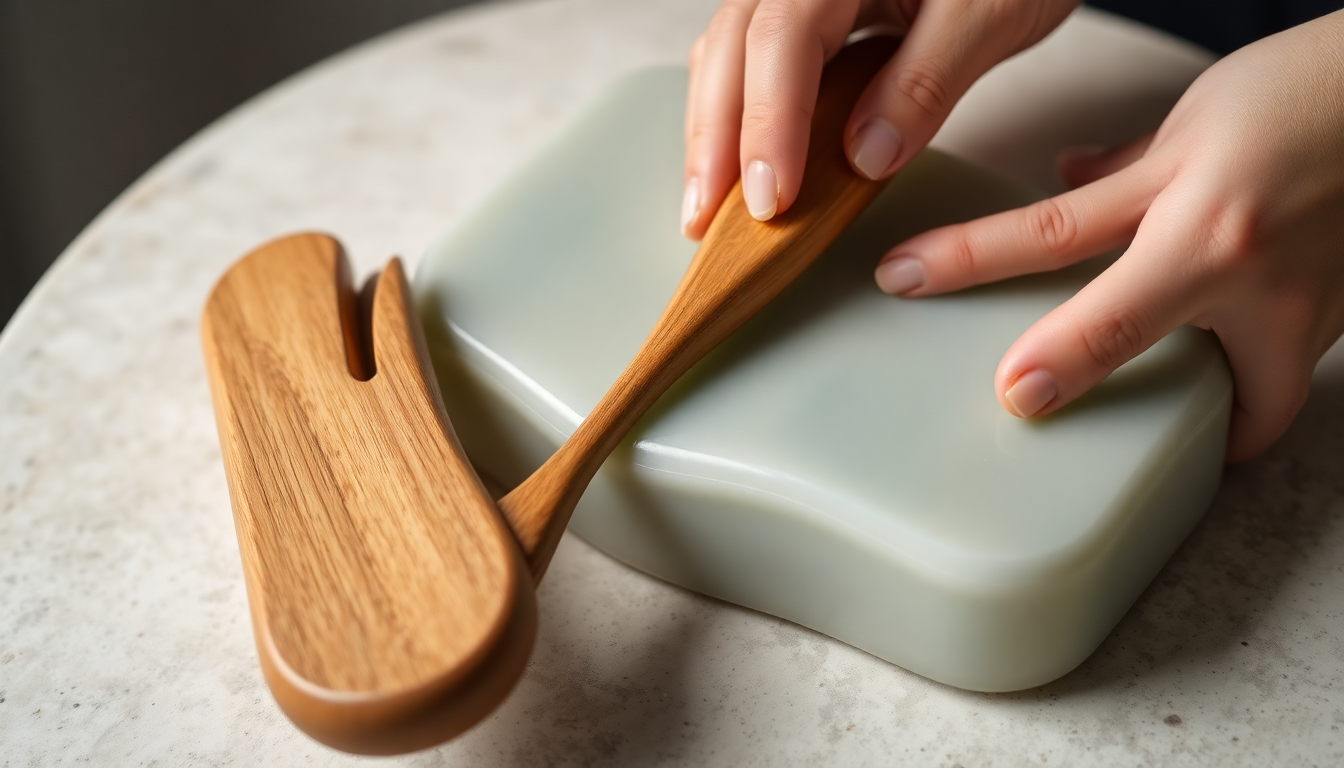
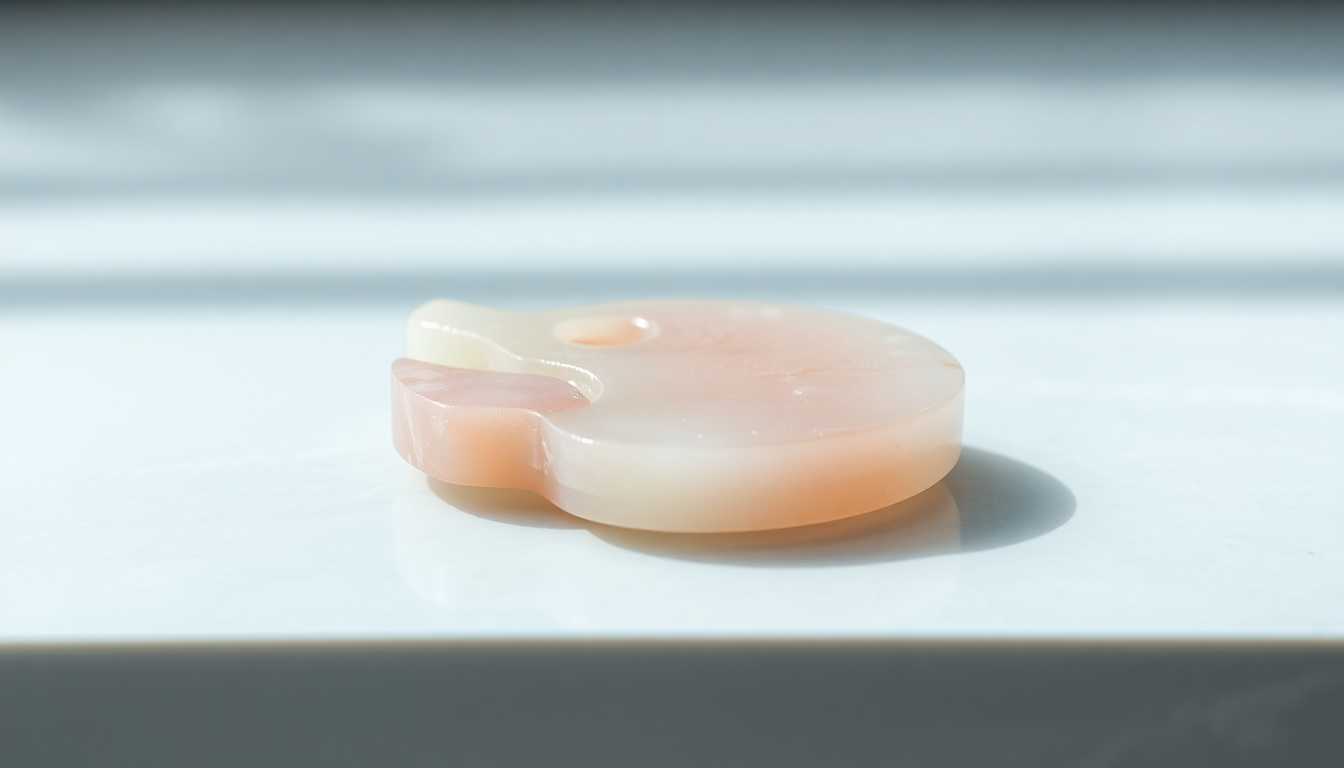
This technique involves gently scraping the skin with a smooth, flat tool usually made of jade, rose quartz, or metal. The gentle pressure stimulates blood flow, lymphatic drainage, and collagen production, leading to visible improvements in skin texture and overall health.
The Science Behind Gua Sha and Lymphatic Detox
Understanding the science helps appreciate the benefits of gua sha. The lymphatic system, a network of vessels and nodes, is responsible for removing toxins, waste products, and excess fluids from tissues. When lymph flow is stagnant, it can cause puffiness, inflammation, and dull skin. Gua sha techniques stimulate lymphatic pathways, encouraging drainage and reducing swelling, thus revealing a clearer, more vibrant complexion.

Benefits of Gua Sha for Your Skin
Incorporating gua sha into your skincare regimen offers a multitude of benefits, including:
- Enhanced lymphatic detox: Reduces puffiness and flushes out toxins for healthier skin.
- Improved skin elasticity and firmness: Stimulates collagen, combating signs of aging.
- Reduction of fine lines and wrinkles: Smoothing out expression lines for a youthful look.
- Natural radiance: Boosts circulation, giving your skin an internal glow.
- Relief from facial tension: Eases muscle tightness, reducing stress on facial muscles.
- Better absorption of skincare products: Prepares the skin for serums and moisturizers by increasing permeability.
Choosing the Right Gua Sha Tool in 2025
Selecting an optimal gua sha tool is crucial for effective results. Popular materials include:
- Jade: Known for its cooling properties and durability, jade is a favorite among beauty enthusiasts.
- Rose Quartz: Valued for its gentle energy and elegant appearance, ideal for sensitive skin.
- Metal Tools: Typically made of stainless steel or other metals, ideal for targeted pressure points and professional use.
When choosing your tool, prioritize quality, smoothness, and ergonomic design to ensure comfortable use.

Does Gua Sha Really Work? Evidence & Testimonials
Many skincare experts and users confirm that consistent gua sha practice yields visible results. Scientific studies indicate that facial gua sha enhances microcirculation and lymphatic flow, leading to improved skin tone and reduced puffiness. Testimonials often mention a more lifted, sculpted appearance, diminished fine lines, and a radiant glow within just a few weeks of regular application.
Of course, results depend on technique, consistency, and using the right tools. Incorporate gua sha into your daily or weekly routine, and observe how your skin transforms.
Expert Tips for Maximizing Gua Sha Benefits
To optimize your results, follow these expert recommendations:
- Prep your skin properly: Cleanse thoroughly and apply a facial oil or serum to facilitate smooth gliding.
- Select the right tool: Opt for high-quality jade or rose quartz tools compatible with your face contours.
- Apply gentle, consistent pressure: Avoid tugging or pulling, especially around delicate areas like the under-eye.
- Use specific massage pathways: Follow lymphatic drainage lines—from the center of the face outward and upward—using gentle strokes.
- Practice regularly: Dedicate 5-10 minutes, 3-4 times weekly for best results.
- Combine with skincare routines: Follow gua sha with a moisturizer or serum to lock in benefits.
Illustrating Gua Sha Techniques
Visual guidance can improve technique adherence. Many tutorials and images demonstrate proper strokes and pressure points, such as:

Visible Results & Long-term Benefits
Consistent practice results in a noticeable reduction in facial puffiness, smoother skin texture, and a more defined facial contour. Many users report a robust glow and an overall sense of relaxation and rejuvenation. Combining gua sha with a comprehensive skincare routine amplifies these benefits, making it a crucial step towards healthy skin.
How to Incorporate Gua Sha into Your Daily Routine
Here’s a simple routine to optimize your gua sha practice:
- Cleanse your face thoroughly.
- Apply a facial oil or serum to reduce friction.
- Use your gua sha tool to massage your face with gentle, upward strokes.
- Focus on areas prone to puffiness, such as the jawline, cheeks, and under eyes.
- Repeat each stroke 3-5 times and follow lymphatic pathways.
- Finish with your usual moisturizer or skincare products.
Shop the Best Gua Sha Products in 2025
Enhance your results by choosing high-quality tools from trusted brands like Lova Body. Their collection includes customizable jade and rose quartz gua sha tools, designed for effective facial lymphatic drainage and skin rejuvenation.
Visit Lova Body today to explore their premium products, and give your skincare routine a natural, invigorating upgrade.
Don’t wait! Invest in your skin health, and experience the transformative power of expert-approved gua sha techniques now. Your face will thank you with a radiant, youthful glow that lasts!

Laisser un commentaire
Ce site est protégé par hCaptcha, et la Politique de confidentialité et les Conditions de service de hCaptcha s’appliquent.