
The Gua Sha Design Playbook is a practical, science-forward guide to elevating your skincare routine. By combining thoughtful tool form, deliberate stroke variation, and strategic lymphatic drainage, you can nurture a radiant complexion that looks natural and healthy. This comprehensive post takes you step by step through design decisions, technique variations, and routine structure so you can tailor your practice to your unique skin needs.

Tool Form and Material: How Shape Guides Glide and Coverage
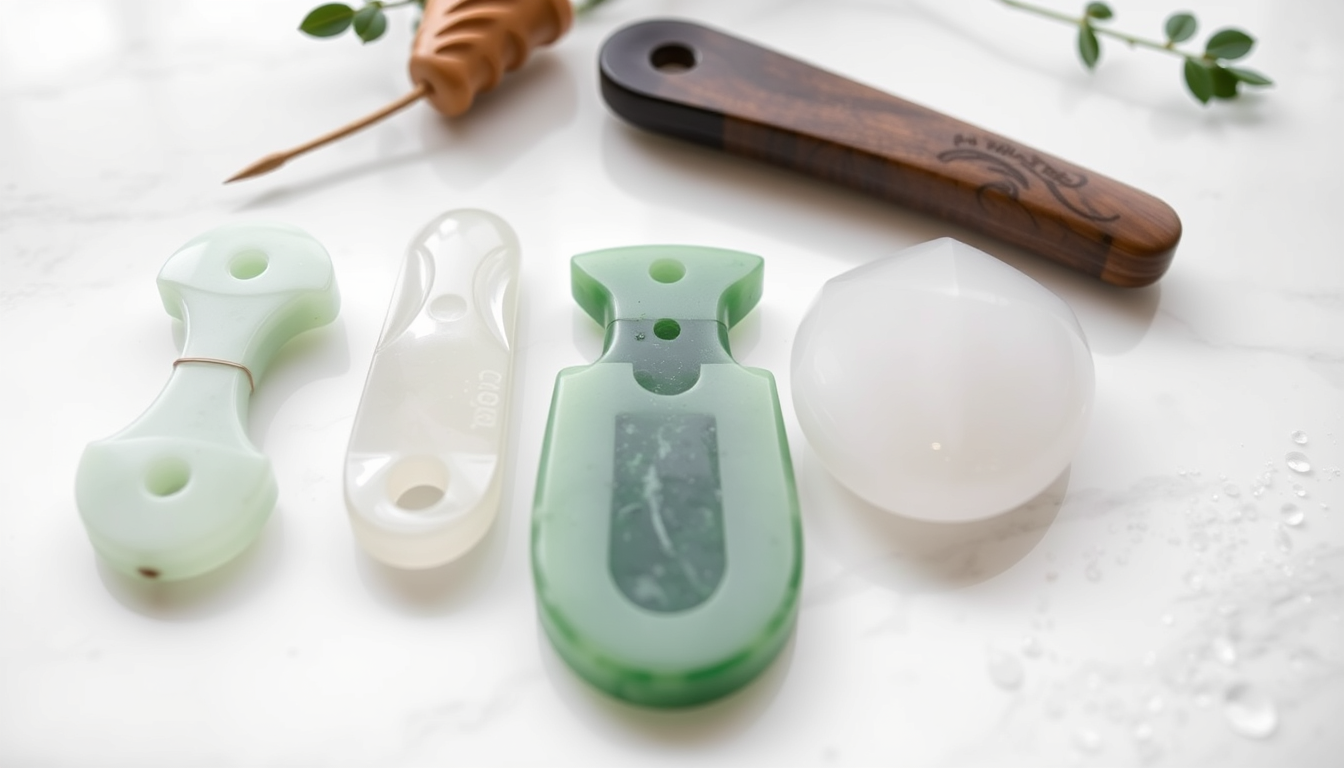
Design matters for glide, coverage, and comfort. The shape of a gua sha tool—its edge profile, curvature, and handle length—determines how smoothly it moves across the skin and how deeply it can reach the underlying tissues. Common materials include jade, rose quartz, and resin blends. Each brings a distinct feel to the massage:
- Jade: Traditionally cool, durable, and widely favored for sensitive or reactive skin.
- Rose quartz: Gentle and brightening look with a slightly different glide than jade.
- Resin blends: Moldable edges and finer detailing for precise contouring.
When choosing a tool, consider your routine, grip comfort, and how the edge interacts with your facial contours. For those prioritizing consistent glide and material feedback, explore a selection of gua sha tools that fit your needs. Lova Body offers jade and quartz options designed to cooperate with varied skin types and routines.

Stroke Variation: Techniques for Different Facial Zones
Technique matters as much as tool form. Use varied strokes to target different zones and to mobilize lymphatic drainage without overdoing pressure. The goal is a smooth glide with gradual feedback to the skin rather than a harsh drag.
- Cheekbones and mid-face: Upward, outward strokes from the center toward the temples to lift and smooth.
- Jawline and neck: Long, gentle sweeps along the jawline and down the neck toward the clavicle to encourage drainage.
- Forehead and brows: Horizontal or slightly upward motions from the center outward to flatten tension lines.
- Under-eye and delicate zones: Short, light passes with a smaller edge to protect thin skin.
For practical demonstrations, you can explore gua sha stroke variations that align with different facial zones.

Lymphatic Drainage and the Glow Factor
Lymphatic drainage is a core benefit of careful gua sha practice. By guiding fluids toward lymph nodes near the ears and along the neck, you can reduce puffiness, improve circulation, and support a brighter complexion over time. The key is consistency and controlled pressure.
- Daily or alternate-day sessions with light to moderate pressure help move lymph toward the nodes behind the ears and along the neck.
- Progressive results come from regular practice, not brute force; short sessions keep the skin’s barrier intact while delivering cumulative benefits.
- Prep and protection matter: cleanse gently and apply a light facial oil to reduce drag and improve glide.
To learn more about materials that optimize glide and lymphatic drainage, check gua sha tools for lymphatic drainage from Lova Body.
Putting It All Together: A Simple 5–7 Minute Routine
- Warm your tool in your hands to acclimate to skin temperature.
- Apply a light facial oil or serum to minimize drag and protect the skin barrier.
- Address 4–5 zones: cheeks, jawline, forehead, periorbital area, and neck with guided, gentle strokes.
- Finish with a lymphatic sweep from the center of the face outward toward the ears and down the neck.
Prefer structured guidance? Our guide on gua sha routines maps out morning, evening, and travel-friendly sequences so you can stay consistent even on busy days.

Choosing Your Tool: Jade vs Quartz vs Other Materials
Material influences cooling sensation, glide, and edge durability. Here’s a practical comparison to help you select based on your skin goals:
- Jade: Classic, cooling, and gentle; ideal for sensitive or reactive skin.
- Quartz: Typically more vibrant in color; provides a slightly different glide and can accentuate brightness.
- Resin blends: Customizable edges and often more affordable; good for beginners exploring texture.
When shopping, think about your routine, grip comfort, and how the tool’s edge aligns with your facial contours. A well-made tool from Lova Body can offer a reliable glide and consistent results over time.
Safety, Care, and Maintenance
Proper care extends the life of your gua sha tool and protects your skin. Follow these essentials:
- Cleanse the tool after each use with mild soap and warm water; dry thoroughly to prevent moisture buildup.
- Avoid using the tool on broken or irritated skin; if you have active skin conditions, consult a dermatologist before use.
- Store in a clean, dry place; consider a padded case to protect edges from chipping.
- Sanitize occasionally with a gentle, non-alcohol-based cleanser if needed between uses.
For reliable tool options that emphasize design and material quality, explore gua sha tools offered by Lova Body.
Skin Type Customization and Routine Adaptations
Your skin type can guide how you structure your routine and stroke pressure. Here are practical adaptations for common skin profiles:
- Sensitive or reactive skin: Use lighter pressure, avoid dragging across the same area repeatedly, and focus on short, gentle passes with jade for a calming effect.
- Oily or congested skin: Focus on zones prone to congestion, incorporate slightly firmer pressure, and finish with a gentle lymphatic sweep to reduce midday puffiness.
- Dry or mature skin: Prioritize hydration with a hydrating serum under oil and use slower, longer strokes to maximize absorption and improve complexion texture.
Each routine should be paired with appropriate products and support from quality tools. See gua sha routines for guidance on adapting strokes to your skin’s state and needs.
Myths, FAQs, and Common Questions
Here are answers to frequently asked questions that can clear up misconceptions and set realistic expectations:
- Does gua sha actually reduce puffiness? Yes, when combined with lymphatic drainage and proper glide, it helps move fluid away from congested areas over time.
- Can gua sha replace skincare products? No, it complements them. Use it with a suitable serum or oil to improve glide and avoid friction.
- How often should I practice? Most people start with 3–4 sessions per week and adjust to daily practice if their skin tolerates it well.
- Is it safe for all skin types? When performed with light pressure and proper technique, gua sha can be suitable for many skin types; those with broken skin or active dermatitis should defer until healed.
For more routine ideas and visuals, explore gua sha stroke variations and gua sha routines.
Illustrations and Visual Guides
To help you visualize strokes and tool handling, the article includes illustrative diagrams and examples of technique segments. Illustrations are designed to show edge contact, glide direction, and timing for drainage in a single pass.


Shop the Tools and Backlinks: Partner Spotlight
Explore a curated selection of gua sha tools designed for the Gua Sha Design Playbook. You’ll find options tailored for all skin types and comfort levels at Lova Body, where quality materials and thoughtful design meet performance.
Throughout this guide you’ll see illustrations and product visuals that help you translate technique into practice. If you’re shopping for tools and accessories, consider gua sha tools from Lova Body to support your routine with reliable glide and durable edges.
Illustrations and product visuals accompany this guide to help you visualize strokes, tool shapes, and routine flow. 

To purchase LovA Body products, visit lova-body.com. For French readers: Acheter les produits LovA Body sur lova-body.com. This section reinforces the availability of tools that align with the Playbook’s principles.
Conclusion: Making the Playbook Your Personal Ritual
With attention to tool design, deliberate stroke variation, and a regimen that supports efficient lymphatic drainage, you can cultivate a naturally radiant complexion. Treat gua sha as a daily ritual, not a one-off treatment, and you’ll likely see progressive improvements in skin tone, texture, and clarity. Pair the technique with high-quality products and a consistent schedule, and your routine becomes a reliable pathway to healthier-looking skin.
Keyword-rich notes: for best SEO impact, this post emphasizes terms like gua sha tool, jade gua sha, gua sha routine, and lymphatic drainage, with internal links to related pages such as gua sha tools and Lova Body.

Laisser un commentaire
Ce site est protégé par hCaptcha, et la Politique de confidentialité et les Conditions de service de hCaptcha s’appliquent.