
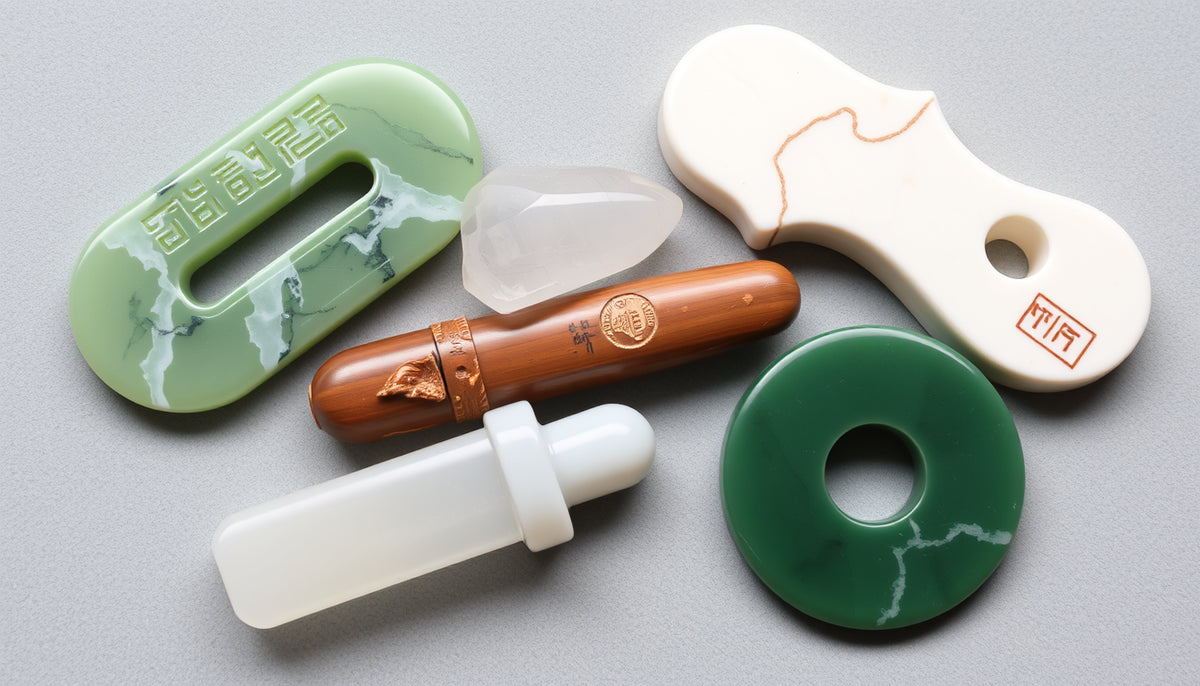
Gua Sha has become a staple in modern skincare routines for facial lymphatic drainage and a visibly radiant complexion. This comprehensive guide delves into edge geometry and cadence—two practical factors that influence comfort, safety, and results—through a rigorous, evidence-informed lens. We compare Jade, Quartz, and Ceramic tools, unpack how material properties affect glide, and provide an evidence-backed approach you can apply to your own routine. While robust randomized trials in gua sha are sparse, a growing body of practitioner reports, small studies, and mechanistic reasoning supports consistent use with proper technique.
Why edge geometry and cadence matter for facial lymphatic drainage
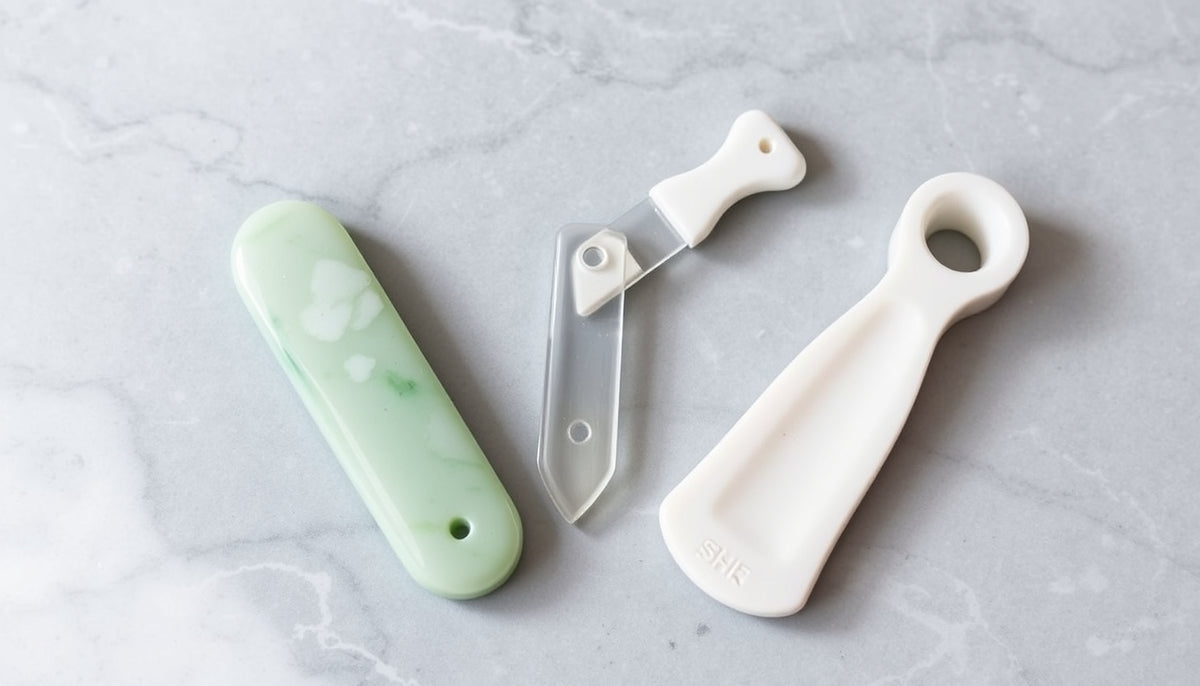
Edge geometry describes the tool’s finishing: radius, bevel, curvature, and edge type. Cadence refers to rhythm, pressure, and the number of strokes per area. Together, these elements determine drag, micro-irritation risk, and how effectively the tool can encourage lymphatic flow along natural facial contours. The right combination optimizes comfort and results.
- Rounded, smooth edges minimize drag and are kinder to sensitive skin areas (forehead, under-eye, eyelids).
- Chisel or flattened edges are well-suited for contouring the jawline, cheekbone, and retromandibular area where muscle tension can obstruct drainage.
- Spoon or cupped edges help cradle the contours of the cheek, nasolabial folds, and neck, promoting gentle channeling of lymph toward the subclavian region.
- Edge radius and bevel angle influence friction; smaller radii glide easier but can feel biting if not finished well.
Cadence cues: how to glide for safety and effectiveness
Cadence is the rhythm you set as you move the tool. The goal is continuous skin contact with gentle pressure that facilitates lymphatic drainage without causing redness or micro-tears. Here’s a practical cadence framework:
- Begin with a light facial oil or serum to reduce drag and support smooth movement.
- Work from the center of the face outward toward the ears, then sweep from the lower face toward the temples. Include neck strokes toward the collarbone.
- Apply light to moderate pressure—enough to feel a comfortable glide, not a skidding or dragging sensation.
- Target 2–3 seconds per stroke with 5–8 passes per region for a balanced session.
- Limit sessions to 10–20 minutes per day to avoid overstimulation, and listen to your skin’s response.
- Finish with a gentle, downward neck stroke toward the collarbone to encourage drainage away from the face.
Material deep dive: Jade, Quartz, and Ceramic
Material choice affects glide, temperature sensation, maintenance, and perceived luxury. Below, we break down practical implications for each material, with safety considerations and maintenance tips.
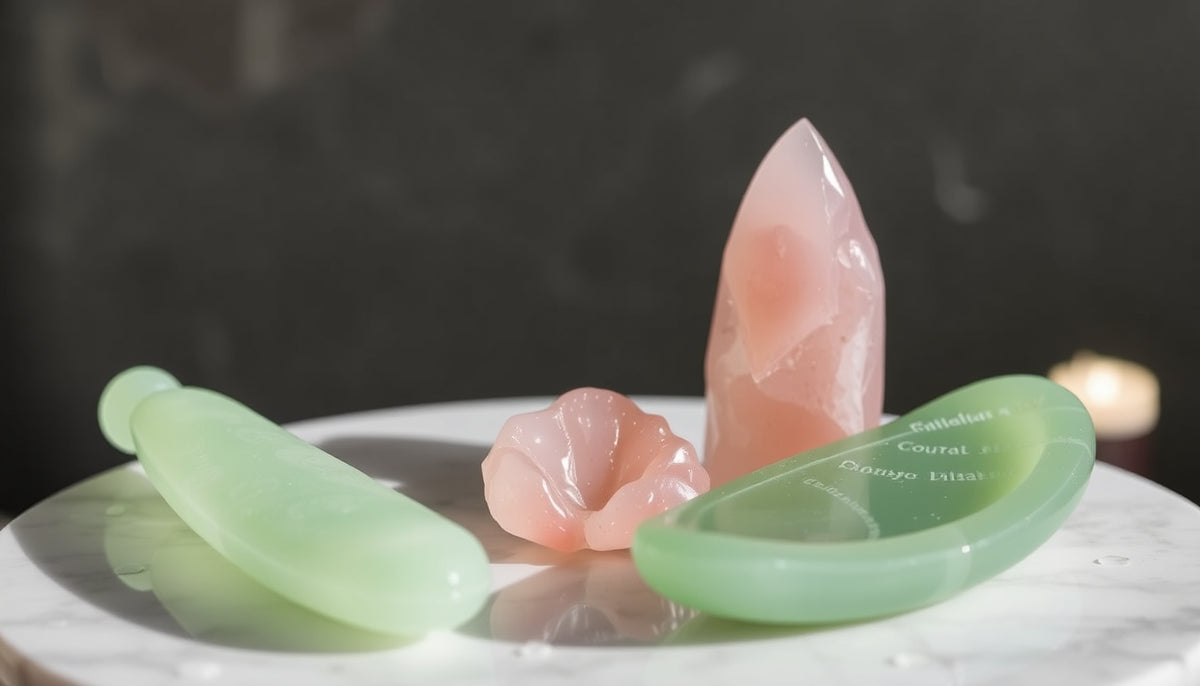
Jade
Jade remains the archetypal gua sha material, valued for its cool touch, density, and traditional associations with balance and wellness. Jade tends to stay cool during use, which can enhance a soothing experience and may promote vasoconstriction that reduces redness after treatment.
- Pros: smooth, forgiving glide; durable with proper care; aesthetically timeless; stable temperature during use.
- Cons: quality varies by source; heavier pieces can be less maneuverable for beginners; some pieces require meticulous cleaning to prevent oil staining.

Quartz
Quartz tools appeal for their crystal-clear look, lighter weight, and hygiene-friendly surfaces. The edge finish is highly dependent on manufacturing quality; a well-polished quartz can deliver a remarkably smooth glide.
- Pros: non-porous surface easy to sanitize, visually striking, often more affordable, variety of shapes and sizes.
- Cons: variation in edge smoothness; mishandled or low-quality finishes may cause micro-irritations; care needed to avoid chipping.

Ceramic
Ceramic gua sha tools emphasize a uniform glaze finish that is easy to sanitize. The finish tends to be very smooth and can feel exceptionally steady on the skin, making ceramic a reliable option for beginners and busy routines.
- Pros: consistent finish, straightforward cleaning, budget-friendly, compatible with hot or cold therapy.
- Cons: potential brittleness if dropped; weight and balance vary by design; less heat retention than natural stones.

Safety, maintenance, and best practices
To maximize benefits while minimizing risk, follow these guidelines:
- Avoid damaged skin, active open lesions, abscesses, or inflammatory skin conditions during a session.
- Never press with forceful, sharp edges or on bony prominences for extended periods; opt for lighter strokes and let the tool glide.
- Sanitize after use with mild soap and warm water; pat dry completely to prevent mineral buildup and staining.
- Store in a clean, dry place; consider a protective pouch or case to prevent scratches and chipping.
- Inspect frequently for micro-fractures, rough edges, or dull surfaces and replace if needed.
Choosing the right tool for your routine
When selecting a gua sha tool, consider edge geometry, weight, finish, maintenance needs, and how it fits your lifestyle. Here are quick decision-making tips:
- Edge shape: rounded or spoon edges for delicate areas; angled or chisel edges for contouring; curved edges for neck and jawline cabling.
- Feel and temperature: Jade offers a traditional, cooling glide; Quartz delivers a crisp, bright aesthetic; Ceramic emphasizes hygiene and consistent finishes.
- Maintenance burden: Quartz and Ceramic tend to be easier to sanitize; Jade requires mindful cleaning to avoid staining from oils.
Practical routines: how to structure your sessions
Below are sample routines designed for different schedules and skin goals. Adapt cadence and duration based on your skin’s response and comfort level.
- Beginner 2-week plan: 5–10 minutes, 3–4 sessions per week; focus on gentle glides with rounded edges, center-outward directions, and neck drainage.
- Maintenance routine: 10–15 minutes, daily or every other day; include jawline contouring and temple work to support drainage and tension release.
- Targeted glow boost: 15–20 minutes, 4–5 sessions per week; integrate cooling or warming techniques (see safety notes) to amplify lymphatic flow.
Seasonal considerations and skin readiness
Seasonal changes can affect skin sensitivity and product interaction. In dry or windy months, prep with richer serums or oils; in humid months, lighter formulas may suffice. Temperature plays a role: cool tools can soothe and reduce inflammation, while room-temperature tools offer a balanced glide for most skin tones.
Myth-busting: common misconceptions about gua sha
- Myth: Gua sha permanently reshapes the face. Truth: It supports transient lymphatic drainage and circulation, contributing to a more lifted appearance due to decreased puffiness; it does not alter bone structure.
- Myth: More pressure equals better results. Truth: Excess pressure increases risk of erythema and micro-irritation; consistent, gentle strokes typically yield better tolerability and outcomes.
- Myth: Any stone works the same. Truth: Edge quality, glaze finish, and shaping influence glide and safety; material alone does not guarantee comfort or effectiveness.
Illustrations and practical demonstrations


Safety reminders and clinician guidance
While gua sha can be a beneficial addition to a skincare routine, it is essential to tailor technique to your needs. If you have active skin conditions (eczema, rosacea flare-ups, eczema lesions), autoimmune concerns, recent cosmetic procedures, or are pregnant, consult a clinician before incorporating gua sha into your routine. When in doubt, start slowly and track your skin’s response over several weeks.
Evidence-based considerations and what to watch for
The current body of evidence supporting gua sha primarily comes from practitioner experience, smaller studies, and mechanistic reasoning about lymphatic flow and microcirculation. While large randomized trials are lacking, many users report reduced puffiness, improved texture, and a calmer complexion with consistent, gentle use. It is reasonable to expect incremental, cumulative benefits rather than dramatic, immediate changes.
Choosing the right fit: a quick decision guide
- If you want classic aesthetics and a familiar cooling sensation: Jade.
- If you prioritize cleanliness, ease of sanitization, and a crisp look: Quartz.
- If you seek a balanced, budget-friendly option with easy maintenance: Ceramic.
- For sensitive skin or first-time users, start with rounded-edge Jade or Ceramic and gradually explore other finishes as you gain confidence.
Illustrations of technique: a quick visual checklist

Shop the tools and sponsor links
Ready to explore premium options and trusted gua sha sets? Visit Lova Body to discover curated jade, quartz, and ceramic tools designed for effective facial lymphatic drainage. Explore curated selections that align with edge geometry and cadence preferences:
Pro tip: for the best ongoing experience, pair your tool with high-quality facial oils or serums that suit your skin type. The right combination supports a smooth glide, reduces drag, and helps the lymphatic drainage process across the face.
Conclusion: turning evidence into practice
Edge geometry and cadence are practical levers you can adjust to maximize safety, comfort, and perceived results when using gua sha tools. Jade, Quartz, and Ceramic each offer distinct advantages, and the best choice depends on your skin type, budget, and maintenance preferences. With careful technique, a measured cadence, and consistent practice, gua sha can support facial lymphatic drainage, improve microcirculation, and contribute to a radiant complexion.
Final note and call to action
Interested in elevating your routine with reputable gua sha tools? Explore vetted options at LovA Body and consider trying a jade, quartz, or ceramic set that aligns with your preferred edge geometry and cadence. For direct product recommendations and customer support, visit Lova Body today and embrace a thoughtful, evidence-informed approach to facial care.

Lasă un comentariu
Acest site este protejat de hCaptcha și hCaptcha. Se aplică Politica de confidențialitate și Condițiile de furnizare a serviciului.