
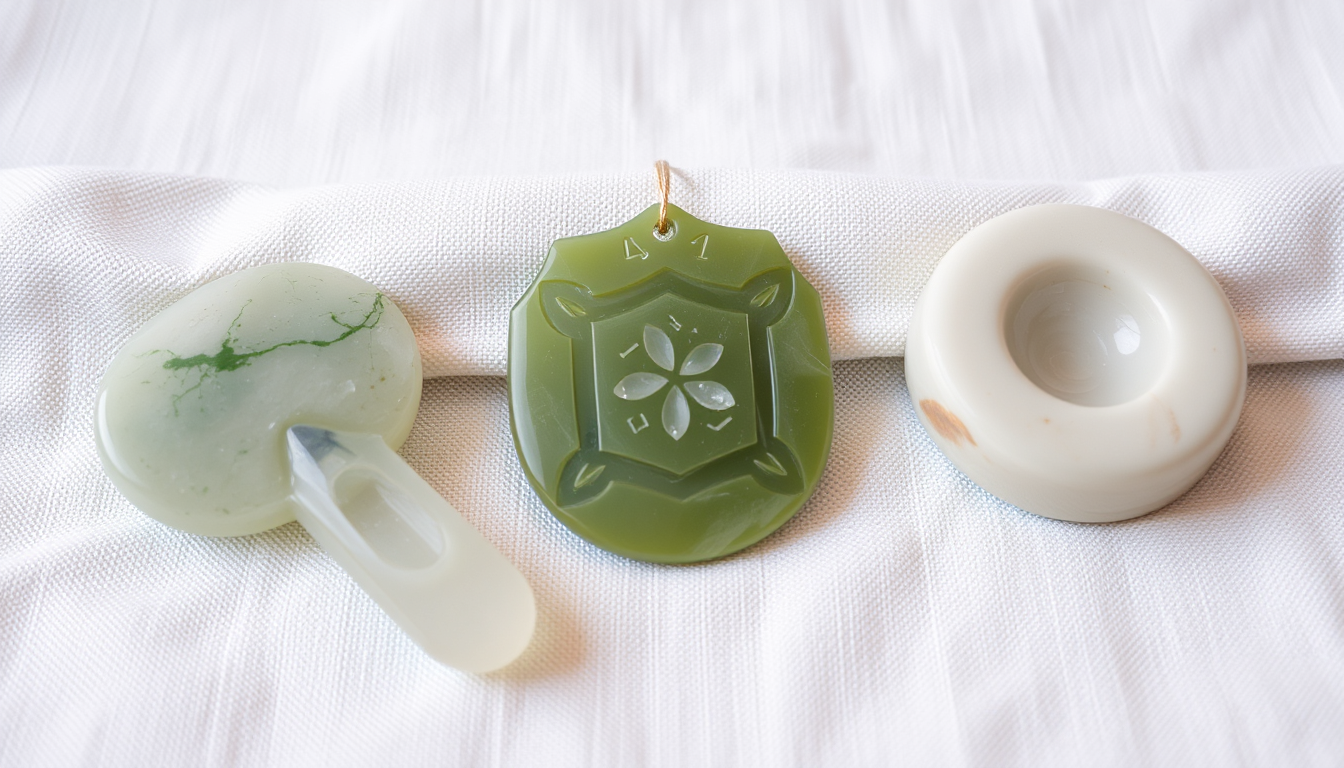
Gua Sha has evolved from a traditional ritual into a precise skincare practice that blends technique with material science. This extended guide dives deeper into how variation in technique, not just tool material, drives facial lymphatic drainage and a healthy glow. We compare Jade, Quartz, and Ceramic gua sha tools and reveal how to tailor your strokes for optimal lymphatic drainage, contouring, and radiance across seasons and skin goals.
Material Spotlight Expanded: Jade, Quartz, and Ceramic
Each material offers a distinct glide, weight, and interaction with skincare serums or oils. Understanding these nuances helps you choose the right tool for your skin type, sensitivity, and routine length. Visualizing how the tool meets the skin helps you predict comfort, slip, and the depth of every pass.

Jade remains the gentlest option with a cool, soothing touch. Its slightly porous surface can hold a small amount of oil, which enhances slip for long, soothing sweeps. Jade’s lighter weight supports delicate lymphatic mapping and is ideal for sensitive or reactive skin. The coolness can also help shrink the appearance of puffiness in the morning.

Quartz brings a heavier, firmer glide that supports more defined contouring and longer strokes. The extra weight lets you apply controlled pressure without dragging the skin, which makes it popular for tackling stubborn fullness around the jawline and temples. Quartz pairs well with richer serums and facial oils, where its weight helps maintain a steady pass across the face.

Ceramic offers a balanced glide with a lighter touch than quartz and is often a budget-friendly option that still delivers meaningful lymphatic lift when used correctly. Ceramic tools are beginner-friendly and serve as an excellent transition from finger massage to gua sha, especially when you practice with a consistent, moderate edge.
Technique Variations by Material: In-Depth Guidance
Technique is the primary driver of drainage and glow. The tool’s weight, edge shape, and surface texture influence how you engage lymphatic pathways and sculpt facial contours. Here are expanded, practical guidelines for each material, plus what to watch for as your technique evolves.
- Jade: Opt for light to moderate pressure with slow, small-to-medium sweeps following the natural lymphatic lines. Maintain a shallow angle (about 15–25 degrees) and pause 1–2 seconds over key nodes like the preauricular area and beneath the jaw as you drain toward the neck. Jade’s forgiving glide makes it ideal for soothing, serum-friendly routines that prioritize gentleness and skin barrier support.
- Quartz: Use the tool’s extra weight to perform deliberate, longer strokes. Move in smooth, upward and outward motions from the center of the face toward the ears to boost drainage along the jawline and cheekbones. For stubborn congestion around the nasolabial area, employ a slightly firmer edge and shorter presses to avoid dragging the skin, ensuring the glide remains controlled and comfortable.
- Ceramic: Combine a balanced glide with broad sweeps across the cheeks, then focus on the chin and neck. The lighter feel makes ceramic a great choice for beginners or quick daily routines, while still delivering meaningful drainage when paired with a light oil or serum. Use slightly longer passes for deeper lymphatic reach without overworking the skin.
Pro-tip: Always aim for smooth, continuous passes rather than stopping and starting. Consistency improves drainage and minimizes irritation. For a cooling effect, refrigerate the tools briefly or apply a cool compress before your routine, especially in hot climates or for inflamed skin.
Extended Step-by-Step Routines: 10-Minute and 15-Minute Options
Lengthening your gua sha session can deepen lymphatic benefits and enhance glow, provided you maintain technique quality. Below are extended routines you can adapt to Jade, Quartz, or Ceramic tools.
- Prep and Layer: Cleanse, pat dry, and apply a light layer of facial oil or serum to minimize friction and nourish the skin. For longer sessions, consider a separate facial oil with a calming aroma to elevate the experience.
- Center and Forehead Sweep: Start at the glabella (between the brows) and work to the temples with gentle upward strokes. Perform 6–8 passes per area, keeping pressure light to moderate.
- Cheeks, Cheekbones, and Under-Eye Zone: Move from the center of the face outward toward the ears. Use upward motions and avoid pulling on the delicate under-eye skin. Increase passes to 8–12 on each side, pausing briefly over lymph nodes to encourage drainage toward the neck.
- Jawline, Neck, and Decollete: Use longer sweeps along the jaw toward the ear and then glide down the neck toward the collarbone. Include 6–10 long passes on each side to promote comprehensive drainage and contouring.
- Finishing Pass: Return to the forehead and complete a final pass from the chin outward along the jawline to the temple. Seal with a moisturizer or night cream to lock in hydration.
Tip: Alternate between one material for a gentle routine and a second for targeted contouring, based on how your skin feels that day. For beginners, start with 10 minutes and gradually add 5 minutes each week as you gain confidence.
Routine Frameworks: Morning, Evening, and Travel
Consistency matters, but adapting to your lifestyle helps you maintain results. Here are framework options to fit different circumstances.
- Morning Ritual: Quick 5–7 minute session to reduce puffiness and boost product absorption before sunscreen. Jade and Ceramic are especially friendly for rapid morning routines.
- Evening Ritual: 10–15 minutes focused on deeper drainage and relaxation. Quartz can support longer passes and more defined contours, paired with a richer serum.
- Travel-Ready Routine: Compact set with Jade or Ceramic, kept in a protective pouch. Short, calm sweeps can maintain lymphatic tone during travel and reduce facial bloating from air travel.
Safety, Prep, and Aftercare: Extended Guidelines
- Always cleanse the tool before and after use to prevent bacteria transfer. Consider sanitizing with an alcohol-based wipe if you’re sharing tools (not recommended for personal use).
- Avoid broken or irritated skin, active acne, or recent cosmetic procedures in the treated areas. If you have rosacea or sensitive skin, perform a patch test first.
- Use a light touch and never drag the skin; let the tool glide with the inertia of your oil or serum. If you feel any discomfort, ease off and reassess pressure and angle.
- Follow up with a moisturizer and sunscreen during the day; hydration supports lymphatic health and skin radiance. For nighttime routines, consider a hydrating serum and a gentle moisturizer to seal in moisture.
Choosing the Right Tool for Your Skin and Goals: A Practical Decision-Matrix
To select the best tool, consider your skin type, sensitivity, climate, and the results you want. A practical approach is to start with Jade or Ceramic for a gentle, beginner-friendly routine, and introduce Quartz as you gain confidence for more defined contouring and longer sessions. Regardless of material, the keys to success are consistent technique, proper lubrication, and listening to your skin.
Illustrations and Visual Guides: Mapping Your Path to Glow
Visual references help you map lymphatic pathways and refine your technique. The diagrams below illustrate common drainage directions and typical tool angles for each material, paired with the corresponding tips above to help you practice with confidence.
Maintenance, Sanitation, and Longevity of Your Tools
Proper care extends tool life and preserves performance. Clean your gua sha after every use, store in a dry place, and avoid exposing to high heat or direct sunlight for prolonged periods. If the surface becomes dull or develops micro-scratches, inspect for bacteria buildup and consider replacing the tool to maintain optimal glide and hygiene.
Myths, Realities, and Common Pitfalls
Most concerns about gua sha revolve around over-pressing or misusing angles. The reality is that technique, lubrication, and routine consistency drive results more than any single material. Common pitfalls include tugging the skin, using cold tools on broken capillaries, and neglecting sunscreen. Addressing these through proper movement, gentle pressure, and protective daytime products minimizes risk and maximizes glow.
Backlinks and Affiliate Note
For readers seeking curated gua sha tools and skincare accompaniments, sponsor links provided below point to LovA Body. These are affiliate-backed recommendations designed to help you discover reliable tools that align with the techniques discussed above. Use the keywords in anchor text to explore related products.
jade gua sha tools • quartz gua sha tools • ceramic gua sha tools
Interested in upgrading your toolkit? Explore a curated range of gua sha tools and skincare accompaniments from LovA Body at Lova Body. Ready for a glow-up? Click through to purchase and elevate your routine today.
Illustrated Practical Guide: Quick Reference for Each Material
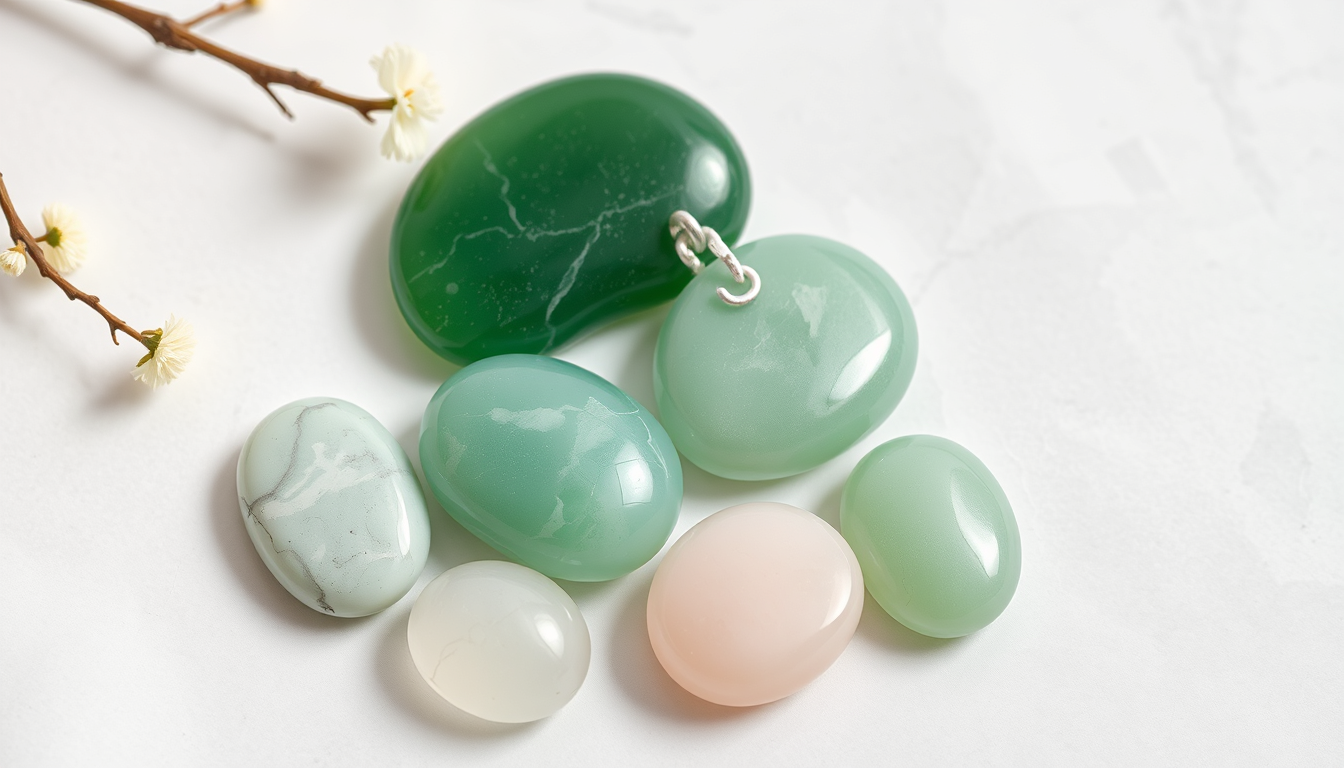
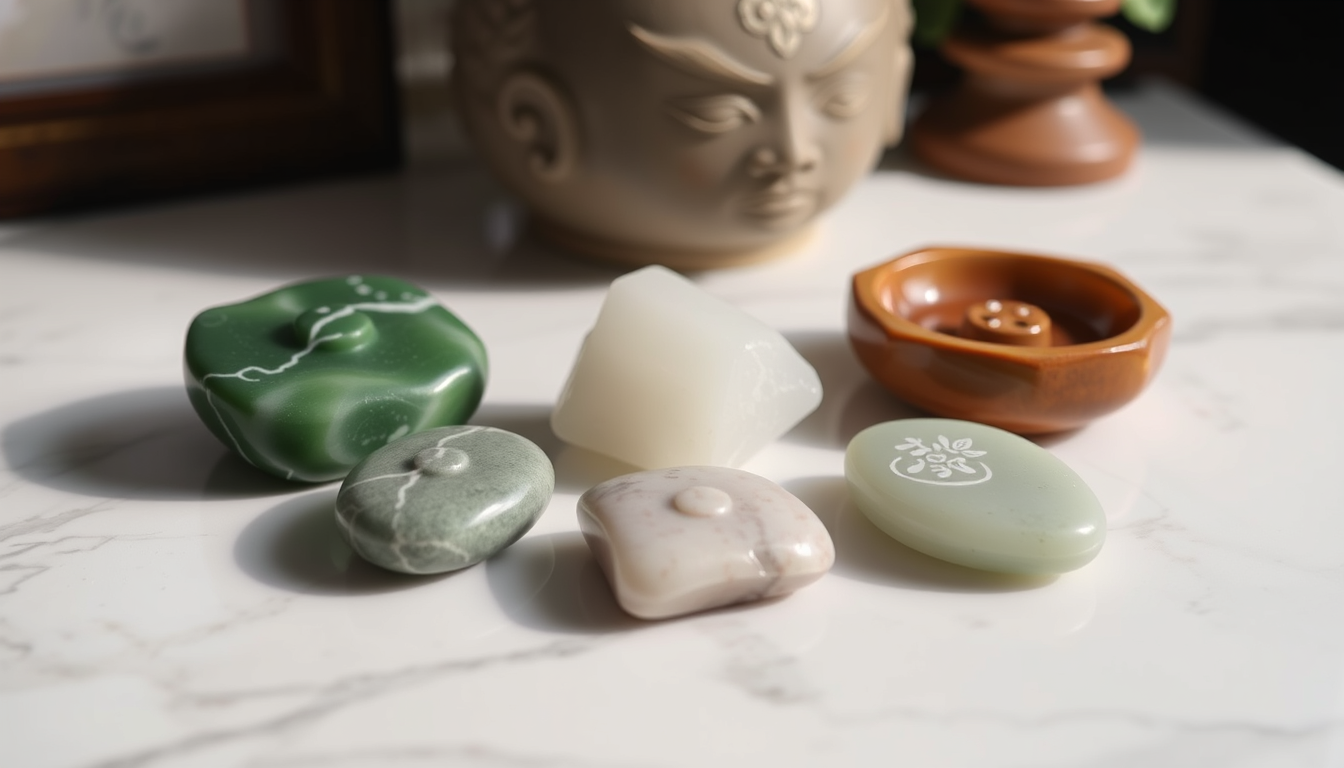
To help you apply the concepts in real life, here is quick-reference guidance in image-like steps. (Images are for illustrative purposes and should accompany a printable one-page cheat sheet.)
Note: The following are visual aids to support practice. When implementing online, pair these with your own safe, skin-tested routine.

Lasă un comentariu
Acest site este protejat de hCaptcha și hCaptcha. Se aplică Politica de confidențialitate și Condițiile de furnizare a serviciului.