
Overview
Gua Sha has surged in popularity as a non-invasive facial technique that blends traditional practice with modern data-driven insights. This expanded guide takes a rigorous yet practical look at how tool geometry, hand techniques, and lymphatic outcomes interact to influence skin radiance, texture, and overall facial harmony. While individual results vary, the goal is to provide actionable guidance for selecting tools, refining technique, and setting realistic expectations for radiant facial skin in 2026 and beyond.
Illustrative visuals accompany the discussion to translate concepts into practice. For shopping guidance and sample configurations, see the concluding sections with sponsor-backed references to Lov a Body tools.

What is Gua Sha?
Gua Sha is a traditional practice where a smooth-edged tool is drawn across the skin to stimulate microcirculation and lymphatic flow. Contemporary practice emphasizes gentle, repeated strokes along facial lymphatic pathways to encourage drainage, reduce puffiness, and support a more even texture. When performed with mindful technique, it can contribute to a perceived glow, smoother skin texture, and a sense of facial refinement.
Illustration: 
Tool Geometry: How Shape Impacts Outcomes
Tool geometry matters because edge shape, width, curvature, and weight distribution affect contact area, pressure transmission, and contouring capacity. Here is a detailed comparison of geometries commonly found on market tools:
- Flat-edged tools: broad contact areas ideal for large surfaces like the cheeks and jawline, enabling efficient smoothing strokes.
- Curved or crescent edges: smoother transitions around contoured regions such as the cheekbone and temple, with gentler pressure per unit area.
- Pointed tips: focused engagement for tension along the brow line or jaw knots, used with careful control to avoid over-pressure.
- Multi-edge and beveled designs: offer versatility across zones, allowing quick switching between strokes without swapping tools.
- Handle length and weight: longer handles and balanced weight improve reach and reduce hand fatigue during longer sessions.
Illustration: 
Hand Techniques: Grip, Pressure, and Strokes
Technique translates geometry into results. Adopt a calm, deliberate approach with a relaxed wrist and anchored forearm. Practical framework:
- Grip and alignment: hold the tool like a pen, maintain a neutral wrist, and align strokes with natural facial lymphatic pathways for optimal drainage.
- Pressure scale: operate on a light-to-moderate range (0–3), where 0 is barely touching skin and 3 engages comfortable tissue without causing bruising.
- Strokes: start at the center of the face and sweep outward along the jawline, cheeks, forehead, and neck. Favor long, continuous motions with mindful breath to maintain steadiness.
Video demonstrations reinforce these principles. The following visuals illustrate ideal grip and stroke patterns across common facial zones.

Safety, Contraindications, and Skin Health
While gua sha is generally safe for healthy skin, safety-minded practice reduces the risk of irritation or bruising. Important notes:
- Avoid use on broken skin, active acne with open lesions, or sensitive skin when inflamed.
- Discontinue if you notice persistent redness, swelling, or discomfort beyond typical temporary warmth.
- People with bleeding disorders, on anticoagulants, or with certain cosmetic procedures should consult a clinician before regular gua sha use.
- Always use a clean tool, gentle pressure, and avoid over-stroking any single area. Hydration and a soothing post-session routine help support skin recovery.
Illustration: 
Lymphatic Outcomes and Radiant Skin
Observed lymphatic responses and perceived radiance vary with technique, tool geometry, and consistency. Common patterns reported by practitioners and users include:
- Improved drainage along the jawline and under-eye region when strokes follow facial lymphatic pathways.
- Transient redness or warmth that often precedes a perceived glow as microcirculation increases.
- Better outcomes with regular sessions (e.g., 3–5 minutes per area, several days per week) compared with sporadic use.
Illustration: 
Data-Driven Insights: What the Numbers Say
While individual results vary, aggregated observations from users and practitioners highlight key patterns related to geometry and technique. To guide readers, here are distilled insights with caveats about sample size and user variability:
- Broad-contact tools accelerate smoothing of surface texture on larger zones such as the cheeks and forehead.
- Moderate pressure that respects skin and underlying structures correlates with higher adherence and fewer adverse effects.
- Consistency over weeks amplifies benefits; many report more balanced lymphatic drainage patterns and improved perceived radiance after roughly four weeks of regular practice.
For a data-informed shopping path, explore sponsor-backed options such as the Lova Body jade gua sha and other tools described on their site.
Choosing Your Gua Sha Tool: A Practical Guide
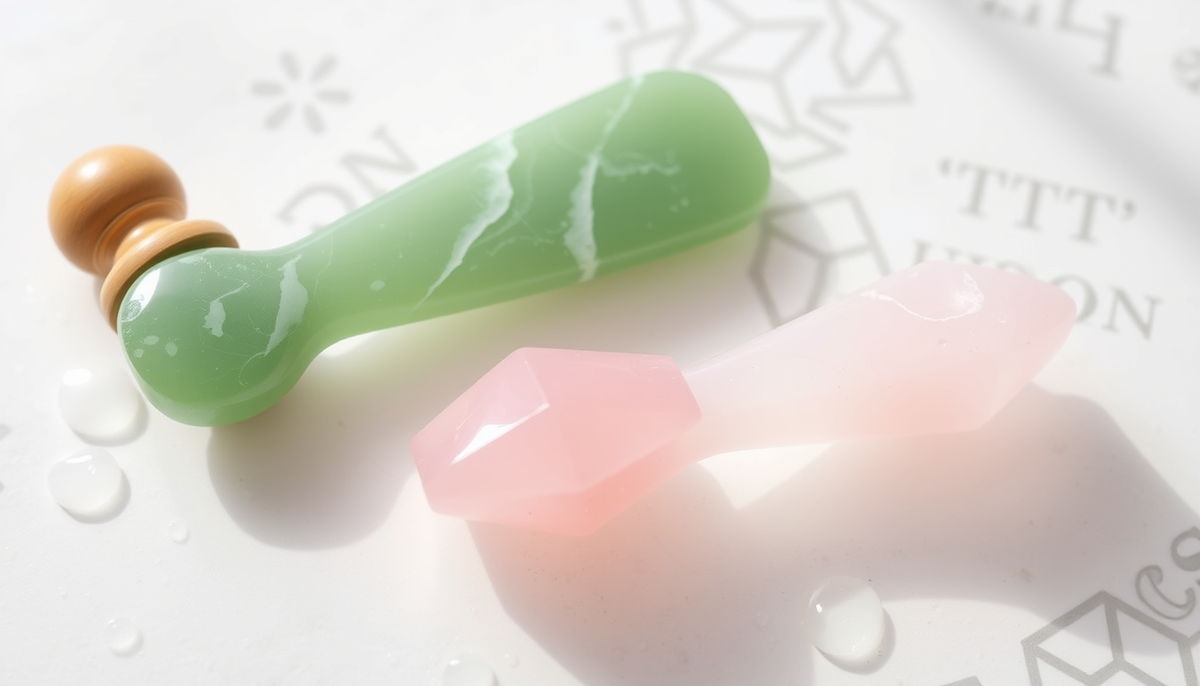
- Material: jade, quartz, or other smooth stones—consider durability, edge smoothness, and skin compatibility.
- Edge geometry: start with a broad, flat edge for general use; explore curved or multi-edge designs for contouring.
- Size and weight: lighter tools reduce fatigue; longer handles improve reach for the forehead and neck.
- Maintenance: clean after use and avoid abrasive cleaners that can dull edges.
Hands-on experimentation guided by these principles helps you identify the geometry and tool weight that best suit your face shape and routine.
Gua Sha for Different Face Shapes
Face shape influences how you approach tool choice and stroke paths. General guidance:
- Oval: broad edges on cheeks and jawline for efficient contouring; curved edges on temples to ease tension.
- Round/Heart: focus on mid-face zones and under-eye areas with gentle, long strokes; consider lighter weight for delicate zones.
- Square/Strong jawlines: gradually work along the jawline with wider edges to achieve smoother transitions without over-emphasizing contouring.
- Triangular/Angular: place emphasis on the cheek hollows and mid-forehead; curved edges optimize contour without harsh angles.
Remember, individual comfort and skin response trump rigid rules. Use this as a starting framework and tailor to your unique anatomy.
Step-by-Step 4-Week Routine
Consistency matters. Here is a progressive plan that combines geometry, grip, and lymphatic pathways:
- Week 1: Establish baseline technique with a flat-edged tool. 4–6 minutes per session, 4–5 days/week; focus on central facial zones and neck drainage.
- Week 2: Introduce a curved edge for contouring around cheekbones and temples. Add light lymphatic sweeps along the jawline. Maintain 4–5 minutes per session.
- Week 3: Add a second tool with a pointed tip for targeted tension points along the brow and jaw knots. Maintain moderate pressure; add one additional session on weekends.
- Week 4: Optimize multi-edge tool technique; vary stroke directions; track perceived texture, puffiness, and radiance. Adjust routine to suit energy, skin condition, and lifestyle.
Keeping a simple log—date, tool used, focus areas, pressure level, and perceived results—helps quantify personal progress and tailor future routines.
Illustrations and Demonstrations
To translate theory into practice, refer to the following demonstrations and visuals. The visuals show typical stroke paths and tool orientations across facial zones:


Maintenance, Care, and Longevity of Your Tools
Proper care extends tool life and preserves edge smoothness. Best practices include:
- Rinse after use to remove oils or skincare residues.
- Clean with mild soap and warm water; dry thoroughly to prevent moisture damage.
- Avoid dropping tools and store in a protective pouch or dedicated case.
- Periodically inspect edges for nicks and re-polish if necessary (or replace if edge integrity is compromised).
Illustration: 
Backlinks and Shopping Guide: How to Choose and Where to Buy
As part of an informed consumer journey, sponsor-backed references direct you to reputable options. Explore the Lova Body jade gua sha and the Lova Body crescent-edge tools for configurations that align with the geometries and techniques discussed here. These links provide product specs, user reviews, and safety guidance to help you decide.
Shop the Lova Body Collection
Ready to elevate your routine with evidence-informed tools? Visit Lova Body to explore a curated range of gua sha instruments designed for comfort, durability, and effective skin engagement. Sponsored backlinks ensure you see high-quality options that align with the data-driven insights discussed above.
Incorporate the insights from this guide into a consistent routine, pair your tool with mindful technique, and monitor changes in texture, drainage, and radiance over several weeks. If you want to experience the potential benefits firsthand, consider exploring the products on lova-body.com and choosing a setup that harmonizes geometry, grip, and pressure for your unique facial contours.
As the skincare landscape evolves in 2026, these tools—from jade to crescent-edge configurations—offer tangible avenues to enhance your self-care ritual. Whether you’re a newcomer or a seasoned practitioner, the key is a data-informed approach that respects your skin and your budget.
Frequently Asked Questions
- Does gua sha work? Many users report improved texture and drainage with consistent practice, but results vary by technique and skin type. Think of it as a complementary routine rather than a cure-all.
- How often should I gua sha? Start with 3–5 minutes per area, several days per week, and adjust based on skin response and lifestyle.
- Which tool should I choose? Begin with a broad-edged tool for general use; experiment with curved edges and pointed tips for contouring and targeted relief.
- Is gua sha safe on all skin tones? Yes, with proper technique; practice sensitivity to your own skin and stop if irritation occurs.
Closing Thoughts and Ethical Note
Gua Sha represents a fusion of traditional wisdom and modern observation. By focusing on tool geometry, disciplined hand technique, and mindful lymphatic engagement, you can tailor a routine that respects your physiology while pursuing a radiant complexion. Always listen to your skin and adjust your practice accordingly. The data-driven lens helps you make informed shopping choices, but the true test is how your skin responds over weeks and months, not days.
Ready to start or upgrade your toolkit? For a curated selection that aligns with the geometries and techniques outlined here, explore the Lova Body collection at lov a-body.com and consider adding jade gua sha, crescent-edge tools, and care accessories to your routine. Sponsored content at the end of this post supports product availability and recommendations that reflect current market options in 2026.

Lasă un comentariu
Acest site este protejat de hCaptcha și hCaptcha. Se aplică Politica de confidențialitate și Condițiile de furnizare a serviciului.