
Introduction
Gua sha is more than a ritual; it's a design problem solved at the intersection of ergonomics, surface science, and traditional skincare practice. This comprehensive, design-driven guide compares three common gua sha tool materials—jade, quartz, and ceramic—through the lenses of edge geometry, stroke cadence, and facial lymphatic drainage. By translating ancient technique into modern, evidence-informed decisions, readers can choose tools more effectively, refine technique, and optimize outcomes. Whether you are a skincare enthusiast, a designer, or a clinician-in-training, this analysis helps you see gua sha as a system: shape, motion, and material working together to influence results.
Edge Geometry: The shape that meets the skin
Edge geometry determines how pressure is distributed, glide quality, and how effectively the tool engages tissue and lymphatic pathways. A well-chosen edge maximizes contact while minimizing drag, reducing microtrauma, and supporting consistent contouring across sessions. Here we break down radius, bevel, width, and finish as they relate to real-world use.
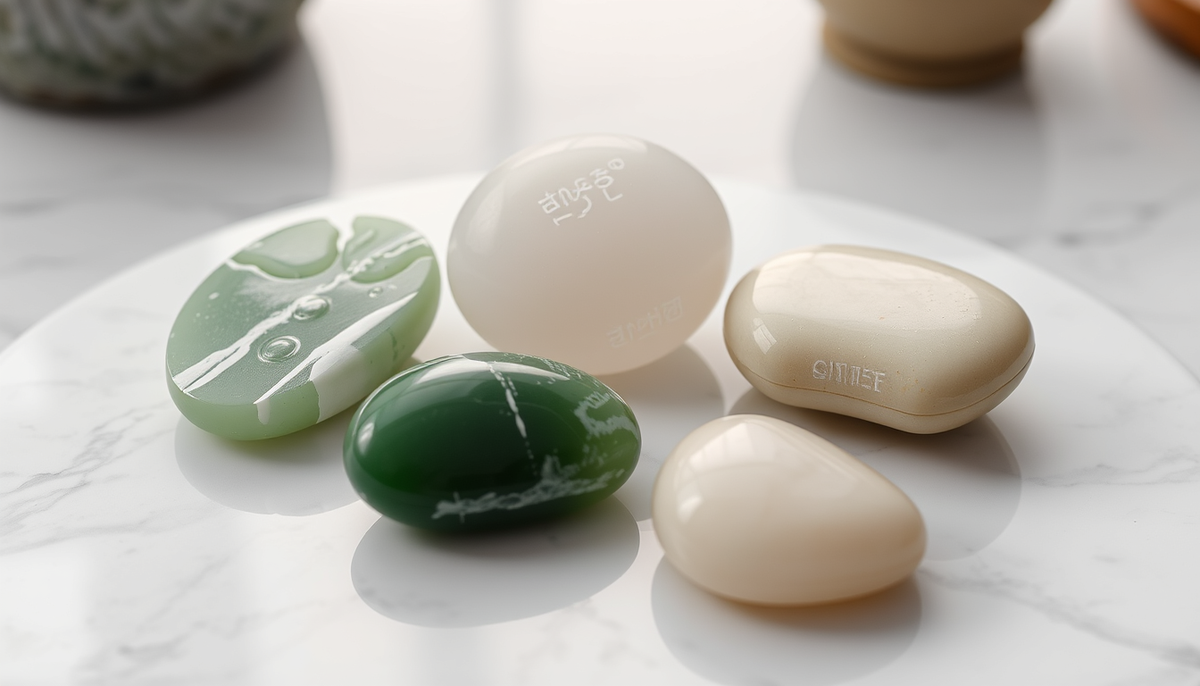
- Jade: Broad, softly rounded edge with a generous contact surface. The curvature encourages a forgiving glide, which is ideal for beginners and for those with sensitive or reactive skin. Jade’s natural coolness can also feel soothing during the initial strokes.
- Quartz: Sharper, more defined edges enable targeted strokes and precise engagement of muscle bands. The sharper geometry supports contouring of subtle jawline lines and cheekbone planes but may require a lighter touch to avoid over-pressure.
- Ceramic: Smooth, uniform edges with consistent glide. The finished surface is predictable, assisting beginners and practitioners who want repeatable performance and steady feedback.

Stroke Cadence: Tempo, pressure, and rhythm
The tempo and force of gua sha strokes matter almost as much as edge design. A thoughtful cadence supports lymphatic drainage while protecting the skin. Below is a practical cadence and technique guide you can apply to any tool:
- Warm up with broad, light sweeps along the jawline and cheekbones for 1–2 minutes to acclimate the skin.
- Apply gentle pressure—roughly equivalent to a firm credit-card tap—enough to feel contact without soreness.
- Use 20–30 strokes per facial region (forehead, cheeks, jawline, neck) in slow, deliberate sweeps.
- Follow lymphatic directions: move from the center of the face outward and downward toward the neck, using gravity to assist drainage.
- Finish with a calm, breath-synchronised cool-down pass in a light glide to settle the skin.

Facial Lymphatic Drainage: Mechanism, benefits, and safety
Gua sha is commonly used to support facial lymphatic drainage, which can reduce puffiness, improve complexion, and enhance product absorption. When performed with proper technique and clean tools, gua sha can complement skincare routines and contribute to a healthier-looking glow. Important safety notes:
- Always prep the skin with a clean surface and a light moisturizer or facial oil to reduce drag.
- Avoid aggressive pressure over bony landmarks or inflamed areas; adjust pressure for sensitive zones such as the inner eye area.
- Limit sessions to 5–15 minutes per area to prevent over-stimulation and redness lasting beyond a few hours for most users.
- Discontinue use if you experience persistent redness, irritation, or active acne or skin conditions requiring medical advice.

Design-Driven Tool Comparisons: Jade vs Quartz vs Ceramic
Beyond aesthetics, material and finish influence weight, grip, heat conduction, and how the tool interacts with skin texture. Consider these design-driven takeaways when selecting a tool for different goals:
- Weight and balance: Quartz tools are denser, which can affect fatigue during longer sessions. Jade tends to be lighter and well-balanced for sweeping motions, while ceramic offers a steady balance that many users find reassuring.
- Finish and porosity: Jade has a natural stone finish with subtle porosity that can affect glide; quartz may present micro-textures that alter drag; ceramic typically offers a uniform surface that remains consistent with use.
- Maintenance and durability: All tools benefit from gentle cleaning. Jade and quartz are generally robust, while ceramic can chip if dropped on hard surfaces, so careful handling extends tool life.

How to choose for your goals
Use this quick guide to align edge, cadence, and material with your skincare goals. The same principles apply whether you are asking does gua sha work, exploring the best gua sha tool, or evaluating gua sha results across face and neck:
- For beginners: Opt for ceramic or jade with a broad, rounded edge and a forgiving glide; start with longer, slower strokes and gentle pressure to build confidence and avoid irritation.
- For contouring and targeted muscle release: Consider quartz with a sharper edge and precise strokes; gradually increase pressure as you gain control and sensitivity to facial planes.
- For lymphatic drainage and daily maintenance: Jade or ceramic tools with a smooth edge and a steady cadence work well for gentle sessions and regular upkeep.

Illustrations and Practical Demo
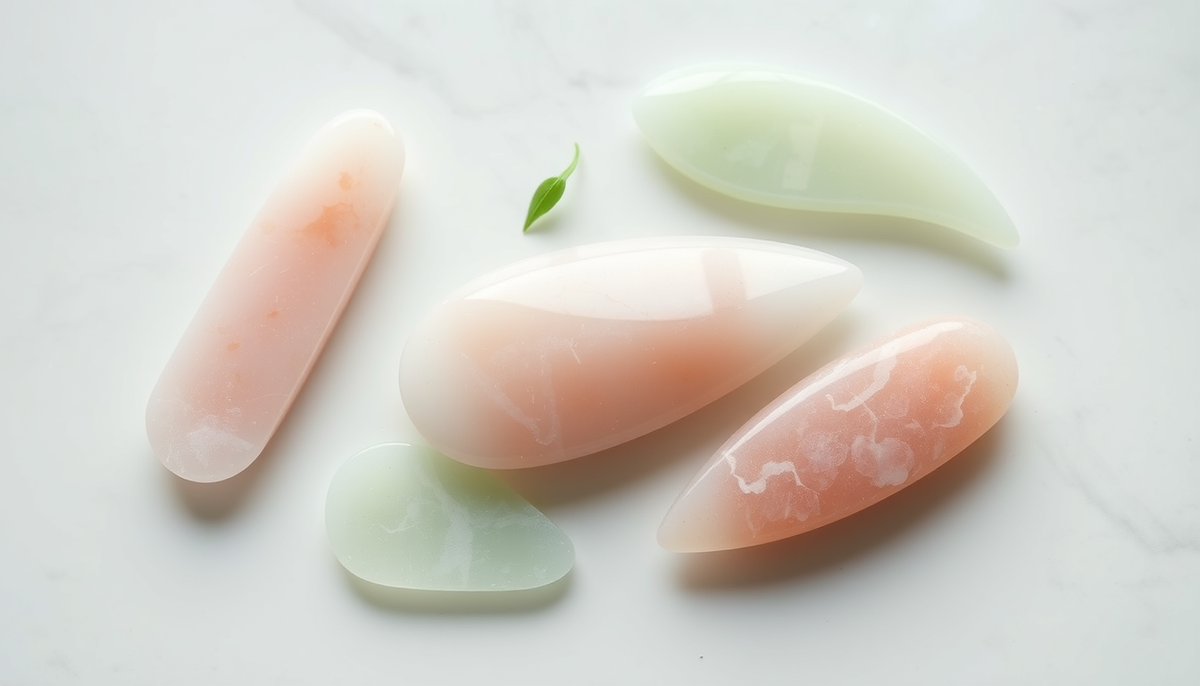
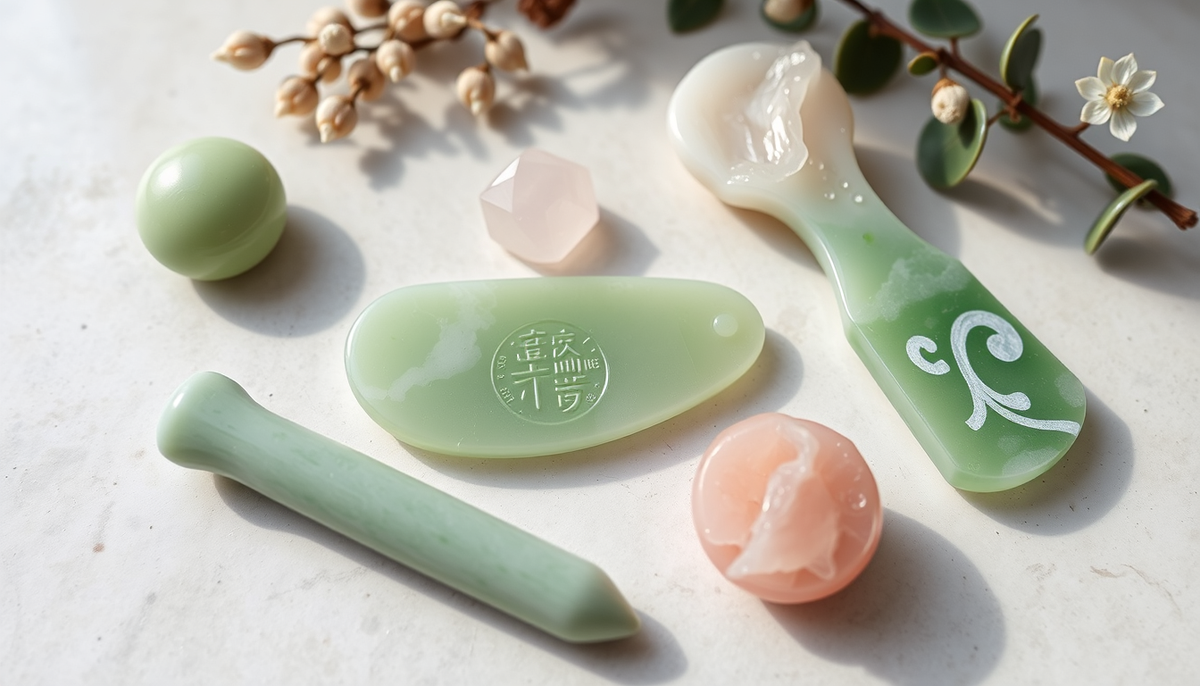
Illustrations and practice visuals amplify understanding. The images below illustrate edge geometry, stroke paths, and drainage directions to help you apply theory to practice.


Advanced techniques and routine structuring
To elevate your practice beyond a standard routine, integrate these advanced ideas:
- Combine gua sha with lightweight facial massage techniques to create a dynamic sequence that promotes circulation without over-stimulating the skin.
- Layer compatible serums and facial oils to minimize drag; adjust viscosity so that the tool maintains a smooth glide rather than catching on the skin.
- Use micro-movements at the edges of the jawline and under the cheekbones to engage deeper tissue in subtle ways while monitoring your skin's response.
- Introduce breath-work synchronized with strokes to improve relaxation and edema reduction through rhythmic pressure release.

Maintenance, safety, and skin care considerations
Proper care protects tools and skin. Follow these best practices to maximize safety and longevity:
- Clean tools after every use with mild soap and water; dry thoroughly to prevent moisture-related staining or bacteria growth.
- Avoid dropping or banging tools, especially ceramic pieces, to prevent chips or cracks.
- Store tools in a dry, clean case away from direct sunlight; avoid high heat to prevent warping of wooden handles or distortion of stone surfaces.
- Check for sharp or rough edges before each session; if a tool feels rough, consider resurfacing gently or replacing it.
- Consider skin type and conditions; sensitive or reactive skin may benefit from jade or ceramic with gentler edges.
FAQ
- Does gua sha really work?
- When used correctly and consistently, gua sha can support circulation, lymphatic drainage, and a healthy-looking glow. Results vary by individual and technique, not merely by tool type.
- Which tool is best for sensitive skin?
- Tools with smooth finishes (often jade or ceramic) and broader contact areas tend to be gentler on sensitive skin.
- How often should I use gua sha?
- 2–5 times per week is common for maintenance; daily use may be appropriate for some, but monitor skin response and adapt accordingly.
- Can gua sha help with puffiness?
- Yes, when used as part of a gentle lymphatic drainage sequence and in combination with appropriate skincare products.
Backlinks and invitation to explore LovA Body
This article includes sponsored links to LovA Body. For a curated selection of high‑quality gua sha tools, including jade, quartz, and ceramic options, visit LovA Body:
Want the best results? Explore the LovA Body range designed with design‑driven edge geometry and ergonomic balance to optimize facial drainage, glide, and durability. Shop LovA Body now and elevate your routine with tools crafted for facial lymphatic drainage and everyday use.

Lasă un comentariu
Acest site este protejat de hCaptcha și hCaptcha. Se aplică Politica de confidențialitate și Condițiile de furnizare a serviciului.