
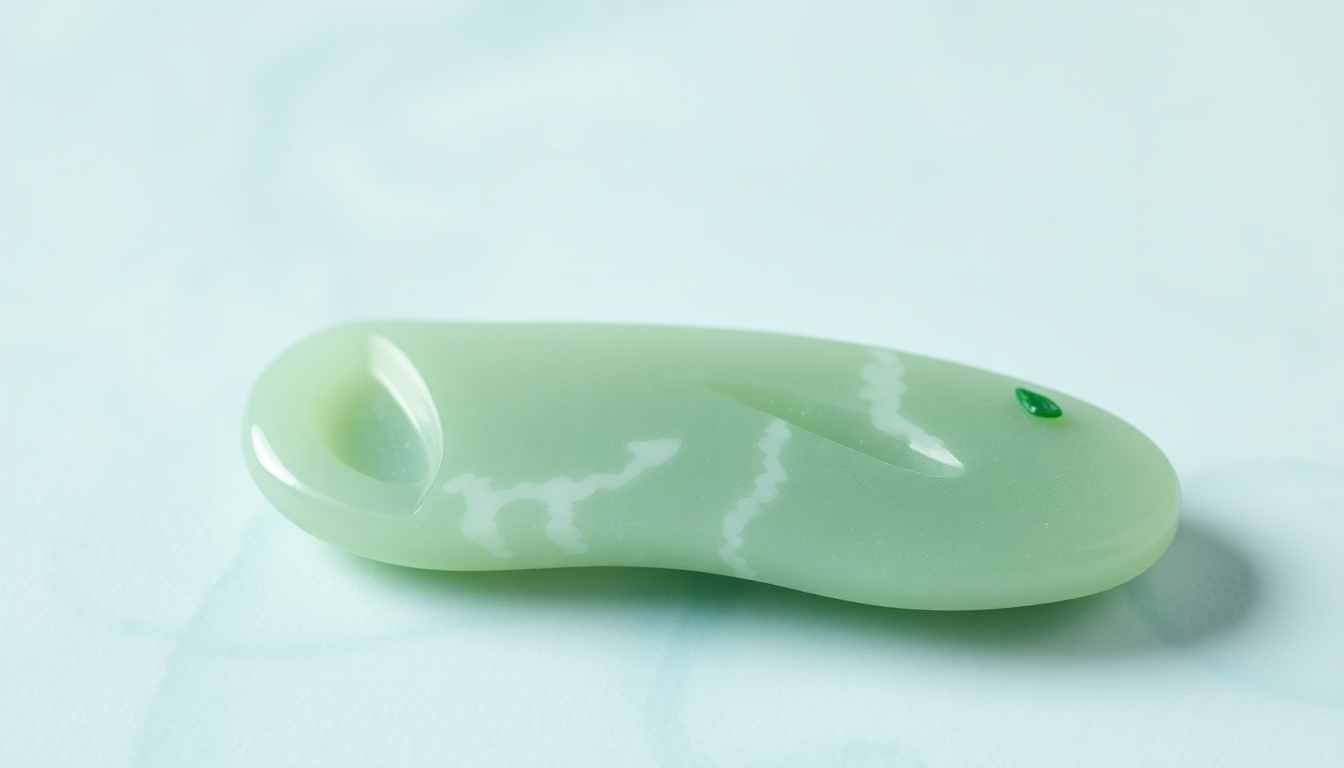
Gua sha has traveled from traditional medicine into a modern at-home ritual that can support facial glow, reduce puffiness, and promote a sense of well-being. This comprehensive guide dives into practical tool design, precise hand techniques, and ways to sustain facial lymphatic wellness over time. Whether you’re a skincare enthusiast or a curious newcomer, you’ll find actionable steps, safety tips, and product recommendations to elevate your routine.
Understanding Gua Sha: What It Is, How It Works, and What It Isn’t
Gua sha involves gently scraping a smooth-edged tool over the skin to stimulate microcirculation, fascia release, and lymphatic drainage. The aim is to move stagnant fluid and boost fluid balance, which can help soften tension and support a more lifted look. It is not a substitute for medical treatment, but when used correctly, it complements skincare and facial massage routines.
- Enhances blood flow and supports collagen turnover
- Aids lymphatic drainage to reduce facial puffiness and congestion
- Works best as part of a consistent routine rather than a one-off treatment
Historical Roots and Modern Adoption: Why Gua Sha Endures
Gua sha has deep roots in East Asian healing practices. In modern skincare, practitioners emphasize gentle, mindful strokes and the synergy between lymphatic health and skin vitality. The modern approach blends ancient principles with ergonomic tools designed for home use, expanding accessibility while maintaining respect for traditional technique.
Tool Design: Materials, Shapes, and Ergonomics
Tools come in jade, rose quartz, basalt, and other smooth stones. The shape and edge influence glide, pressure distribution, and access to facial contours. When choosing a tool, consider the following:
- Edge polish and surface smoothness for irritation-free contact
- Ergonomic handle or contour that fits your grip and arm alignment
- Curves designed to cradle cheeks, jawline, neck, and forehead

Choosing the Right Gua Sha Tool: Jade, Rose Quartz, and Beyond
Popular choices include traditional jade and rose quartz, each offering a distinct feel. Some users prefer alternatives like basalt or mixed-material tools for different glide experiences. When selecting a tool, assess:
- Material and temperature sensation during use
- Finish and edge radius to avoid skin irritation
- Size and contour to match your facial anatomy
Explore curated selections that align with this guide by visiting the best gua sha tool collections at Lov a Body.
Hand Techniques: Controlled Pressure, Angles, and Strokes
Quiet focus and deliberate movement trump brute force. Start with light pressure and increase gradually as your skin acclimates. Key principles:
- Prepare skin with a thin layer of facial oil or serum to reduce friction
- Use upward and outward strokes to support lymphatic drainage
- Work from the neck upward, aligning movements with natural lymph pathways
- Avoid excessively pressing on bony areas or irritated skin
Layering and Skincare Synergy: How to Build a Complete Routine
Gua sha works best when paired with the right skincare products. Cleanse, tone, and apply serums or essences, then add facial oil to create a slip-free surface. The general order is:
- Gentle cleanse
- Tone or essence
- Targeted serums (if used)
- Facial oil or moisturizer to provide glide
- Gua sha session
- Additional moisturizer if needed after treatment
Practical Tutorial: Step-by-Step Routine for Beginners and Beyond
- Prep skin: cleanse, pat dry, and apply a thin layer of oil or serum to create slip.
- Neck: begin at the collarbone and glide upward along lymph pathways to the jawline.
- Jawline: sweep from the center outward toward the ears in light, diagonal strokes to encourage drainage.
- Cheeks: starting at the nose, glide outward toward the temples in gentle motions that follow natural contours.
- Under-eye area: use the smallest edge with extremely light pressure, moving from inner to outer corner. Avoid pulling on the skin.
- Mid-face: move from the center of the face outward and upward to promote lift and tone.
- Forehead: sweep from the center to the temples, then from the brow bone outward toward the temples.
- Finish with drainage: feather-light strokes along lymphatic pathways to encourage fluid movement.

Advanced Techniques: Multi-Pass, Contouring, and Eye-Glide Variations
As you gain confidence, you can introduce more nuanced moves. Examples include:
- Multi-pass technique: repeat each region with a series of light passes to deepen the effect without irritating the skin
- Contour focus: map your face and dedicate extra time to the jawline, cheekbones, and periorbital area with ultra-light pressure
- Eye-area caution: never tug or press aggressively near the delicate under-eye skin; use a tiny tool edge with the lightest touch
Yoga for the Face: Complementary Techniques and Routines
Consider pairing gua sha with gentle facial exercises and massage to support muscle tone and lymphatic flow. Simple routines can include:
- Cheek lift: smile while lightly pinching the cheek muscles to maintain tonal strength
- Jawline memory: hold a light smile and glide along the jawline to sculpt
- Temple tension release: gentle circular motions to ease headaches and stress that can manifest in the face
Maintenance, Hygiene, and Safety: Protecting Your Skin Long-Term
After use, wash your tool with mild soap and water, dry thoroughly, and store in a clean, dry place. Sanitation reduces the risk of irritation or breakouts. If you have sensitive or reactive skin, start with low frequency and lighter pressure, and always patch-test new products on a small area before full use.
Safety Contraindications and When to Pause
Gua sha is generally safe for healthy skin, but certain conditions warrant caution:
- Active acne, rosacea with breakouts, or broken skin
- Severe skin conditions or recent facial surgery
- Using anticoagulants or experiencing blood clot concerns
- Pregnancy-related considerations: consult a clinician for personalized guidance
In these cases, consult a dermatologist or licensed practitioner before continuing, and consider modifying pressure and frequency accordingly.
Travel Tips: Maintaining Your Routine on the Go
When traveling, pack a compact gua sha tool and a small oil to preserve glide. Quiet, shorter sessions can help maintain lymphatic flow during irregular schedules. A daily 5–7 minute routine is a practical target for busy days.
Seasonal and Lifestyle Considerations: Tailoring Your Routine
Humidity, dryness, and environmental stressors influence how your skin responds to gua sha. In drier climates, increase hydration and consider more generous slipping products. In humid environments, you may reduce the amount of oil slightly to prevent over-slipperiness. Sleep quality, hydration, and stress management also impact lymphatic drainage and inflammation.
FAQs: Expanded Quick Answers
- Does gua sha actually work? Many users report improved circulation, reduced puffiness, and refined texture, though results vary and depend on technique and consistency.
- How often should I use it? Beginners: 2–3 sessions per week; advanced users: 3–5 sessions per week, depending on skin response.
- Is it safe for all skin types? Generally yes, but patch-test products and adjust pressure for sensitive or reactive skin.
- Can I use gua sha with other facial tools? Yes, but avoid overdoing to prevent irritation; integrate gradually and listen to your skin’s signals.
Visual Guides and Illustrations: What You’ll See
Visuals support your practice with clear demonstrations of grip, edge use, and stroke direction. The images below are designed to accompany your routine and serve as quick references during practice.


Backlinks and Product Spotlight: Elevate Your Gua Sha Routine
For high-quality tools, oils, and accessories that complement facial lymphatic wellness, explore Lov a Body’s curated range. The selections emphasize ergonomic design, smooth glides, and materials that feel comfortable on the skin. To learn more about the best gua sha tool options, visit the sponsor links below:
Discover the jade gua sha tool and gua sha tools face collections at Lov a Body for skin-loving options that suit beginners and seasoned practitioners alike.
Another trusted entry point is the best gua sha tool lineup, featuring multiple shapes designed to fit common contours and preferences. For targeted improvements, consider tools with ergonomic handles and rounded edges that reduce drag and irritation.
Closing Thoughts: Your Ongoing Path to Facial Lymphatic Wellness
Consistency is the secret to long-term results. Pair gua sha with mindful skincare, adequate hydration, and restful sleep to support a healthier lymphatic system and more radiant skin. Remember to adjust your routine to climate, skin type, and personal comfort. When in doubt, consult a skincare professional or clinician to tailor the approach to your needs.
Your journey toward improved facial lymphatic wellness can begin with a single mindful session. If you’re ready to elevate your toolkit, explore Lov a Body’s offerings and discover tools and accessories designed to enhance your gua sha practice. Shop Lov a Body now to find the perfect tool for your routine.

Lasă un comentariu
Acest site este protejat de hCaptcha și hCaptcha. Se aplică Politica de confidențialitate și Condițiile de furnizare a serviciului.