
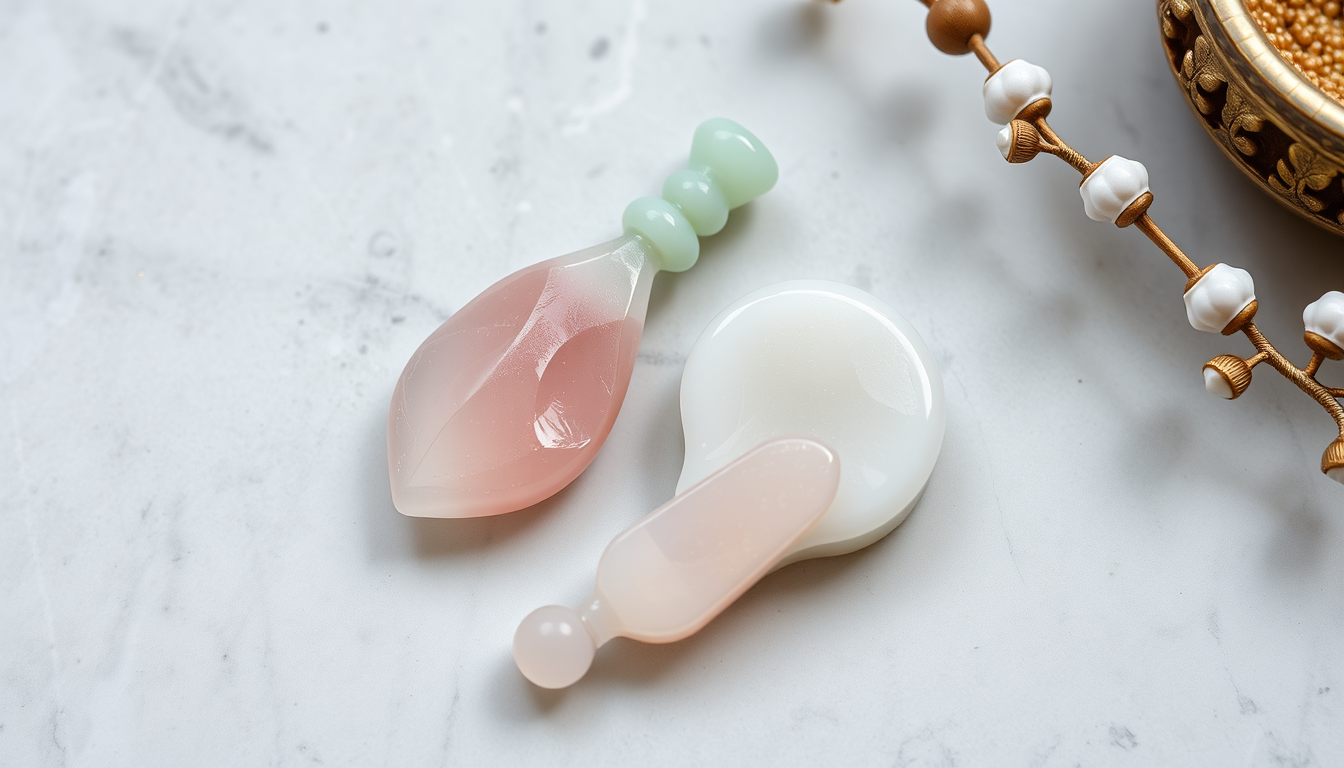
Gua sha has evolved from a traditional ritual into a comprehensive skincare practice, with practitioners seeking measurable benefits for facial lymphatic drainage and a radiant complexion. The tool design—its geometry, material, and edge finishing—plays a pivotal role in comfort, safety, and outcomes. This extended benchmarking explores how tool design and technique interact to influence daily results, long-term skin health, and user satisfaction in 2026 and beyond.
Executive snapshot: why design matters
Tool design determines how the blade-like edge contacts facial planes, how pressure is distributed, and how efficiently lymphatic pathways are engaged. Subtle variances in edge radius, contour fidelity, weight balance, and grip quality affect friction, tissue response, and drainage efficiency. When selecting tools, align your choice with your skin type, goals, and routine cadence.

Historical context and evolving aesthetics
Gua sha has deep roots in traditional medicine, but modern manufacturing has introduced mass-produced tools with precise tolerances. Jade and rose quartz remain culturally favored, while stainless steel and titanium-coated variants offer durability and different thermal responses. The shift toward ergonomic handles and multi-edge sets reflects a consumer demand for versatility and consistency across sessions.

Expanded tool geometry: edges, contours, thickness, weight, and multi-edge options
Geometry defines how a tool engages facial topography. Consider the following variables when selecting or customizing a tool:
- Edge radius and bevel: Softer edges reduce drag on delicate areas, while sharper edges may offer precision for tense zones. Balance is key to comfort and safety.
- Contour and curvature: Contoured edges that mirror facial valleys (cheekbones, jawline) can cover more area per stroke and improve drainage efficiency.
- Thickness and weight distribution: Heavier tools feel more stable for larger zones; lighter tools offer finer control on delicate regions like under the eyes.
- Multi-edge and interchangeable heads: Some sets include interchangeable heads for different regions, enabling a single routine to address both broad zones and contour-specific targets.
- Grip ergonomics: A comfortable handle design reduces fatigue and supports consistent technique across sessions.

Materials matter: skin compatibility, durability, and finish
The most common materials—jade, rose quartz, stainless steel, and sometimes medical-grade titanium coatings—offer distinct tactile experiences and performance. Material choice influences temperature transfer, glide, and ease of cleaning. The surface finish also affects friction and potential micro-irritation.
- Jade and rose quartz: Traditionally valued for their cool touch and aesthetic, these semi-precious stones provide a soothing feel. Variations in polish affect gliding friction and tactile comfort. Some users report a comforting ritual associated with these materials.
- Stainless steel and metals: Metals can transfer temperature quickly and offer a very smooth glide. Polished metal edges require mindful pressure control to avoid overstimulation on fragile zones.
- Finish and hygiene: Uniform, smooth surfaces reduce micro-tears and simplify cleaning. Textured or carved surfaces can harbor bacteria if not sanitized properly; opt for solid finishes designed for hygiene.

Stroke techniques: directing the lymphatic flow with intent
The effectiveness of gua sha depends not only on geometry but also how you move the tool. Here are technique principles aligned with facial anatomy:
- Direction: Move from the center of the face toward regional lymph nodes: forehead to temples, cheeks toward the jawline, and along the neck toward the subclavian area. This follows natural lymphatic pathways.
- Pressure and tolerance: Begin with light pressure to assess tolerance, then gradually increase to a comfortable medium. Avoid pinching, scraping, or aggressive dragging on fragile skin.
- Stroke type: Combine gentle glides with short lifting motions to reset tissue layers. Avoid prolonged dragging across delicate under-eye skin.
- Rhythm and duration: For most zones, 3–5 minutes per area is a practical daily window; longer sessions may be explored for edema but require caution and gradual progression.

Benchmark in practice: when geometry and technique meet outcomes
Real-world results emerge when you pair tool design with aligned technique. Common correlations observed in routine use include:
- Softer edges + gradual pressure: Fewer red patches and less micro-irritation, enabling near-daily use for sensitive skin.
- Deeper contours + larger working areas: More efficient drainage along the jawline and cheeks, which can help with post-day puffiness.
- Rigid, well-polished stones: Consistent glide but require mindful pressure to avoid overstimulation near the eyes.
Results vary by skin type, hydration, and current skincare regimen. Consider tracking your responses over several weeks to identify which combination of tool geometry, material, and strokes works best for you.
Illustrative scenarios: linking goals with tool designs
- De-puffing and lymphatic support: A smoothly contoured tool with balanced weight performs well along the jawline and neck with upward, outward strokes.
- Glow and fine lines: Narrower edges and precise contours help address periorbital areas and smile lines with controlled pressure.
- Sensitive or reactive skin: Start with a jade or quartz tool featuring a generous edge radius and gradually move to more defined shapes as tolerance builds.

Illustrations and visual guidance: enhancing technique with visuals
Visual references can support technique and aid in understanding tool geometry. The images below illustrate key concepts:


Measurement of outcomes: documenting progress for SEO and self-assessment
To optimize results and track progress, consider a simple measurement plan:
- Before/after photographs: Use consistent lighting, angles, and expressions to document changes over weeks.
- Texture and tone: Note improvements in skin tone evenness, texture, and pore appearance.
- Puffiness and contour: Observe jawline definition and under-eye swelling in the mornings.
- Elasticity indicators: While gua sha is not a substitute for clinical tests, you may notice improved skin resilience with regular sessions.

Choosing a tool for your goals
- Skin sensitivity: For sensitive skin, choose a tool with a softer edge, lighter weight, and smoother surface to minimize friction.
- Facial areas: Use contoured shapes for cheeks and jawline; flatter edges work well for the forehead and neck with broader strokes.
- Maintenance and hygiene: Clean tools after each use; dry thoroughly to prevent mineral buildup and bacteria growth.
- Safety: Avoid active inflammation, rosacea flare-ups, or open wounds; consult a clinician if unsure.
Maintenance, cleaning, and longevity
To maximize safety and hygiene, follow these practices:
- Wash with mild soap and warm water after every use; avoid harsh abrasives that can dull edges.
- Dry completely with a clean towel; store in a dry, ventilated area to prevent mineral buildup or microbial growth.
- Avoid placing metal tools in direct contact with water for extended periods to prevent corrosion; consider periodic polishing for stainless steel tools.
Safety, contraindications, and best practices
Gua sha is generally safe when performed correctly, but there are important precautions:
- Avoid use on active acne lesions, eczema patches, rosacea in flare, open wounds, or recent cosmetic procedures in the area.
- Do not apply excessive pressure; the technique should be comfortable and controlled rather than aggressive.
- Discontinue if you experience persistent redness, irritation, or unusual symptoms and consult a clinician.
Myth-busting and common misconceptions
- Myth: Gua sha permanently reshapes facial structure. Fact: Gua sha temporarily enhances lymphatic drainage and blood flow, contributing to a refreshed appearance rather to structural changes.
- Myth: More pressure yields better results. Fact: Excessive pressure can irritate the skin; gradual, mindful technique is safer and often more effective.
- Myth: Tools must be expensive to work well. Fact: Build quality matters, but a well-designed mid-range tool can deliver consistent performance with proper technique.
Integrating gua sha into your skincare routine
For a balanced regimen, consider how gua sha fits with your other products and routines. A typical flow might be:
- After cleansing, apply a hydrating serum or facial oil to reduce drag and support glide.
- Use gua sha for 3–5 minutes per zone, following lymph-directed directions.
- Finish with moisturizer and sunscreen to protect refreshed skin.
- Avoid layering active ingredients that may cause irritation immediately after gua sha if your skin is sensitive.
Case scenarios: illustrative routines for common goals
- De-puffing routine: Contoured tool, light-medium pressure, focus on jawline and neck, morning or post-day sessions.
- Glow and contour routine: Narrowing edges around periorbital zones and nasolabial folds with precise, controlled movements.
- Sensitive skin routine: Start with a broader, softer edge jade tool and gradually reintroduce more defined shapes as tolerance builds.

Visual aids and labeling
Supplementary diagrams help you visualize direction, pressure, and edge work. Use labeled guides to correlate zones with technique, ensuring consistent practice over time.
SEO considerations and sponsorships
As readers explore reliable product guidance, this article includes sponsor-backed references to brands that meet quality and safety standards. If you’re evaluating options to complement your gua sha routine, you may also search for variations in gua sha tool, jade gua sha, and best gua sha tool across reputable retailers.
For readers interested in curated offerings, consider exploring the Lova Body range. Visit Lova Body for jade and quartz gua sha sets designed for different skin goals. In addition, keywords to explore include gua sha tool, jade gua sha, best gua sha tool, and gua sha results.
Sponsor note and invitation to purchase
This article contains sponsored backlinks to trusted brands to support informed shopping for gua sha practitioners. If you found the benchmarks and guidance helpful, consider purchasing a tool from established brands such as Lova Body to experience well-finished surfaces, consistent edges, and clean interfaces that support safe, enjoyable sessions. To view product options and make a purchase, visit the sponsor link above.
In 2026 and beyond, selecting a tool with thoughtful geometry, dependable materials, and well-practiced technique remains a practical path to achieving lymphatic drainage and a radiant complexion. Whether you are a curious beginner or a seasoned enthusiast, the right combination of design and practice can elevate your routine and your confidence.

Lasă un comentariu
Acest site este protejat de hCaptcha și hCaptcha. Se aplică Politica de confidențialitate și Condițiile de furnizare a serviciului.