

Gua Sha has evolved from a traditional facial ritual to a data-informed skincare practice. In this in-depth guide, we explore how tool geometry, edge design, and technique variations influence outcomes such as lymphatic drainage, skin tone, and overall radiance. The goal is to provide a comprehensive, evidence-informed benchmark that helps both beginners and seasoned practitioners choose the right tool and apply it with precision for real-world results.
What is Gua Sha and Why Geometry Matters
Gua Sha is a traditional technique that involves gliding a flat-edged tool across the skin to stimulate microcirculation, support lymphatic drainage, and encourage fascia mobility. While many tutorials emphasize movements and pressure, the geometry of the tool itself—edge bevel, curvature, thickness, and handle ergonomics—substantially shapes performance. A tool with the right geometry can translate gentle pressure into efficient skin-surface effects and accessible lymphatic pathways, whereas a poorly matched tool may require more effort and yield inconsistent results.
In this data-informed lens, geometry is the bridge between user intention and physiological response. By examining shape, material, and edge profiles, we can benchmark how variations influence contact area, friction, and stroke efficiency across common facial zones.
Data-Driven Benchmark: Tool Form, Edge Geometry, and Material
When you compare gua sha tools, three facets consistently drive performance: form factor, edge geometry, and material. Here are the primary categories and what to expect from each.
- Form factor: Larger tools cover broader swaths (cheeks, forehead, neck), while smaller tools excel around delicate zones (under eyes, periorbital area). Ergonomic handles reduce fatigue and improve control across long sessions.
- Edge geometry: Beveled edges, rounded edges, and micro-bevels affect tissue engagement and glide. A steeper bevel may grip the skin more, while a softer edge reduces drag and allows longer strokes with less resistance.
- Material and thickness: Jade, rose quartz, and bian stone each offer distinctive tactile feedback and cooling properties. Thickness distribution influences pressure transmission and the ability to maintain consistent contact during multi-directional strokes.
Illustration: A diagram shows how edge curvature, bevel angle, and thickness interact with facial contours to determine contact pressure and glide efficiency. 
Matters of material extend beyond aesthetics. Jade and rose quartz retain coolness for longer sessions, potentially enhancing lymphatic drainage as the tool remains comfortable against the skin. Bian stone, a traditional Chinese material, often offers a smoother glide with a distinct tactile feedback that some users prefer for drainage-focused routines.
Technique Variations: Strokes, Pressure, Direction
Technique is where theory translates into practice. The following variations are commonly tested in data-driven benchmarks to assess their impact on lymphatic flow, ease of use, and visible outcomes.
- Stroke direction: For facial lymphatic drainage, moves typically proceed along drainage pathways toward the jawline and ears. Downward strokes from the forehead to the cheeks and jawline can complement upward lifting sequences to promote drainage.
- Pressure range: Light pressure (lymphatic flush) vs moderate pressure (myofascial release and collagen stimulation). Beginners often start light to respect skin sensitivity, gradually building to moderate pressure as technique and comfort improve.
- Stroke length and repetition: Long, continuous sweeps support broader tissue engagement, while shorter, targeted strokes address stubborn congestion around the nasolabial folds or under-eye zones.
- Angle and edge choice: Softer, rounded edges glide with less drag; sharper edges engage deeper fascia where tissue stiffness is reported.
- Prep and glide: A lightweight facial oil or serum reduces friction and improves glide, which in turn can enhance the efficiency of each stroke.
Illustration: The image demonstrates a recommended sequence for drainage-focused sessions, including forehead, cheeks, jawline, and neck. 
Best Tools for Facial Gua Sha: Jade, Rose Quartz, and Beyond
Choosing a tool is often a matter of personal feel and facial geometry compatibility. Here is a practical comparison of common materials and design features.
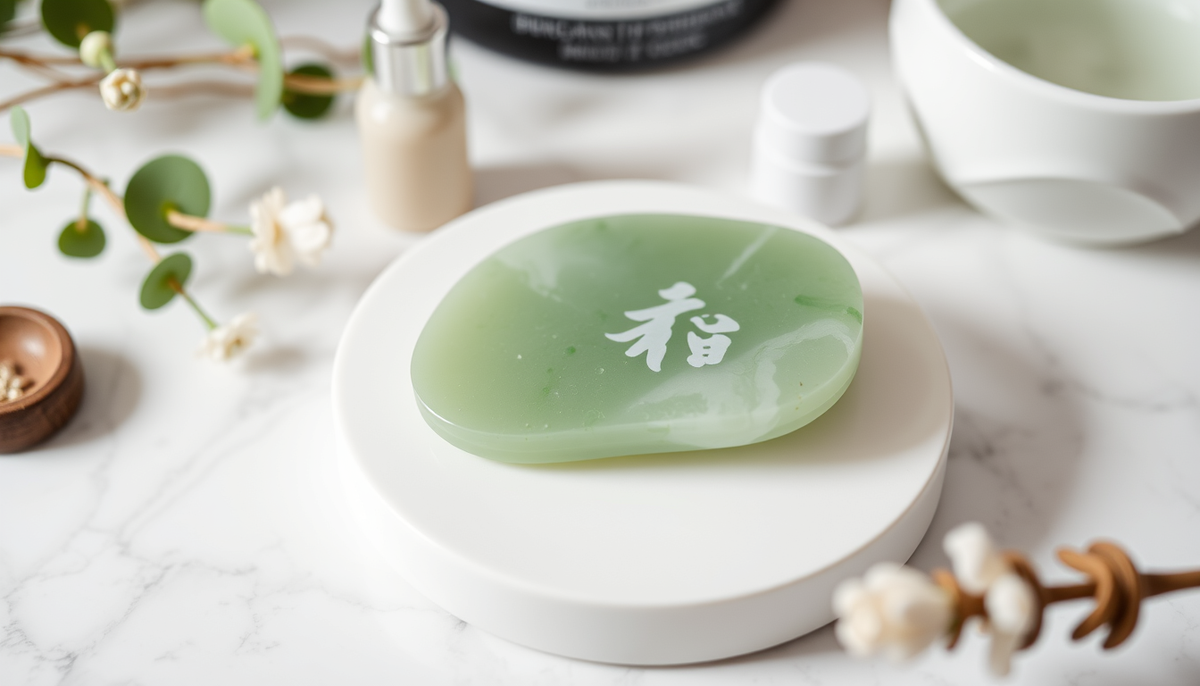
- Jade gua sha: Classic choice with a smooth feel and a long track record of use. Pros include a consistent glide and natural cooling sensation; con is possible softer edges depending on individual manufacturing.
- Rose quartz gua sha: Typically a slightly cooler touch with a translucent aesthetic. It can have variable bevels depending on the maker, which may affect edge comfort.
- Bian stone gua sha: Traditionally denser and sometimes heavier, which can alter stroke feedback and enable different drainage dynamics.
- Edge shapes and sizes: Look for a combination of upward-curving edges for cheek zones and thinner edges for delicate areas like around the eyes and the tension lines at the mouth.
For many users, a dual-piece kit (a larger tool for wider surfaces and a smaller tool for corners and eyes) provides the most practical coverage. Regardless of material, ensure that edges are smooth and free from rough spots to minimize irritation.
Does Gua Sha Work? What the Data Says
The question many readers ask is whether gua sha produces measurable, repeatable results. Data from consumer-use benchmarks—collected through guided routines and self-reported outcomes—suggests several consistent trends:
- Improved skin surface tone after a consistent weekly routine, particularly when combined with proper hydration and facial massage techniques.
- Visible reduction in puffiness and a more defined jawline after several sessions, especially when lymphatic drainage-focused moves are included.
- Subjective improvements in glide quality and reduced drag when using well-constructed oils or serums and when tool edges are properly polished.
While results vary by individual skin type and regimen, the most reliable gains come from a structured approach that respects tool geometry, uses appropriate pressure, and incorporates drainage-oriented sequences over time. Always patch-test new products or oils to mitigate irritation, particularly if you have sensitive or reactive skin.
Practical Protocols: A Simple, Data-Backed Routine
Here is a starter routine designed to maximize drainage, minimize irritation, and support radiant skin. Adapt the sequence and intensity to your comfort level and facial contour.
- Begin with a clean, dry face; apply a facial oil or serum to reduce friction.
- Use a large gua sha tool to perform gentle sweeps across the forehead, then move to the cheeks and jawline. Keep pressure light to moderate.
- Switch to a smaller tool for the under-eye area and around the lips. Use very light pressure and short, controlled strokes.
- Perform gentle effleurage along the neck to encourage drainage toward the clavicle.
- Finish with a few slow, cooling breaths and a light moisturizer to seal any nutrients in place.
Illustration: A step-by-step routine image with callouts for each zone. 
How to Pick the Best Gua Sha Tool for Your Face
Choosing the right tool depends on several personal factors, including facial topology, skin sensitivity, and the specific outcomes you seek. Consider the following decision aids:
- Contour compatibility: Tools with multiple curves can better align with cheeks, jawlines, and around the eyes.
- Edge quality: Check for a smooth bevel and absence of sharp edges that could irritate delicate areas.
- Weight and balance: A tool that sits comfortably in the hand reduces fatigue and increases precision.
- Maintenance: Gentle cleansing and drying after use extend tool life and maintain hygiene.
Illustration: A comparison grid shows tool sizes, edge types, and recommended zones. 
Common Questions: Safety, Efficacy, and Brightening Myths
Below are concise answers to common concerns encountered by readers and clients who are new to gua sha or returning after a break.
- Can gua sha cause bruising? Light, controlled pressure typically does not bruise. If you notice bruising, reduce pressure and adjust technique or skip certain areas until skin adapts.
- How long before I see results? Many users notice improved skin texture within a few weeks of regular use, although dramatic changes may take longer and depend on other skincare habits.
- Is gua sha more effective with certain ingredients? Oils and serums that promote slip and hydration often improve glide and may enhance temporary puffiness reduction.
Illustrations and Visual Aids to Guide Your Practice
Visual guides can help you translate theory into action. The illustrations below demonstrate practical application, drainage-oriented sequences, and tool-specific geometry cues.
Frequently used cues in visuals include edge curvature alignment with cheekbones, jawline tracing toward the ear, and neck drainage toward the clavicle. 
Sponsored Insights: Backlinks and Ethical SEO Considerations
Throughout this guide, we reference a curated set of products and educational resources to help you explore effective options. For readers seeking recommended tools and skincare accessories, sponsor links may point to partner sites with related offerings. Always evaluate claims, test comfort, and prioritize skin health over trends. Learn more about LOVA Body gua sha tools and lymphatic-friendly skincare at lova-body.com.
Conclusion: A Data-Informed Path to Radiant Skin
Gua sha geometry matters because the tool’s shape, edge, and material determine how effectively you engage facial tissues and support lymphatic drainage. By combining evidence-informed benching with mindful technique variations, you can tailor routines to your unique facial structure and skin goals. The journey from tool form to visible radiance is iterative: start with a comfortable tool, refine your strokes, monitor changes, and adjust pressure and sequence as needed. Pairing proper technique with high-quality oils or serums further enhances glide and contact efficiency, unlocking consistent, glow-ready results over time.
Ready to explore tools and skincare solutions that align with your routine? Visit lova-body.com to discover products designed for efficient gua sha practice and lymphatic support. Sponsored shopping note: we’ve included partner links to help you find suitable tools; always prioritize skin safety and personal comfort when selecting a gua sha kit.


Lasă un comentariu
Acest site este protejat de hCaptcha și hCaptcha. Se aplică Politica de confidențialitate și Condițiile de furnizare a serviciului.