
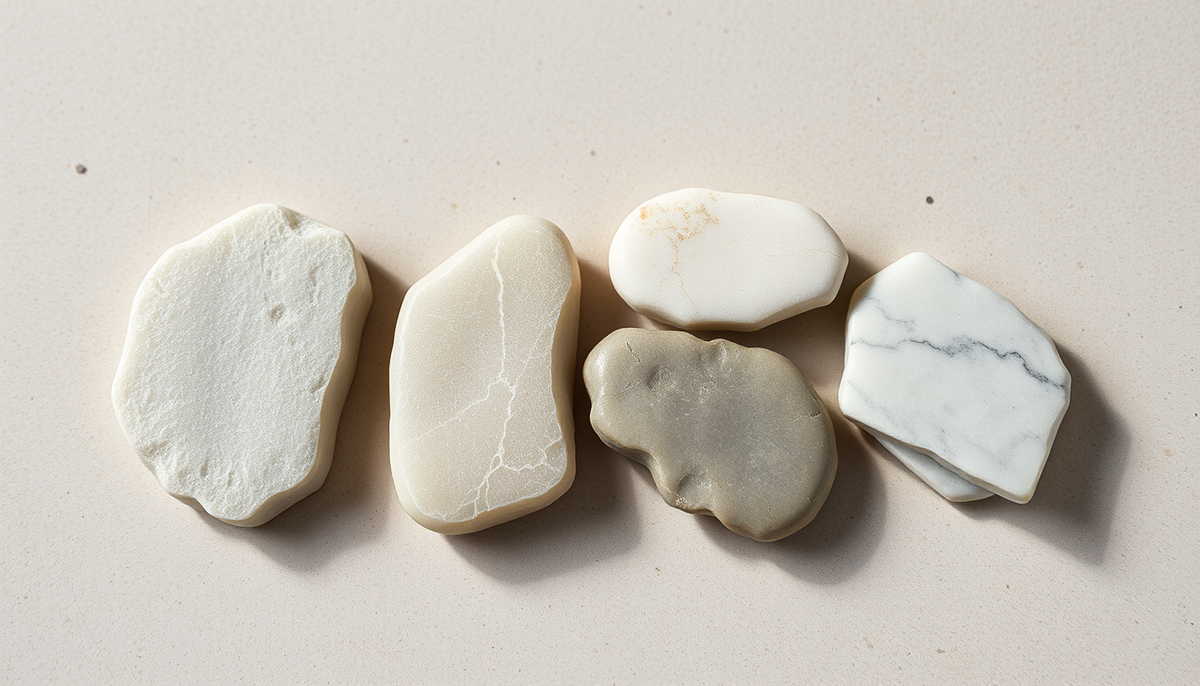
In skincare, art and science converge when a tool’s geometry meets a designer’s cadence. Gua Sha Geometry in Action dives into tool edges, cadence, and facial lymphatic drainage with a designer-driven lens, delivering a comprehensive playbook for radiant skin. This guide blends technique with precise geometry, helping you move beyond guesswork toward repeatable, spa-like results at home.
Gua Sha Geometry: Edge Profiles Expanded
Edge shape drives contact area, pressure distribution, and contouring precision. Designers think in curves, radii, and tolerances — the same mindset helps you pair each edge with the right facial zone. Below is a deeper look at common edge profiles and when to use them for optimal outcomes.
Illustrations below show how each edge interacts with facial contours. The visual helps you remember which edge to reach for which zone and why edge geometry matters for glide and contact.

Cadence: The Rhythm of Your Glide
Cadence is the tempo and sequence of your gua sha passes. It’s not about speed; it’s about controlled, repeatable motion that respects the skin’s geometry and lymphatic routes. A designer’s cadence aligns strokes with drainage angles, uses light-to-moderate pressure, and emphasizes smooth transits between passes.
- Begin at the neck with broad, upward sweeps toward the jawline using the rounded edge for large surface areas.
- Shift to the cheeks, guiding from the center outward along the cheekbone with a lighter touch and shorter strokes.
- For the periorbital region, switch to the narrow edge and perform gentle, outward sweeps along the orbital rim—avoid pressing hard near the eye.
- Finish the forehead by moving from the center outward toward the temples, maintaining consistent pressure and clean transitions between passes.
Cadence is a method of precision. Consistency beats brute force over time, and the cadence you adopt should feel painless and controlled while honoring the skin’s natural drainage paths.
Facial Lymphatic Drainage: Protocols and Paths
Facial lymph drainage moves toxins and fluids toward the lymph nodes. Mapping the routes helps you reduce puffiness and support a clear, bright complexion. Use the edge suited to each zone and glide in gravity-friendly directions.
- Neck and décolletage: short upward strokes toward the lower jaw using the rounded edge.
- Jawline and cheek: upward and outward sweeps along the contour to guide drainage toward the ears.
- Midface: center-to-side moves along the cheekbone, finishing near the temples.
- Under-eye and brow ridge: delicate, outward sweeps using the narrow edge to minimize tension in delicate skin.
Regularly performing lymphatic-friendly strokes can support product absorption, reduce morning puffiness, and enhance overall radiance when integrated into your evening routine.
Designer-Driven Pairings: Edge x Cadence
Think of this as a mini-catalog of designer-tested pairings that optimize contouring and drainage. Each pairing aligns a specific edge with a cadence tailored to facial zones to maximize comfort and results.
- Rounded edge + broad, upward neck-to-jaw strokes for large surface areas (cheeks, jawline).
- Narrow edge + precise, light passes around the eyes and nose for delicate zones.
- Convex edge + slow, sculpting passes along the cheek and brow to encourage lifting cues.
- Concave edge + measured, directional sweeps along the jawline to accentuate contour and promote drainage.
- Alternate edge use across zones to balance drainage, tone, and glow.
Each pairing can be tuned to personal comfort and skin sensitivity. The goal is consistent, mindful pressure and a deliberate glide, not brute force.
Materials, Craft, and Longevity: Jade, Rose Quartz, and Beyond
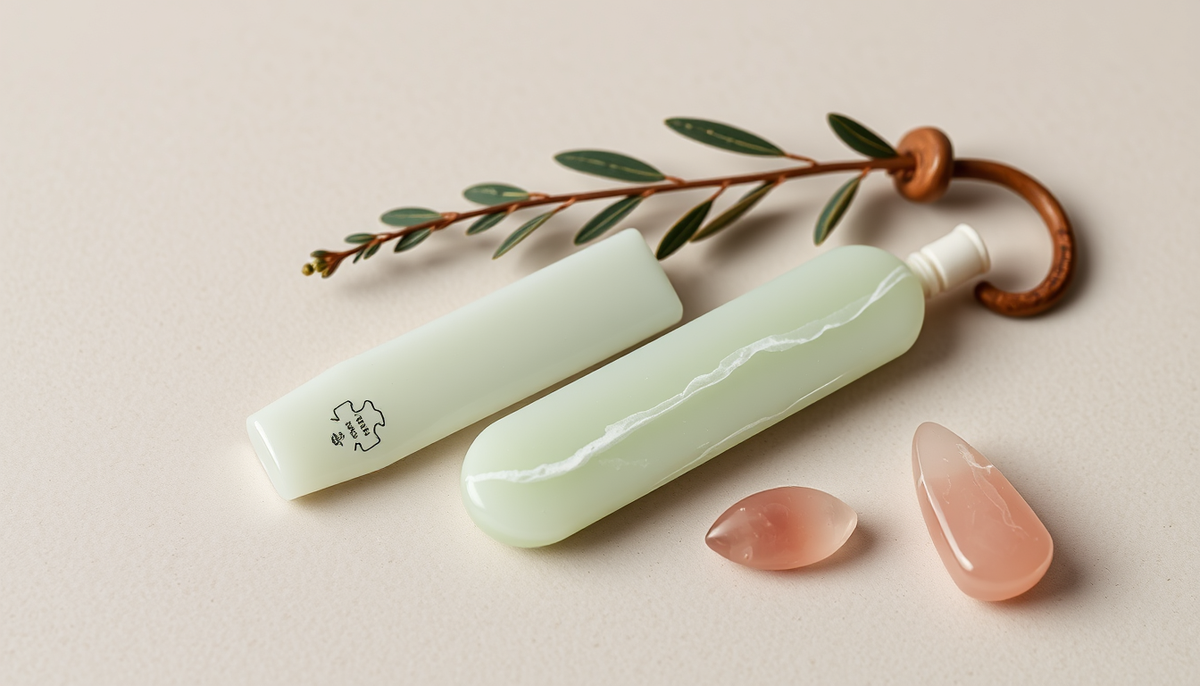
Gua sha tools come in a range of materials, each with its own feel and care needs. Jade and rose quartz are the classics, while some modern tools use stainless steel or other stones. Consider the following when choosing a tool:
- Jade: Cooling, dense feel, and traditional associations. Best kept in a cool place to maintain glide.
- Rose quartz: Slightly softer than jade, often with a gentle sheen; great for sensitive skin and longer, smoother passes.
- Stainless steel or other metals: Ultra-clean, very smooth glide; ensure proper coating and cleaning to avoid contamination.
- Maintenance: Clean after use with gentle soap and warm water, dry thoroughly, and store in a dry, ventilated place. Inspect for chips or cracks and retire a tool if edge integrity is compromised.
Beyond feel, consider sustainability and manufacturing ethics when selecting a tool. A well-crafted tool with durable finish reduces waste and longer replacement cycles, supporting both your routine and the planet.
How to Create Your Gua Sha Routine: A 14-Day Jumpstart
To help you build consistency, here’s two weeks of guided practice. You can adapt this to your schedule, but the sequence emphasizes gradual progression, edge-switching, and lymphatic-friendly cadence.
- Days 1–3: Focus on neck and décolletage with rounded-edge strokes. Short sessions (2–4 minutes) with careful pressure.
- Days 4–7: Add cheeks and jawline using the broad strokes of the rounded edge, then introduce light periorbital passes with the narrow edge.
- Days 8–10: Layer in forehead work with center-to-temple moves, and begin employing the convex edge for gentle sculpting along midface contours.
- Days 11–14: Fine-tune by alternating edges zone-by-zone, emphasizing lymphatic drainage direction and consistent cadence. Track your progress with a weekly photo and skin-feel log.
Throughout this program, pair gua sha moves with your favorite serums or face oils. Apply products first, wait a moment for them to settle, then guide the tool in smooth, overlapping passes. The combination enhances absorption and radiance over time.
Zone-by-Zone Techniques: A Practical Roadmap
Different facial zones respond to distinct approaches. Here’s a practical guide you can bookmark:
- Cheeks: Center-to-outward sweeps along the cheekbone with the rounded edge. Keep passes shallow and even for a lifted look.
- Jawline and lower face: Upward, long strokes along the jaw with the convex or rounded edge to define contour.
- Under-eye and orbital rim: Gentle, outward sweeps with the narrow edge. Avoid pulling skin; let gravity do the work.
- Forehead: Center-outward strokes toward temples, then a light sweep along the hairline to reduce tension across the forehead muscles.
When in doubt, prioritize zones that show stagnation or puffiness. Consistent, zone-specific techniques yield more noticeable benefits over time.
Common Mistakes and Troubleshooting
Even seasoned users encounter hiccups. Here are frequent issues and how to fix them:
- Too much pressure: Ease up and use a lighter touch to avoid skin trauma and redness.
- Rushing the routine: Cadence matters. Slow, deliberate passes beat fast, careless strokes.
- Inconsistent angles: Maintain a consistent angle to maximize edge contact and drainage direction.
- Skipping hygiene: Clean tools after each use to prevent bacteria transfer and maintain glide.
If you notice persistent redness, irritation, or breakouts after gua sha, reassess pressure and frequency. Some skin types prefer shorter sessions or less frequent practice.
Care, Hygiene, and Longevity: Keeping Tools at Peak Performance
To sustain tool performance and skin safety, adopt these best practices:
- Clean immediately after use with warm water and mild soap; pat dry thoroughly.
- Store in a dry, ventilated case away from humidity and direct sunlight.
- Inspect edges regularly for chips or bluntness. Replace if edge integrity is compromised.
- Offer occasional polishing to maintain glide, especially for metals; avoid harsh abrasives that can dull edges.
Does Gua Sha Work? A Reality Check
Reports on gua sha outcomes vary by individual — and by technique. When performed with proper edge selection, cadence, and clean tools, many users notice improved contour, reduced puffiness, and a refreshed appearance. The most consistent results stem from a design-aware approach: choose the right edge, glide with intention, and pair with a thoughtful skincare routine.
Safety, Contraindications, and Responsible Use
Gua sha is generally safe for healthy skin when used properly. However, certain conditions warrant caution or avoidance:
- Active skin infections, uncontrolled rosacea, eczema flares, or open wounds in the treatment area.
- Recent cosmetic procedures or dermatological treatments requiring downtime.
- Skin with severe acne, broken capillaries, or pronounced fragility; consult a dermatologist before use.
Always perform a patch test on a discreet area and listen to your skin. If you experience persistent irritation, reduce frequency or discontinue use and consult a professional.
Frequently Asked Questions (FAQ)
Here are quick answers to common queries about gua sha and its design-driven approach:
- What is gua sha and can it replace professional facial massage? It complements professional care by enhancing circulation and lymphatic flow when used correctly, but it shouldn’t replace medical-grade skincare or dermatologist guidance.
- What tool is best for beginners? A rounded-edge tool with a smooth surface is forgiving and easy to master while you learn cadence and pressure.
- How often should I use gua sha? Start with 3–4 sessions per week and adjust based on skin response and schedule.
- Will gua sha help with puffiness? Yes, when used along proper lymphatic drainage paths and with gentle, consistent passes.
Illustrations and Visual Aids for Better Learning
Visual references help you translate the theory into practice. In addition to the edge profile diagram above, consider these visual aids:
- Edge profiles close-up for each zone with recommended strokes.
- lymphatic drainage maps showing directionality from face to lymph nodes.
- Before-and-after visuals to gauge progress over time.


Choosing the Right Tool and Brand Considerations
When selecting a gua sha tool, consider the following:
- Material quality and finish for a smooth glide.
- Edge options that match your typical zones of concern.
- Size and handle comfort for your grip and control.
- Ethical sourcing and sustainability of the manufacturing process.
Backlinks, Sponsorship, and Product Discoveries
This article contains sponsored links to lova-body.com. If you’re ready to upgrade your toolkit, explore Lova Body’s gua sha tools and skincare accessories at Lova Body.
For a curated selection of tools and accessories aligned with design-minded skincare, visit lova-body.com to browse products crafted for thoughtful, results-driven routines.
Closing Thoughts: A Designer’s Path to Radiant Skin
Gua sha is more than an isolated technique; it’s a system that blends geometry, cadence, and lymphatic science with personal comfort. By paying attention to edge profiles, maintaining a mindful cadence, and honoring drainage directions, you create a repeatable practice that adapts to your changing skin needs. The result is not just a momentary glow but a sustainable approach to healthier, more radiant skin over time.
Ready to elevate your routine? Invite a little design-thinking into your skincare ritual today and explore high-quality tools that feel crafted for your face. For a sponsor-backed option, explore Lova Body’s range at lova-body.com and consider adding their tools to your regimen for enhanced results.

Lasă un comentariu
Acest site este protejat de hCaptcha și hCaptcha. Se aplică Politica de confidențialitate și Condițiile de furnizare a serviciului.