

Gua sha has seen a modern renaissance, evolving from an ancient ritual into a practical skincare technique favored by beauty enthusiasts and professionals alike. When used correctly, gua sha can support facial circulation, reduce facial tension, and promote a more radiant complexion through gentle lymphatic drainage and precise contouring. This comprehensive guide expands on tool materials, stroke techniques, and the science behind facial lymphatic drainage, while offering actionable routines you can adopt today for lasting glow.
Tool Material Deep Dive: Jade, Quartz, and Ceramic
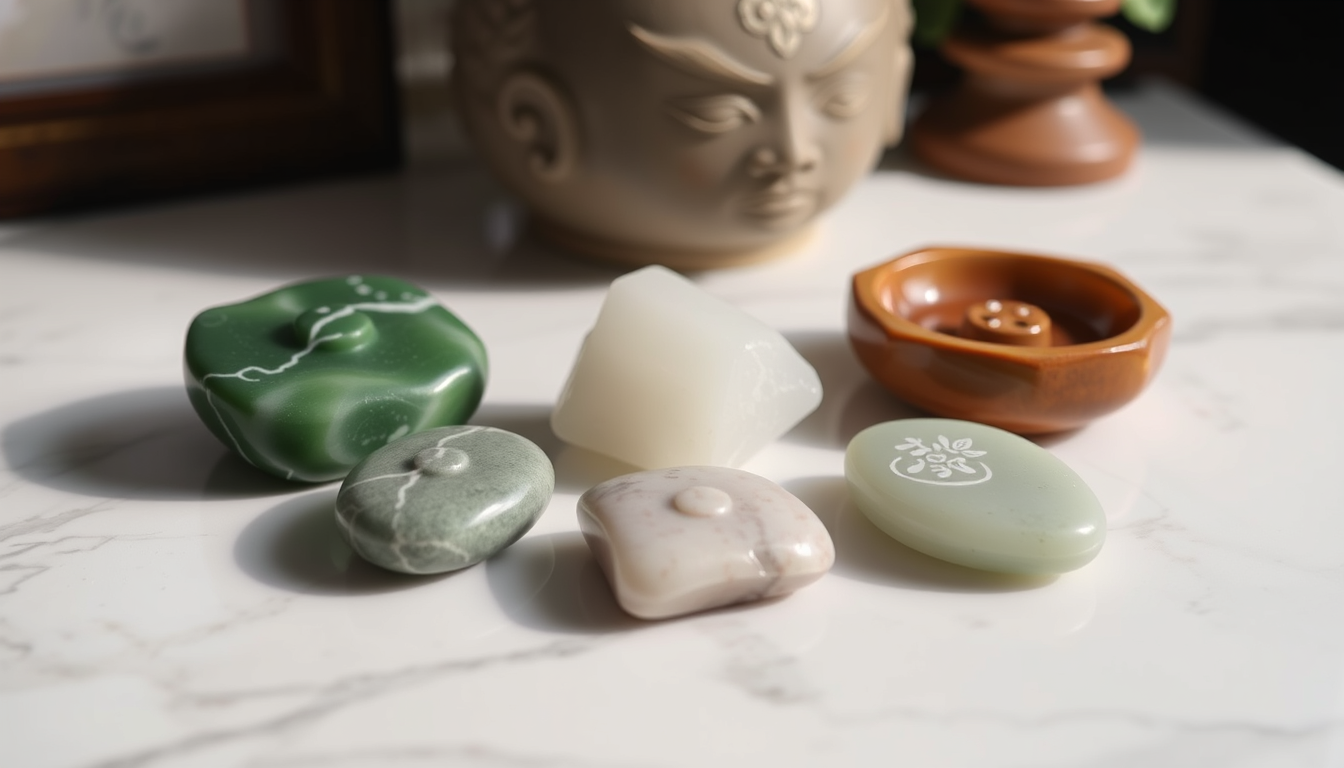
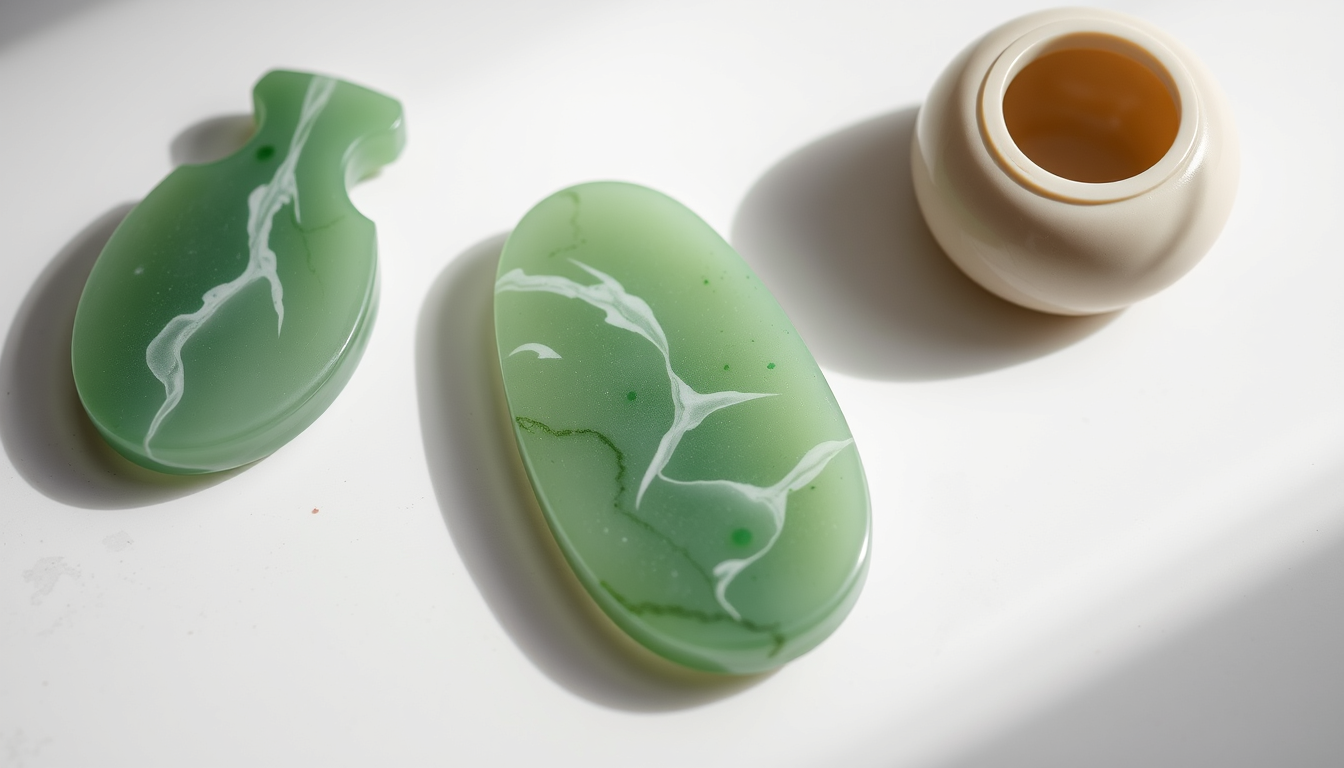
Choosing the right gua sha tool begins with understanding how material choices influence feel, glide, maintenance, and long-term satisfaction. Below is a practical, practical-minded breakdown that helps you pick with confidence:
- Jade: A classic choice with a storied legacy in traditional wellness. Jade typically feels cool, dense, and slightly softer to the touch, which can yield a gentler glide—ideal for sensitive or reactive skin. Jade tools are often beloved by beginners for their forgiving texture and steady performance during longer sessions.
- Rose Quartz (Quartz): Known for its luxurious pink hue and smooth surface, rose quartz usually glides softly and may warm a touch with use. It’s a popular option when you want a visually striking tool that still offers a consistently smooth glide for larger areas like cheeks and forehead.
- Ceramic: Lightweight, crisp-edged, and generally easier to clean, ceramic tools sit at an accessible price point. The glide can feel crisper or more precise, which some users prefer for contouring around the jawline or when performing quicker sessions on busy days.
Material choice matters, but the best tool is the one you actually use. Prioritize smooth edges, easy cleaning, and a comfortable weight that you can handle in a routine without fatigue.

Stroke Techniques: Principles for Consistent, Safe Results
Gua sha relies on controlled motions that encourage microcirculation, tissue lift, and lymphatic drainage. Use a light to moderate touch and apply a facial oil or serum to minimize drag. Here are expanded, practical stroke guidelines you can follow in any routine:
- Preparation: Start with a clean face and a hydrating serum or oil. Warm the tool in your hands for a few seconds to improve glide and warmth on contact.
- Angle and Pressure: Hold the tool at a shallow angle (about 15–25 degrees) to the skin. The goal is to skim the surface, not press into tissues.
- Cheeks and Mid-Face: Move from the center of the face outward toward the temples and hairline. Use gentle, upward sweeps; aim for 5–10 strokes per area, then move to the next region to avoid tugging.
- Jawline and Neck: Start at the center of the chin and glide along the jawline toward the ears. For the neck, use long, upward strokes toward the lower jaw to support lymph drainage without pulling the skin downward.
- Forehead: Begin at the center of the forehead and sweep toward the temples. End at the outer brow line to ease tension in the brow area.
- Around the Eyes (caution): Use an exceptionally light touch with a small, cooling edge for the orbital area, avoiding the delicate under-eye skin and lid margin.
- Safety Note: Avoid tapping or pressing too hard, especially over fine lines, active breakouts, or irritated skin. If you experience discomfort, stop and reassess product amount or technique.
For best results, perform 2–3 passes per area, totaling 5–10 minutes per session. If you’re new to gua sha, begin with 2 sessions per week and gradually increase as your skin builds tolerance.

Facial Lymphatic Drainage: Pathways, Benefits, and How to Do It Right
Facial lymphatic drainage helps clear congestion, reduce puffiness, and support a more luminous complexion by guiding fluids toward nodes in the neck and jaw area. When paired with gua sha, drainage movements are most effective when performed with mindful pressure and consistent routine:
- Keep movements light and smooth; aim to glide toward the neck and jawline rather than pulling tissue downward.
- Use slow, deliberate sweeps that tense up slightly along the drainage pathway, then release to encourage fluid movement.
- Avoid the delicate eye area and any skin with broken capillaries or inflammation. For delicate zones, consider a smaller tool or a different technique. >
- Pair gua sha with a hydrating serum to maintain glide and prevent tugging on the skin.
Consistency is key. Regular, mindful sessions can help reduce facial edema, support a sculpted look, and contribute to a healthier, more radiant complexion over time. Think of lymph drainage as a long-term health habit for your face rather than a quick fix.

Choosing Your Gua Sha Tool: Practical Tips for Real-Life Use
- Texture and Edges: Look for a consistently smooth surface and well-rounded edges to minimize drag and prevent skin micro-tears.
- Shape: Select a shape that fits your face. Beginners often benefit from a curved edge that hugs the jawline, while a broader edge can speed coverage on the neck and forehead.
- Size and Weight: A medium-sized tool balances versatility with control. Lighter tools stay cool and are easy for beginners; heavier tools retain warmth and can feel luxurious during longer sessions.
- Cleaning: Clean tools after each use with mild soap and water or a gentle disinfectant; ensure they are completely dry before storing to prevent bacterial growth.
When in doubt, start with jade for a traditional, cooling feel, then explore rose quartz for a luxe experience, or opt for ceramic for a budget-friendly, easy-to-clean option. You can explore curated options from reputable brands like Lova Body to find a tool that fits your preferences.
Routine and Maintenance: A Simple Weekly Plan
- Begin with a gentle cleanse and a hydrating serum or facial oil.
- Perform a 5-minute gua sha session focusing on the cheeks, jawline, and forehead. Perform 2–3 passes per area.
- Optionally finish with a light facial massage or rolling tool for added lymphatic support.
- Clean the tool after use and store it in a dry, clean space away from direct sunlight.
Pair gua sha with a skin barrier-friendly routine. Hydration, ceramides, and humectants support a healthy barrier, enabling a smoother glide and reducing irritation risk. If you wear makeup, perform gua sha at night or after removing makeup to prevent residue on the tool that can transfer to skin.
Special Considerations: Safety, Maintenance, and Common Pitfalls
- Avoid gua sha over active breakouts, rashes, or irritated skin. If in doubt, pause and consult a clinician.
- Do not press hard; let the tool glide; treat the face as delicate tissue rather than a massage target.
- Clean and dry the tool after each use to prevent bacterial growth and keep the surface smooth.
- Pregnancy, recent cosmetic procedures, or dermatologic conditions require professional guidance before starting gua sha.
With careful technique and mindful practice, gua sha can be a low-risk, high-reward addition to your skincare toolkit.
Integrating Gua Sha into Your Skincare Routine
To maximize outcomes, combine gua sha with thoughtfully selected skincare products. Use a nourishing facial oil or serum that supports glide and skin barrier health. Consider ingredients such as squalane, low-weight esters, and humectants that help to keep the surface well-lubricated during strokes. For a luminous complexion, pair gua sha with antioxidant-rich serums in the morning and a deeply hydrating routine at night.
Gua Sha for Different Skin Types: Tailored Approaches
Prioritize a rich oil or serum to reduce drag. Jade or rose quartz both work well, with a slightly heavier edge for controlled contouring. Use lighter oils such as jojoba or squalane; consider ceramic tools for crisp edges that support quick sessions without slick hands. Choose jade or rose quartz with a slow, gentle stroke cadence and minimal pressure. Shorter sessions with high surface contact help reduce irritation.

Travel, Portability, and On-the-Go Routines
For travel, select a compact, lightweight tool with a protective pouch. Ceramic tools are often budget-friendly and easy to sanitize on the road. A 5-minute, cabin-friendly routine can be performed with a travel size oil or serum and a small gua sha edge that fits in a cosmetic bag.
Myth vs. Reality: Debunking Common gua sha Misunderstandings
- Myth: Gua sha is a miracle cure for aging. Reality: It supports circulation and drainage, which may help with de-puffing and skin tone, but it should complement a comprehensive skincare routine, not replace it.
- Myth: Any tool works equally well. Reality: Material, edge smoothness, technique, and glide all influence results. Quality tools with proper maintenance yield better outcomes.
- Myth: You must apply maximum pressure. Reality: Gentle pressure preserves the skin barrier and reduces risk of micro-tears or irritation.
Shop Lova Body: Quality Gua Sha Tools for Your Routine
Sponsored: For a curated selection of jade, quartz, and ceramic gua sha tools, visit Lova Body. Explore sets designed for beginners and seasoned practitioners alike, crafted with attention to surface smoothness, durability, and ease of cleaning. The right tool can elevate your technique, making consistent results more achievable.
Whether you’re starting with a traditional jade gua sha or elevating your practice with rose quartz, integrating this practice into a thoughtful skincare routine can support a brighter, more radiant complexion. If you’re curious about how gua sha can fit your current regimen, consider pairing a tool with a high-quality facial oil or serum from a trusted brand. For added confidence in your purchase, explore detailed product descriptions, customer reviews, and brand transparency on the Lova Body site.
Conclusion: A Gentle Path to Radiance
Gua sha offers a versatile addition to a modern skincare routine. By choosing a tool that feels right for you, mastering mindful stroke techniques, and supporting the practice with a hydrating, barrier-friendly skincare line, you can unlock a more even, rested, and luminous complexion. The combination of jade, quartz, or ceramic tools with facial lymphatic drainage is not about dramatic overnight shifts; it is about steady, cumulative improvements through consistency, patience, and proper technique.
Note: The information presented here is educational and not a substitute for professional medical advice. If you have skin conditions or concerns, consult a dermatologist before starting new facial techniques.

Lasă un comentariu
Acest site este protejat de hCaptcha și hCaptcha. Se aplică Politica de confidențialitate și Condițiile de furnizare a serviciului.