
Gua sha has surged in popularity as a simple, hands-on technique to support facial lymphatic drainage, reduce puffiness, and promote a lasting radiance. This comprehensive guide dives deep into three popular materials—jade, quartz, and ceramic—so you can choose the right tool for your routine, skin type, and goals. You’ll find practical usage tips, care guidance, troubleshooting, and strategic opportunities to connect with trusted options from Lova Body to explore curated selections.
Why Gua Sha for the Face? The Science, the Benefits, and What to Expect
Gua sha is rooted in traditional practices but is supported by modern skincare science in a way that many users find meaningful. Gentle scraping with a smooth stone helps stimulate microcirculation, supports lymphatic drainage, and may enhance product absorption. The aim is not dramatic changes overnight but a cumulative effect: a smoother texture, less visible puffiness, and a more “awake” complexion over time.
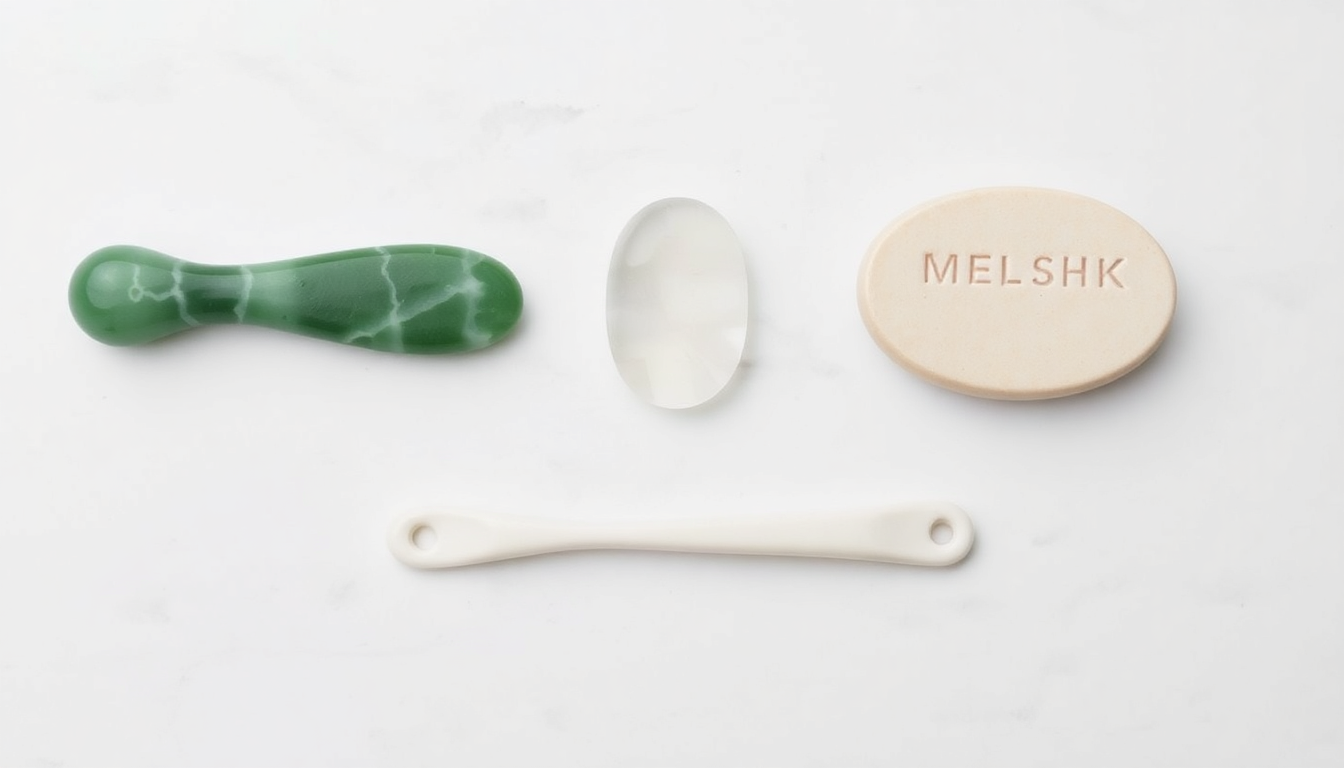
Materials at a Glance: Jade, Quartz, and Ceramic
- Jade gua sha — celebrated for its cool, soothing glide that is gentle on sensitive or reactive skin. Jade tools are classic, often heavier, and well-suited for beginners seeking a calming introduction. For options, explore jade gua sha tool at Lova Body.
- Quartz gua sha — typically rose or clear quartz with a brighter hue, lighter weight, and sharper edges that aid precise contour work. Ideal for lifting and enhancing radiance with a slightly more dynamic massage. See quartz gua sha tool at Lova Body.
- Ceramic gua sha — a smooth, glazed option that tends to be more economical and forgiving for beginners. Ceramic can offer a very comfortable glide and a clean aesthetic. Discover ceramic gua sha tool at Lova Body.


What Each Material Brings to Facial Lymphatic Drainage
- Jade: excellent for a slow, soothing massage that can feel deeply calming while helping reduce minor swelling. Jade’s cooling sensation remains favorable for sensitive or redness-prone skin. Jade gua sha tool is a popular choice for beginners and seasoned users alike.
- Quartz: a versatile option with a lighter weight that suits more vigorous lymphatic drainage moves and precise contouring around the jawline and cheekbones. Consider quartz gua sha tool for a brighter finish.
- Ceramic: a budget-friendly, ultra-smooth glide that encourages consistent technique without excessive pressure. If you’re just starting out, a ceramic tool can be a practical first step. Check out ceramic gua sha tool for options.
How to Use Gua Sha Safely for Maximum Radiance
- Prep your skin: cleanse thoroughly and apply a facial oil or serum to reduce friction and support glide.
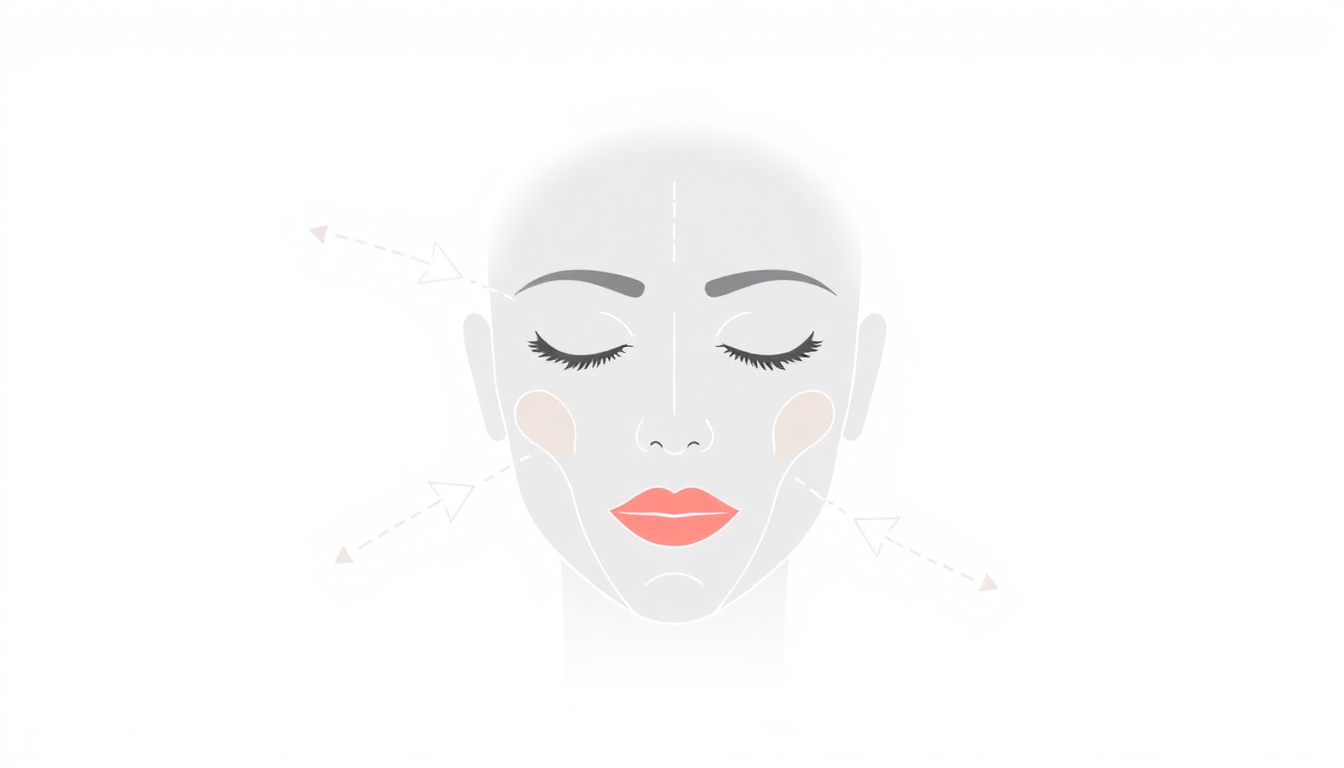
- Hold the tool at a shallow angle (about 15–20 degrees) and use long, outward strokes following the natural lymphatic drainage direction: neck → jawline → cheek → under-eye area (always avoid the eye itself).
- Start from the center and move toward the ears, then sweep outward toward the hairline. Use light-to-moderate pressure; if you see redness, ease up.
- Treat key zones: jawline, cheek, forehead, and under the eye, repeating strokes 3–5 times per area.
- Finish with an application of moisturizer or serum to seal in hydration and enhance post-treatment glow.
Consistency matters more than intensity. Regular short sessions (3–5 minutes, a few times per week) can contribute to a cumulative effect, including less puffiness and a more even complexion. For more on how gua sha supports lymphatic drainage, see the practical explainers on gua sha tool benefits.
Technique Deep Dive: Strokes and Edges by Material
Even within each material, the edge shape and glide can influence results. Here’s a practical guide to tailoring your routine:
- Jade: use broad, sweeping strokes with a flatter edge. The heavier weight helps maintain contact with the skin for a calm, consistent session. Consider jade for a gentle, slower-paced routine that emphasizes relaxation.
- Quartz: leverage sharper edges for precise contouring around the jawline and cheekbones. A slightly more assertive technique can help lift and brighten targeted zones while maintaining a graceful, high-resilience glide.
- Ceramic: aim for a balanced, mid-glide feel. The even glaze reduces drag and makes it forgiving for beginners; perfect for learning the basic sequences before upgrading to a different material.
Practical Routine: Morning and Evening Plans
- Morning: 3–4 minutes to depuff and brighten. Use lighter pressure with broad sweeps, especially on the under-eye and brow areas. Follow with a sunscreen for daytime brightness and protection.
- Evening: 4–6 minutes focused on lymphatic drainage and relaxation. Pair with a hydrating serum or facial oil to support glide and moisture retention overnight.
Skin Types, Sensitivities, and Customization
People with different skin types may notice varying experiences with gua sha. Here are tips to tailor the approach:
- Sensitive or Rosacea-prone: choose jade for its cooler feel and gentler contact. Start with very light pressure and shorter sessions to observe how your skin responds.
- Oily or Acne-prone: keep the tool clean between uses to avoid transferring bacteria. Avoid active breakouts and fragile areas; focus on non-inflamed zones and always glide away from the center of the face.
- Dry or Mature Skin: layer with richer serums and oils. The massage can help product absorption, but avoid overexfoliation or excessive pulling that irritates fragile surface skin.
Care and Maintenance of Your Gua Sha Tools
- Clean after every use with warm water and a gentle soap or cleanser. Dry thoroughly to prevent water spots or mineral buildup.
- Avoid dropping the tool, as cracks can affect glide and safety. Store in a clean, dry place or a protective pouch.
- Periodically check for chips or rough edges; if the surface isn’t smooth, replace the tool to prevent skin irritation.
- Disinfect periodically with a mild alcohol wipe if you share tools or travel frequently. Ensure the surface is completely dry before next use.
Travel-Friendly Gua Sha: Keeping It Simple on the Go
For travelers, compact, high-quality ceramic or mini jade/rose quartz shapes can fit neatly into a skincare kit. Keep your tool clean and protected in a soft pouch. When on the road, you can still perform quick, refreshing lymphatic moves to combat jet lag and dehydration effects.
Illustrations: Visual Guide to Techniques
These figures illustrate basic strokes and recommended sequences to maximize lymphatic drainage and radiance. References to tool type indicate how you might adapt the move with jade, quartz, or ceramic variants.


Advanced Techniques: Maximizing Radiance with Each Material
Once you’re comfortable with the basics, you can explore more advanced moves that leverage edge shapes and weight differences:
use the sharper edge of quartz for precise cheekbone elevation; jade can provide a broader, softer sweep across the jawline for de-puffing. gently pulse in small circles along the lymphatic pathways to encourage drainage before sweeping outward. perform 2–3 passes per zone with brief rest intervals to avoid over-stimulation while maintaining rhythm.
Does Gua Sha Work? Benefits, Expectations, and Real-Life Outcomes
- Temporary reduction in facial puffiness and improved contour visibility after a session.
- Improved product absorption when used with serums or facial oils, thanks to better lymphatic drainage and microcirculation.
- Longer-term use may contribute to a more even complexion and a noticeable glow, though results vary by individual skin type and consistency.
Common Mistakes and How to Avoid Them
- Using excessive pressure — this can cause irritation and negate lymphatic benefits.
- Skipping prep — without oil/serum, glide becomes rough and can irritate sensitive skin.
- Overworking one area — rotate moves to avoid overstimulation and potential redness.
Backlinks and Sponsorship: Transparent Partnerships
As you explore tools and brands, you may encounter sponsored links from trusted partners. For example, Lova Body offers curated jade, quartz, and ceramic gua sha tools with options that align with different budgets and skin goals. Explore resources and shop via Lova Body to discover products like a classic jade gua sha tool, a luminous rose quartz gua sha tool, or an affordable ceramic gua sha tool. These partnerships help bring you carefully selected instruments designed to enhance facial lymphatic drainage and radiance.
Shop Lova Body: Jade, Quartz, and Ceramic Gua Sha Tools
To explore curated selections that align with your preferences and skin goals, visit Lova Body and discover premium options for gua sha tool shopping. Whether you seek a classic jade piece, a luminous quartz option, or an affordable ceramic variant, there are robust choices designed for lasting radiance and enhanced facial lymphatic drainage.
Ready to elevate your skincare routine? Explore Lova Body's range of jade, quartz, and ceramic gua sha tools and shop now to experience the difference. Your path to smoother skin and brighter tones starts with the right tool.
Frequently Asked Questions (FAQ)
- Do gua sha tools actually reduce wrinkles?
- Gua sha can improve the appearance of the skin by boosting circulation and aiding in lymphatic drainage, which may temporarily reduce the appearance of fine lines. Long-term results depend on consistent use and overall skincare habits.
- How often should I use gua sha?
- Most people start with 3–5 minutes, 3–5 times per week. Adjust frequency based on skin response and comfort.
- Which material should I choose for sensitive skin?
- Jade is often recommended due to its cooler feel and gentler glide. Start with a light touch and a short session.
- Can I use gua sha on active breakouts?
- It's best to avoid active lesions to prevent irritation and spread of bacteria. Focus on surrounding non-inflamed areas and consult a dermatologist if needed.
Conclusion: Your Path to Radiant, Lifted-Looking Skin
Choosing between jade, quartz, and ceramic gua sha tools comes down to sensitivity, contouring goals, and budget. Jade offers soothing coolness for beginners and sensitive skin; quartz provides edge definition and a brighter finish; ceramic delivers a smooth, affordable entry with forgiving glide. The most important factor is consistency, proper technique, and thoughtful integration with a well-rounded skincare routine that includes cleansing, hydration, SPF, and gentle formulation choices.
Ready to begin or elevate your gua sha journey? Visit Lova Body to explore curated options for jade, quartz, and ceramic tools. With the right tool in hand and a thoughtful routine, you can support facial lymphatic drainage, reduce puffiness, and enjoy lasting radiance that shines from within.

Lasă un comentariu
Acest site este protejat de hCaptcha și hCaptcha. Se aplică Politica de confidențialitate și Condițiile de furnizare a serviciului.