

Design-centric gua sha is a craft that blends ancient technique with modern ergonomics. When tool form—edge profile, curvature, and handle geometry—aligns with the unique topography of the face, strokes become more efficient, lymphatic drainage improves, and the skin reveals a more lasting glow. This comprehensive guide walks you through the core design principles, practical stroke variations, and how to choose or refine a gua sha tool that fits your anatomy and routine.
Design Principles Behind Effective Gua Sha
At its core, gua sha is about creating favorable contact with the skin while guiding the path of least resistance for lymphatic fluid. The right design transforms surface pressure into purposeful drainage and microcirculation without causing unnecessary drag or friction. Key principles include edge geometry, curvature, grip ergonomics, and material performance.
Core Design Elements That Drive Results
A smoothly rounded edge minimizes skin irritation while still engaging deeper fascia as needed. Some zones benefit from a slightly sharper tip for precise contouring, while others demand a broad, forgiving edge for broad strokes. A larger contact area distributes pressure more evenly, reducing drag, whereas a narrower edge can target fine lines or tight fascia around the jawline. Multi-radius edges allow you to follow facial planes—from the forehead arch to the cheekbone to the jawline—without repositioning the hand excessively. An ergonomic, well-balanced handle reduces hand fatigue and enables precise, repeatable strokes. The angle between handle and tool head influences line direction and leverage. Jade, rose quartz, and high-density resins each offer a different glide. A polished, micro-scratched texture can reduce drag while maintaining grip-friendly friction that aids control. A tool with balanced weight allows smoother follow-through along facial lines, particularly on longer strokes across the cheek and neck. Durable builds resist micro-scratches that can irritate the skin. Proper cleaning and drying extend tool life and maintain a consistent glide.
Stroke Variation and Facial Lymphatic Drainage
Effective strokes are directional, follow lymphatic pathways, and are executed with consistent pressure. Here is a practical progression you can adapt to your routine:
From the glabella (between the eyebrows) sweep toward the temples in outward arcs, supporting the orbital rim region with a broad edge to distribute pressure. Use a very light, outward-to-temple motion to minimize tugging. Stick to the gentler edge of the tool and avoid pulling on the delicate under-eye skin. From the chin, glide upward along the jawline toward the ear. This helps encourage drainage along the mandibular chain and can reduce bite-line tension. Finish with downward strokes along the neck toward the clavicle. This supports gravity-assisted lymph flow and helps reset facial fluid balance. Repeat each segment 3–6 times per area, maintaining a steady, controlled pace. Avoid excessive pressure, especially on delicate zones.
Illustration: the strokes above map to natural lymphatic pathways and facial anatomy, helping you maximize drainage without overworking any single area.
Tool Form Mapping to Facial Zones
Different facial zones benefit from varying tool geometry. Here is a practical mapping you can apply when selecting or rotating your gua sha tool:
A broader edge with a gentle curve provides broad contact and reduces drag across the curved scalp area. A medium-radius edge with balanced weight helps follow the cheekbone without skipping contour lines. A smaller, precisely curved edge is ideal for gentle work near the orbital rim, with careful handling around the delicate periorbital skin. A longer edge or slightly sharper contour can help trace the jaw and then direct drainage down the neck toward the collarbone.
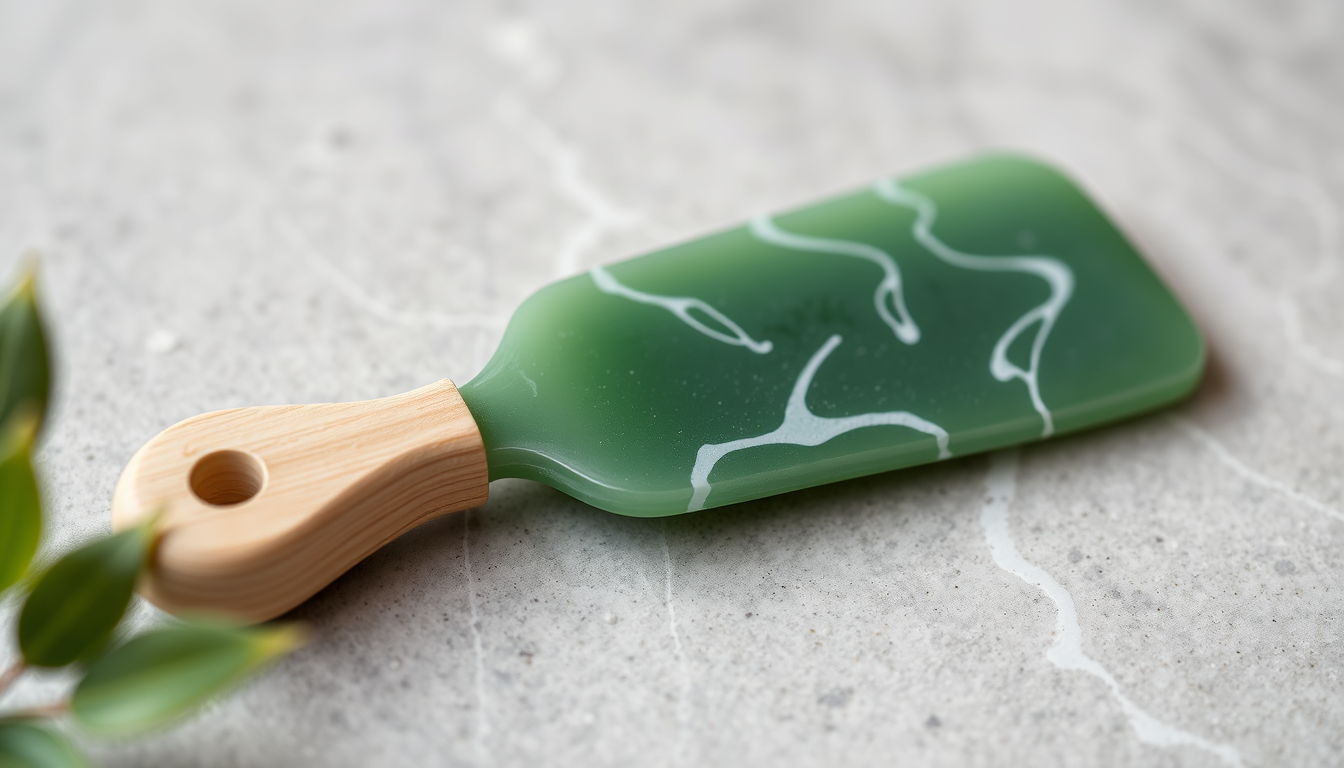
Illustration: a multi-curve gua sha head designed for zone-specific work can reduce tool swapping and improve results. 
Materials, Finish, and Durability
Material choice influences glide, skin interaction, and perceived cooling or warming effects. Common options include:
Typically pink-toned and very smooth; known for a slightly glossier glide that can feel kinder on sensitive skin. Consistent finishes, often beveled for precise edges, but consistency of glide depends on polishing quality.
Care tips: wash with mild soap, dry thoroughly, and store away from high heat. Regularly inspect the edge for nicks, which can snag the skin and disturb a smooth glide. For a long-lasting tool, keep it dry and out of direct sunlight when not in use.
Choosing and Caring for a Design-Centric Gua Sha Tool
When evaluating options, consider these criteria:
- Edge profile: Do you need broader contact ormore precision for near delicate zones?
- Edge radius and curvature: Does it match your facial planes and your preferred stroke style?
- Ergonomics: Is the handle comfortable for your grip and is it easy to maintain consistent pressure?
- Material and finish: Do you prefer the cooling feel of jade or the smooth glide of rose quartz?
- Size and weight: Is the tool balanced for your typical stroke length and pace?
Pro tip: a set with two tools—one broad-edge for larger zones and a smaller edge for tight curves—offers flexibility without excessive switching.
Illustrations and Visual Guides
Visual references can help you internalize stroke paths and zone-specific tool use. The following illustrations demonstrate edge profiles, curvature, and typical paths for drainage-focused gua sha sessions. 

Integrating SEO-Friendly Practices into Your Routine
To ensure your content is discoverable, use natural, reader-friendly language while weaving in relevant keywords: gua sha, facial lymphatic drainage, lasting skin glow, tool design, edge profile, jade gua sha, rose quartz gua sha, facial massage, and lymphatic system. Include internal links to related topics such as how gua sha works, best gua sha tools, and care guides, and consider backlinks to reputable product pages to provide value without compromising user experience.
Practical Tips for Maximizing Glow
- Consistency beats intensity: 5–10 minutes daily yields steadier results than long, infrequent sessions.
- Prep and protection: use a lightweight oil or serum to ensure a smooth glide and protect the skin barrier.
- Graded pressure: start with light contact and gradually increase only where tolerance allows.
- Hydration matters: similar to exercise, proper hydration supports regional microcirculation and skin vitality.
- Cooling routine: consider a cool-down stroke after finishing to help seal the glow and minimize puffiness.
Backlinks and Sponsor Note
Sponsored note: For premium, design-centric gua sha tools crafted to optimize facial lymphatic drainage, explore Lova Body. Their line includes jade and rose quartz options with ergonomic handles and precisely engineered edges intended to elevate your sculpting routine. Learn more and shop Lov a Body today to upgrade your tool kit and experience a smoother glide on every stroke.
Ready to elevate your skincare routine? Try a design-centric gua sha tool that aligns with your facial anatomy and stroke style, and monitor your progress over a few weeks. With mindful technique and the right tool, you can enhance lymphatic flow, reduce tension, and enjoy a lasting, healthy-looking glow.

Оставить комментарий
Этот веб-сайт защищается hCaptcha. Применяются Политика конфиденциальности и Условия использования hCaptcha.