
Introduction
Gua sha has moved from ancient stone rituals to a staple in modern skincare routines. This comprehensive guide examines three core dimensions that influence results: tool geometry, cadence of strokes, and facial lymphatic drainage. By unpacking how each factor interacts with skin biology—while grounding guidance in practical technique—we aim to help you cultivate a radiant, healthy-looking complexion. Remember, skincare is personal: outcomes vary by skin type, product choice, and consistency. This article is intended to inform and empower your routine, not to replace professional medical advice.
We’ll cover evidence-informed insights about contact area, pressure, and drainage, and translate them into actionable steps you can try tonight. Along the way, you’ll see how different tool shapes, stroke tempos, and gentle lymph movement work together to support microcirculation, puffiness reduction, and smooth skin texture. Throughout, you’ll find illustrations, best-practice tips, and cautions to help you use gua sha safely and effectively.
Gua Sha Geometry: Shape, Contact, and What It Means for Your Skin
Tool geometry determines how much surface area touches the face, where pressure concentrates, and how smoothly the tool glides across curves and planes. Common geometries include broad edges for large flats (forehead, cheeks), curved edges for contours (jawline, orbital area), and multi-edge designs that combine both approaches. The geometry you choose influences glide, drag, and the precision you can achieve in delicate zones.
- Broad-edge tools: ideal for broad planes like the forehead and cheeks, delivering gentle, even contact
- Curved edges: excel at contouring around the jawline, orbital rim, and nose
- Multi-edge profiles: versatile for both large surfaces and detailed work

Weight, Material, and Feel: How Tactile Qualities Shape Your Routine
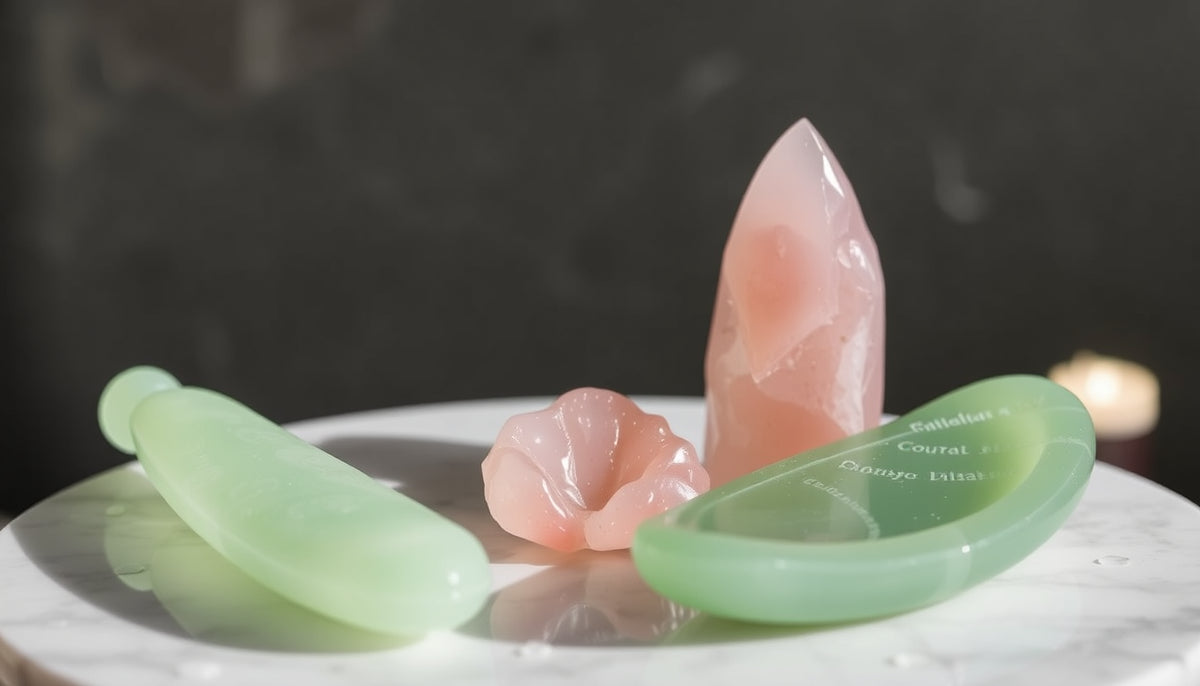
Material and weight influence how the tool lands on the skin and how much control you have during a stroke. Common materials include jade, rose quartz, and sometimes ceramic or metal variants. Heftier tools can offer a satisfying sense of control for beginners, while lighter tools may feel gentler on sensitive skin. Prioritize smooth edges (no chips or rough spots) and a comfortable grip that supports steady, deliberate movements. Always cleanse the tool after use to maintain skin health and hygiene.
- Jade and rose quartz are the most popular options for facial gua sha
- Check for smooth, sealed surfaces and a comfortable weight
- Keep the tool clean to prevent irritation or breakouts

Cadence and Stroke Patterns: How to Glide with Confidence
Cadence describes the tempo and duration of each stroke. A slower cadence—about 3 to 5 seconds per stroke—tends to increase contact time and reduce drag, while a slightly faster cadence can feel energizing and may help with smoother glides for some skin types. The number of strokes per area typically ranges from 8 to 12, but you should listen to your skin and adjust based on comfort, lubrication, and tolerance. Always maintain a thin film of oil or serum to ensure a smooth glide and prevent dragging.
- Forehead and cheeks: slow, steady passes with broad-edge tools
- Contour zones (cheekbones, jawline): use curved edges for precision
- Under-eye and delicate areas: lighter pressure and smaller movements

Facial Lymphatic Drainage: The Science Behind a Refreshed Look
Facial lymphatic drainage aims to gently move interstitial fluid toward regional lymph nodes, supporting reduced puffiness and improved microcirculation. Gua sha can complement this process by encouraging gentle tissue movement and tension release. It is not a replacement for medical treatment of lymphatic disorders, but when performed with proper technique and cleanliness, it may contribute to a more awake appearance and smoother texture. Use clean tools, a suitable facial oil, and avoid excessive pressure or aggressive dragging on fragile skin.
- Lymphatic pathways drain toward preauricular, submandibular, and cervical nodes
- Gentle contact protects the skin barrier and reduces the risk of irritation
- Consistency matters: regular, moderate sessions yield more noticeable results than sporadic heavy sessions

Evidence-Backed Comparison: Do Geometry and Cadence Alter Outcomes?
Geometry influences contact area, drag, and how evenly pressure is distributed across the skin, which can impact the perceived glide and microcirculation effects. Cadence governs contact time with a given area, shaping the stimulus delivered to underlying tissues. Lymphatic drainage outcomes depend on gentle, controlled movement and proper technique. In practice, a broad-edge geometry paired with a slow to moderate cadence generally yields a comfortable glide and subtle puffiness reduction, while curved edges help sculpt the face with more precision. Maximum benefits come from consistency, good hygiene, and using a quality oil that supports smooth movement. While there are promising signals, robust randomized controlled trials specific to gua sha are limited, so interpret claims with a balanced view.
- Geometry affects contact area and drag distribution
- Cadence affects contact time and glide sensation
- Lymphatic changes rely on gentle, repeated movements
Step-by-Step Routine: A Practical Guide You Can Try Tonight
- Start with a clean face and hands; apply a lightweight facial oil or serum to create a smooth glide
- Forehead: broad-edge stroke from the center outward, five to seven passes per side
- Cheeks: switch to a curved edge; glide from the center of the face outward and upward
- Cheek contour and cheekbone: gentle sweeps along the orbital rim, avoiding the eye itself
- Jawline and neck: use downward and outward movements toward the collarbone to assist drainage
- Under the chin and neck: light, upward strokes with an emphasis on gentle lymph-directed moves
- Finish with light tapping or patting to promote relaxation and circulation
- Repeat on the opposite side; complete a full-face routine in 8–15 minutes

Materials, Safety, and How to Choose Your Tool
Gua sha tools come in materials such as jade and rose quartz. Differences in material are primarily aesthetic or related to weight and perceived sensation. Look for smooth edges, no chips, and a comfortable heft that lets you control each stroke without excessive pressure. Clean the tool after each use with mild soap and water, dry thoroughly, and store it in a clean place. Avoid use during active acne, broken skin, or areas of dermatitis, and always work with a gentle touch.
- Jade and rose quartz are popular and ethically sourced options
- Choose smooth edges with no cracks or rough spots
- Hygiene matters: clean tools to prevent irritation or breakouts

Choosing Your Tool: Jade vs Rose Quartz vs Alternatives
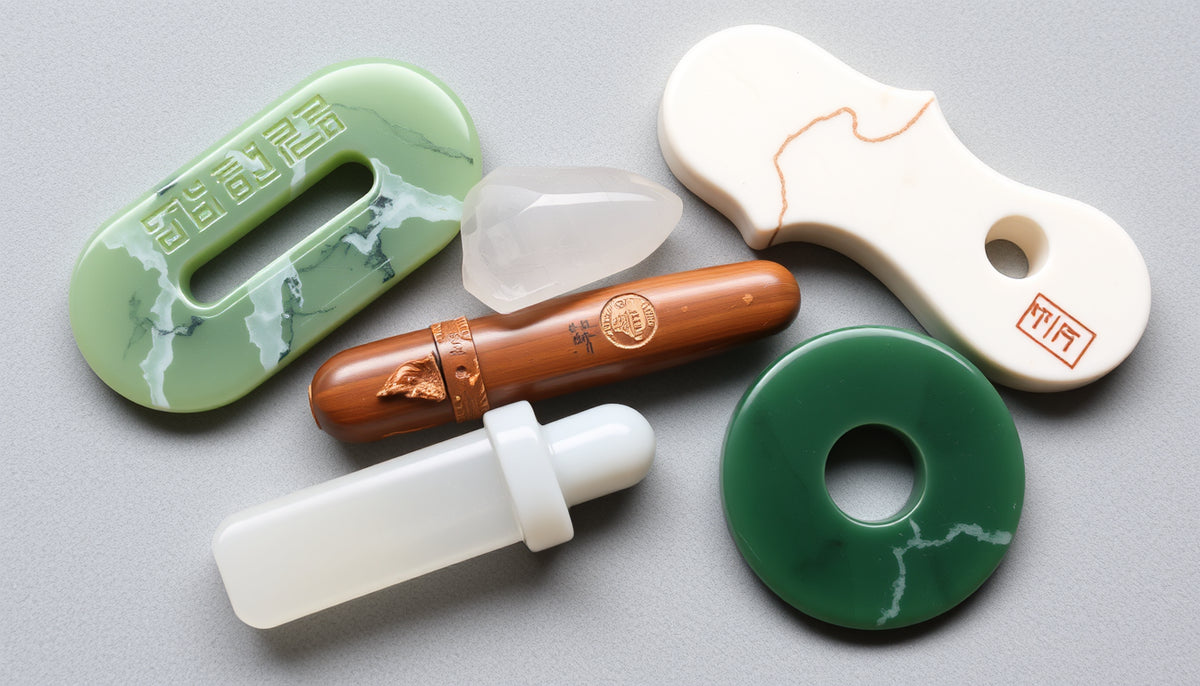
Practical selection criteria include edge design, weight, and your comfort with handling. Jade tools are tradition-heavy and often have a smooth, cool feel; rose quartz provides a light, pleasant heft for some users; metal variants can offer a different glide and temperature sensation. When selecting, prioritize craftsmanship—smooth, well-finished edges, no rough areas, and a shape that fits your facial topology. Also consider the tool’s size relative to your face: smaller tools can offer precision for around the eyes and nose, while larger tools can speed up routine on the forehead and cheeks.
- Match tool to your facial zones and personal preference
- Test grip, weight, and glide before committing to a purchase
- Consider ethically sourced materials and sustainable packaging
Safety, Hygiene, and Maintenance: Getting the Most from Your Tool
Safety starts with clean hands and a clean tool. Use a gentle cleanser for your face and wash the gua sha tool after each use. Avoid aggressive drag, especially on sensitive or irritated skin. If you have active acne, rosacea, eczema, or a skin infection, consult a dermatologist before using gua sha. Store your tool in a clean pouch or case to prevent chips and contamination. Use a suitable facial oil or serum to maintain a light, slippery film for smooth gliding.
- Always cleanse before and after use
- Avoid applying direct pressure to broken or inflamed skin
- Inspect edges for chips or rough spots regularly
Common Mistakes and How to Fix Them
- Dragging too hard: lighten pressure and focus on glide rather than force
- Using dry skin: always maintain lubrication to prevent dragging
- Overstimulation: limit sessions to 5–15 minutes per day if you’re new
- Ignoring the neck: drainage can be improved with gentle movements toward the collarbone
Myths vs Realities: Separating Fact from Fiction
- Myth: Gua sha permanently reshapes the face. Reality: It supports temporary improvements in circulation and drainage; facial structure is genetic and age-related.
- Myth: More pressure yields faster results. Reality: Excessive pressure can irritate skin and undermine barrier function.
- Myth: Any oil works equally. Reality: Fragrance-free, non-irritating carriers that suit your skin type are better for repeated use.
Sponsored Spotlight: Lov a Body
For high-quality gua sha sets that align with the techniques discussed, consider Lov a Body. Their jade and rose quartz tools are designed for facial use and offer a comfortable weight and smooth glide. Explore their range at Lova Body gua sha tools and find the option that fits your routine. If you are searching for the best gua sha tool or a jade gua sha tool to start your journey, Lov a Body is a solid option to consider.
Conclusion: A Science-Informed Path to a Radiant Complexion
Radiant skin emerges from technique, consistency, and quality tools. Understanding how geometry shapes contact, how cadence influences glide, and how gentle facial lymph drainage can contribute to a refreshed look helps you tailor your routine with confidence. If you’re ready to elevate your practice, explore Lov a Body products for reliable options designed to support your skincare goals.
Ready to upgrade your routine? Explore the Lov a Body range of jade and rose quartz gua sha tools, designed to support facial lymphatic drainage and skin glow. Visit Lova Body Shop to purchase today.

Оставить комментарий
Этот веб-сайт защищается hCaptcha. Применяются Политика конфиденциальности и Условия использования hCaptcha.