
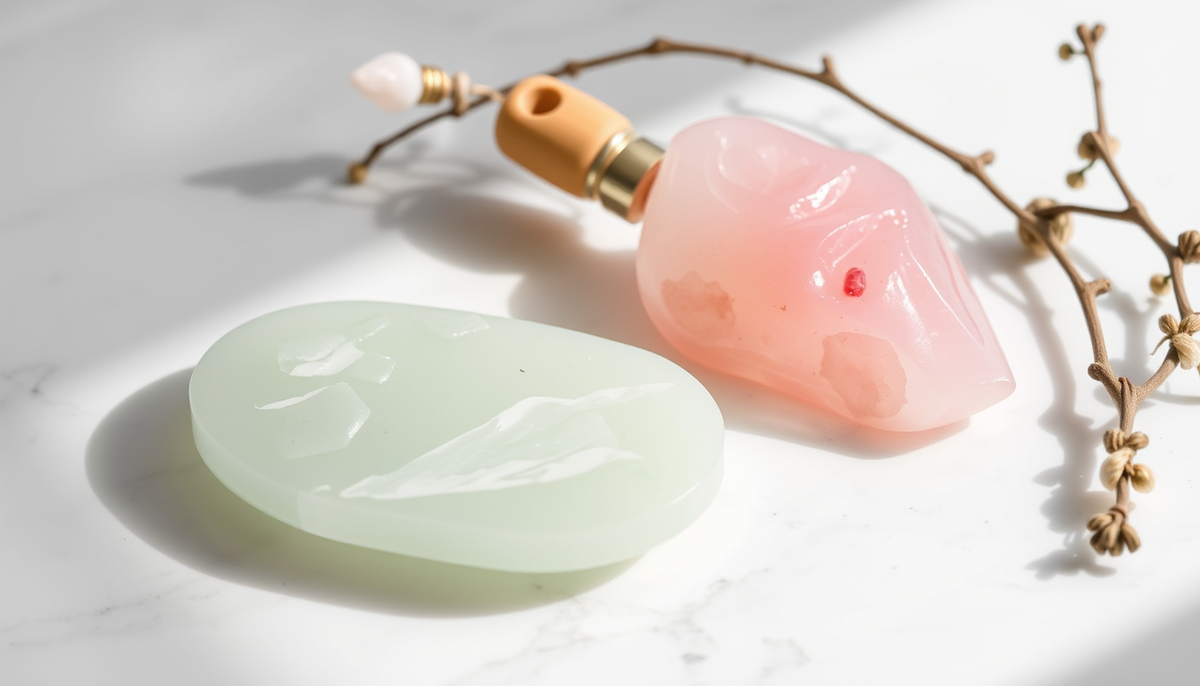
Gua Sha has risen from ancient practice to a contemporary skincare ritual that blends artisanal tool design with modern understandings of facial anatomy. This in-depth guide compares geometry, stroke timing, and lymphatic strategies to help you curate a toolkit that fits your unique face, skin type, and lifestyle. Whether you’re seeking subtle daily glow or a more sculpted, lifted look, the right combination of tool shape, rhythm, and drainage can amplify results when used consistently and safely.
Design-Backed Geometry: How Shape Influences Skin Response
Tool geometry matters because every edge, curve, and weight interacts with the skin and underlying fascia in a distinct way. The goal is to maximize glide, maintain contact, and follow natural contours without over-scrubbing or creating microtrauma.
Edge and Contour: From Gentle Sweep to Precise Sculpting
- Soft, rounded edges are ideal for broad surfaces like the forehead and cheekbone transitions, providing a forgiving glide that respects delicate skin.
- Scooped or contoured edges excel at tracing cheekbone architecture and jawline lines, maintaining constant contact along uneven curves.
- A sharper edge is best avoided on fragile areas (under-eye region, eyelids, irritated zones) unless guided by professional instruction.
Curve, Width, and Weight: Coverage versus Control
- Wider tools cover more surface area, speeding up sessions on the forehead and midface.
- Narrower edges offer precision along the nose, eye areas (with caution), and around the mouth.
- Moderate heft helps with control and tactile feedback; too light may feel insubstantial, too heavy can cause fatigue or excess pressure.
Material and Finish: Slip, Hygiene, and Skin Feel
- Jade, rose quartz, and metal each interact differently with facial oils and serums. Jade and rose quartz tend to offer a cooler, smoother glide; metal (stainless steel) can deliver a brisk, precise feel and easy cleaning.
- Finishes affect micro-slip: a polished surface glides more easily, while a lightly matte finish may offer slightly more grip for control.
- Always sanitize tools between uses to minimize bacterial transfer and maintain integrity of the stone or metal.
Ergonomics and Handling: A Grip That Supports Consistent Form
- Choose a tool with comfortable grip and balanced weight to minimize hand fatigue during longer sessions.
- Consider a double-ended tool for versatility across large planes and tighter contours.
- Ergonomic handles reduce wrist strain, encouraging proper technique over time.
Stroke Timing and Sequencing: The Rhythm of Radiance
Consistency and deliberate pacing drive outcomes. The goal is to move with intention, not speed, validating a gentle, facially cohesive session that respects drainage pathways and skin sensitivity.
Foundational Timing Principles
- Tempo: aim for 2–3 seconds per stroke to ensure controlled contact and meaningful contact duration with each facial region.
- Passes: perform 3–5 passes per region to build lymphatic involvement and surface smoothness without over-stimulation.
- Direction: always guide the tool toward lymphatic drainage pathways—cheek toward the jaw, forehead toward temples, and neck toward the collarbone—to support natural fluid dynamics.
Sequence Blueprint: From Center to Contour
- Prep: cleanse skin, then apply a thin layer of oil or serum to reduce drag and protect barrier function.
- Central zones: start at the glabellar area and chin focusing on even skin contact and warmth formation before moving outward.
- Cheeks and cheekbones: sweep from the center of the face toward the ear along the zygomatic arch, then feather toward the jawline.
- Jawline, chin, and neck: glide along the jawline diagonally toward the ear and then down the neck toward the clavicle to encourage drainage.
- Eyes and periorbital area: use smaller, gentler strokes along the orbital rim with a very light touch; never drag directly across the eyelid.
- Finishing touches: complete with light massaging strokes on the neck and décolletage, then blot and seal with moisturizer or balm.
Tempo Variations for Different Goals
- For depuffing: slightly longer strokes with gentle pressure and more frequent passes across the cheek and under-eye areas, focusing on lymphatic channels.
- For lift and contour: use slightly firmer pressure with more pronounced contouring along the cheekbone, jawline, and neck, while monitoring skin response.
- For maintenance: 5–10 minutes, light-to-moderate pressure, invite gentle drainage rather than aggressive sculpting.
Lymphatic Drainage: Gentle Pathways to Glow
Gua Sha supports lymphatic drainage by promoting gentle movement of interstitial fluid toward regional nodes. When performed with consistent, upward-and-outward motions, it can help reduce puffiness and improve post-inflammatory glow. Badly executed strokes, however, can irritate the skin and fail to drain effectively.
Drainage Pathways and Landmarks
- Preauricular lymph nodes near the ears serve as primary drainage entry points for the face.
- Submandibular nodes under the jawline help move fluid away from the lower face.
- Deep cervical nodes along the neck support more extensive drainage toward the upper chest.
- Supraclavicular nodes toward the clavicle are the final common routing for facial lymphatics.
Practical Drainage Protocols
- Work in a clean, well-lit space with a calm breathing pattern to support relaxation and effective lymph movement.
- Limit sessions to 5–10 minutes to avoid overstimulation, redness, or friction-induced irritation.
- Always direct strokes toward the collarbone and never against lymph flow to prevent stagnation.
Comparative Toolkit: Geometry in Practice
Different geometry configurations serve different anatomical landscapes. Here’s how to choose based on area and goal:
- Flat, elongated shapes: ideal for broad planes like the forehead and cheeks; offer consistent contact and simple maintenance.
- Scoop or curved edges: excellent for sculpting along cheekbones and chin; maintain contact on curves and reduce dragging over irregular surfaces.
- Multi-edge or comb-like tools: versatile across lymphatic routes and neck lines; useful for varied face shapes and quick, efficient sessions.
- Material considerations: jade versus rose quartz versus metal; pick based on skin feel, glide with your oils, and ease of cleaning; lighter materials feel brisk, heavier tools deliver more control on larger areas.
Material Matters: Jade, Rose Quartz, and Metal in Depth
Material choice influences glide, cooling sensation, and maintenance requirements. Each offers a distinct experience and compatibility with different skincare routines.
Jade
Traditional and widely loved for its smooth surface and cool touch, jade is a classic option that pairs well with hydrating serums and oils. Its density supports extended sessions with a balanced feel.
Rose Quartz
Soft pink stone with a gentle glide that many users report as particularly soothing. Rose quartz can feel slightly slipperier when coated with oils, which can be advantageous for very smooth passes.
Metal
Stainless steel or alloy tools offer precision and a brisk glide. They’re easy to clean and can deliver a different tactile feedback that some users prefer for lifting and contouring along stubborn lines.
A Practical Routine: A 15–20 Minute Session for Radiant Skin
The following routine blends geometry choice with timing principles for a balanced, repeatable practice. Adjust duration and pressure to your comfort level and skin response.
- Prep: cleanse, pat dry, and apply a sealing layer of oil or serum to minimize drag.
- Forehead: two vertical sweeps in the center, then outward toward temples; use a light to moderate pressure for 3–4 passes.
- Eyebrow and eye area caution: small, gentle circles around the brow bone; avoid direct pressure on the eye itself.
- Cheeks: glide from the center of the face outward along the cheekbone; maintain contact with the skin through the edge geometry to prevent skating.
- Nasolabial folds: sweep from the sides of the nose toward the mouth ridge, using a slightly curved edge to follow natural contours.
- Jawline and chin: sweep from the center toward the earlobe, then down the neck, encouraging drainage toward the collarbone.
- Neck and décolletage: long, vertical strokes downward toward the clavicle, ensuring the processor remains smooth and even.
- Finishing: light patting with a clean fingertip to help set moisture, followed by moisturizer or balm.
Illustrations: Visual Aids for Your Routine


Safety, Safety, Safety: Considerations Before You Start
- Patch-test any new oil or serum to rule out sensitivity or contact dermatitis.
- Avoid broken skin, active acne lesions, or inflamed dermatitis in the treatment area.
- Be cautious with pregnancy-related skin changes and consult a clinician if unsure about routine intensity.
- Never press with force that reddens or injures the skin; the tool should glide, not scrape.
- Sanitize the tool before and after use with gentle soap and water or an alcohol-based wipe; dry completely before storage.
Maintenance and Cleaning: Keeping Your Tool Hygienic
Maintenance preserves glide quality and skin safety. Clean after every session, store in a dry area, and periodically inspect for chips or rough edges that could irritate the skin.
- Rinse with warm water and a mild soap; pat dry with a clean towel.
- For metal tools, avoid harsh chemicals that could dull the finish; for stones, avoid dropping or placing on hard surfaces.
- Disinfect monthly with a gentle sanitizer that is safe for skin-contact surfaces and allow to dry completely before use.
Myth-Busting and FAQs
- Does gua sha cause sagging?
- No. When used correctly, gua sha supports fascia mobility and lymphatic drainage; improper pressure or technique can irritate the skin.
- Can I use gua sha every day?
- Yes, many people enjoy daily 5–10 minute routines, but beginners should start slow to assess tolerance and skin response.
- Is gua sha good for all skin types?
- Most skin types benefit from improved circulation and drainage, but those with eczema, psoriasis, or active infections should consult a clinician before starting.
Evidence, Expert Opinion, and Practical Reality
Gua sha is supported by centuries of practice and contemporary skincare routines. While clinical trials on facial gua sha are limited, many users report visible improvements in brightness, texture, and edema relief when combined with a consistent routine and quality tools. Always pair gua sha with a well-formulated skincare serum or oil to reduce drag and protect barrier function.
Putting It All Together: A Design-Forward Toolkit for Radiance
To optimize results, align tool geometry with your facial geometry, adopt a measured stroke tempo, and follow lymphatic pathways. A compact Jade or Rose Quartz tool with a smooth, cool surface paired with a lightweight balm or serum often delivers the best balance of glide and control for most users. For larger faces or those seeking faster sessions, a multi-edge tool can offer both coverage and precision.
Where to Buy and How a Design-Forward Toolkit Makes a Difference
Investing in a carefully designed toolkit is about more than aesthetics; it’s about consistent, enjoyable use that honors your skin’s barrier and drainage patterns. Explore curated options that pair well with modern skincare ingredients and ergonomic designs. For those who want a reliable starting point, consider trusted brands and retailers that specialize in gua sha tools, including jade and rose quartz collections.
Shop the tools and sets at gua sha tool, especially the jade gua sha tool collection, to explore ergonomic designs that align with contemporary skincare rituals. For lymphatic drainage focused options, see facial lymphatic drainage tools.
Disclosure: This article includes sponsored content from Lova Body. The linked products are included to offer practical options for readers who want to implement the toolkit described above.
Ready to elevate your routine? Shop Lova Body today for curated sets that include a premium jade gua sha tool, soothing oils, and guides to get the most from your massage routine.
Final Thoughts: A Long-Term, Design-Forward Practice
In skincare, results compound with consistency and attention to how your tools work with your body. By choosing geometry that matches your facial planes, pacing yourself with a thoughtful stroke tempo, and guiding fluid toward the lymphatic system, you build a sustainable practice that can yield consistent radiance over time. The most impactful changes come from a routine you enjoy and can repeat with confidence, not from a single “miracle” session.

Оставить комментарий
Этот веб-сайт защищается hCaptcha. Применяются Политика конфиденциальности и Условия использования hCaptcha.