
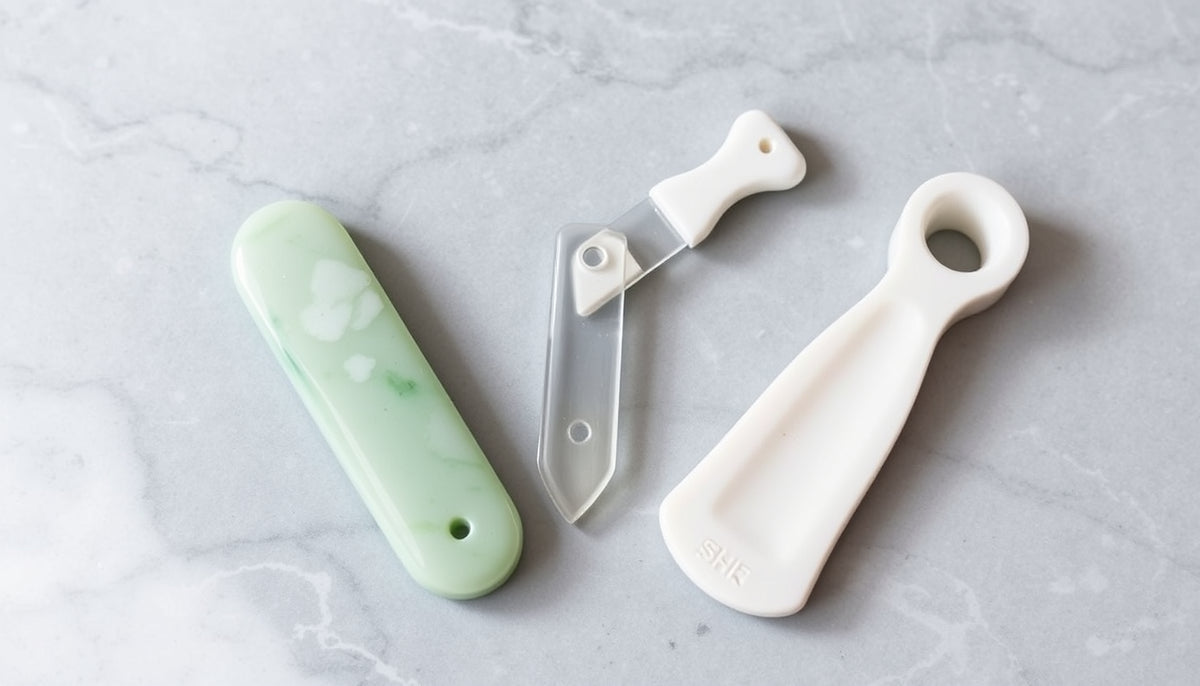
Gua sha has evolved from a traditional healing practice into a modern skincare ritual that beauty professionals and enthusiasts alike lean on for contour definition, reduced puffiness, and a luminous complexion. When choosing a tool—jade, quartz, or ceramic—and pairing it with a deliberate cadence, you can optimize facial lymphatic drainage and support radiant skin. This comprehensive comparison blends material science, ergonomics, and step-by-step cadence techniques to help you pick the right gua sha tool for your skin and build a sustainable, results-oriented routine.
Why Cadence and Edge Matter in Gua Sha
The cadence refers to how you move the tool across the face: tempo, pressure, direction, and edge contact. A well-designed cadence helps guide pooled fluids toward regional lymph nodes, supports tissue hydration, and minimizes drag and micro-irritation. The following cadence framework applies across jade, quartz, and ceramic tools, with nuanced adjustments for texture, edge shape, and skin sensitivity.
- Prepare the skin with a suitable facial oil or serum to reduce drag and protect the epidermis.
- Adopt slow, controlled strokes rather than rapid scrapes. Think precision over speed.
- Maintain a light to moderate, consistent pressure—roughly the weight of a coin—avoiding jaw clenching or pulling on delicate areas.
- Follow lymphatic-first directions: center of the face outward toward the jawline and down toward the clavicle.
- Finish with light, resetting strokes to restore tissue tone and momentum for the next pass.
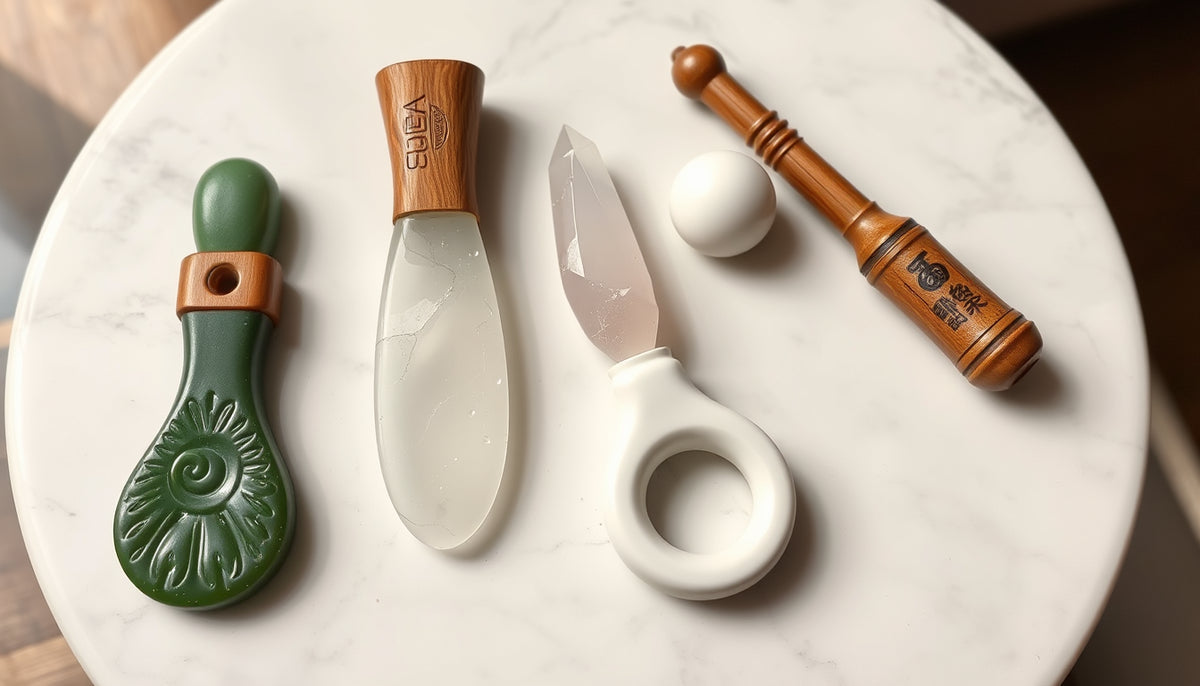
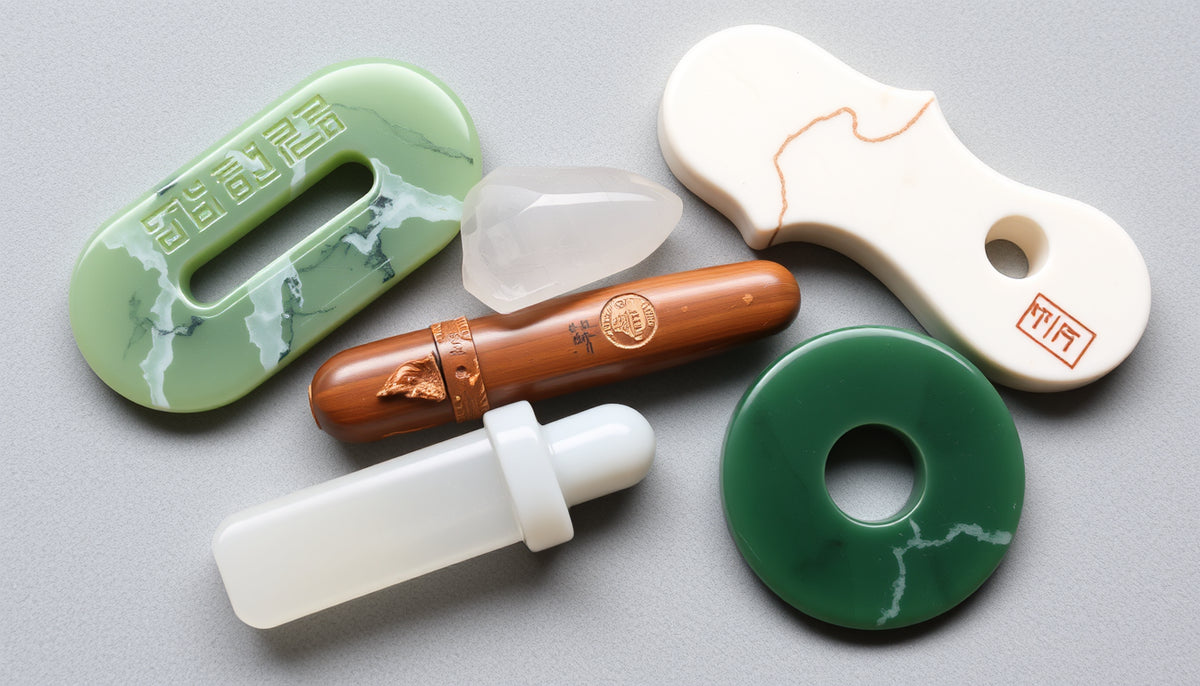
Tool Profiles Revisited: Jade, Quartz, and Ceramic
Jade Gua Sha
Jade’s long-standing cultural associations with healing and cooling properties make it a comforting, grounding choice. It’s typically denser and may offer a grippy feel that some users prefer for control, especially along the jawline and neck.
- Pros: Natural cooling, classic ritual feel, substantial glide with oils, durable with proper care, luster often deepens with use.
- Cons: Variable porosity in lower-quality stones; heavier to hold during longer sessions; color/texture variation may impact glide consistency.
- Best for: Normal to dry skin; areas needing a grounded, stable glide (cheeks, neck, décolletage).

Cadence tip for Jade: Use slightly longer, sweeping strokes that stay in gentle contact with the skin, allowing the jade to cradle the contours of the face.
Quartz Gua Sha
Quartz is celebrated for its luminous appearance and non-porous surface. The hardness of quartz provides a crisp glide and makes sanitation straightforward between sessions, which can be particularly appealing for oily or combination skin types.
- Pros: Non-porous and easy to sanitize, smooth glide reduces drag, typically lighter to hold with ergonomic designs.
- Cons: Some users find certain edges too sharp for very delicate areas if misused.
- Best for: Oily/combination skin; areas needing precise lymphatic drainage (forehead, under-eye region with caution, cheeks).

Cadence tip for Quartz: Favor lighter pressure near the eyes and progress to firmer strokes as you move toward the cheeks and jawline to avoid excessive strain on sensitive areas.
Ceramic Gua Sha
Ceramic tools are often budget-friendly, widely available, and offer a smooth, glossy glide when properly lubricated. They can be a forgiving option for beginners and travelers who value portability.
- Pros: Cost-effective, smooth glide, broad variety of shapes, easy to come by.
- Cons: Can be more brittle than stone; glaze quality and edge integrity vary; may feel slippery with heavy product layering.
- Best for: Beginners, travel, and anyone prioritizing value and ease of maintenance.

Cadence tip for Ceramic: Use shorter, controlled strokes and rotate the tool to find the most comfortable edge contact for the jawline and neck.
In-Depth Cadence Techniques for Facial Lymphatic Drainage
Build a routine that respects your skin’s tolerance and your goals. The cadence below is designed to be adaptable to jade, quartz, or ceramic tools, with notes for edge choice and pressure modulation.
- Neck and Collarbone Activation: Start at the base of the neck, sweeping downward toward the collarbone to encourage drainage away from the face. Repeat on both sides.
- Jawline and Cheeks Routing: From the center of the chin, glide along the jawline toward the ear in a smooth arc. Mirror on the opposite side. This helps reduce lower-face puffiness.
- Midface Rebalance: From the center of the nose, sweep outward across the cheeks to the temples. Maintain light contact to encourage redistribution toward the lymph nodes.
- Under-Eye and Brow Regions: Use a gentle outward stroke from the inner eye toward the temple, staying above the lash line. Move to the brow with light, upward passes to soften the orbital area.
- Forehead Flow: Start at the center of the forehead, glide outward toward the temples, then sweep toward the hairline to invite drainage down the sides of the face.
- Neck Reset and Posterior Flow: Include a few back-of-neck passes to help release any posterior congestion and support overall drainage.
- Final Reset: Finish with gentle, upward strokes from the collarbone to the jaw, re-toning tissue and signaling a refreshed sensation.

Edge Shapes, Contact Angles, and How to Choose
Edge geometry influences contact comfort and the amount of skin engagement per stroke. Common configurations include single-edge, dual-edge, and curved-edge designs. Here’s how to approach edge selection:
: Great for precise work along the jawline and under-eye region when used with a light touch. - Dual-edge: Versatile for larger areas like the cheeks and forehead; allows quick coverage with controlled contact.
- Curved or concave edges: Helpful for contouring the cheekbones and along the jawline with a natural hugging action.
Tip: Always maintain a comfortable angle (about 15–30 degrees to the skin) and avoid pressing perpendicular to the surface, which can irritate delicate skin.
Practical Routine: Morning vs Evening
Consistency matters more than intensity. Here are two practical templates you can adapt to your lifestyle and skin type.
- Morning: Quick 5–7 minute boost focusing on de-puff and glow. Emphasize forehead, cheekbones, and the orbital area. Use lighter pressure and shorter passes.
- Evening: 10–15 minute comprehensive routine with a longer neck sweep and deeper jawline work. Consider a slightly longer cadence to encourage overnight drainage and tissue relaxation.

Safety, Contraindications, and Skin Considerations
While gua sha is generally safe for many, certain conditions merit caution or avoidance. Consult a professional if you have concerns.
- Active skin infections, open wounds, or uncontrolled dermatitis on the face.
- Severe rosacea with flushing or facial vascular issues.
- Recent facial surgery or cosmetic procedures requiring temporary restrictions.
- Unhealed or fragile post-inflammatory hyperpigmentation areas; avoid aggressive manipulation.
- Pregnancy-related considerations; check with a clinician if in doubt.
Always perform a patch test with a small amount of oil/serum and test the tool on less sensitive skin before broader use.
Hygiene, Maintenance, and Longevity of Your Tools
Healthy practice starts with clean tools. Jade is porous and benefits from more thorough drying and periodic deeper cleaning, while quartz and ceramic are easier to sanitize due to non-porous surfaces.
- Rinse with warm water after each use, then soap or a gentle cleanser. Dry thoroughly with a soft towel.
- For jade: sanitize periodically with a mild, non-acidic cleaner and ensure complete drying to prevent mineral buildup inside pores.
- Store away from direct sunlight; avoid extreme heat that could alter the glaze or stone integrity.
- Inspect edges regularly for chips or roughness; replace tools if stability is compromised.

Careful Skincare Layering: How to Build a Routine Around Gua Sha
Gua sha works best when integrated with a thoughtful skincare sequence. Consider the following layering approach:
- Cleanse and tone to prepare the skin.
- Apply a hydrating serum or facial oil to create a slip-friendly surface.
- Use gua sha in cadence as described above, prioritizing lymphatic drainage and contouring over aggressive sculpting.
- Seal with a moisturizer to lock in hydration and support downstream drainage.
- Optional: follow with a sunscreen in the morning or a soothing balm in the evening.

Travel, Storage, and Longevity: Gua Sha on the Go
Travel-friendly kits are popular for maintaining your cadence while away from home. Consider compact jade or ceramic sets, with travel cases that protect edges and reduce chipping. Always pack in a soft pouch and keep away from moisture and extreme temperatures.
- Choose a lightweight, durable case with individual slots for each tool.
- Ensure tools are completely dry before storage to prevent bacteria growth.
- Clean before and after travel to minimize residue buildup during transit.
Illustrations and Visual Guides: Expanded References
Visual aides help you master cadence and edge handling for different facial zones. Use these guidelines as you practice your routine:
- Edge angles: Maintain a 15–30 degree contact angle for optimal tissue engagement.
- Pressure progression: Begin with feather-light contact and gradually increase as your skin warms and relaxes.
- Pathing: Direct fluid toward the lymph nodes—jawline toward the collarbone and center of the face outward toward the temples and hairline.

Shop the Lova Body Gua Sha Toolkit (Sponsored)
For a curated selection of jade, quartz, and ceramic tools, consider the Gua Sha Toolkit from Lova Body. The collection emphasizes skin-safe materials, ergonomic handles, and durable edges designed for daily use and longevity.
Strategic keyword links inside this article point you toward high-quality options at lova-body.com, helping you discover tools designed for consistent, safe use. If you’re seeking a guided purchase that aligns with proven lymphatic drainage methods, these selections are worth exploring.
Ready to Elevate Your Routine? Shop Lova Body
If you’re ready to experiment with jade, quartz, or ceramic gua sha tools, visit lova-body.com to explore a range of kits and individual stones optimized for facial lymphatic drainage and radiant skin. Note: this post contains sponsored/affiliate links. Your support helps us continue delivering evidence-informed skincare guidance and tested product recommendations.
Affiliate note: Links to lova-body.com are provided as sponsorships to support the creation of useful content. Consider using the following anchor phrases as you read: “gua sha toolkit,” “jade gua sha tool,” and “gua sha set online.”
Visit Lova Body for Gua Sha Tools
Wrapping Up: The Best Tool for Your Skin Journey
The right gua sha tool is a personal choice shaped by texture, glide, edge comfort, and your skin’s needs. The cadence you adopt—paired with a consistent routine and careful skincare layering—can amplify contour definition, reduce dullness, and reveal a healthier, more radiant complexion. By understanding jade, quartz, and ceramic properties, you can tailor your practice to your goals and environment, unlocking the full potential of facial lymphatic drainage.
Frequently Asked Questions
Q: Does gua sha really work for lymphatic drainage?
A: When performed with a proper cadence, correct edge handling, and suitable lubrication, gua sha can support lymphatic drainage and reduce puffiness for many people. Individual results vary.
Q: How often should I use gua sha?
A: Start with 3–4 sessions per week, then adjust to daily or a few times weekly based on your skin’s response and comfort level.
Q: Can I use gua sha with makeup on?
A: It’s best to cleanse the skin and apply a light oil or serum before gua sha to minimize drag and maximize glide.

Оставить комментарий
Этот веб-сайт защищается hCaptcha. Применяются Политика конфиденциальности и Условия использования hCaptcha.