
Introduction
Gua sha is often framed as a ritual of rubbing stone across the skin, but a design-minded lens reveals a richer story: the geometry of the tool, the choice of material, and the cadence of strokes collectively determine glide, pressure distribution, and lymphatic drainage outcomes. This comprehensive guide blends product design thinking with skincare practice to help you evaluate tools, build a daily routine that respects facial contours, and align your practice with quality craftsmanship and sustainability. Whether you are a skincare enthusiast, a professional esthetician, or a curious observer of design, you will find actionable insights that translate into lasting radiance.
Tool Geometry: The Shape That Guides Your Strokes
At its core, gua sha is a geometric exercise. The way a tool meets the skin dictates edge behavior, contact area, and the ease with which you can guide lymph toward drainage pathways. Design decisions to consider:
- Edge bevel and edge geometry: A softly beveled edge minimizes drag and micro-tugging, creating a smoother glide that reduces irritation on sensitive zones such as under the eyes.
- Surface curvature and contact surface area: Larger, gentle curves cover more skin with light pressure, while precise, narrower radii excel at contouring jawlines, cheeks, and around the nose.
- Fulcrum, weight, and handle length: A well-balanced tool with an ergonomic handle reduces wrist fatigue and supports consistent cadence during longer sessions.
- Surface finish and micro-geometry: A polished, consistent surface minimizes micro-scratches and ensures predictable glide across serums and facial oils.
To explore designs that honor geometry and ergonomics, consider the thoughtfully crafted options on best gua sha tool.
Material Choices: Jade, Rose Quartz, and Beyond
Material selection influences glide, temperature dynamics, weight, and the sensory experience of the routine. Jade and rose quartz have dominated the landscape for centuries, valued for their cool-to-warm feel, hardness, and longevity. When weighing materials, consider:
- Thermal properties: A tool that starts cool can help reduce puffiness, while a subtly warming surface over time may enhance comfort for some users.
- Porosity, cleaning, and sanitation: Non-porous stones resist staining and are easier to sanitize between uses, a practical consideration for daily routines and shared spaces.
- Color, sourcing, and craftsmanship: Color variation can reflect sourcing ethics, and carving quality often signals durability and tactile appeal.
- Alternatives and trade-offs: Black obsidian, white jade, mother-of-pearl, and advanced resin composites each offer distinct glide, weight, and sensory feedback.
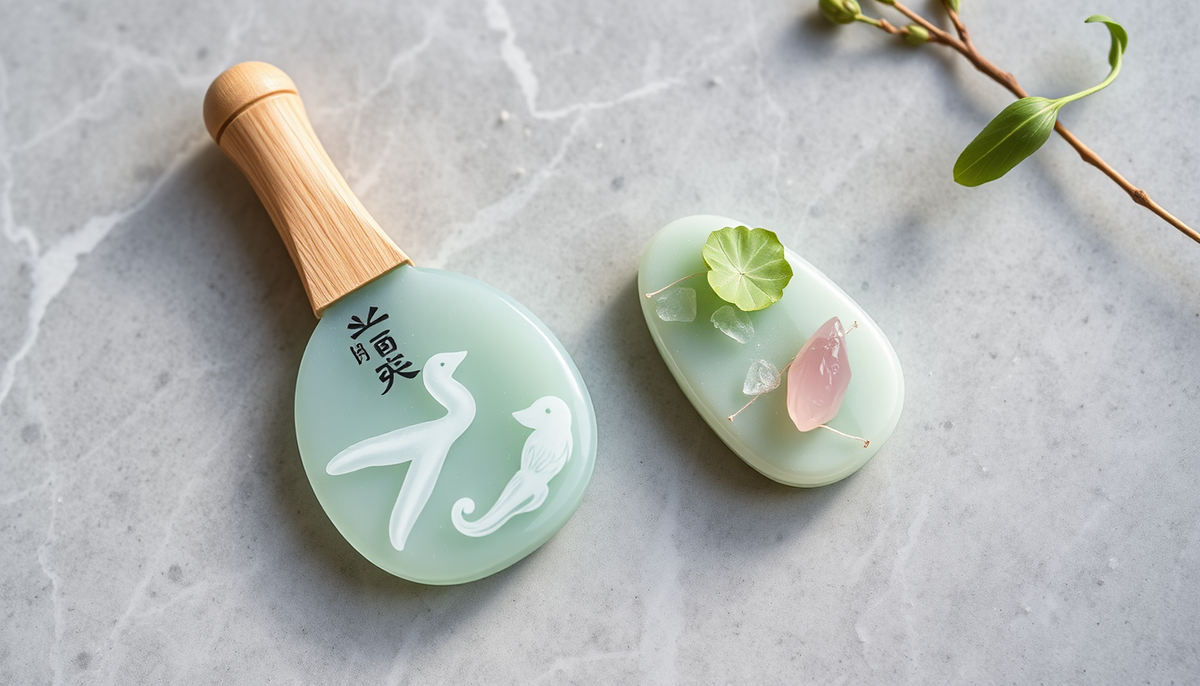
If you’re shopping for a jade or rose-quartz gua sha tool, you might encounter jade gua sha tool options that balance stone quality with ergonomic design.
Cadence and Technique: Building a Gentle, Effective Routine
A mindful cadence ensures lymphatic drainage without over-stimulation. The technique centers on light-to-moderate pressure, strategic directions, and controlled tempo. A practical framework:
- Prep: cleanse the face and apply a light serum or facial oil to reduce drag and facilitate glide.
- Neck and jawline: begin with upward strokes along the jawline toward the ear or toward the clavicle to coax drainage along lymphatic pathways.
- Mid-face and cheeks: glide from the center outward in gentle upward motions, using broad, sweeping strokes to cover larger regions with minimal pressure.
- Under-eye and forehead: use smaller edges and light touches, avoiding tugging on delicate skin.
- Sequence duration: aim for 3–5 minutes per session, adjusting to skin tolerance and time constraints—daily or every other day are common patterns.
- Post-care: hydrate, seal with moisturizer, and clean the tool after use to maintain hygiene and performance.
Weight, edge geometry, and handle geometry all influence cadence. If you wish to balance design and function, explore options that emphasize ergonomic balance and material quality on best gua sha tool for facial contours.
Routine Variations: Morning, Evening, and Skin Types
Different skins and daily schedules demand tailored routines. Below are scalable templates you can adjust based on your goals and tolerance:
- Morning radiance boost: a quick 3–4 minute session focusing on the T-zone, cheekbones, and jawline to help wake the skin and promote a bright baseline.
- Evening lymphatic reset: a slightly longer routine (5–7 minutes) with a focus on drainage toward the clavicle and neck, supporting fluid balance after the day’s activities.
- Sensitive or reactive skin: use lighter pressure, gentler edges, and slower tempo; consider pairing with amino-acid serums or barrier-supportive oils.
- Oily or combination skin: balance glide with a light oil or gel to reduce drag and maintain shine-free contact while encouraging drainage.
To find tools that blend elegant design with practical ergonomics for various routines, browse curated selections on best gua sha tool for facial contours.
Maintenance, Cleaning, and Care
Preserving tool integrity is essential for performance and hygiene. Best practices include:
- Cleaning: wipe with a soft microfiber cloth after use; for deeper cleaning, rinse with warm water and a gentle soap, then dry thoroughly.
- Storage: store in a dry, cool place away from direct sunlight to preserve color and finish.
- Sanitation: periodically sanitize with gentle, non-alcoholic solutions if needed, especially when sharing tools in a clinical or spa setting.
- Maintenance of finish: avoid abrasive cleaners or excessive heat that could dull the surface or warp the curve.
Material longevity depends on the combination of care and usage; a well-tended tool can remain a feature of your routine for years.
Evidence, Expectations, and Realistic Radiance
Gua sha is widely used for massage-like relief and may offer transient improvements in circulation, puffiness, and skin texture. The breadth of clinical evidence for long-term radiance remains limited; many benefits are subjective or arise from enhanced self-care rituals and consistent skincare. View gua sha as a complementary approach that pairs well with sunscreen, hydration, and a clinician-guided skincare plan.
Design, Ethnography, and Sustainability
Beyond individual use, the best gua sha tools emerge from ethical supply chains, responsible manufacturing, and transparent craftsmanship. Consider the following when evaluating brands:
- Sourcing transparency: understand where the material comes from and whether workers are paid fairly.
- Durability and repairability: tools designed for long life and parts replacement reduce waste and improve value.
- Packaging and lifecycle: minimal, recyclable packaging and clear guidance for end-of-life disposal demonstrate a holistic approach to sustainability.
For design-forward, responsibly sourced options, explore the tiers of craftsmanship available at Lova Body—where ergonomic shapes, material quality, and thoughtful packaging converge.
Illustrations, Visual Aids, and How to Read Them
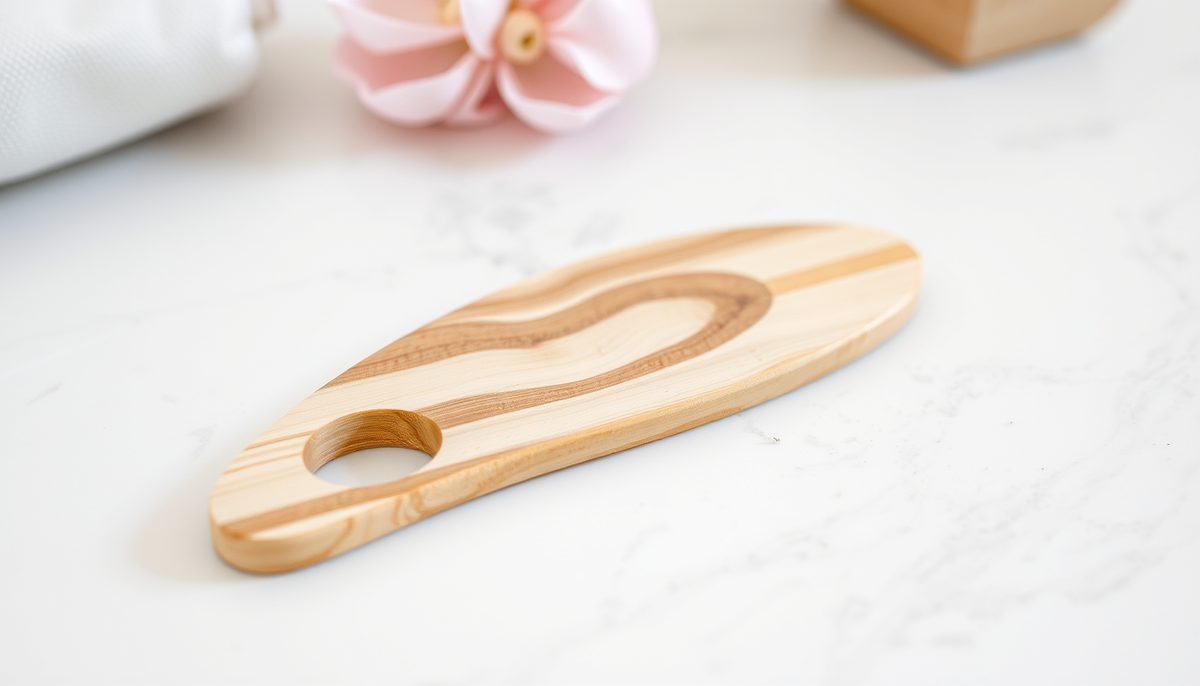
Visuals can translate geometry, cadence, and technique into practice. The images below illustrate tool shapes, contact surfaces, and recommended movement sequences:
Myths vs. Realities: Common Misconceptions Debunked
Gua sha carries a mix of myth and practice. Some common beliefs include:
- Myth: More pressure yields faster results. Reality: Consistent light-to-moderate pressure with proper technique is typically more sustainable and gentler to the skin.
- Myth: A cooler stone is always better. Reality: Temperature can affect comfort and perceived puffiness; personal preference matters, and both cool and room-temperature tools have a place.
- Myth: Gua sha replaces skincare. Reality: It complements sunscreen, serums, and moisturizers as part of a holistic routine.
Understanding the reality behind these claims helps you tailor a routine that respects your skin while embracing the design-forward toolkit.
Evidence-lite? Yes. Practical,? Very.
While randomized trials on long-term radiance specifically are scarce, multiple studies and clinical observations support short-term improvements in microcirculation and puffiness after gua sha-like techniques. The practical value often lies in the ritual—consistent care, mindful touch, and the integration of a well-chosen tool with a thoughtful routine.
Shop and Where to Buy
For readers seeking curated tools that balance design with function, consider exploring premium options from Lova Body, where ergonomic shapes and high-quality materials meet thoughtful craftsmanship. This article includes sponsor links to Lova Body to help you discover well-made tools and to support designers who prioritize sustainable practice.
Conclusion: A Design Perspective on Radiance
Framing gua sha as a design problem—how a tool’s geometry, material, and cadence converge with human anatomy—offers a route to smarter choices and more enjoyable routines. You can harness the elegance of well-made tools without sacrificing safety or efficacy, while aligning with ethical sourcing and sustainable practices. By selecting a tool whose geometry supports your unique facial contours, whose material resonates with you, and whose cadence fits your lifestyle, you set the stage for a lasting radiance that reflects both care and craft.
Invitation to Explore Lova Body
Ready to elevate your gua sha practice with design-forward, responsibly crafted tools? Visit Lova Body to explore curated options that emphasize ergonomic balance, premium materials, and durable finishes. Consider the jade gua sha tool or the best gua sha tool for facial contours, and discover how thoughtful design translates to daily radiance. This post includes sponsor links to Lova Body to help you discover well-made tools and support responsible craftsmanship.

Оставить комментарий
Этот веб-сайт защищается hCaptcha. Применяются Политика конфиденциальности и Условия использования hCaptcha.